



The Current State of AI Tool Utilization in Corporations in 2026: Insights from SDE Partners Survey
The Current State of AI Tool Utilization in Corporations in 2026
The landscape of generative AI tools in corporate settings has evolved rapidly, with many companies now integrating these tools as standard infrastructure. Nevertheless, a study conducted by SDE Partners reveals a significant disconnect between the capabilities of standardized tools and the actual needs of users in various business roles.
Study Overview
SDE Partners, located in Tokyo, Japan, conducted a survey from March 18 to March 23, 2026, targeting employees of companies with over 300 staff who were utilizing generative AI tools in their work. The internet-based survey included 1,014 participants, with findings that could reshape how businesses approach AI tool integration.
Key Findings
The survey unveiled several striking trends in the use of generative AI tools:
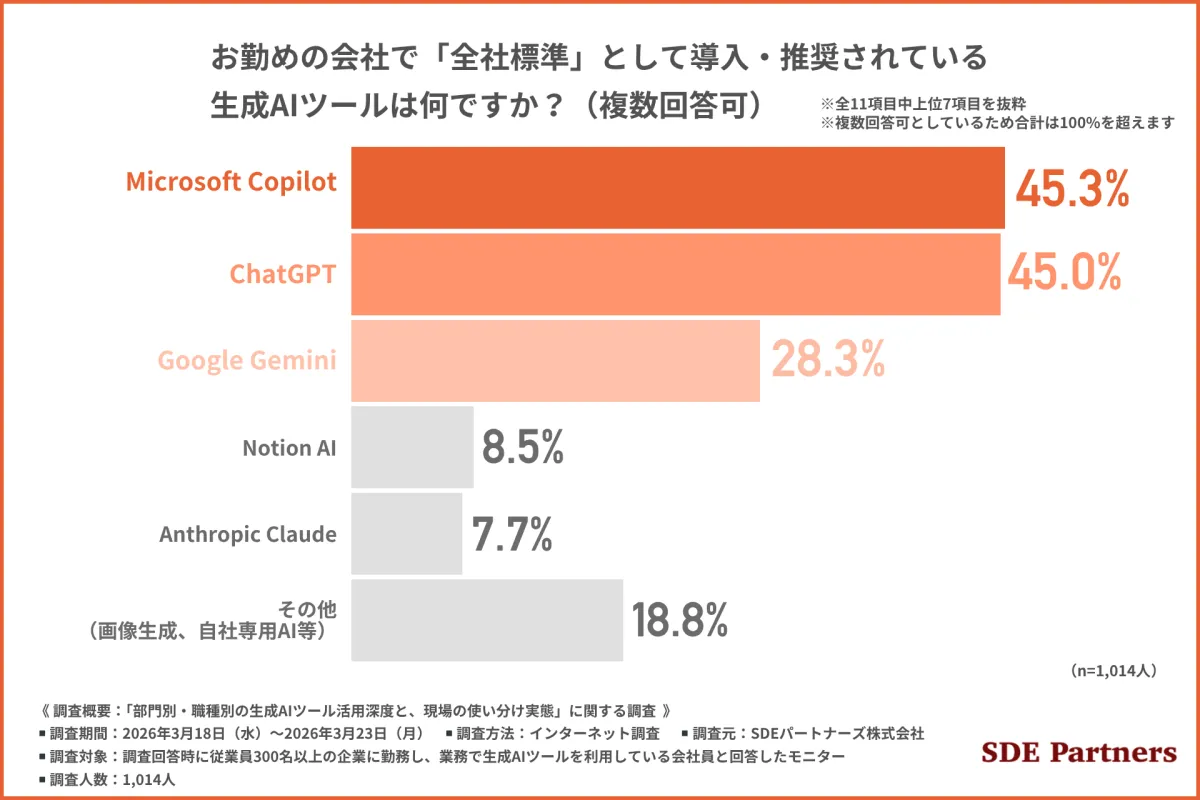
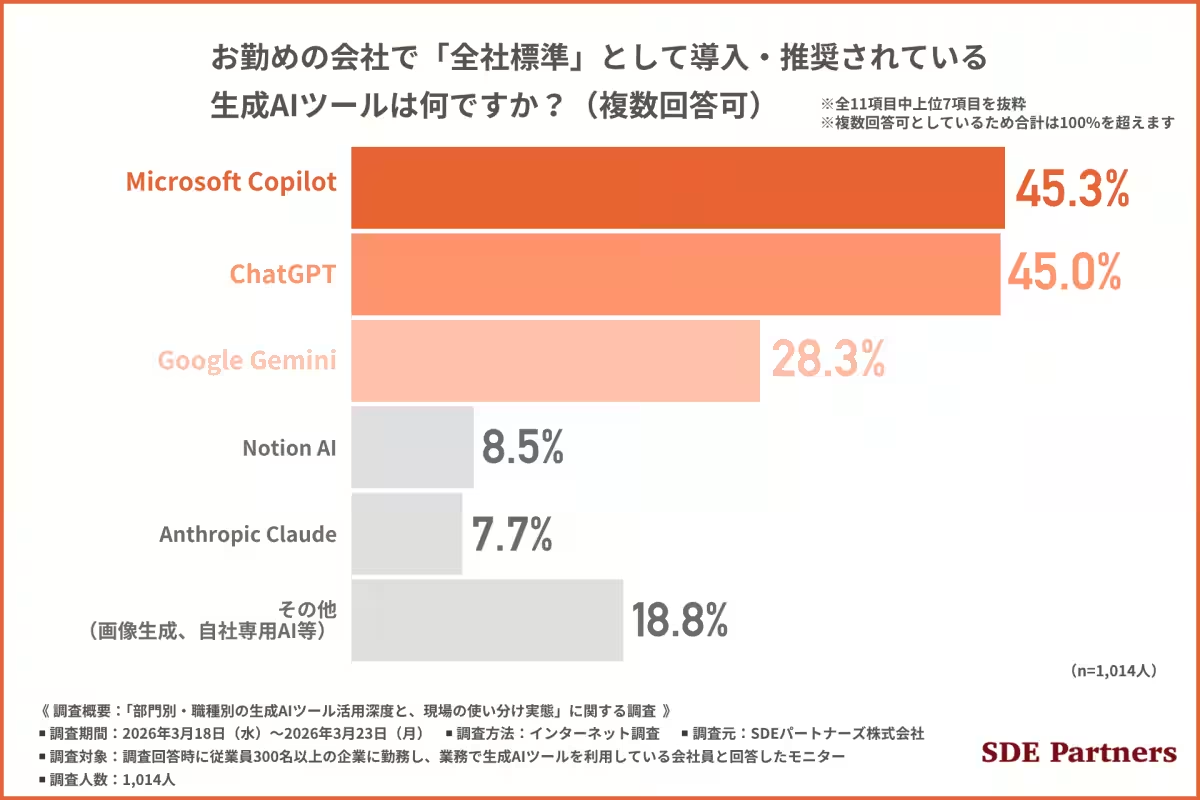
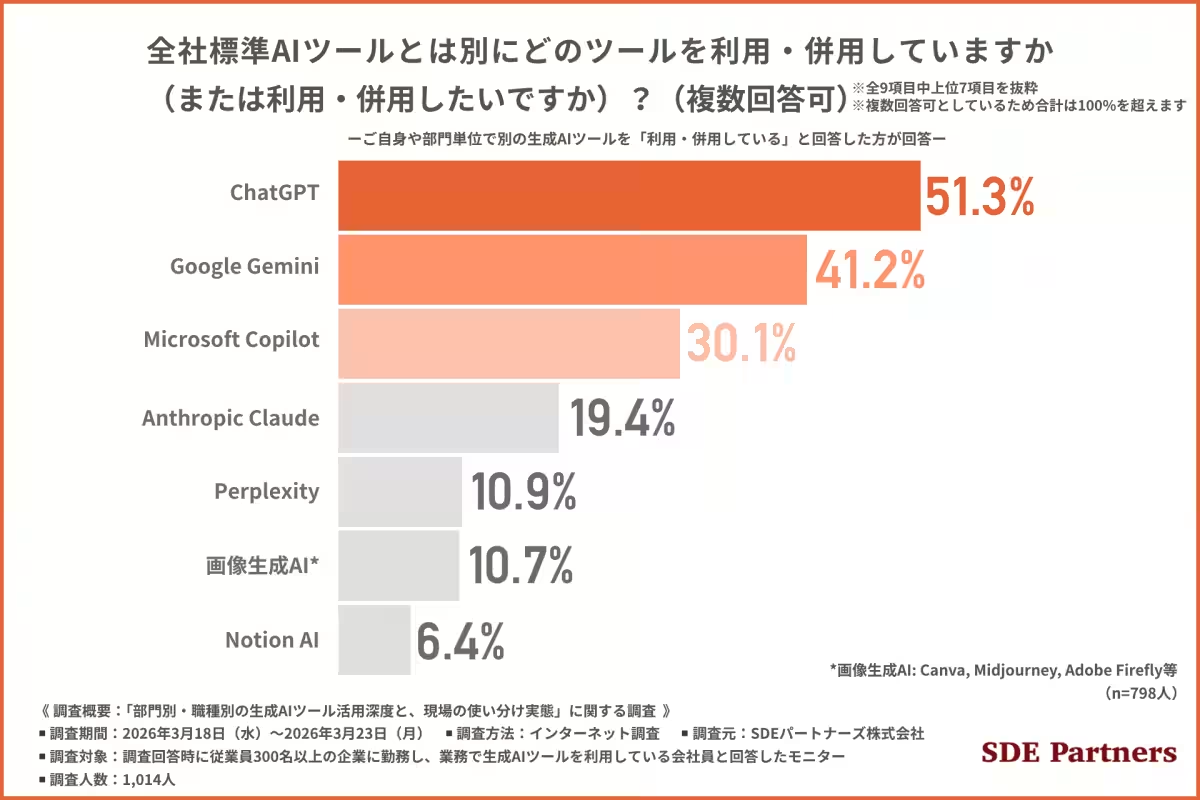
1. Leading Tools: As of 2026, the most utilized generative AI tools are Microsoft Copilot (45.3%), followed closely by ChatGPT (45.0%) and Google Gemini (28.3%). This indicates a totally competitive environment among the top providers.
2. Perception of Effectiveness: A significant majority (over 80%) of users expressed concerns that the capabilities and accuracy of standard generative AI tools do not meet practical job requirements.
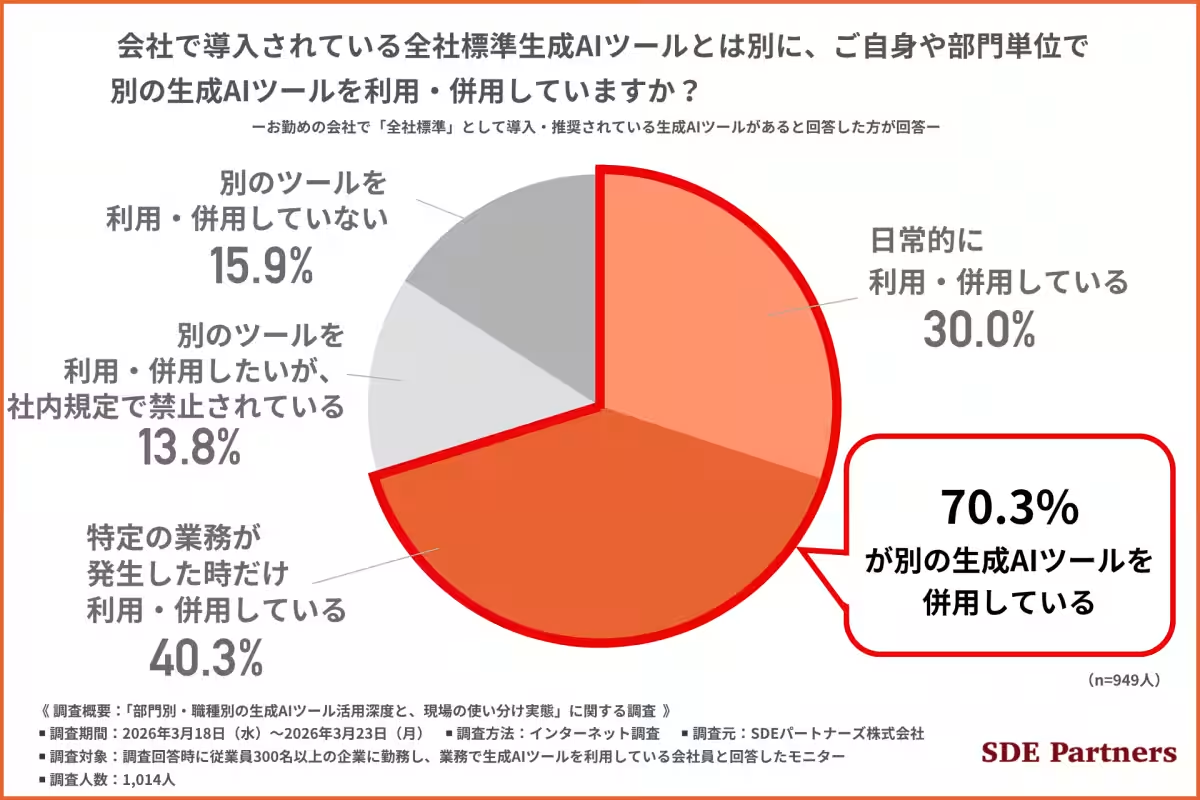
3. Dual Usage Patterns: More than 70% of users are also employing alternative platforms alongside company-sanctioned tools, leading to a dual-structure in AI tool utilization, where standard tools don't suffice for practical applications.
Insights on Corporate Standard Tools
The report highlights an ongoing competition among Microsoft Copilot, ChatGPT, and Google Gemini, with user satisfaction levels presenting a more complicated picture. While these tools are widely adopted, they do not fully cater to the intricate needs of all users. The survey indicates that personal preferences and the exigencies of specific job roles are prompting a reliance on multiple platforms to fulfill various tasks effectively.
Depth of Utilization Across Job Roles
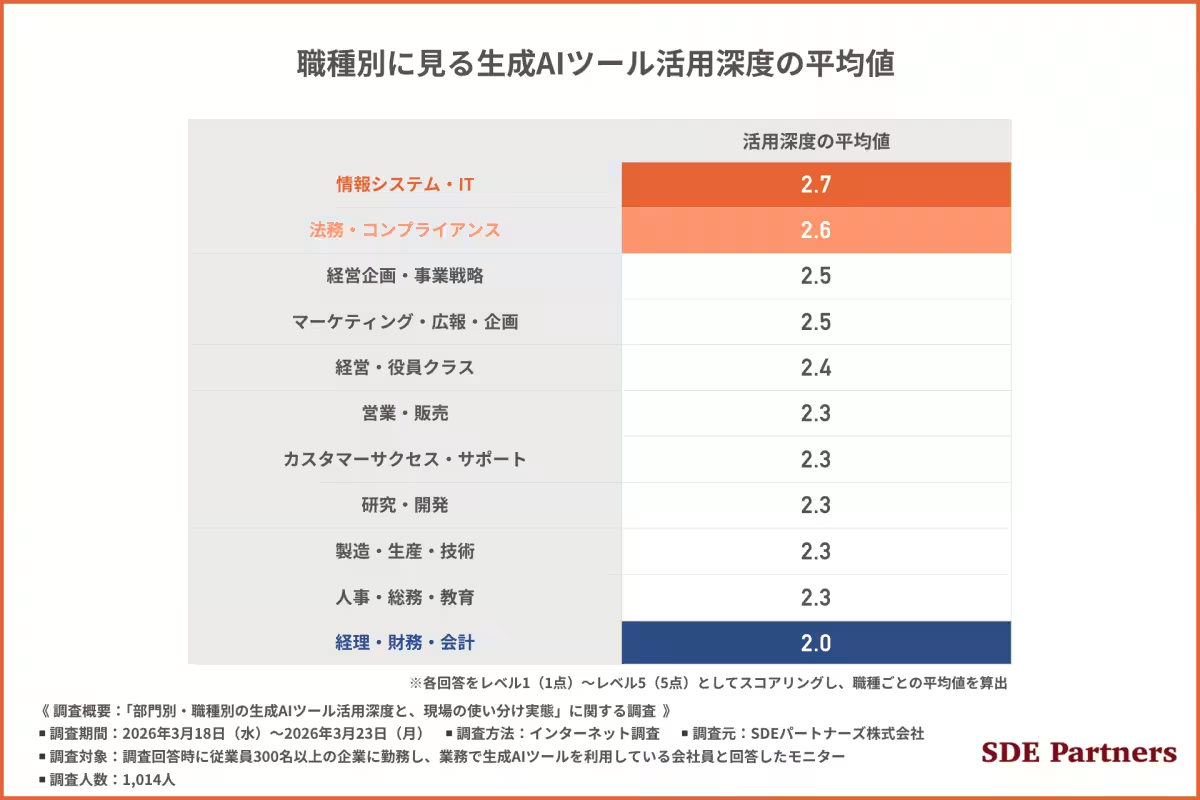
The manner in which generative AI tools are employed varies tremendously by job function:
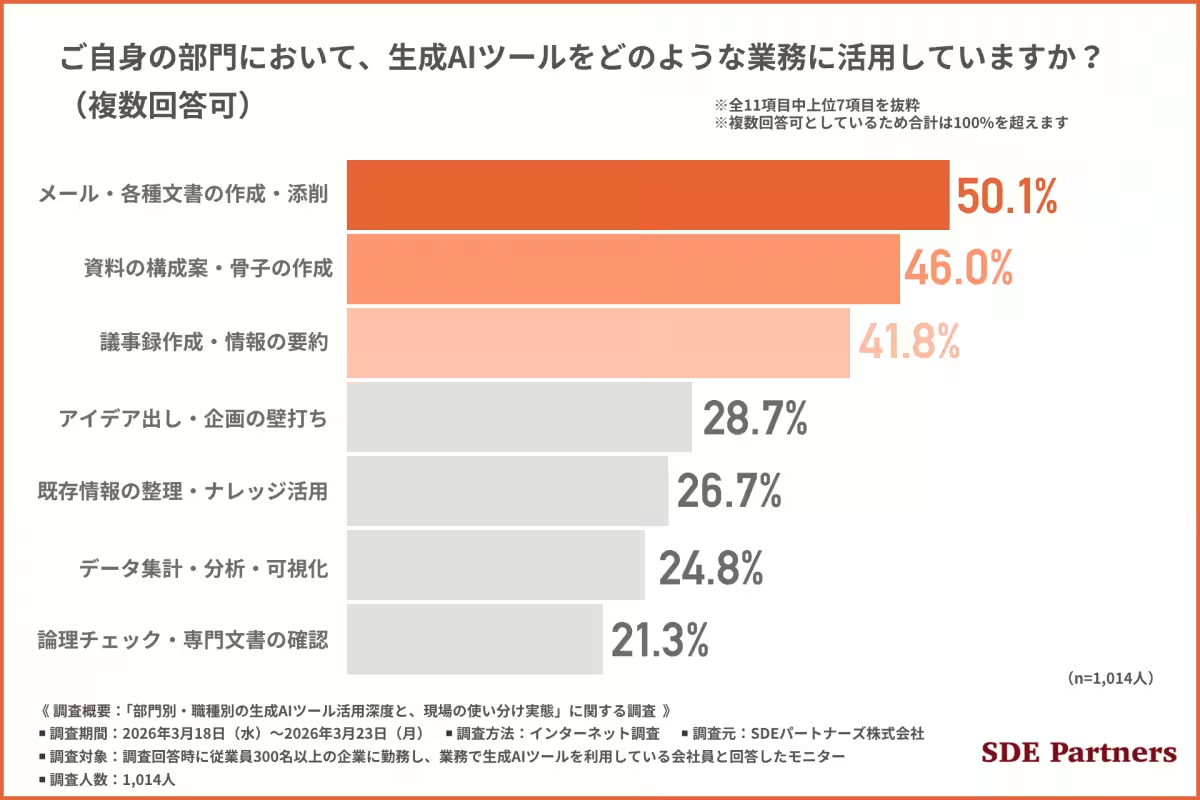
- - Common Uses: Creating and editing documents, organizing material, and generating meeting notes were the top three applications, suggesting that AI tools primarily serve to enhance personal productivity.
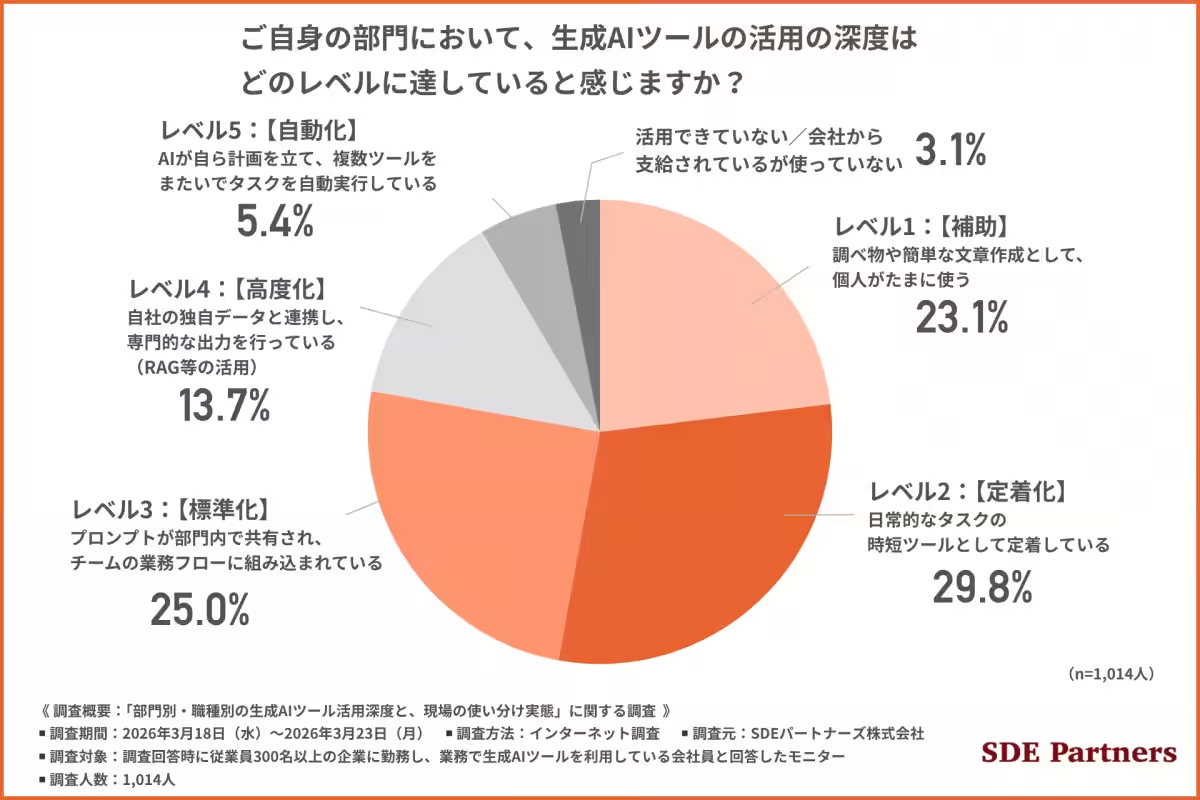
- - Adaptation Levels: A scoring system revealed that many users are either using AI as a supplementary tool (Level 1) or have integrated it into workflows (Level 3 and beyond), indicating a divide in how deeply these tools are embedded in organizational practices.
Limitations of Standard Tools
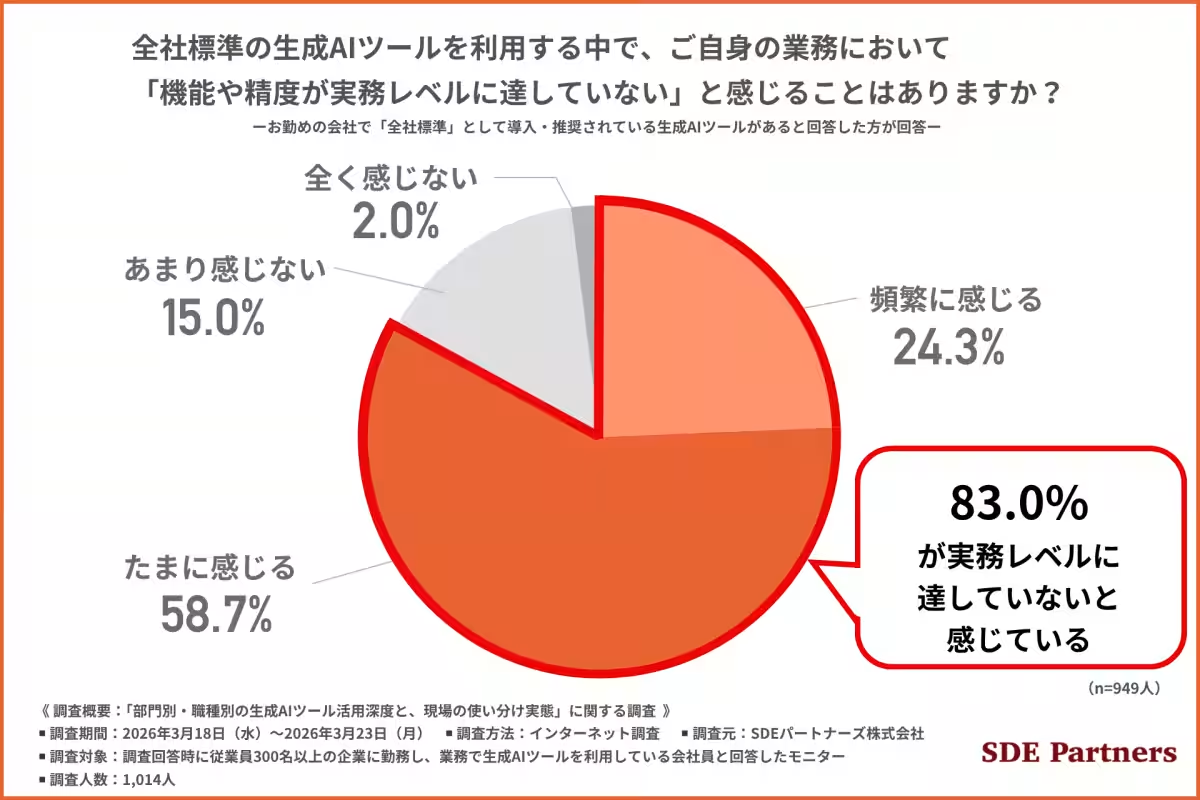
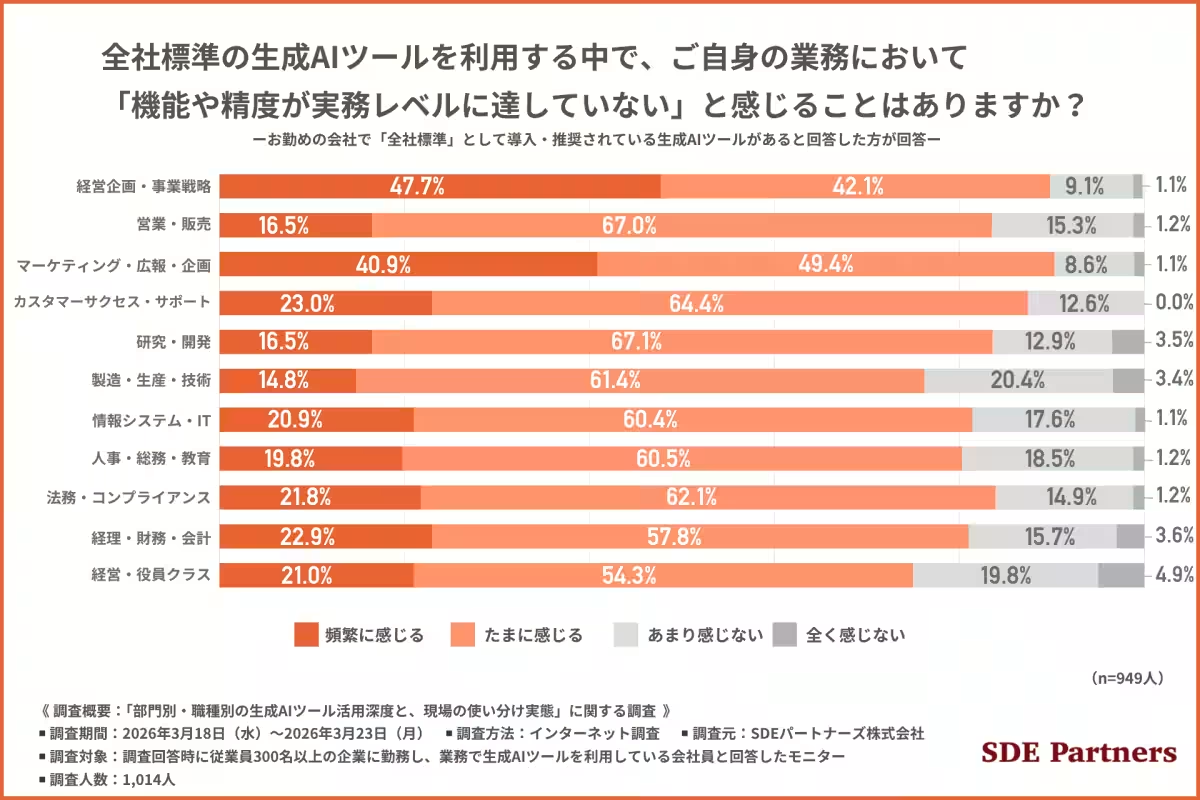
A key aspect of the survey thought-provokingly captured the feelings of users who believe that the standard tools often fall short of meeting their operational expectations. When asked if they regularly encounter issues with functionality, an alarming 83% responded affirmatively. This dissatisfaction signifies a need for organizations to reassess their infrastructure decisions surrounding AI.
Reasons for Parallel Tool Usage
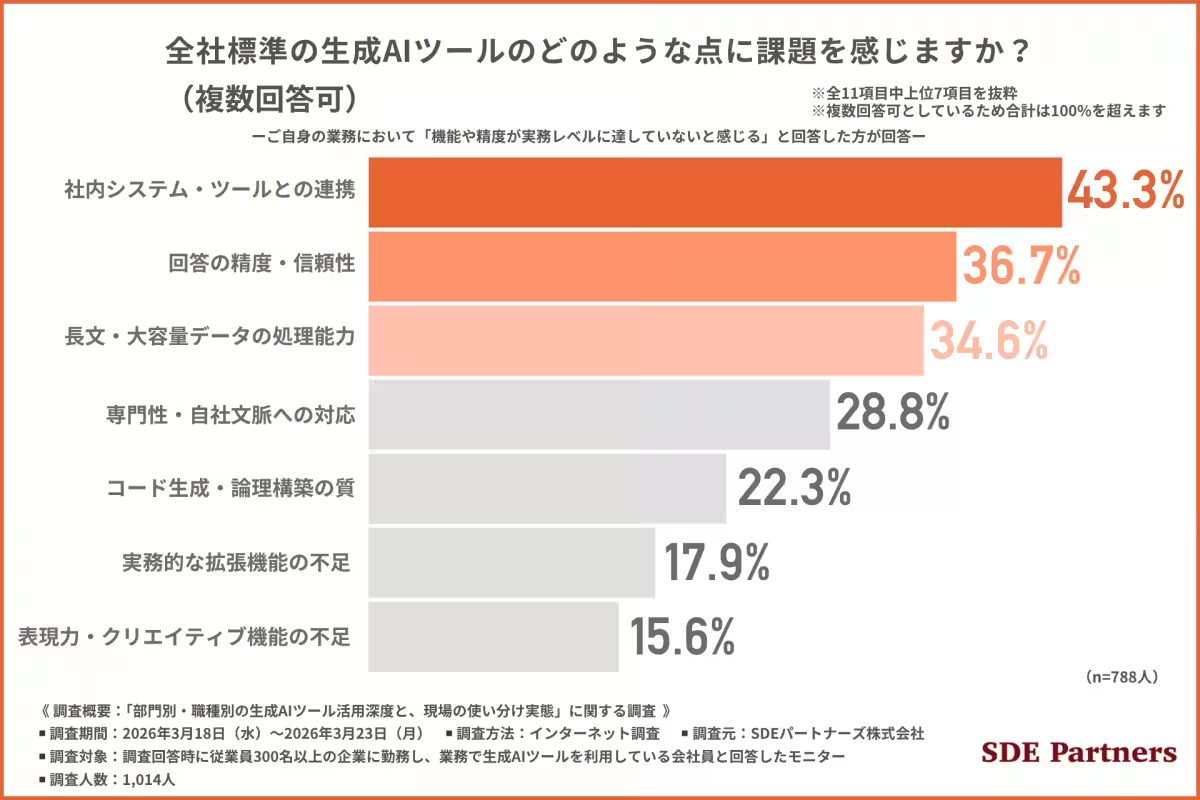
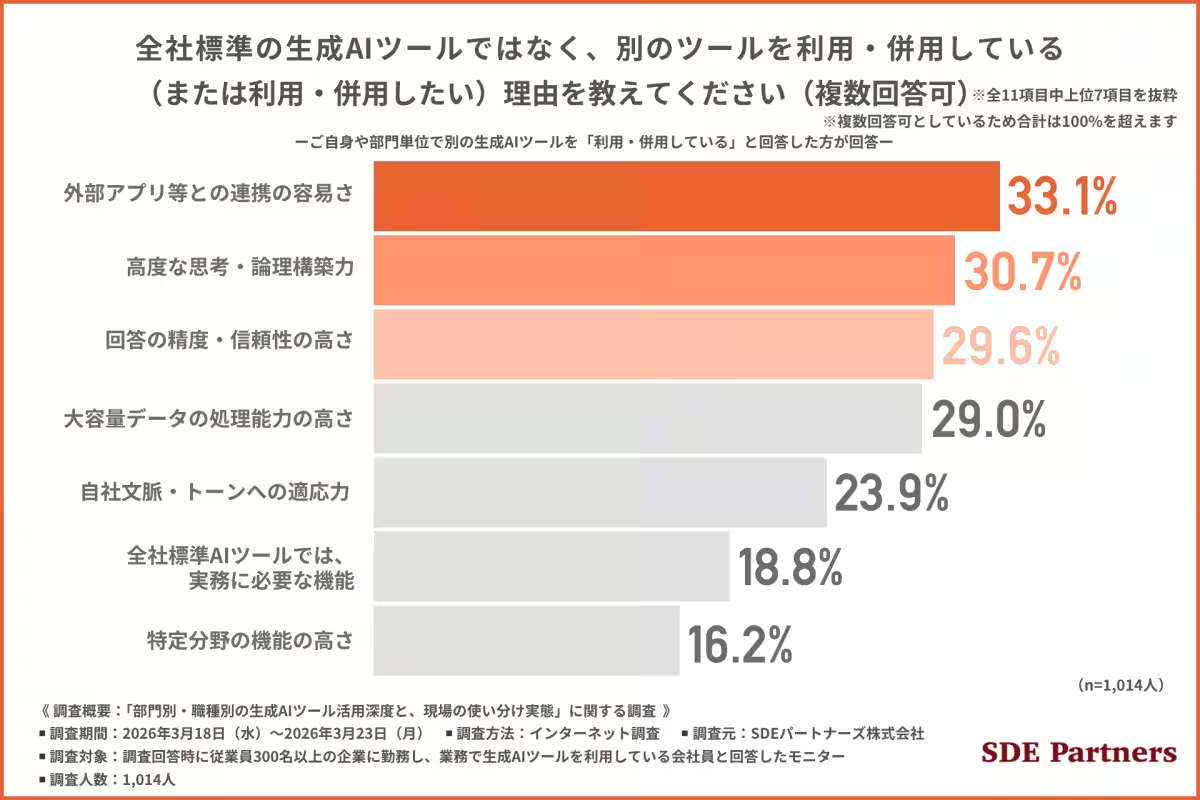
The study found that employees are turning to alternative AI tools due to the perceived lack of precision, flexibility, and integration with internal systems by standard tools. The high rate of parallel tool usage (over 70%) reflects a shift towards a more user-centered approach where achieving results outweighs adherence to company policies.
Identifying Root Causes of Organizational Bottlenecks
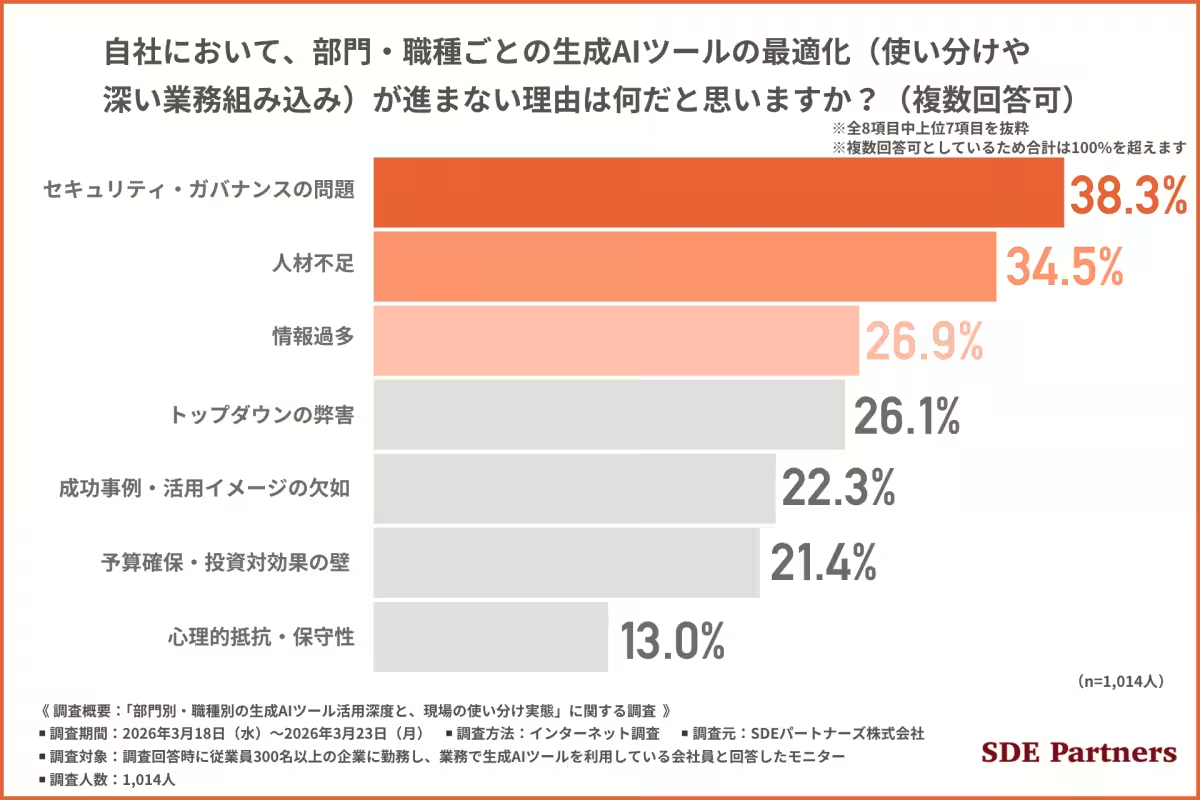
Numerous factors contribute to the inefficacy of AI tool usage, including security concerns, a lack of specialized personnel, and challenges stemming from top-down administrative styles. Notably, the limitations faced by standard tools are entangled with overarching organizational structures that hinder adaptive utilization.
Recommendations for Future Optimization
Going forward, companies need to embrace two primary strategies to enhance the effective use of generative AI tools:
1. Customized Tool Optimization: Organizations must tailor AI tools to specific job functions and requirements, ensuring that employees have access to the most effective tools for their unique challenges.
2. Maximizing Existing Tool Potential: Companies should invest in training and maximizing the use of existing standardized AI tools instead of simply treating them as licensing products. This involves empowering employees to make the most of these tools through targeted training that aligns with their work needs.
Conclusion
The findings from SDE Partners underline a vital tipping point in corporate AI tool usage, marking the difference between infrastructure adoption and actual utility in business workflows. As organizations contemplate the future of AI utilization, fostering an environment that prioritizes user needs and contextual capabilities will become increasingly critical.
For more insights and tailored consulting services related to the effective use of AI tools in business, SDE Partners is positioned as a capable ally in helping organizations navigate this transformative landscape.
About SDE Partners
SDE Partners is a professional firm committed to supporting businesses from strategy formulation to execution. We focus on optimizing AI utilization and enhancing corporate governance structures. Explore our services and further details on our website.

Topics Business Technology)
【About Using Articles】
You can freely use the title and article content by linking to the page where the article is posted.
※ Images cannot be used.
【About Links】
Links are free to use.