




The Surprising Truth About Metabolism and Summer: Myths and Realities
Understanding Metabolism in Summer: Myths vs. Reality
Introduction
As temperatures rise, many people are eager to shed a few pounds and achieve that ideal summer body. However, surprisingly, a recent survey conducted by Danone Japan indicated that a significant misconception persists among the population regarding metabolism during the hot months. Approximately 60% of the respondents believed that metabolism increases during summer, mainly based on the presumption that sweating equates to higher metabolic rates. This article delves into these findings and discusses the real relationship between season, sweating, and metabolism.
The Survey Findings
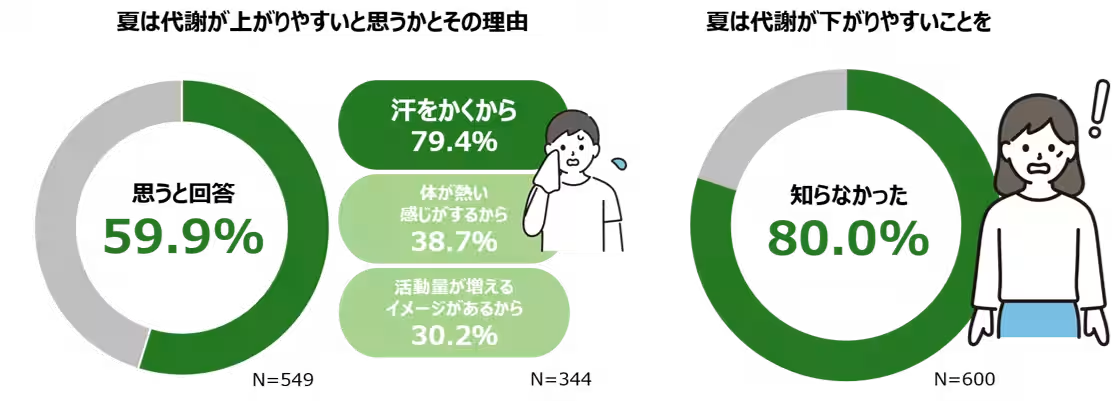
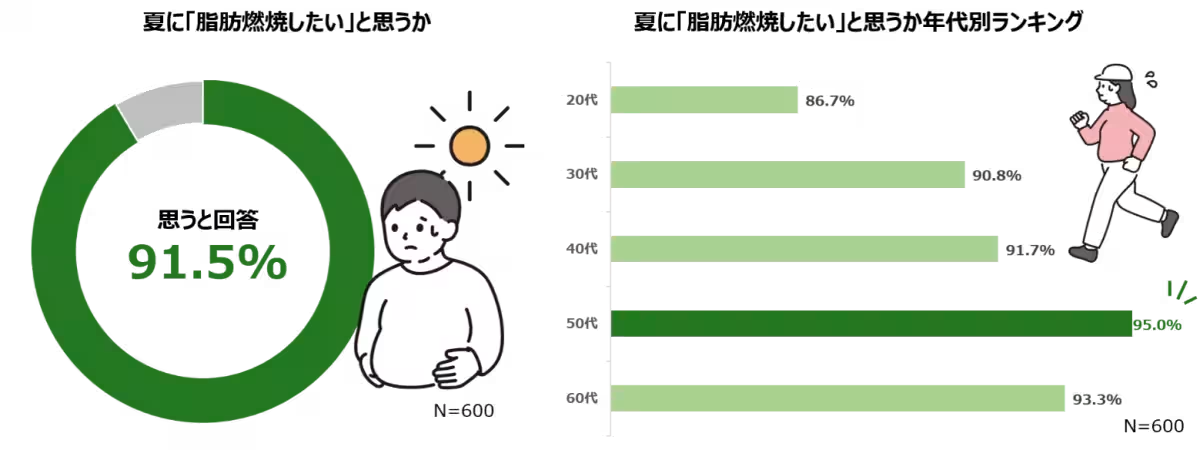
Danone Japan, situated in Meguro, Tokyo, recently surveyed 600 individuals aged between 20 and 60 across the country. Over 90% expressed their desire to lose weight or burn fat in summer. However, around 59.9% were under the impression that their metabolism naturally accelerates during this time. Notably, about 79.4% attributed this belief to the act of sweating itself.
Dr. Takahiko Imamura, a physician certified by the Japan Society of Internal Medicine and a specialist in digestive endoscopy, addressed the misunderstanding. He highlighted that while sweating can trick individuals into thinking they are effectively burning fat, the truth is more nuanced. The heat of summer often results in fluid loss from the body, which can impact overall metabolism rather than boost it.
The Misconception of Sweating and Metabolism
Why do so many people mistakenly think that sweating indicates a boosted metabolism? Dr. Imamura points out that during hot weather, the body doesn't need to produce additional heat, resulting in a decrease in resting energy expenditure. Consequently, energy metabolism can actually decline. Although people may feel like they are burning fat due to profuse sweating, most of the loss is simply due to dehydration.
Approximately 80% of the survey's respondents were unaware of the potential decrease in metabolism during summer, shedding light on a significant knowledge gap in the general public's understanding of metabolic processes.
The Role of Gut Health in Summer
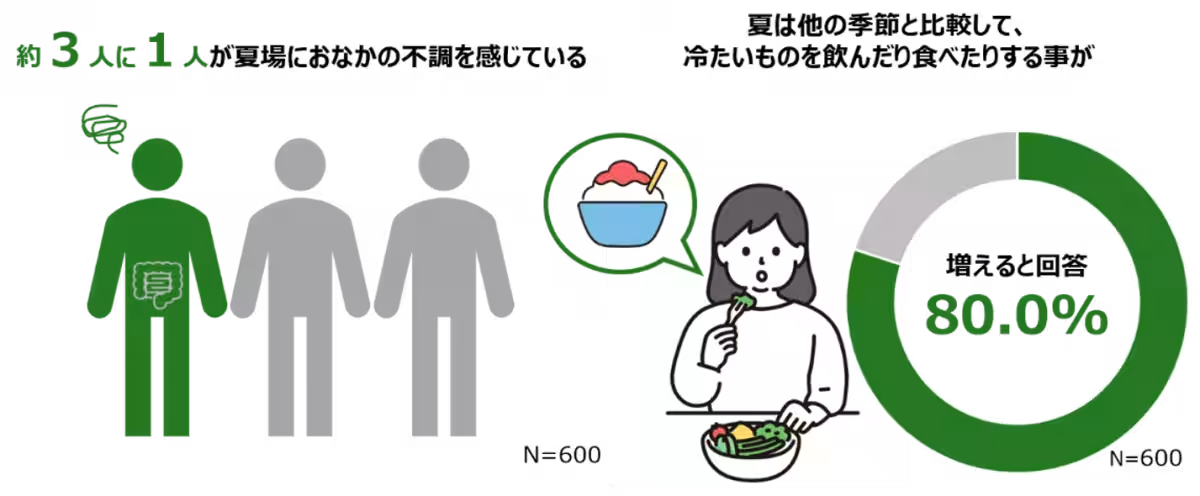
Interestingly, research suggests that summer eating habits can complicate metabolic efficiency due to increased strain on the digestive system. The survey revealed that one in three participants experienced digestive issues during summer. The main contributing factor to these problems appeared to be an overindulgence in cold foods and beverages, as cited by 54.3% of respondents.
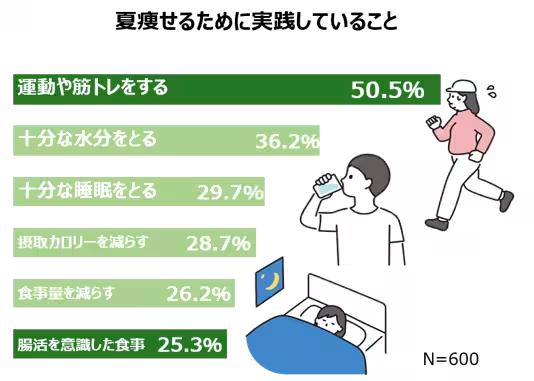
Despite the rising number of individuals aware of summer-related digestive discomfort, only 25.3% actively engaged in gut health efforts, or “gut activities.” This highlights a significant gap between acknowledging gut issues and taking actionable steps to improve gut health.
Dr. Imamura emphasizes that enhancing the gut with beneficial bacteria is crucial for improving energy metabolism. In summer months, embedding healthy habits into one’s diet becomes even more important due to potential digestive disturbances stemming from excessive cold food consumption.
Recommendations for Improved Metabolism and Gut Health
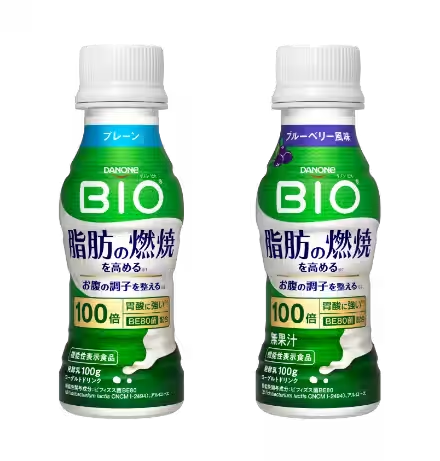
To effectively manage metabolism during summer, individuals are encouraged to consider enhancing their gut environment. Dr. Imamura recommends incorporating fermented foods, such as yogurt, miso, and kimchi, which are known for their beneficial bacteria. Furthermore, obtaining adequate dietary fiber from foods like seaweed, mushrooms, and bananas is essential for the health of gut microbiota.
For practical application, he suggests a daily intake of 100-200g of yogurt or one pack (approx. 40-50g) of natto. The recommended fiber intake stands at 18g for adult women and 21g for men, yet many fail to meet these guidelines, averaging merely 3-6g. Incorporating a handful of seaweed or mushrooms into each meal serves as an effective strategy to bridge this gap.
Additionally, maintaining physical activity is vital during hot weather. The concept of Non-Exercise Activity Thermogenesis (NEAT)—energy expended during daily activities excluding formal exercise—plays an integral role in fat burning. Given how heat might discourage outdoor activities, finding ways to integrate movement into daily routines can support metabolic processes over the summer.
Conclusion
Summer is indeed a season full of opportunities for weight loss, yet it brings its own unique challenges. Understanding the true relationship between sweating, metabolism, and gut health is fundamental for individuals aiming to achieve their weight-loss objectives during these warm months. Striving for a balanced diet and acknowledging the body's needs can lead to sustained health and weight management.
With consistent efforts towards both gut health and active living, a happier and healthier summer can be achieved for all.


Topics Health)
【About Using Articles】
You can freely use the title and article content by linking to the page where the article is posted.
※ Images cannot be used.
【About Links】
Links are free to use.