




Trends and Meanings of White Day Gifts in Japan for 2026
Overview of the White Day Action Trend Research 2026
In Tokyo, Japan, the serious dating application Yoitoki has released its "White Day Action Trend Report for 2026". This report analyzes consumption trends and romantic awareness among single men and women aged 25 to 34 across Japan.
In Japan, the tradition of Valentine's Day involves women giving chocolates and gifts, followed by men reciprocating on White Day. However, recent trends show significant changes in perceptions of White Day.
Key Insights from the Research
1. Planning for White Day Gifts
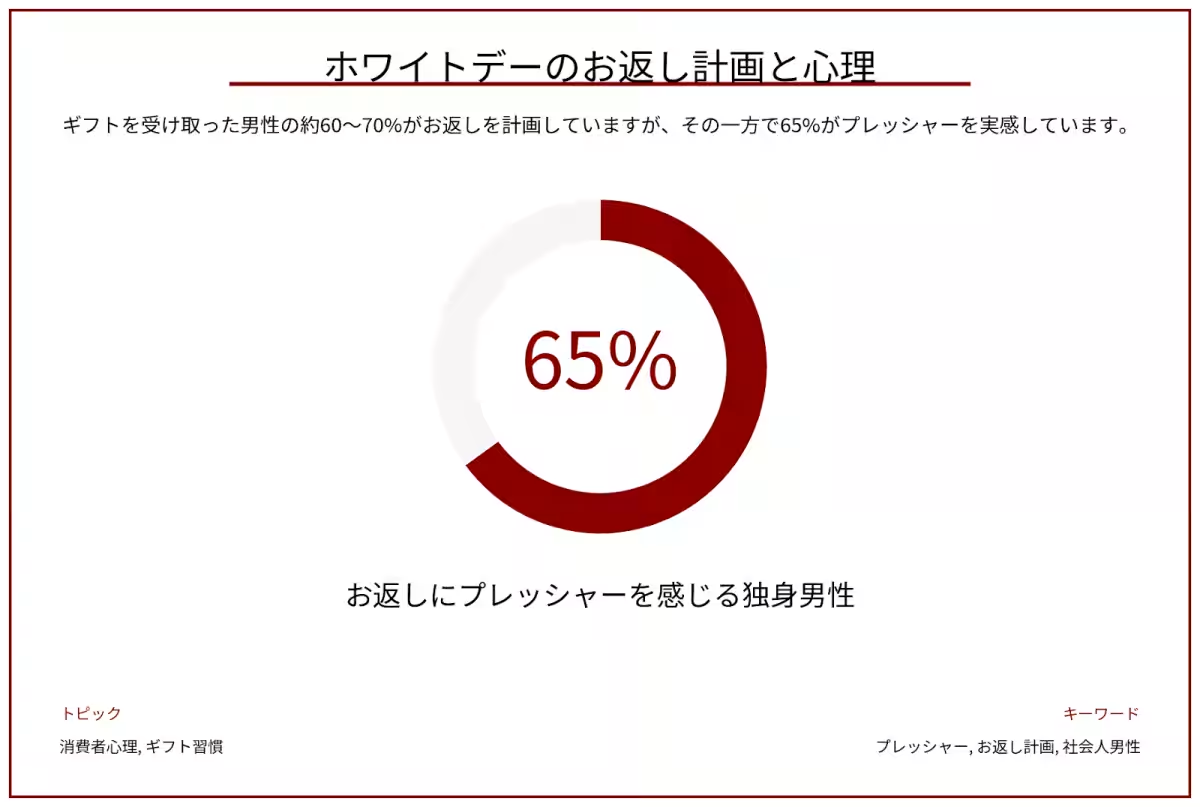
Approximately 60-70% of men surveyed plan to give gifts on White Day. According to domestic consumer studies by Intage and Macromill, about two-thirds of men who received gifts on Valentine's Day intend to reciprocate. However, 65% of single men reported feeling pressure regarding these gifts.
Notable concerns include:
- - Uncertainty about the appropriate price range for gifts
- - Curiosity about the meanings of their presents
- - Stress regarding how to convey their relationship status
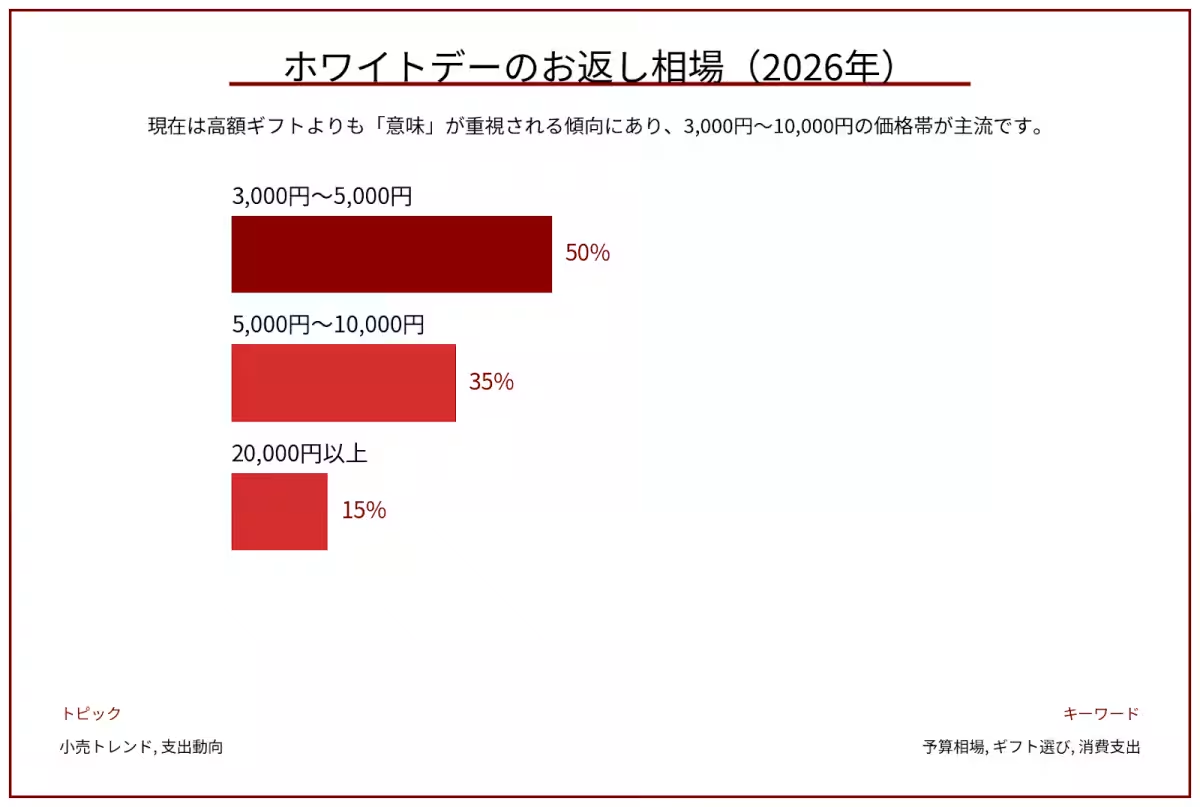
2. Common Price Range for Gifts: 3,000 to 10,000 Yen
Retail industry data suggests that the typical price range for White Day gifts is as follows:
- - 3,000 to 5,000 Yen (the most common)
- - 5,000 to 10,000 Yen
- - Over 20,000 Yen (less common)
The trend towards high-end gifts seen before the pandemic has stabilized, leading to an increased emphasis on the meaning behind gifts rather than their price. This shift indicates a growing preference for expressing sincerity and heartfelt intentions through presents.
3. Importance of Sincerity Over Price for Women
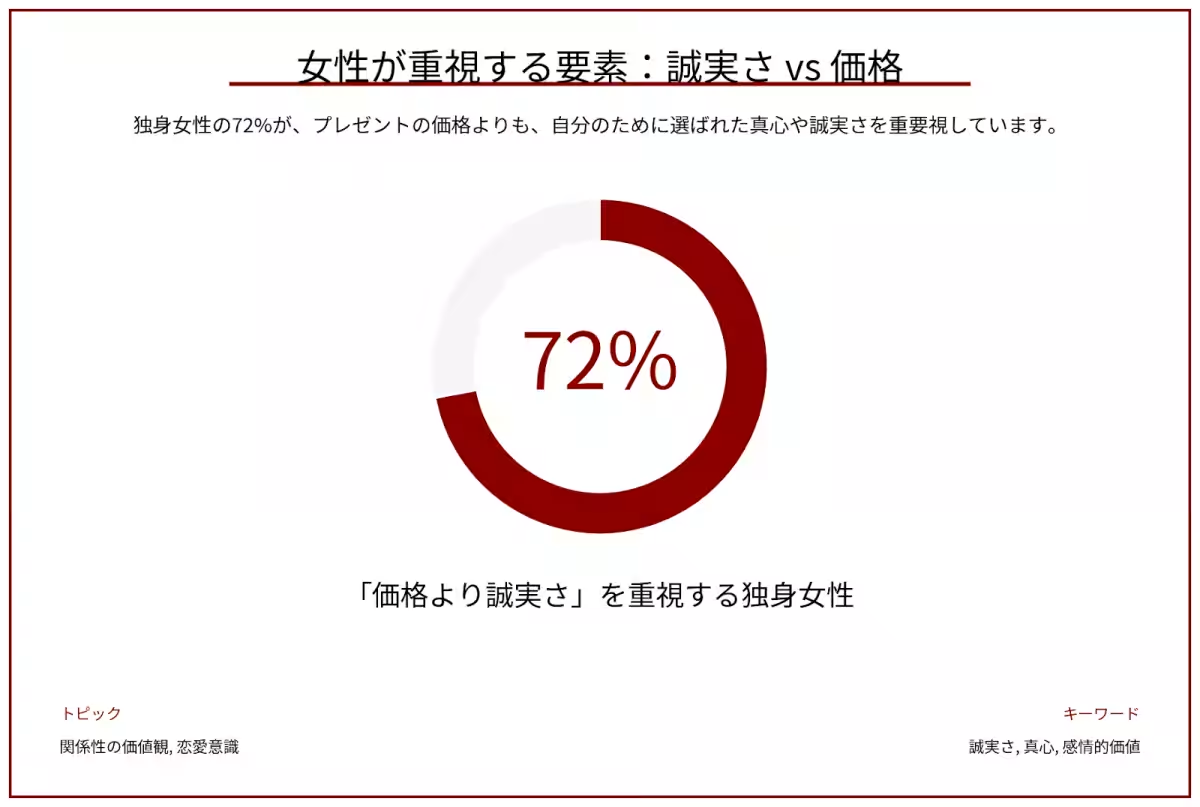
Approximately 72% of single women prioritize sincerity over price when it comes to gifts. Key aspects that enhance the meaning of the gift include:
- - The gift being thoughtfully chosen for them
- - Including a personal message
- - Gifting during a natural moment
- - Handing the gift in person
Thus, the signs of appreciation women perceive during White Day revolve around messages of affection, seriousness, and confirmation of their relationship.
4. Recognition of White Day as an Opportunity to Express Affection
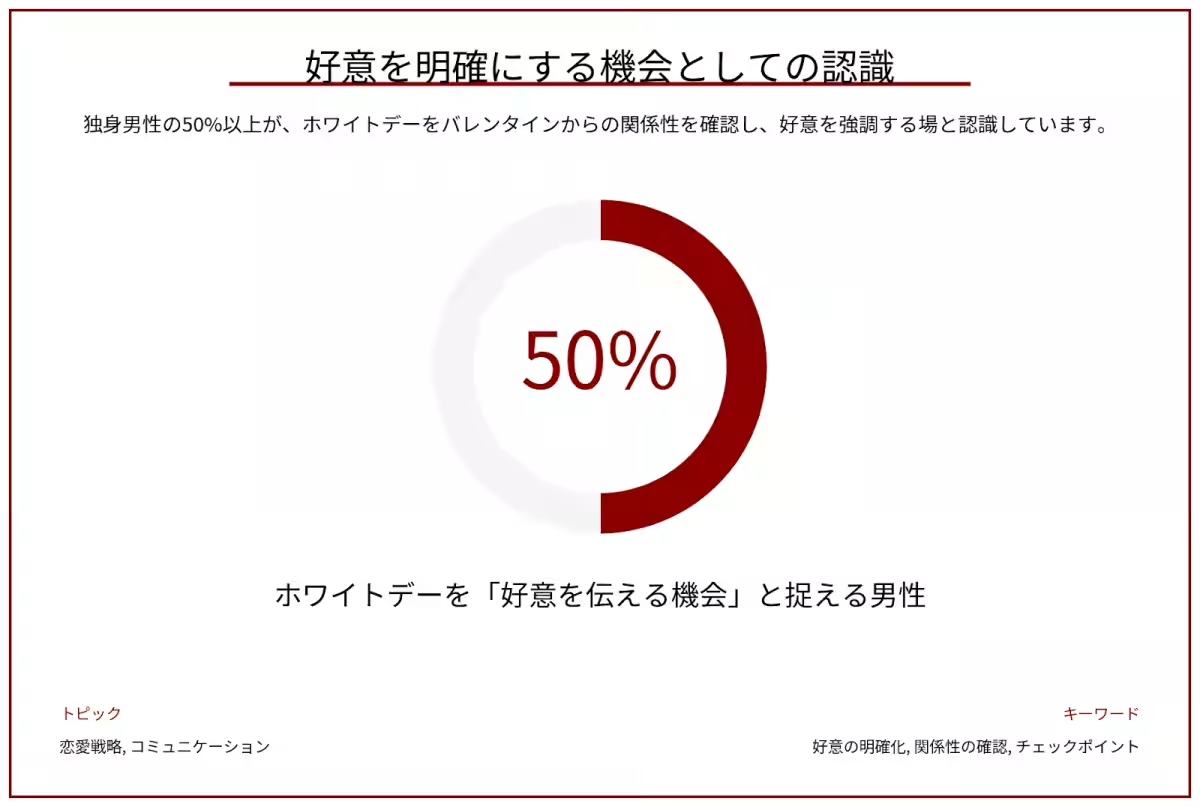
More than 50% of single men view White Day as a chance to express their feelings. Increasing searches for terms like "White Day confession" and "how to distinguish a serious gift" reflect this sentiment. The psychological structure appears to follow a trajectory:
- - Valentine's Day leads to initial expressions of affection
- - White Day serves to confirm the relationship.
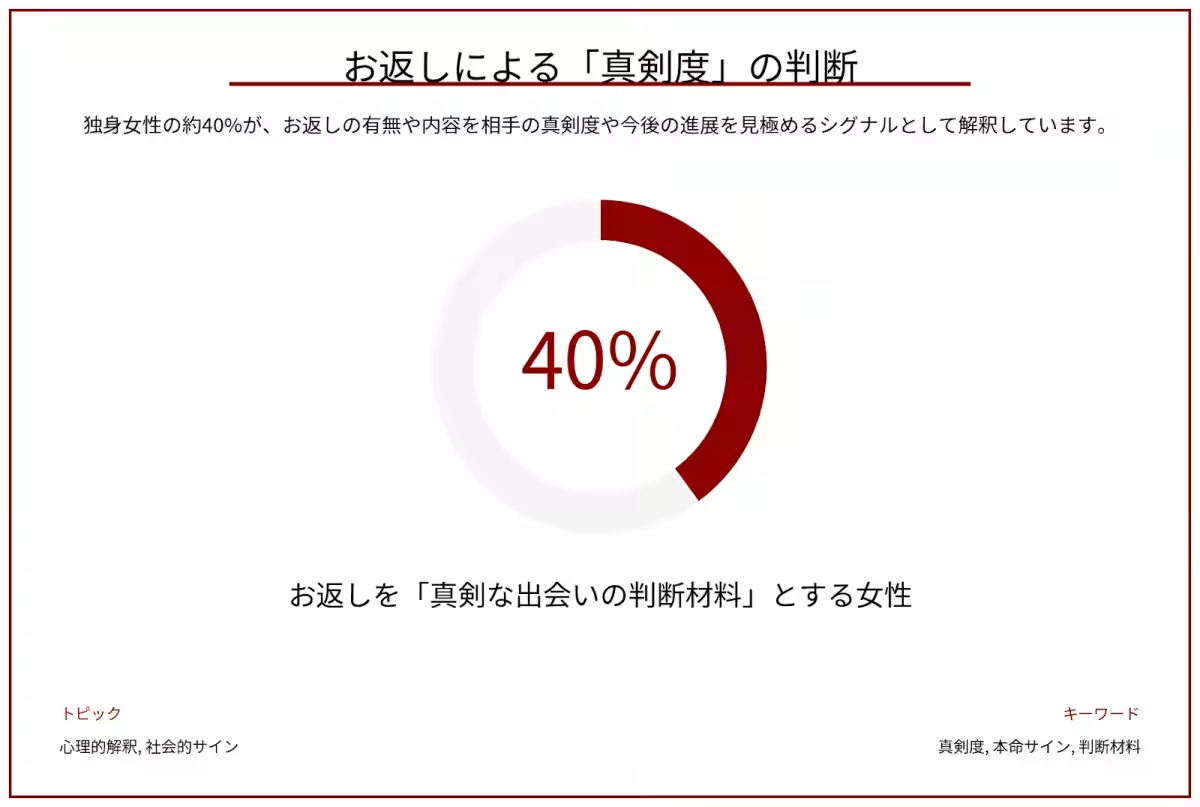
5. A Measure of Serious Intent for 40% of Women
Around 40% of women consider the gifts received on White Day as criteria to assess the seriousness of a potential relationship. Common indicators of serious intent noted include invitations for dinner dates, face-to-face gifting, and handwritten messages. Thus, White Day serves as an essential event in identifying the progression toward serious relationships rather than merely an exchange of gifts.
Cultural Shift: From Obligatory Gifts to a Culture of Sincerity
Recent trends indicate a decrease in workplace obligatory gifts (known as ‘giri-choco’) and a stabilizing gift budget, reflecting a shift towards valuing sincerity and heartfelt intentions over social obligations. White Day has evolved from a social duty into a signal for relationship status.
Upcoming White Day Plans
According to a survey among people in their 20s and 30s:
- - 30-40% have no specific plans
- - 60-70% of men who received gifts intend to reciprocate
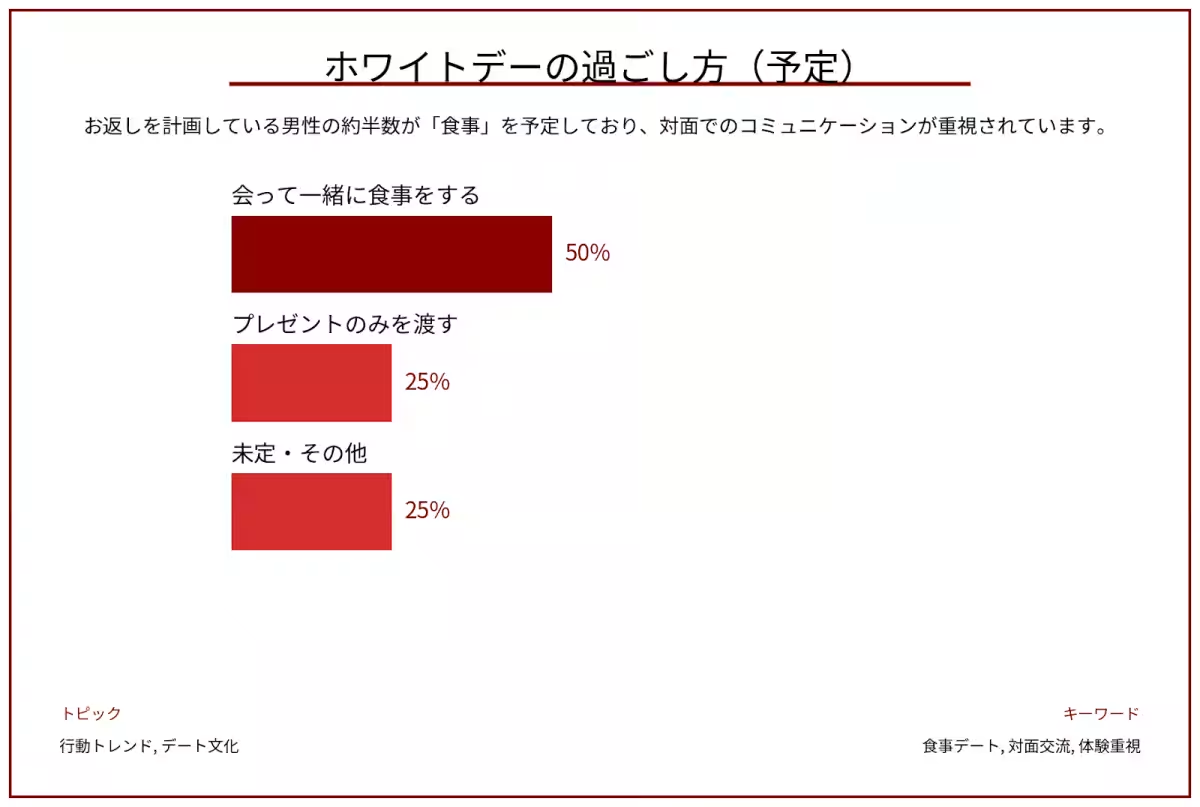
Participants currently involved in relationships tend to have a higher likelihood of engaging in White Day, with preferred methods for gifting as follows:
- - 45-55% plan to meet for dinner
- - 20-30% will give gifts only
- - About 15% are undecided
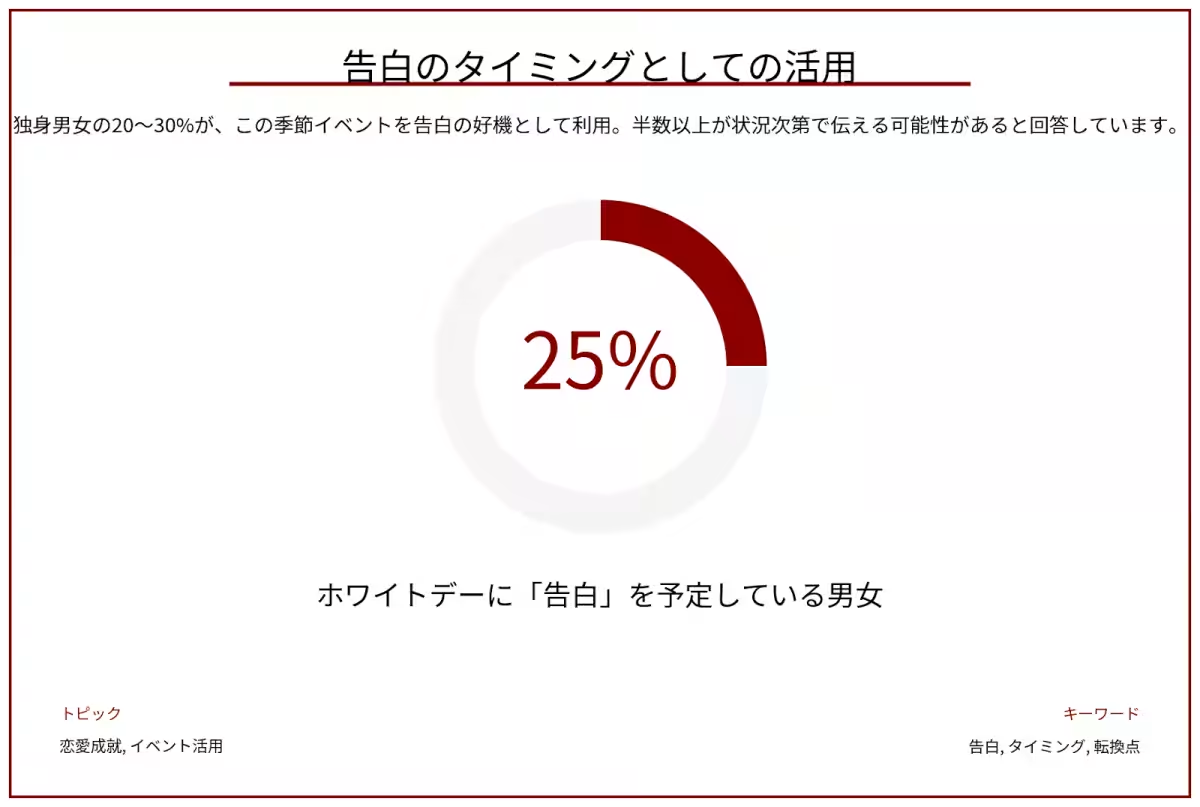
Moreover, the willingness to convey feelings on White Day indicates a crucial check-point in romantic intentions, with about 20-30% intending to confess their feelings. More than 50% remain conditional about their plans, while a small minority have no intentions altogether.
Importance of the Survey
This research underscores crucial insights into modern dating culture, shaped by ambiguous intentions, and lack of clarity about others' seriousness. White Day provides individuals an opportunity to demonstrate intentions, sincerity, and clarify relationships, marking a vital psychological turning point.
Research Summary
- - Theme: Plans and romantic intentions for White Day among single individuals
- - Target Group: Single men and women aged 25-34
- - Location: Nationwide in Japan
- - Data Sources: Intage, Macromill, Department Store Association, Retail Surveys, etc.
- - Analysis Period: 2024-2026
- - Conducted by: Yoitoki Research & Insights
About Yoitoki
Yoitoki is a sincere dating app tailored for professionals aiming for serious relationships. It features AI compatibility analysis, pre-matching for dating expectations, privacy-first design, and a structured introduction logic aimed at meaningful connections over mere dating.
Media Contact
For media inquiries, please contact:
Yoitoki Public Relations
Email: [email protected]

Topics People & Culture)


【About Using Articles】
You can freely use the title and article content by linking to the page where the article is posted.
※ Images cannot be used.
【About Links】
Links are free to use.