



Exploring the Sleep Gap: Current and Ideal Sleep Hours in Japan
Understanding the Sleep Gap in Japan
Recent research conducted by Cross Marketing, a Tokyo-based company, examined the sleep habits of 3,000 men and women aged 20 to 69 across all 47 prefectures in Japan. The study aimed to shed light on the discrepancies between current and ideal sleep duration, focusing on specific sleep-related issues experienced by different demographics.
Current vs. Ideal Sleep Hours
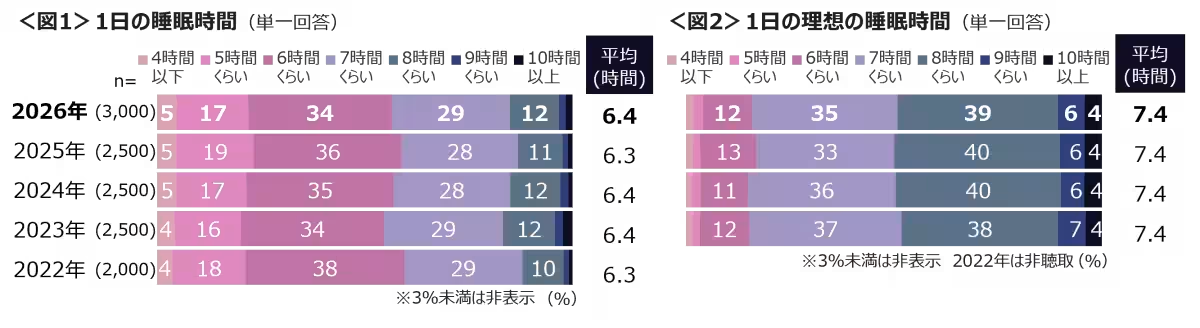
The survey indicates that people's actual sleeping hours have slightly increased compared to last year. Combined weekday and weekend sleep averages show that 34% of respondents report sleeping about 6 hours, while 29% sleep around 7 hours, with the average being approximately 6.4 hours. In contrast, the ideal sleep duration reflects a consistent desire for more rest, with 35% aiming for 7 hours and 39% desiring 8 hours, averaging at 7.4 hours. Thus, the gap between current and ideal sleep time stands at around 1 hour — a figure that has remained unchanged since 2023.
Sleep Quality and Common Concerns
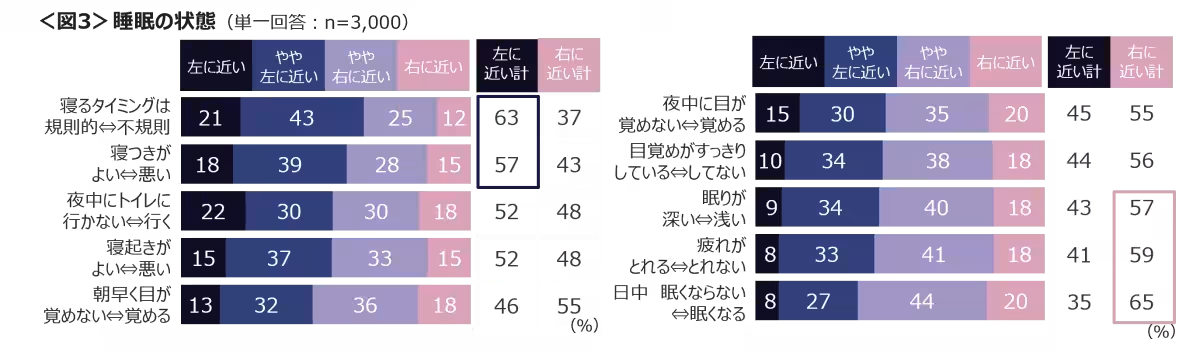
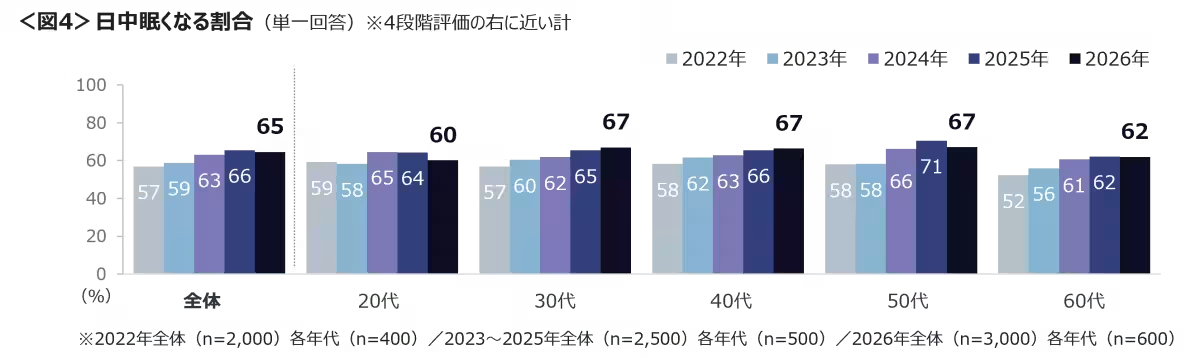
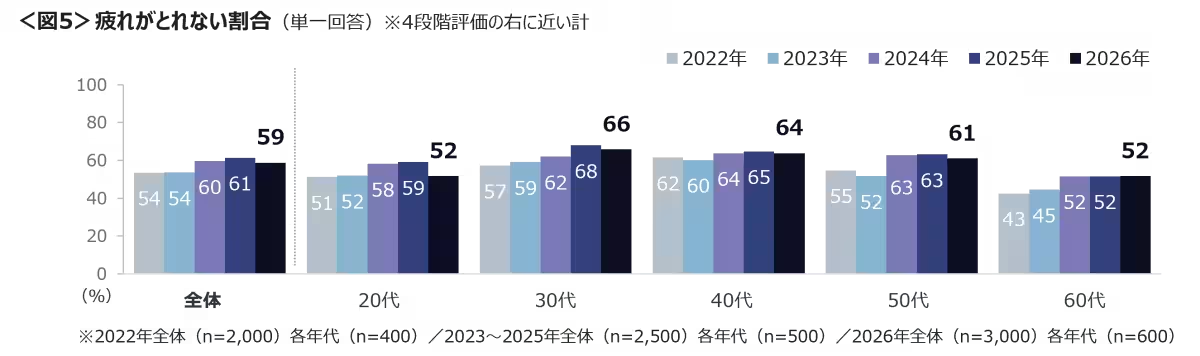
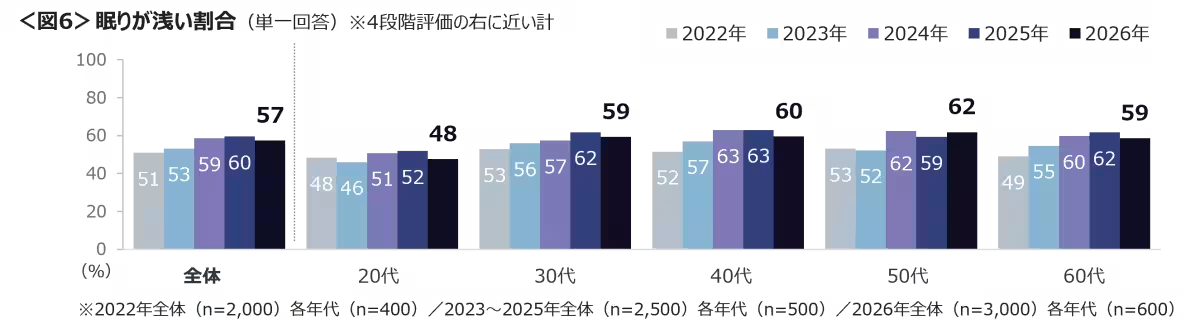
When analyzing sleep quality, the results reveal that while 63% of respondents claim to have a regular sleeping schedule and 57% report good ease of falling asleep, there are still significant concerns. Notably, 65% often feel sleepy during the day, 59% struggle to recover from fatigue, and 57% report shallow sleep.
Examining these issues by age group, it becomes apparent that daytime sleepiness is most common among individuals in their 30s and 40s, while feelings of fatigue are prevalent in 30 to 40-year-olds, and shallow sleep issues are particularly noted in those aged 50 and above. Alarmingly, there has been a continuing trend of increased daytime drowsiness among 30 to 40-year-olds since 2022.
Top Sleep-Related Issues
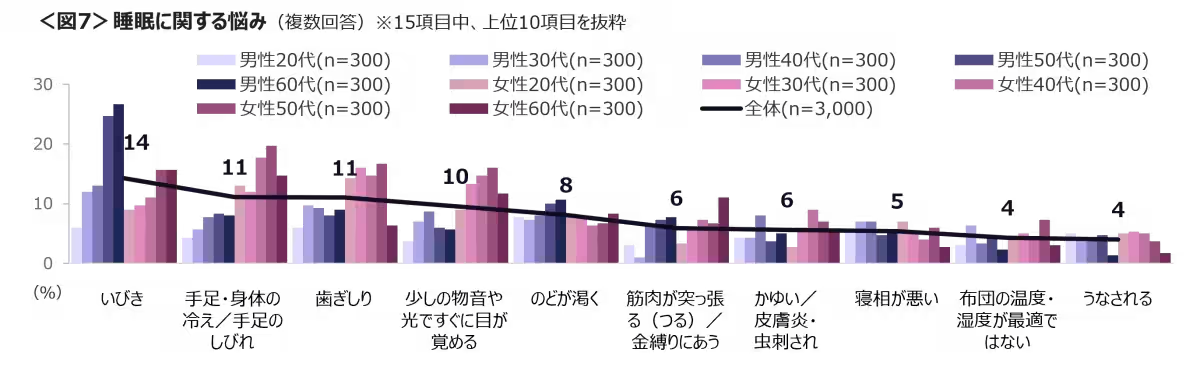
The survey highlights several medical and lifestyle challenges affecting sleep. The leading complaints include snoring, cold extremities, and teeth grinding. Men predominantly face issues with snoring, particularly those aged 50 to 60, while women, especially those aged 40 to 60, commonly report concerns about coldness and numbness. Teeth grinding, however, is notably more prevalent among younger women in their 20s to 50s.
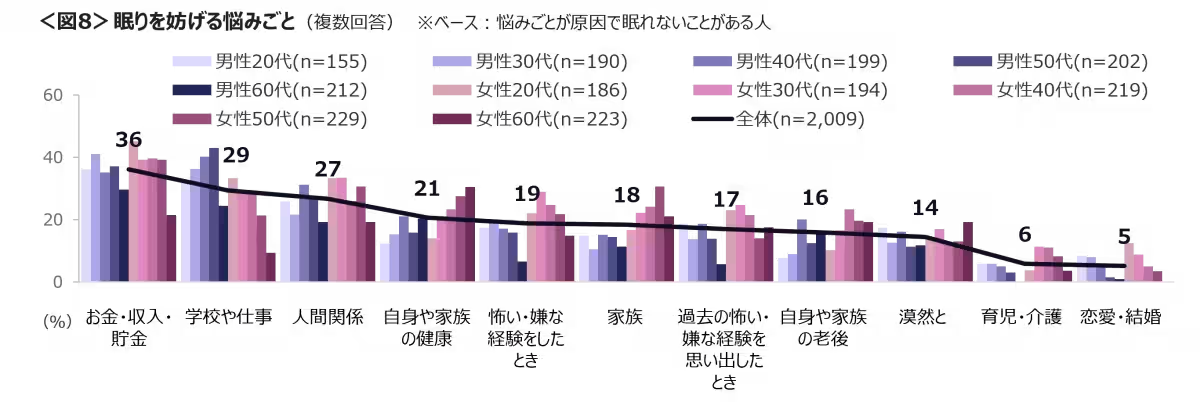
Additionally, the study found that common worries affecting sleep quality include financial concerns, educational or work pressures, and relationship issues. Interestingly, financial and relationship worries are more frequently reported by women, whereas concerns about work and school are more prominent among men.
Sleeping Attire Preferences
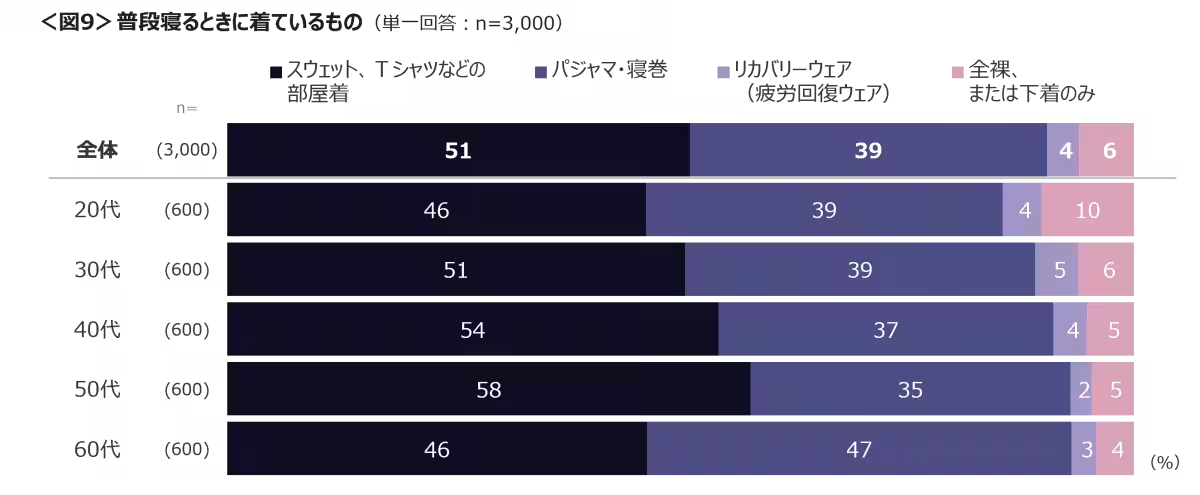
In terms of sleeping attire, 51% of participants reported wearing casual home clothes like sweatshirts or t-shirts to bed, while 39% opted for pajamas. Notably, only 4% reported wearing recovery wear, which gained attention in 2025, highlighting a distinct preference for more traditional nighttime clothing among the majority of respondents.
Conclusion
This comprehensive study from Cross Marketing illustrates a persistent sleep gap in Japan, emphasizing the need for improved awareness and strategies to address sleep quality. By understanding these trends and the demographic variances in sleep-related issues, there is potential to enhance overall health and wellbeing. For further insights and details, please refer to the complete report available on Cross Marketing's website.
Survey Details
Cross Marketing's study employed internet research methodologies, targeting residents across Japan, and included responses from 3,000 individuals collected over several years. For more data on the findings, or to explore potential action points to improve sleep and health, visit Cross Marketing Report.
Topics Health)
【About Using Articles】
You can freely use the title and article content by linking to the page where the article is posted.
※ Images cannot be used.
【About Links】
Links are free to use.