



Uncovering the Desire for Financial Education Among High Earners: A Study
Understanding Financial Education Demand
In an era where financial literacy is increasingly recognized as essential, 株の学校ドットコム, managed by Treasure Promote Co., Ltd., conducted a detailed survey involving 10,000 participants across Japan. This study aimed to uncover desires for financial education before entering the workforce, particularly focusing on the distinctions in awareness of financial matters among various income brackets and their engagement in stock investments.
Key Findings
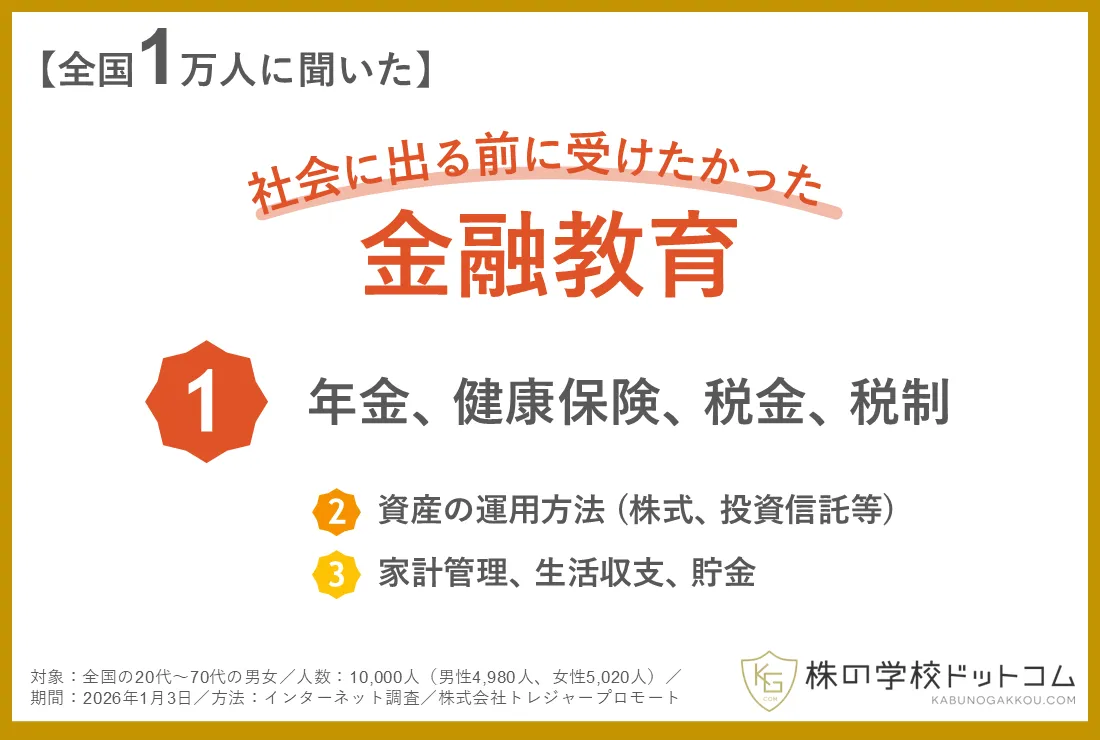
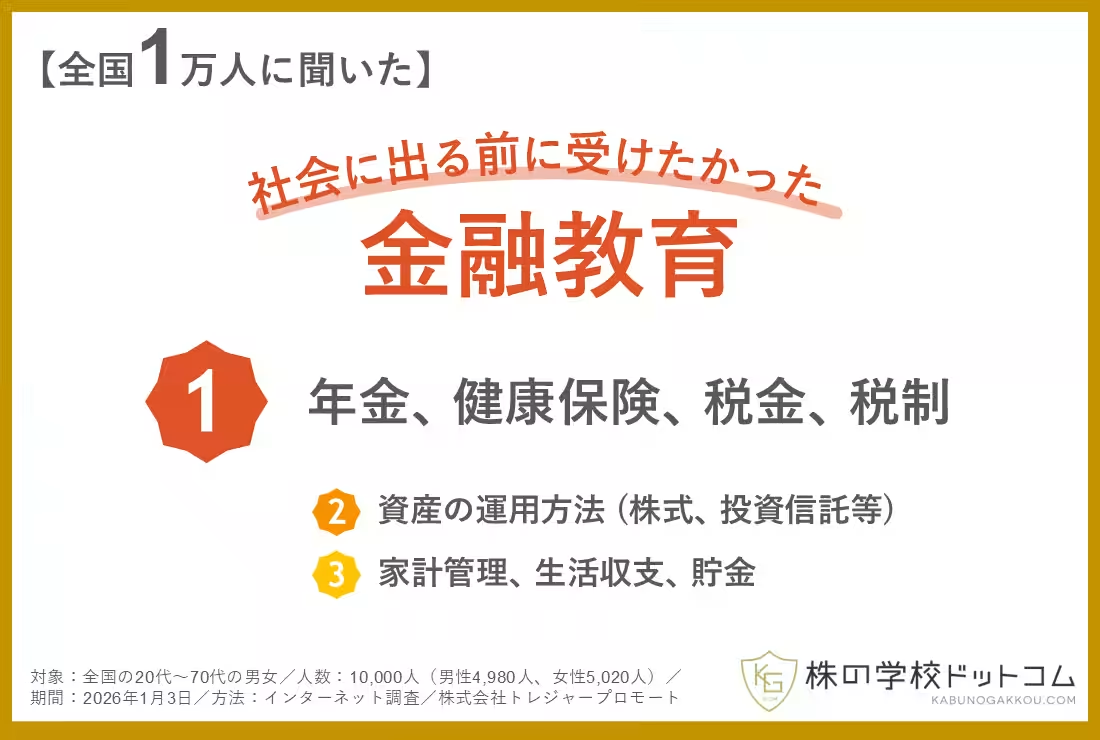
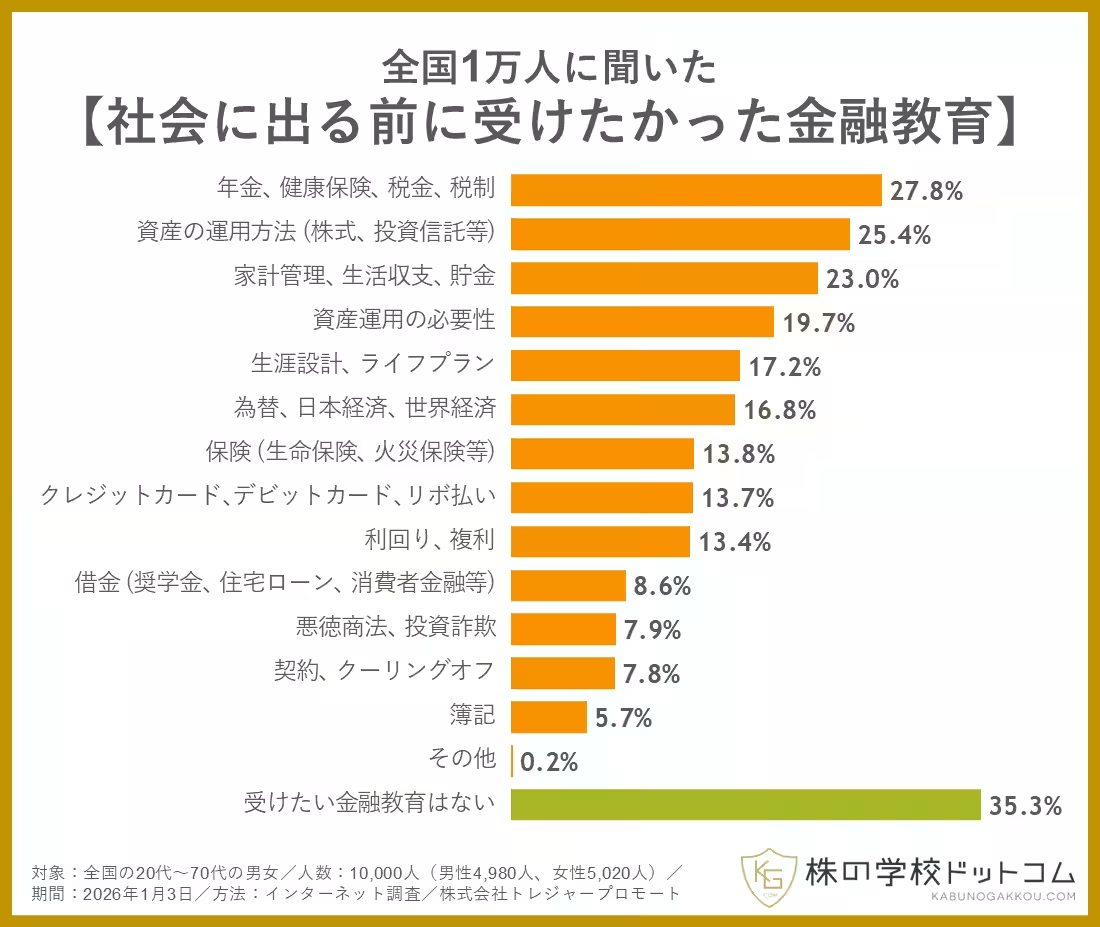
The findings indicated a clear preference among respondents for understanding aspects like pensions, health insurance, taxes, and tax systems, with 27.8% highlighting this need. Following closely, 25.4% expressed interest in asset management strategies, while 23.0% were inclined towards household budget management and savings. A notable trend emerged: over 35% of participants claimed they did not see a need for financial education, hinting at a significant gap in financial awareness, especially among specific demographics.
This disparity becomes more profound when considering responses sorted by engagement in stock market investments and household income levels. Those actively participating in stock investments exhibited a considerably higher interest in broader financial education, bolstering the hypothesis that financial engagement correlates with a more proactive approach toward education.
Detailed Responses
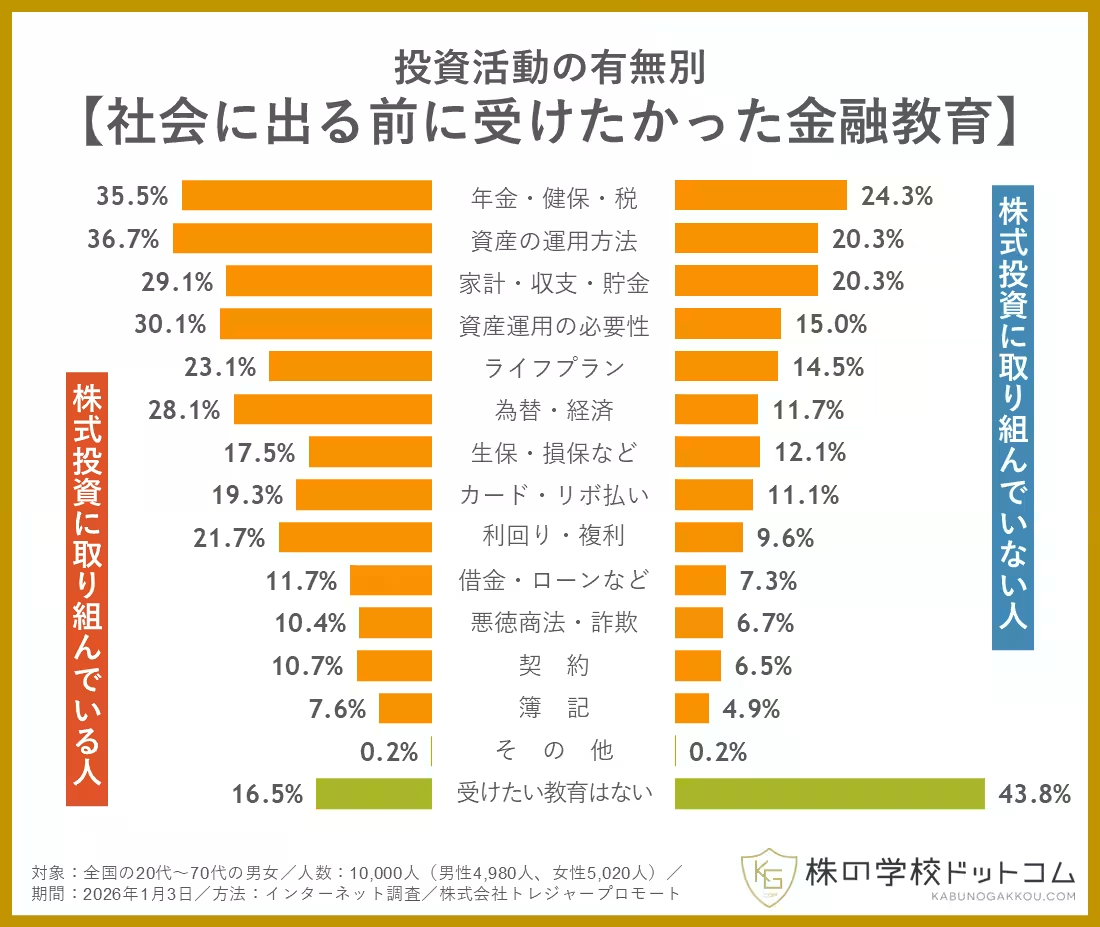
When breaking down the responses based on stock market engagement, a pronounced difference surfaced. Those investing in stocks reported a doubled interest in learning about topics such as economic indicators and methods of asset management compared to their non-investing counterparts. For instance, while asset management methods ranked second overall with 25.4%, it surged to over 36% among those engaged in investments.
Conversely, the percentage of those stating 'no desire for financial education' increased alarmingly among non-investors, reaching 43.8%. This stark difference illustrates a crucial divide, emphasizing the necessity of financial education in fostering informed investment decisions.
The Income Factor
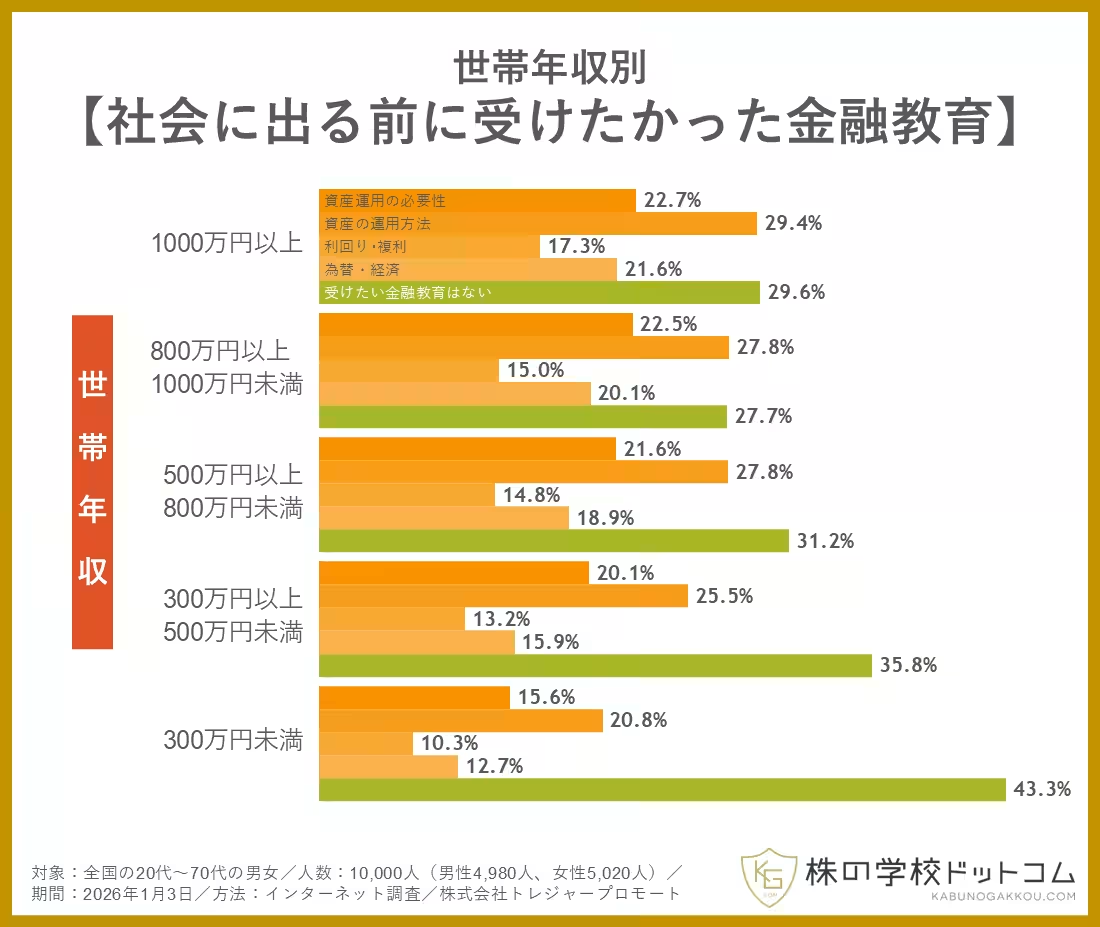
The correlation between household income and desire for financial education also became clear during analyses. Higher income levels typically aligned with increased desire for learning about essential financial topics. Participants earning more than 10 million yen reported lower instances of expressing no interest in financial education (29.6%) compared to those earning between 3 and 5 million yen (35.8%) and below 3 million yen (over 43%).
This leads to the understanding that financial education is perceived as less necessary among lower-income groups, representing not just an ideological gap but a significant educational opportunity left unaddressed.
The Road Ahead: Redefining Financial Literacy
The clear call for enhanced financial education, particularly focusing on pensions, taxation, and investment strategies, is significant given the current rise in individuals participating in asset management, facilitated by programs such as NISA. As educational institutions begin to incorporate financial literacy into curriculums, there is a crucial onus on organizations like 株の学校ドットコム to reshape public understanding about the importance of financial education.
Conducting surveys like this helps contextualize the ongoing conversation around financial literacy. As 株の学校ドットコム’s CEO and educator, Takashi Kubota stated, the goal remains to continue broadening access to relevant financial education, ensuring individuals—regardless of their background—can foster a better understanding of and engagement with their finances.
Investments in educational initiatives now boast a broader societal potential, urgently addressing the identified knowledge gaps. In doing so, not only can individuals fortify their financial futures, but society at large can benefit from a populace equipped with informed decision-making capabilities for both personal and public economic health.
By emphasizing the significance of financial education, 株の学校ドットコム aims to reach diverse demographics through innovative outreach and progressive learning modules, committed to transforming financial insecurity into informed stability.
For more detailed insights and historical data regarding this survey, please visit 株の学校ドットコム.
Topics Financial Services & Investing)
【About Using Articles】
You can freely use the title and article content by linking to the page where the article is posted.
※ Images cannot be used.
【About Links】
Links are free to use.