



Why Steel Stairs Are the New Trend in Home Design
Why Steel Stairs Are Gaining Popularity in Home Design
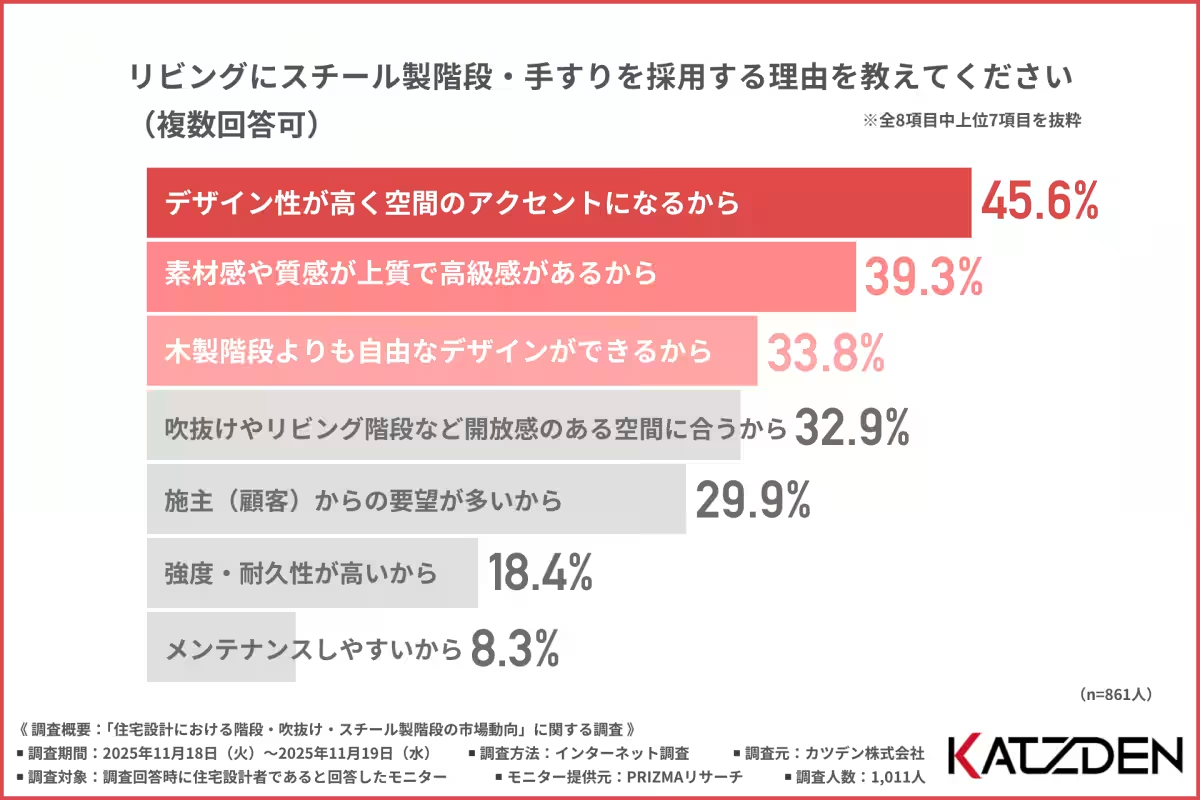
In modern architecture, stairs are transitioning from mere functional elements to pivotal design features that create a lasting impression within a home. A recent survey conducted by Katsuden Corporation, which included 1,011 residential designers, has revealed a significant uptick in the adoption of steel stairs as a staple of contemporary home design.
The Evolution of Stair Design
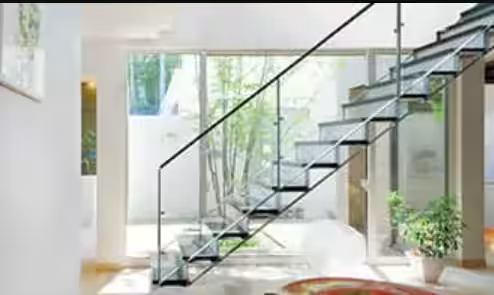
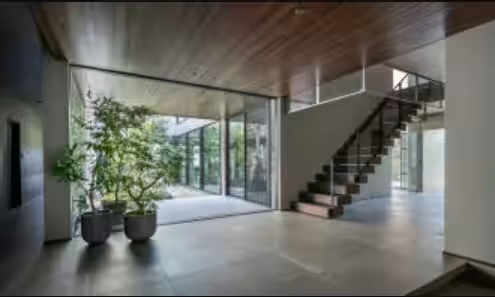
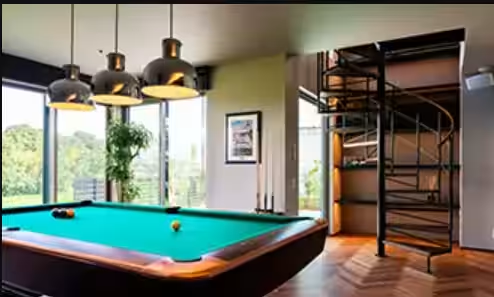
Traditionally, stairs served a purely functional purpose—enabling movement between different levels of a home. However, today they are seen as essential design components that enhance the overall aesthetic and spatial dynamics of residential interiors. Features such as open layouts and living room staircases have become highly sought after, propelling steel stairs into the spotlight due to their strength and artistic potential.
Survey Insights
Katsuden conducted an extensive survey focusing on market trends surrounding stairs, atriums, and steel staircases in residential design, gathering data from November 18 to 19, 2025. The results indicated that over 35.1% of homes recently built incorporated steel stairs, revealing that this material is no longer exclusive to luxury projects but has secured its place in regular housing design.
Digging deeper, the adoption trends among designers revealed:
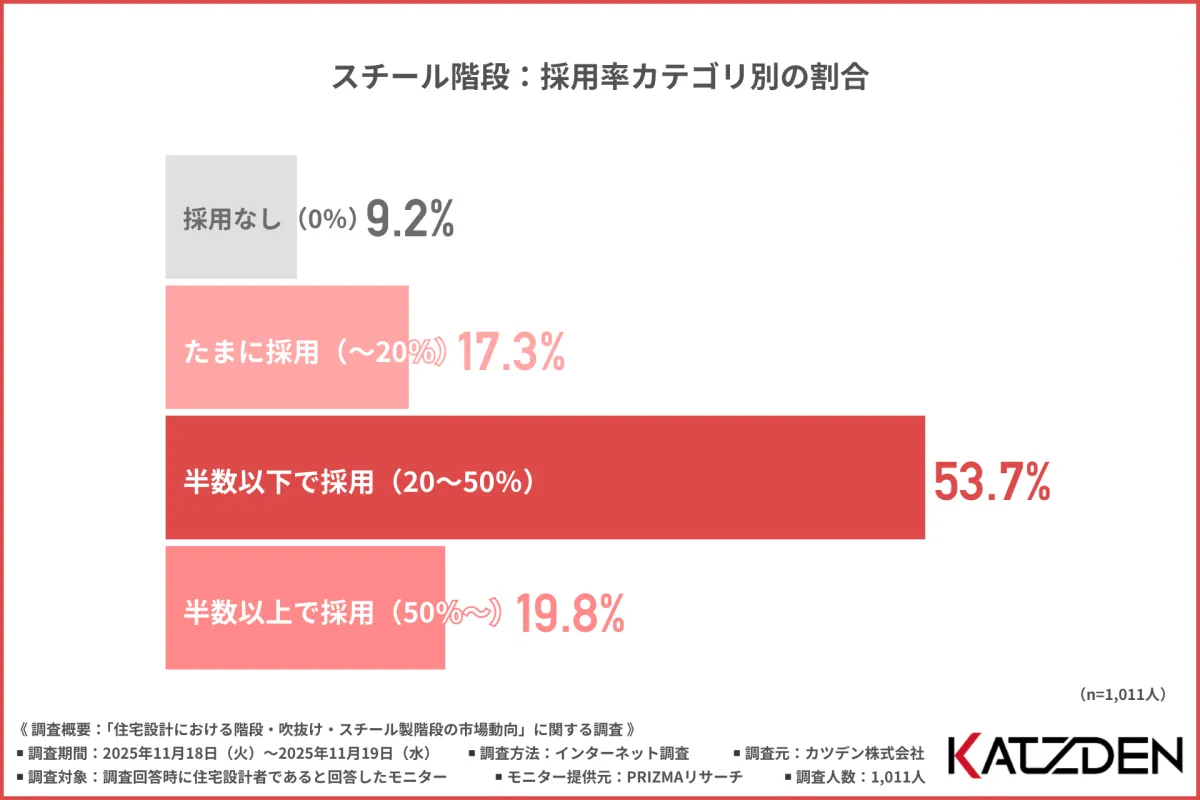
- - 9.2% reported no use of steel stairs.
- - 17.3% used them occasionally (up to 20%).
- - A significant 53.7% employed them in less than half of their projects.
- - 19.8% used steel stairs in over half of their designs.
This data shows that steel stairs are now a common design choice rather than an exception, fundamentally changing how designers approach residential projects.
Atriums as a Design Trend
The survey also tackled the implementation of atriums, leading to the conclusion that a remarkable 90% of designers have integrated at least one atrium in their recent projects. This reveals a growing acknowledgment of atriums as standard design elements that enhance both light and air circulation, contributing to the architectural value of homes.
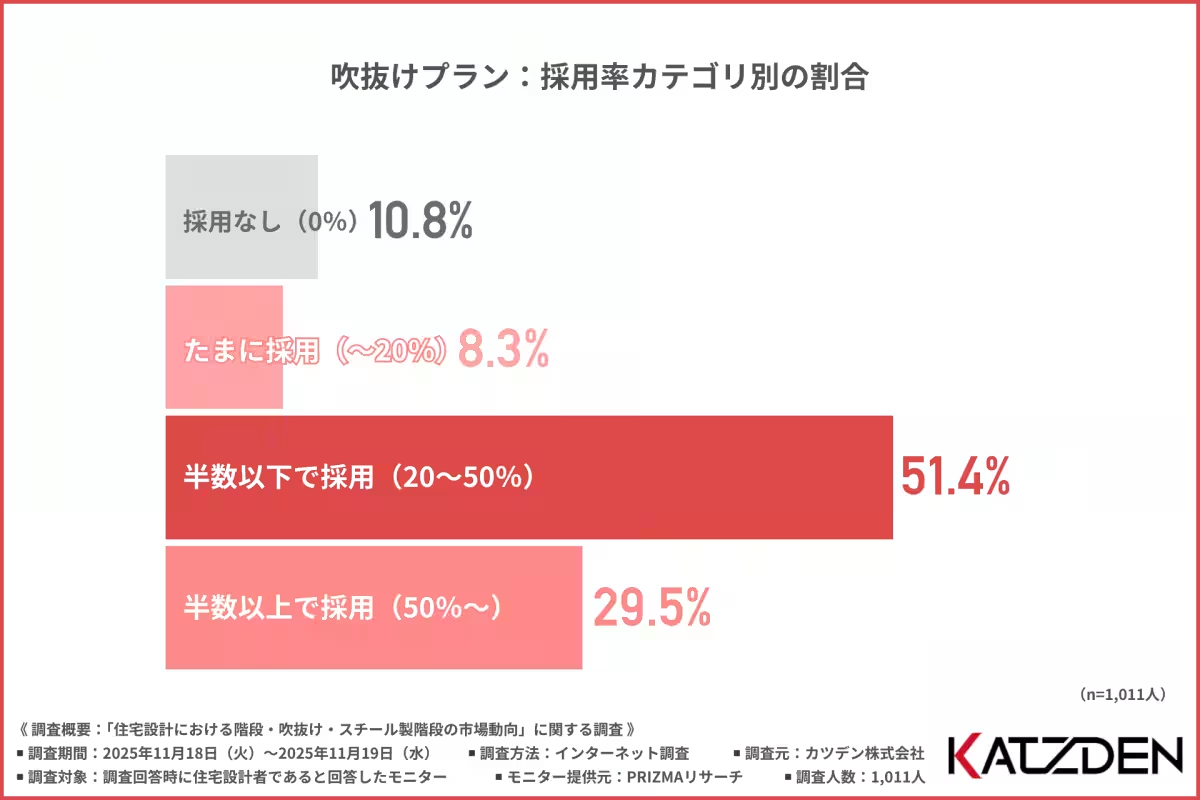
The preferences among designers regarding atrium use include:
- - 10.8% never use atriums.
- - 8.3% use them occasionally (up to 20%).
- - 51.4% employ them in less than half of their projects.
- - 29.5% have used atriums in over half of their recent designs.
Atriums not only provide natural lighting and ventilation but also add dimensionality to living spaces, marking them as crucial design aspects in modern housing strategies.
A Preference for Manufacturer Brands
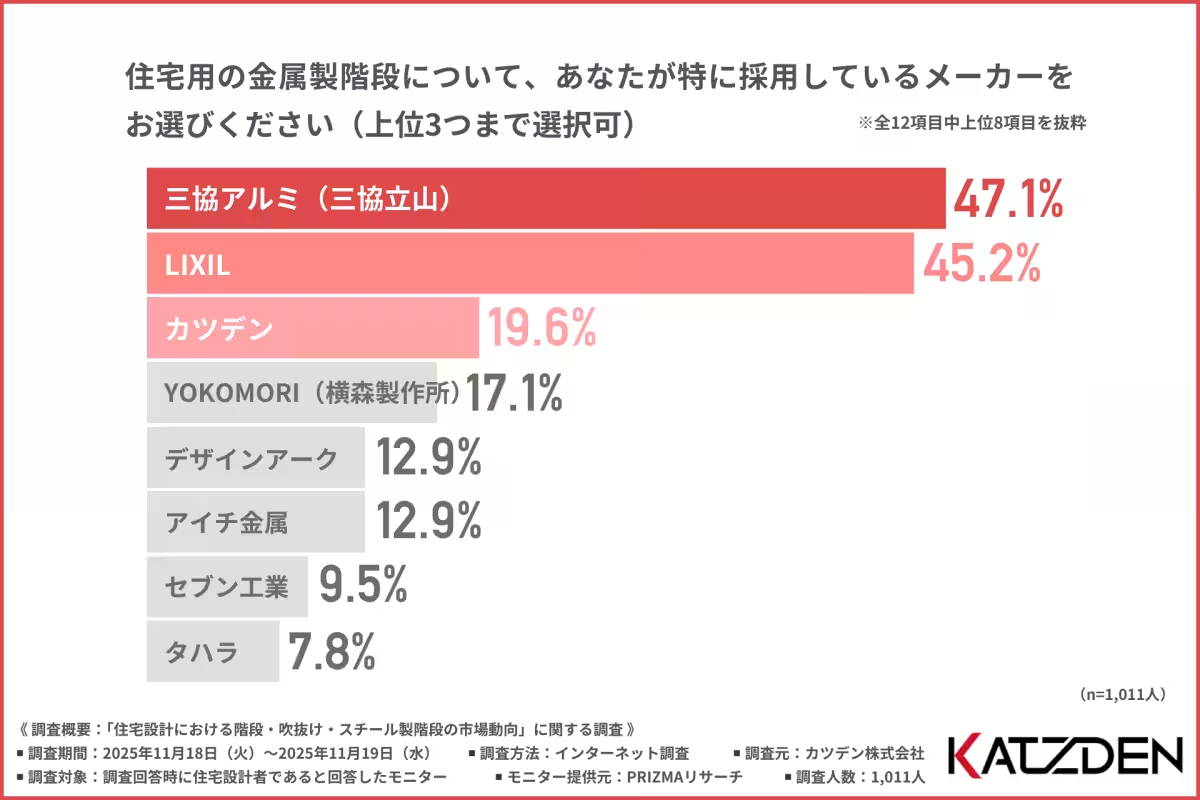
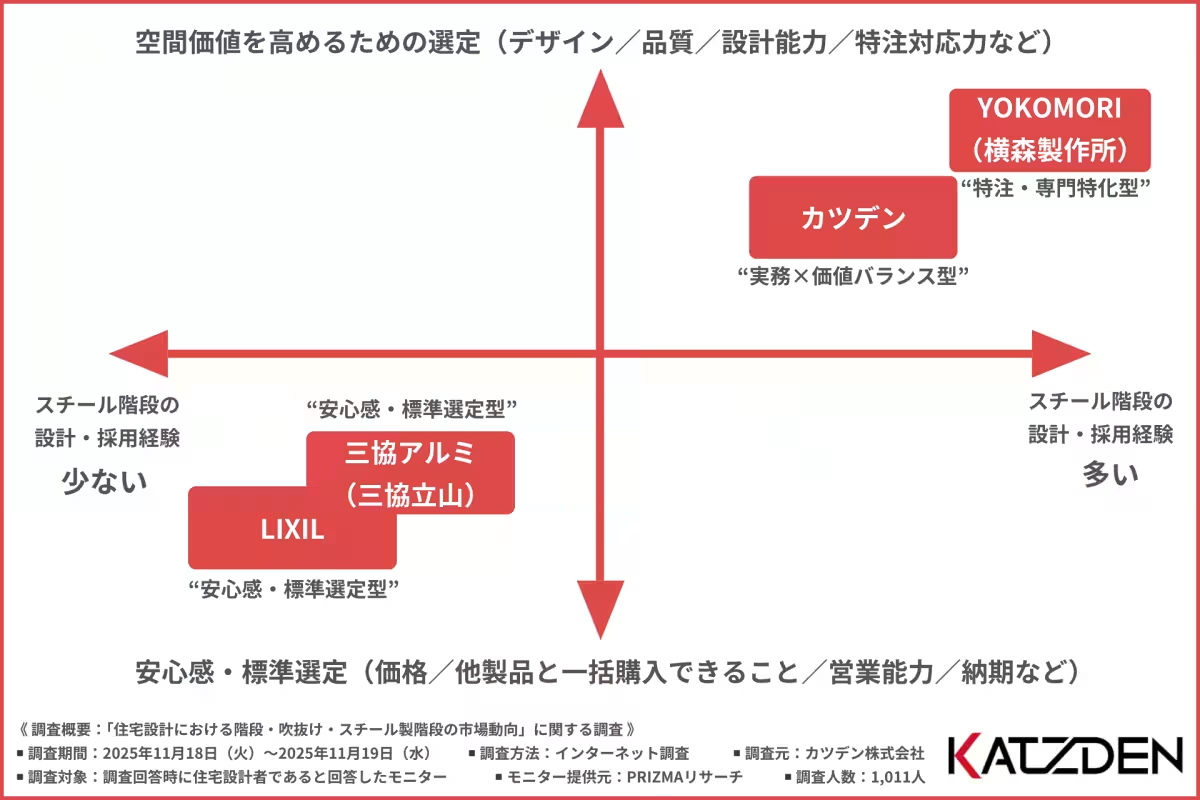
When it comes to selecting metal stair suppliers, the survey showed that leading manufacturers dominate the preferences among architects:
1. Sankyo Aluminum (47.1%)
2. LIXIL (45.2%)
3. Katsuden (19.6%)
4. Yokomori (17.1%)
5. Design Arc (12.9%)
6. Aichi Metal (12.9%)
While larger manufacturers are favored, it became apparent that some designers confused aluminum with steel in their selections. This confusion could stem from a lack of understanding regarding the functional differences between materials, as designers stated they exclusively selected aluminum brands for steel stairs, reflecting a gap in knowledge that must be bridged.
Key Decision Factors
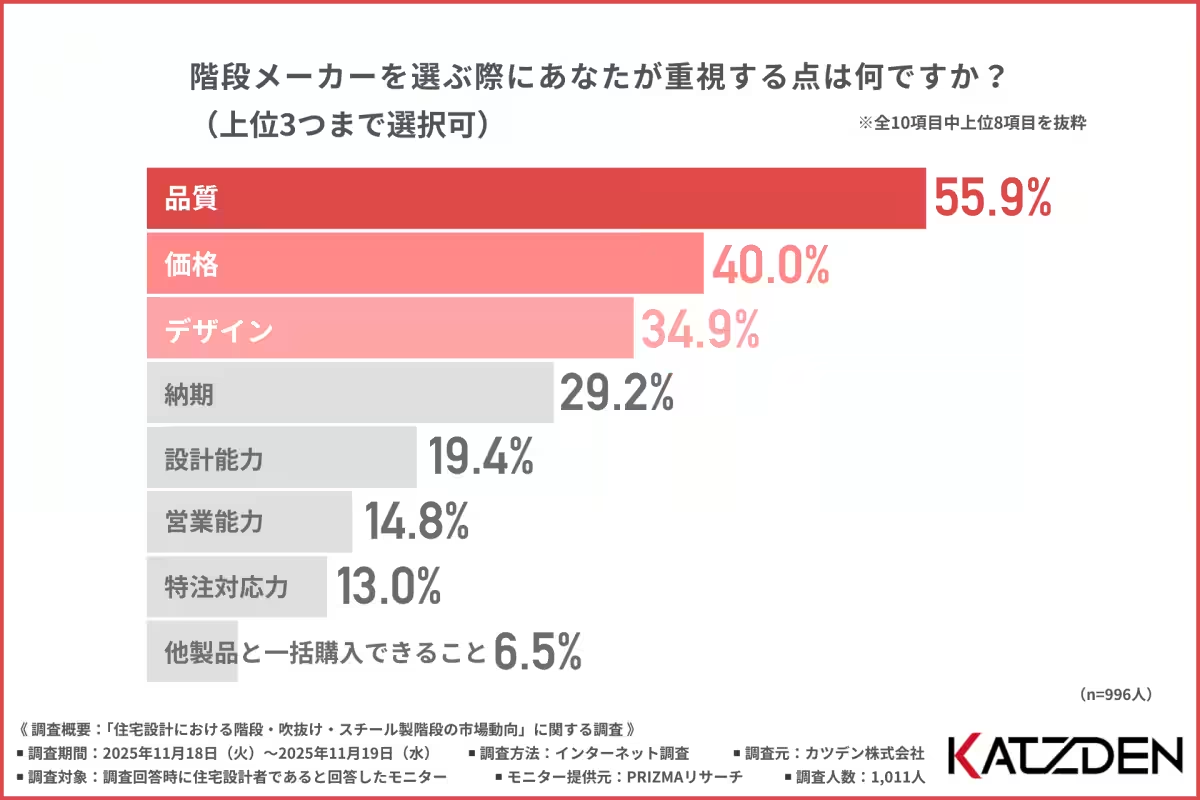
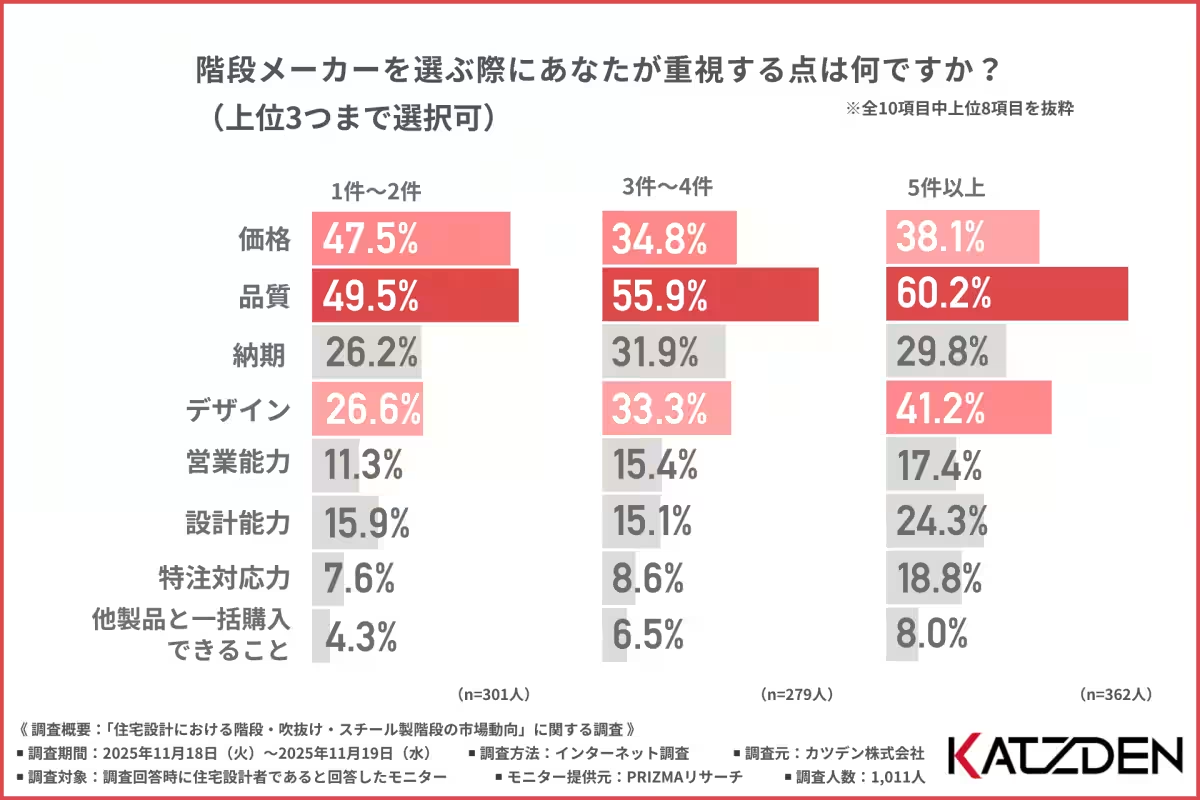
When analyzing the factors that influence manufacturers' selection, quality emerged as the primary concern for 55.9% of respondents, followed by price (40%) and design (34.9%). This emphasis on quality indicates that designers prefer to balance quality metrics against cost and aesthetics when choosing stairs for their projects.
Interesting trends emerged based on the annual number of stairs designed:
- - Designers managing 1-2 projects yearly valued both quality and price equally.
- - Those working on 3-4 projects leaned more toward quality, with a growing appreciation for design aspects.
- - Highly experienced designers managing over five projects prioritized exceptional quality, design, and the ability to handle custom requests in stair design.
Katsuden's Position in the Market
Katsuden has carved a unique niche, earning high praise from 'middle to upper-level designers' who prioritize functionality and aesthetics. Users from this demographic appreciate the balance of design quality and timely deliveries, often opting for Katsuden's steel stairs due to their sophisticated design and reliable production methods.
The appeal of Katsuden stairs stems from their ability to elevate spatial value, further solidified by the findings that they are perceived as aesthetic treasures that contribute positively to overall residential design.
Conclusion: The Future of Steel Stairs in Home Design
Through the insights gained from this survey, it's clear that the role of stairs in residential design is evolving significantly. Steel staircases have transformed from mere structural elements into central design components that enrich the spatial experience and aesthetic appeal of homes.
With increasing adoption rates, the future of steel stairs appears bright. Their capacity to enhance home design while providing functional benefits positions them as a necessary feature for architects and designers looking to create standout residential projects.
As the market continues to embrace the diverse potentials of steel stairs, their role as design icons likely will strengthen, promising to shape the future of residential architecture.
Topics Other)





【About Using Articles】
You can freely use the title and article content by linking to the page where the article is posted.
※ Images cannot be used.
【About Links】
Links are free to use.