



The Necessity of Trust and Control for AI Agents in Online Shopping
Introduction
Visa, a global leader in digital payments, commissioned a study through Macromill to explore the acceptance of AI and AI agents in online shopping. The results demonstrate a rising interest in AI-driven shopping experiences; however, consumers remain hesitant about fully entrusting their purchasing decisions and payments to AI systems.
Key Findings
Limited Acceptance of AI for Purchase Decisions
The survey found that while 51% of Japanese consumers have already integrated AI into their shopping experiences, there is a clear divide regarding reliance on AI for purchase decisions and transactions. Many respondents cited concerns over the accuracy of product information and the intelligence of AI when filtering, recommending, and proceeding to checkout.
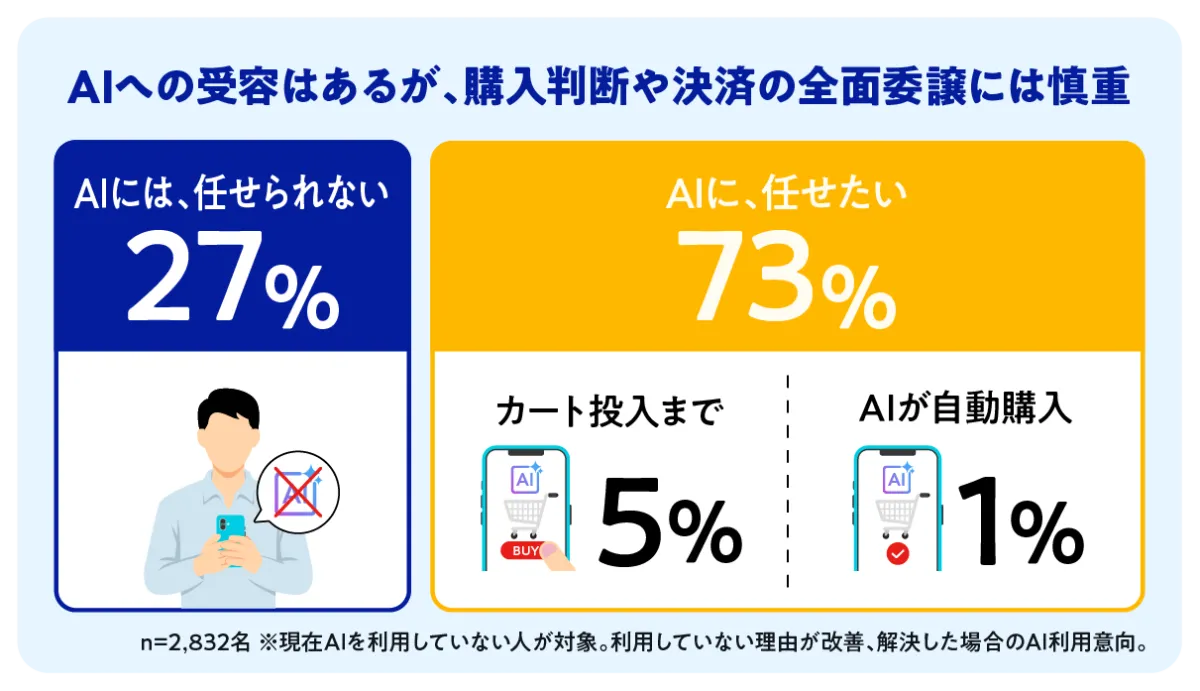
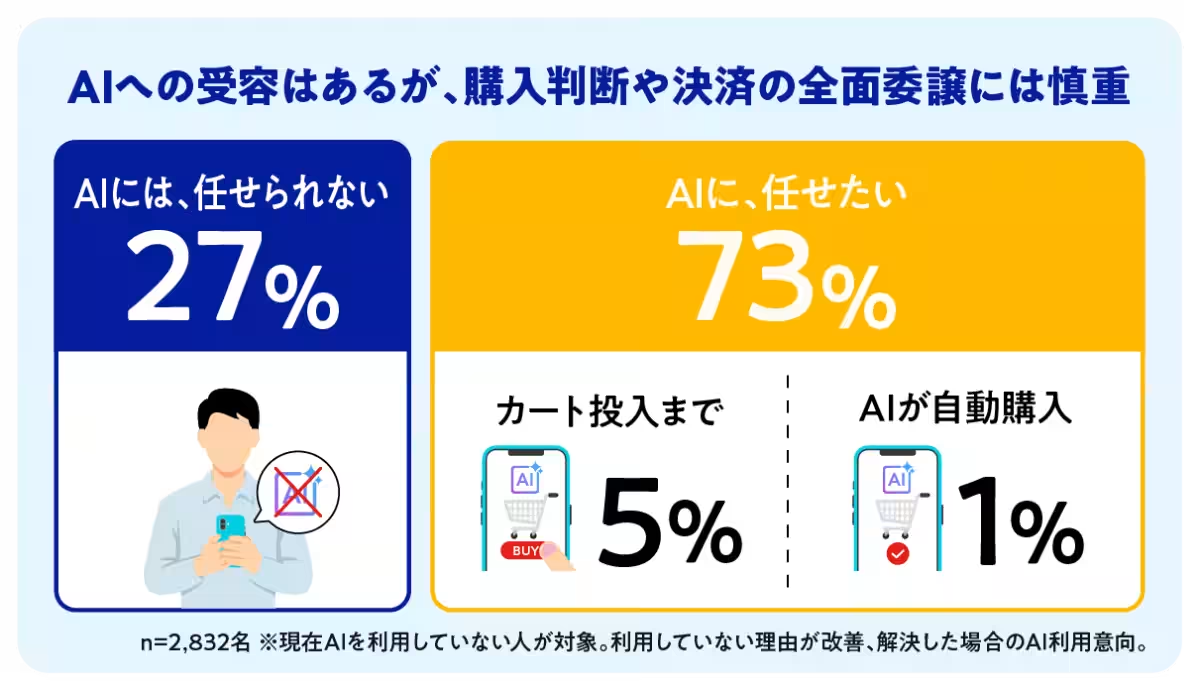
Statements like, "I worry if the displayed product information is correct," and "I want to check important products myself before buying," were common. Even among those open to using AI, only 5% were willing to let AI add items to their carts without prior checks, and a mere 1% would allow AI to handle transactions autonomously. This highlights a cautious approach towards fully delegating purchase decisions to AI technologies.
Importance of Trustworthy Mechanisms for AI Agents
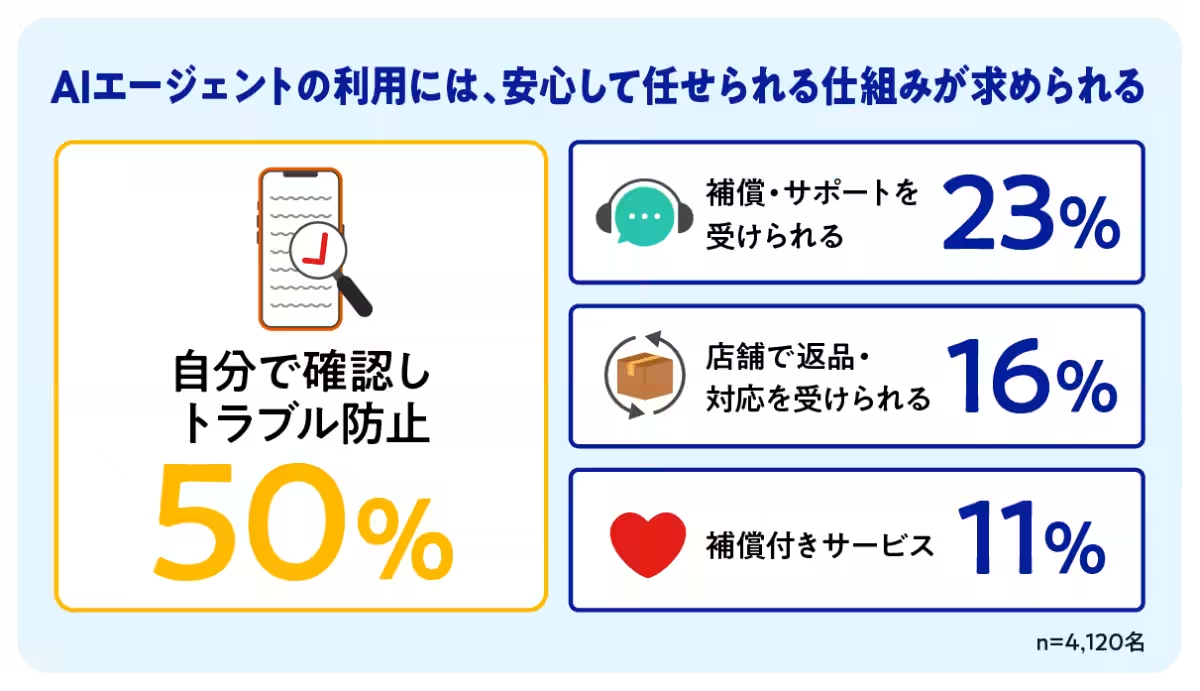
The research indicated that if AI agents were to start automatically purchasing products, users would need a reliable framework to feel secure with such services. The most notable requirement, mentioned by 50% of respondents, is the ability to review contents personally, which acts as a safeguard against potential mishaps. Other concerns include mechanisms for recovery in the event of erroneous transactions or losses. For instance, 23% want assurance that any mistakes can be traced back to the AI agent, thus allowing for proper compensation, while 16% expect return policies from retailers where items were purchased. Overall, creating a more secure environment for consumers to engage with AI in shopping is vital.
Privacy and Convenience Trade-offs
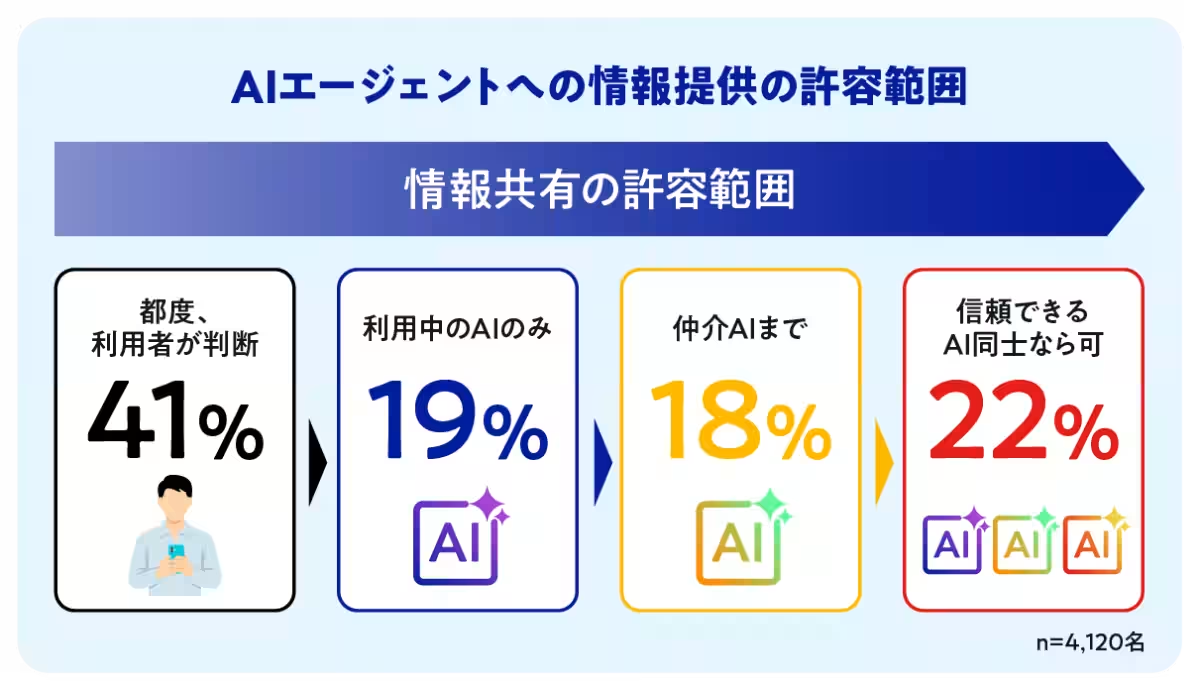
As AI agents connect with one another, enhancing the quality of suggestions, the study also assessed sentiments regarding the balance between personalized suggestions and privacy. While 41% of participants preferred to selectively share personal information with AI systems, approximately 22% expressed willingness to share necessary information among trusted AI agents. In contrast, around 19% indicated they would prefer keeping information restricted to the AI they directly use. This mix of attitudes suggests varied levels of comfort with data sharing practices, reflecting broader concerns regarding privacy.
Conclusion
From the survey, it is evident that for AI agents to proliferate in the purchasing experience, trust, user control, and transparent mechanisms for accountability and support are crucial. Consumers are looking for an environment that not only offers convenience but also gives them confidence in their choices.
Survey Overview
- - Methodology: Online survey
- - Participants: 4,120 individuals aged between 20 and 60, who utilize cashless payment and are comfortable with generative AI at least once a month.
- - Timing: Conducted in June 2026 by Macromill.
About Visa
Visa is a global leader in electronic payments, connecting consumers, businesses, financial institutions, and governmental bodies across over 200 countries. Visa aims to provide the most innovative and reliable payment network globally and believes in enriching lives through accessible economic opportunities. For more, visit Visa.com or www.visa.co.jp.
Topics Consumer Products & Retail)
【About Using Articles】
You can freely use the title and article content by linking to the page where the article is posted.
※ Images cannot be used.
【About Links】
Links are free to use.