



Understanding the Impact of Seasonal Allergies and Air Pollution on Skin Health
The Impact of Season Allergies and Air Pollution on Skin Health
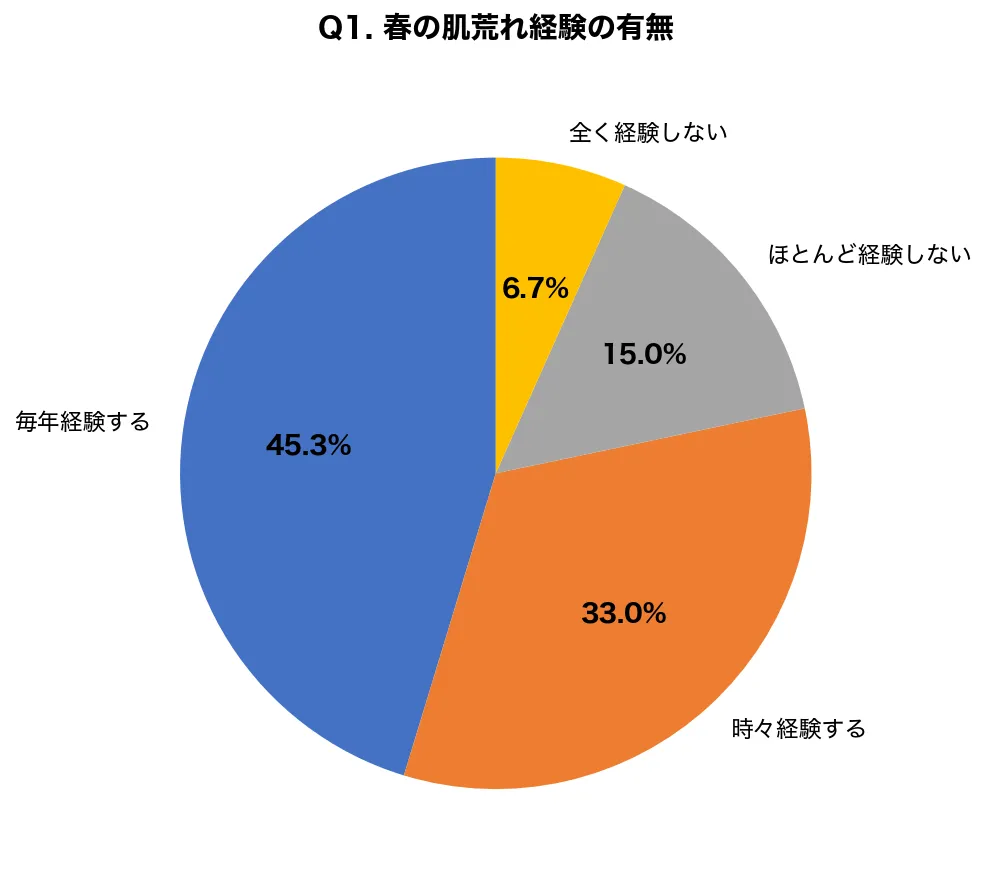
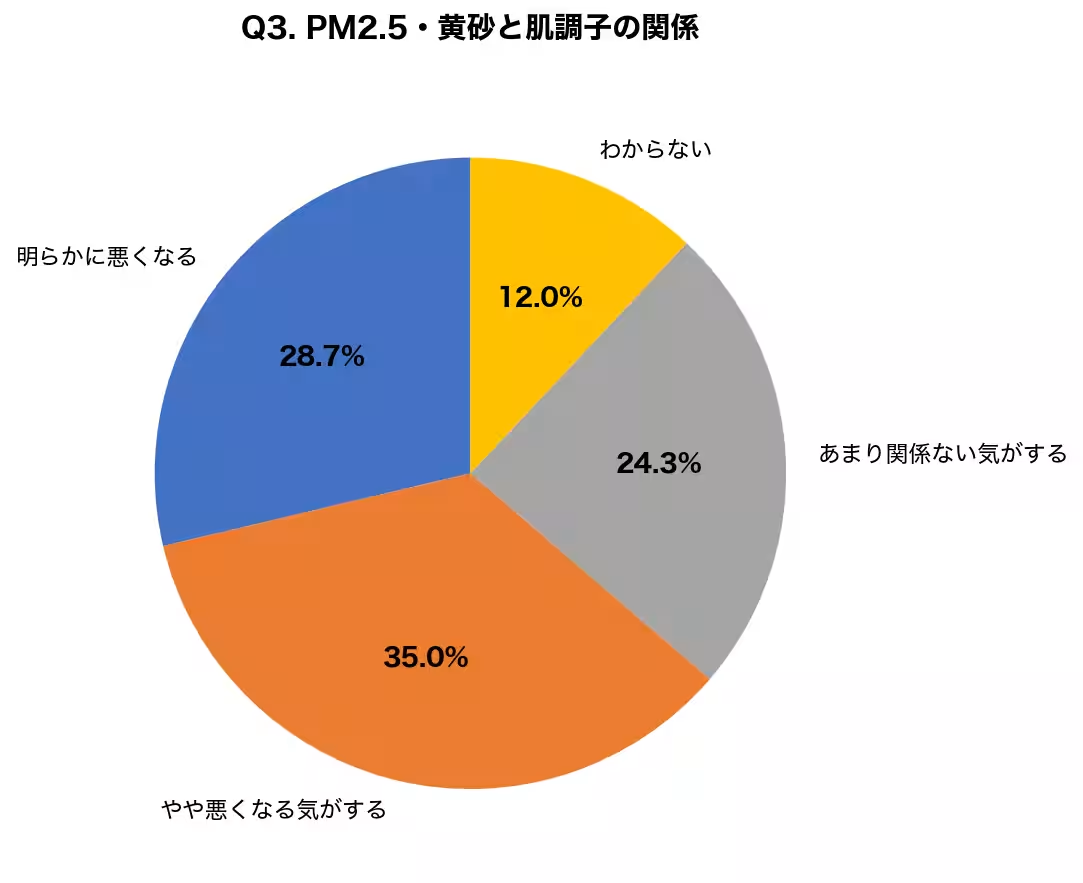
As spring approaches, many individuals find themselves battling more than just seasonal allergies. A recent survey conducted by the I.C. Clinic has revealed alarming statistics regarding the intersection of pollen, yellow sand, PM2.5, and skin health. According to the findings, 78.3% of respondents reported experiencing skin problems during the spring, with a notable 63.7% stating that their symptoms worsened on days with high levels of PM2.5 and yellow sand.
Key Findings of the Survey
1. Widespread Skin Issues:
A significant number of participants, 78.3%, experienced skin troubles during spring, particularly between March and April when 67.0% noted a peak in symptoms.
2. Pollution's Detrimental Effects:
Many respondents (63.7%) felt that their skin condition deteriorated due to the concurrent presence of PM2.5 and yellow sand.
3. Inadequate Skincare Responses:
Alarmingly, only 24.3% of individuals were practicing appropriate skincare methods to combat air pollution.
What You Need to Know
The Skin Barrier Function
The skin barrier, made up of the outermost stratum corneum, defends our bodies from external irritants while preventing moisture loss. The key components of this barrier are ceramides, natural moisturizing factors (NMF), and the lipid layer. When these elements are disrupted, individuals become more susceptible to dryness, inflammation, and allergic reactions.
Understanding PM2.5
PM2.5 refers to particulate matter smaller than 2.5 μm, prevalent in polluted air. These particles can easily penetrate the skin, carrying harmful heavy metals and organic compounds which exacerbate oxidative stress, leading to premature skin aging and inflammation.
Allergic Dermatitis Uncovered
Allergic dermatitis occurs when the immune response is triggered by allergens like pollen or dust, resulting in symptoms such as itching, redness, and rashes. Typical treatments include antihistamines and topical steroids, particularly for conditions like atopic dermatitis and contact dermatitis.
Comparative Effects of Allergens on Skin
| Factor | Pollen | Yellow Sand | PM2.5 |
|---|---|---|---|
| ------ | ------ | ------- | ----- |
| Particle Size | 20-40 μm | 1-30 μm | <2.5 μm |
| Primary Impact Mechanism | Allergic Reaction | Physical irritation + Microbial adhesion | Oxidative stress + Chemical penetration |
| Main Skin Symptoms | Itching, Redness, Hives | Dryness, Bumps, Clogged Pores | Inflammation, Spots, Aging |
| Time to Onset | Minutes to hours | Hours to a day | Chronic with accumulation |
| Ease of Removal with Cleansing | Relatively easy | Somewhat difficult | Difficult |
| Main Countermeasures | Antihistamines | Physical barriers + Cleansing | Antioxidant care + Barrier reinforcement |
The above details are general guidelines and may vary between individuals.
Survey Overview
I.C. Clinic, which specializes in dermatological surgery and skin health education, conducted an extensive survey with 300 participants aged 20 to 60, uncovering the impact of air pollution and seasonal allergies on skin health. The findings highlighted the lack of awareness regarding appropriate skincare during these challenging months.
Study Details
- - Target Group: Individuals aged 20-60 who have experienced skin issues in spring.
- - Duration: February 16 to February 25, 2026.
- - Method: Online survey.
Key Concerns Raised
Causes of Skin Problems
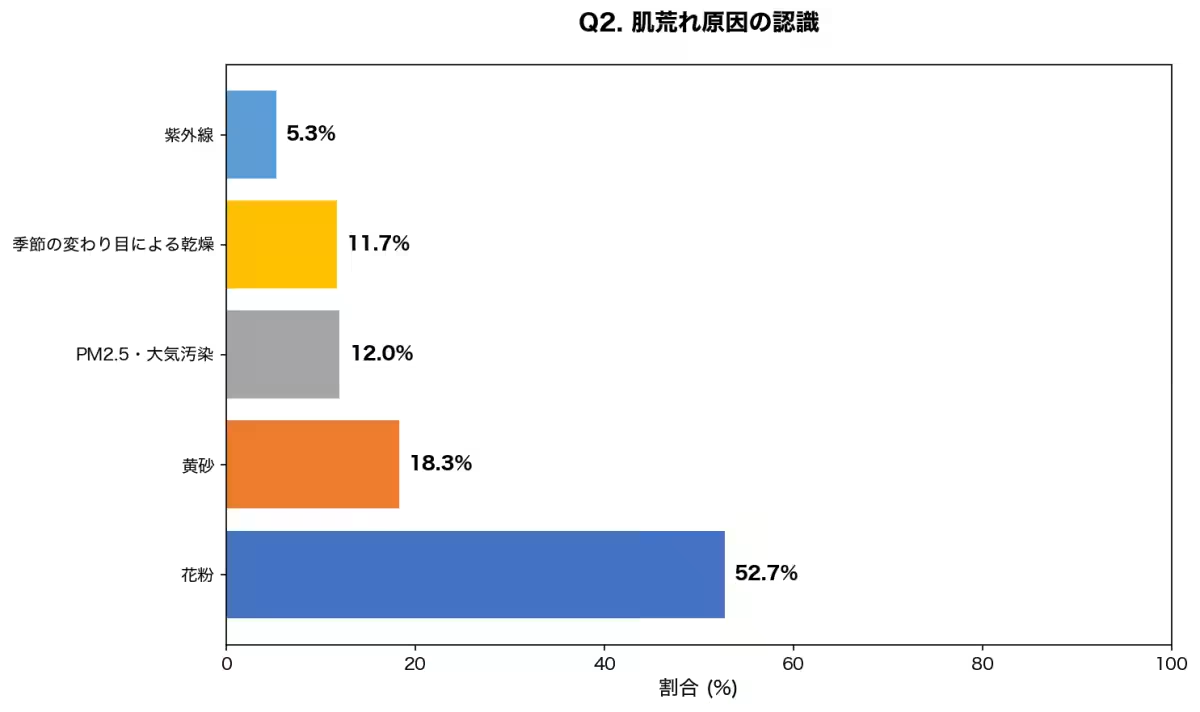
While pollen is recognized as the primary cause of skin issues by 52.7% of participants, only 30.3% were aware of the effects of yellow sand and PM2.5. This gap indicates a significant misunderstanding regarding the multifaceted nature of skin issues prevalent in the spring.
Importance of Skincare Practices
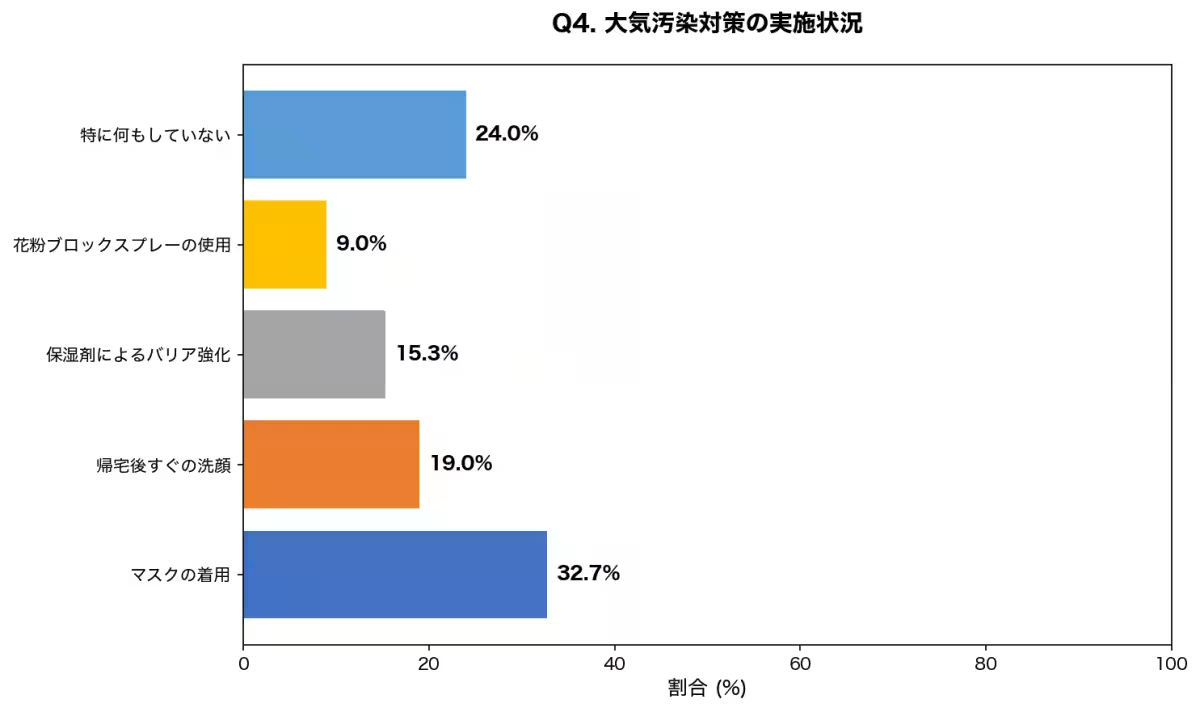
A mere 24.3% reported using effective skincare routines to shield against air pollutants, with figures showing that only 19.0% consistently practice post-commute cleansing. It is alarming that 24.0% reported taking no measures to mitigate their skin problems, emphasizing the urgent need for skincare education.
Professional Help
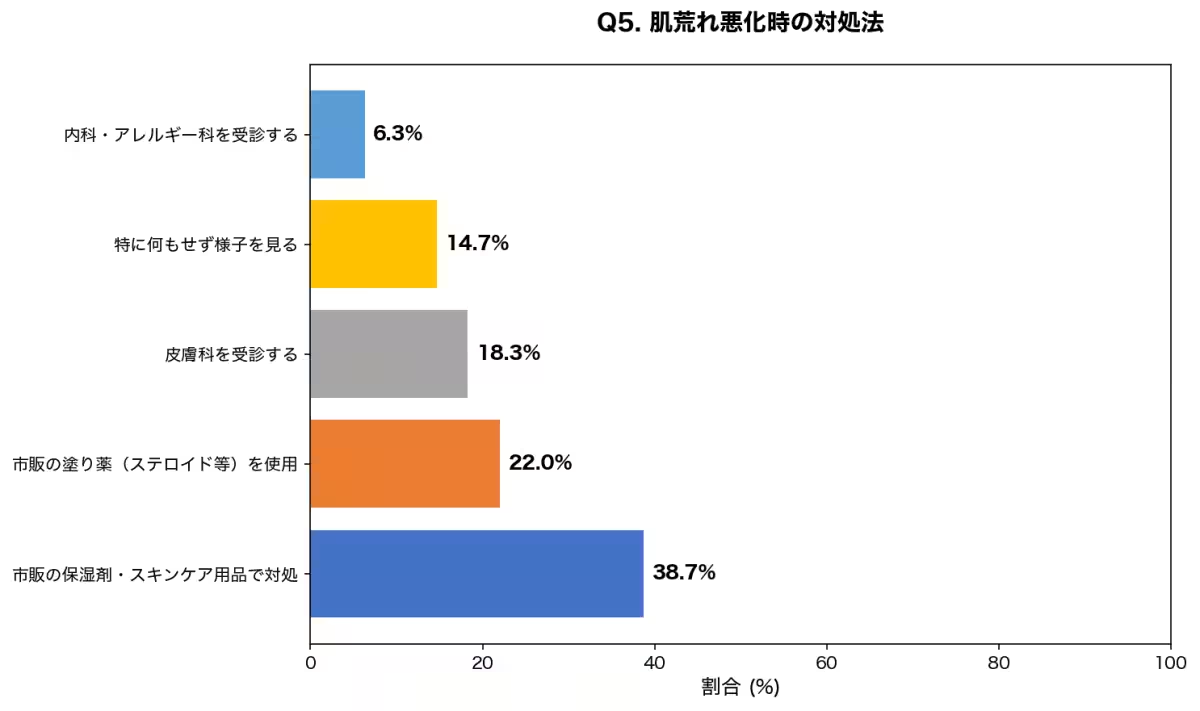
Less than 20% consulted dermatologists despite worsening symptoms. Many resorted to over-the-counter medications, often leading to temporary relief rather than addressing the underlying causes. Symptoms lasting over two weeks warrant medical attention.
Conclusion
The survey reveals staggering insights into how spring’s pollen, yellow sand, and PM2.5 pollution contribute to skin health deterioration. With a significant number of individuals unaware of the pollutant's effects on their skin, it underscores the critical need for informed skincare practices and consultations with dermatologists when necessary.
Dr. Kōta Takakuwa from I.C. Clinic emphasizes the necessity of understanding these environmental challenges and encourages patients to adopt preventive measures and appropriately respond to their skin health needs to avoid long-term effects.
Effective Strategies to Protect Your Skin:
1. Wash face promptly after returning home to remove pollutants.
2. Use ceramide-infused moisturizers to restore the skin barrier.
3. Utilize sunblock and pollen-blocking spray when outdoors.
To book a consultation, please visit your local I.C. Clinic today!
Topics Health)
【About Using Articles】
You can freely use the title and article content by linking to the page where the article is posted.
※ Images cannot be used.
【About Links】
Links are free to use.