



Exploring Effective Team Building Strategies for Businesses in 2026
Effective Team Building Strategies for Businesses in 2026
In the current business landscape, the importance of team building has garnered significant attention, particularly in light of the challenges posed by digital communication. A recent survey conducted by G-Boon Co., a Tokyo-based company, sheds light on the various practices employed by businesses to fortify their teams. This study focused on the perceptions of business owners in their 20s to 60s regarding team building initiatives, revealing key insights into the current state of team cohesion in organizations.
Background of the Survey
With the increasing digitization of work environments, opportunities for face-to-face interactions among employees have markedly declined. This situation has led to a renewed focus on fostering team dynamics and strengthening relationships among staff members. Many business leaders recognize the need to enhance communication within their organizations. However, they often encounter obstacles related to budgetary constraints, location selection, and the chosen methods for implementation. Although there are anecdotal insights into how executives prioritize team building, comprehensive data detailing their investment decisions and the associated challenges has been limited. In this context, G-Boon Co. undertook a study to explore these dynamics thoroughly.
Survey Summary
The survey's findings were illuminating:
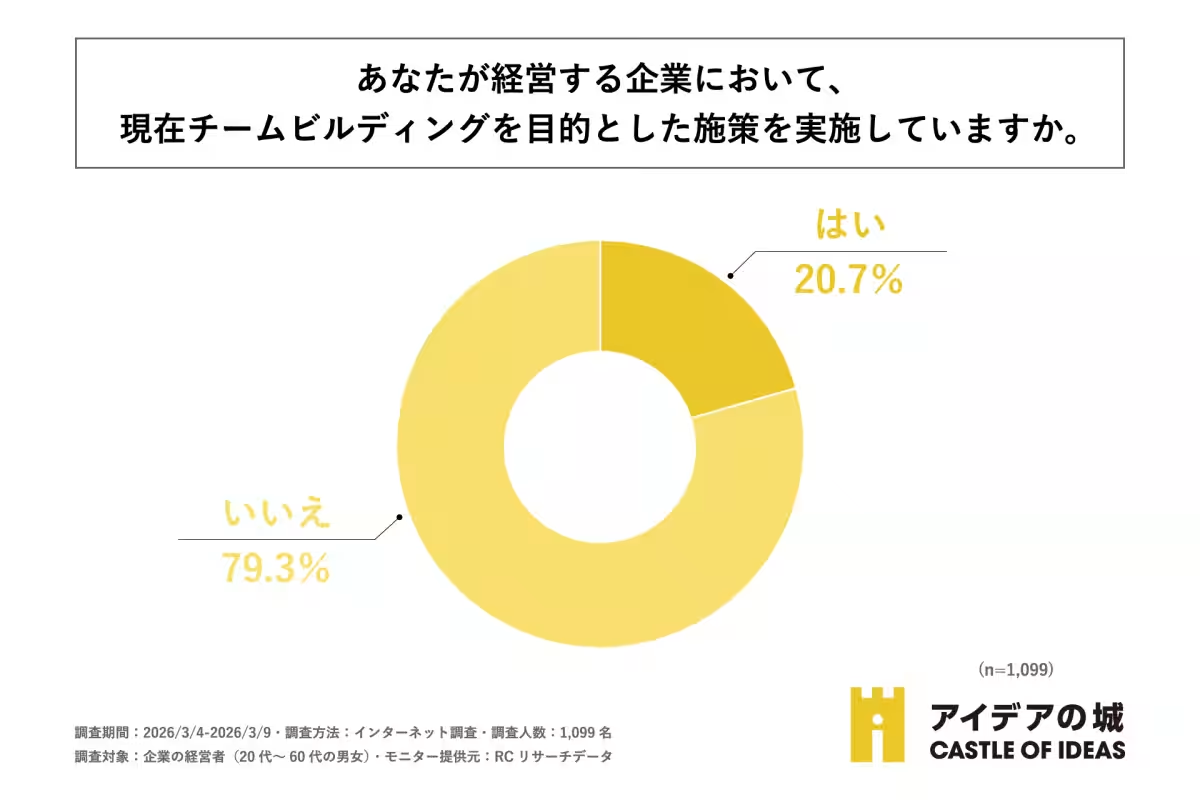
- - Only about 20% of the surveyed companies reported actively implementing team-building initiatives.
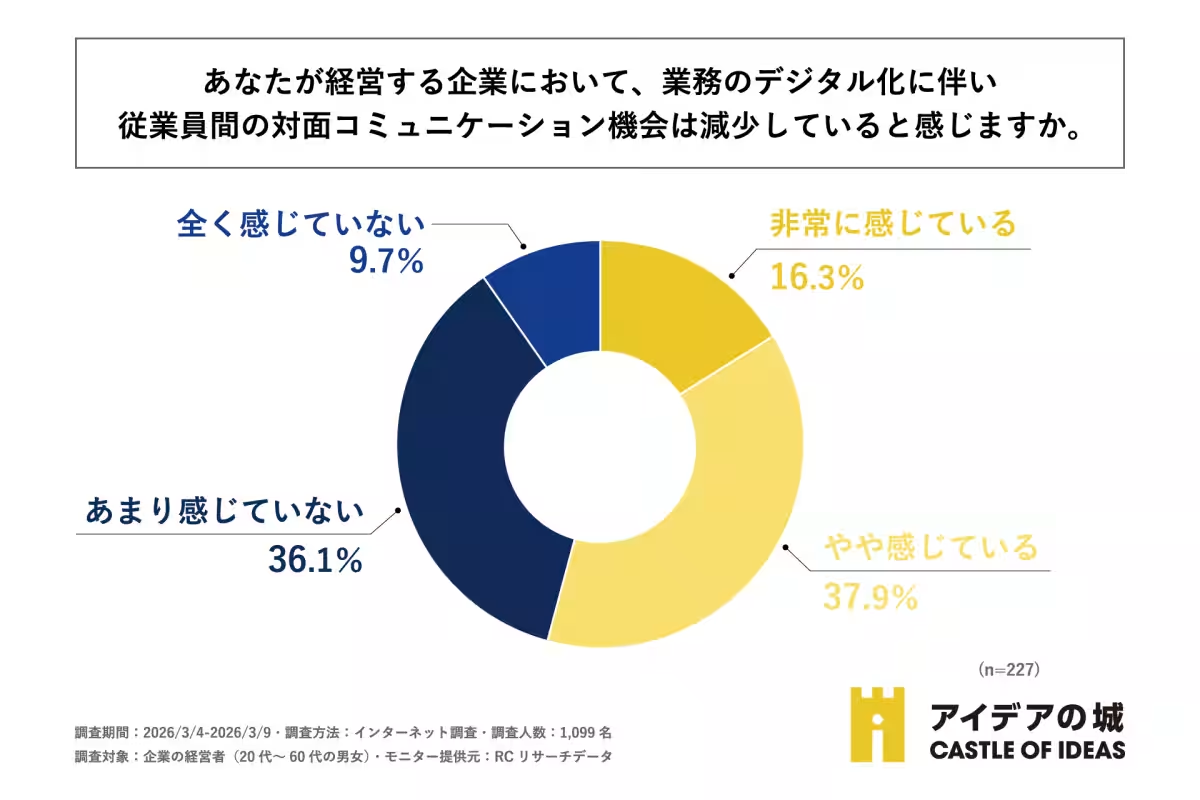
- - More than half of the owners of those companies noted a decline in face-to-face communication as a direct result of their business's increased digitalization.
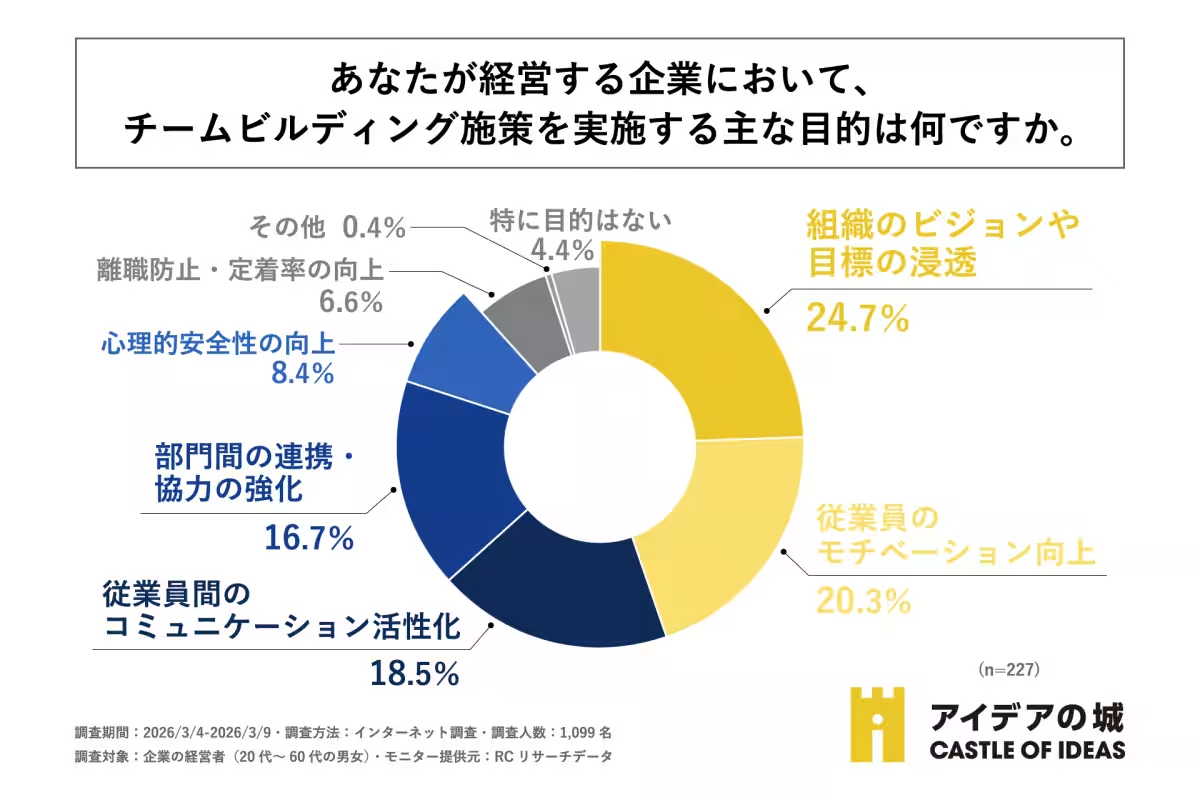
- - The main objectives for conducting team building activities included promoting organizational vision and enhancing employee motivation.
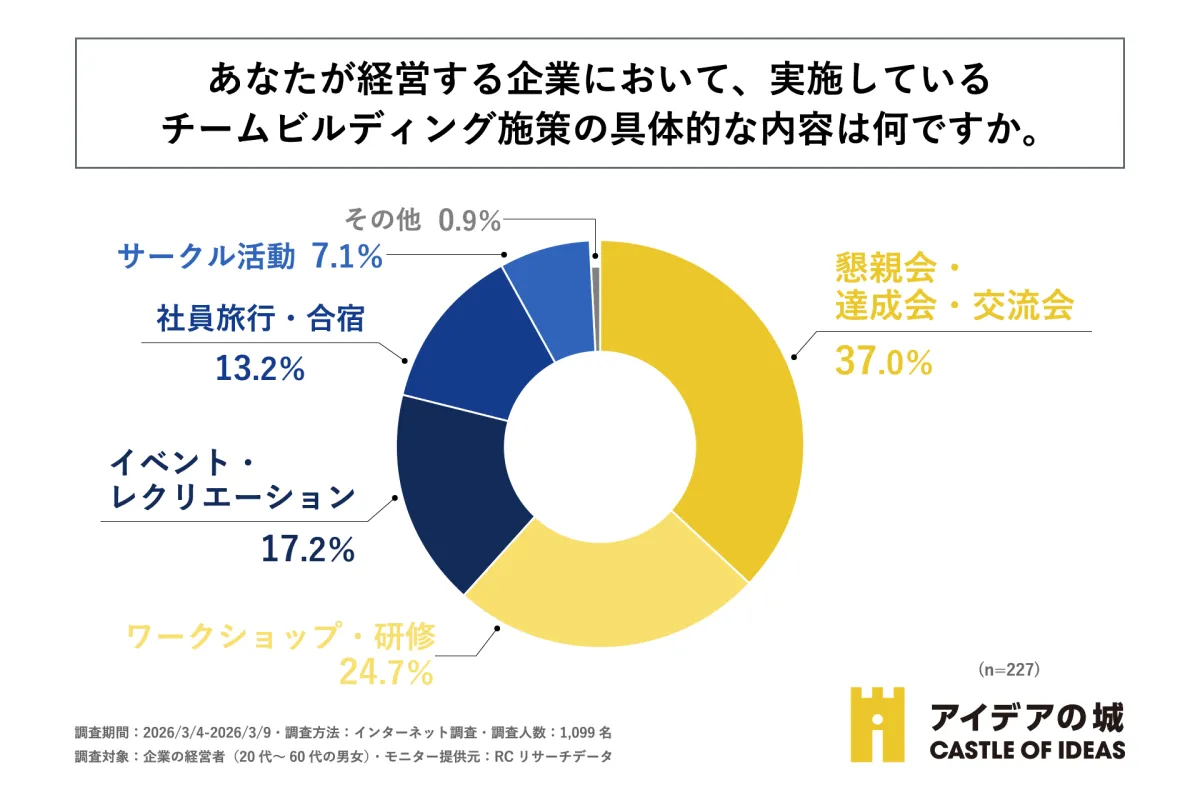
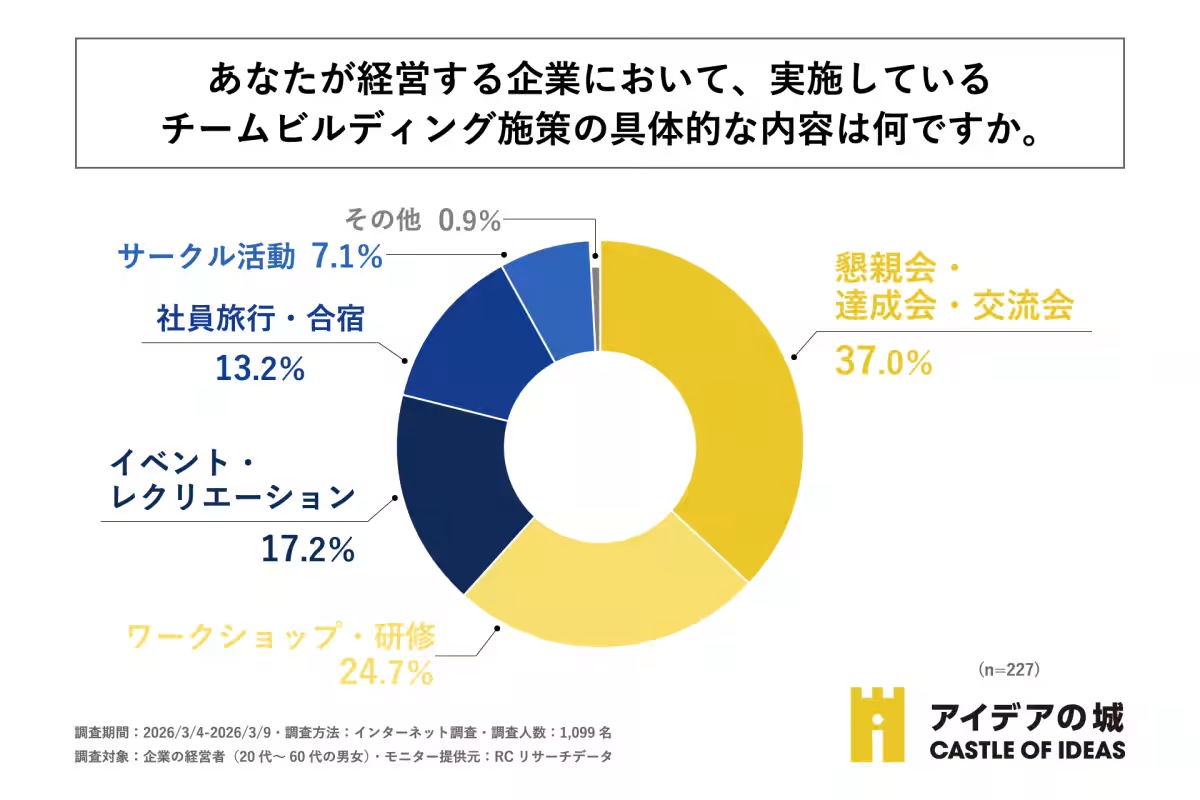
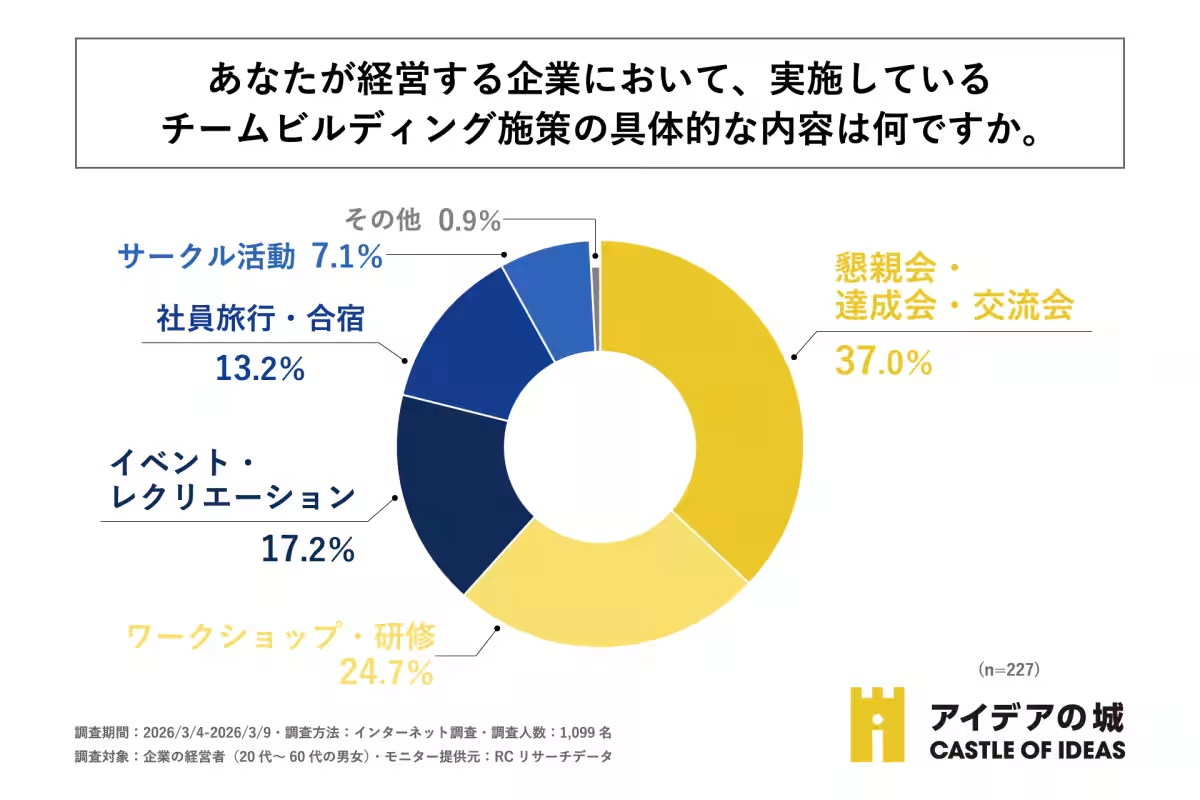
- - Commonly executed team-building activities consisted of social gatherings, workshops, and recreational events.
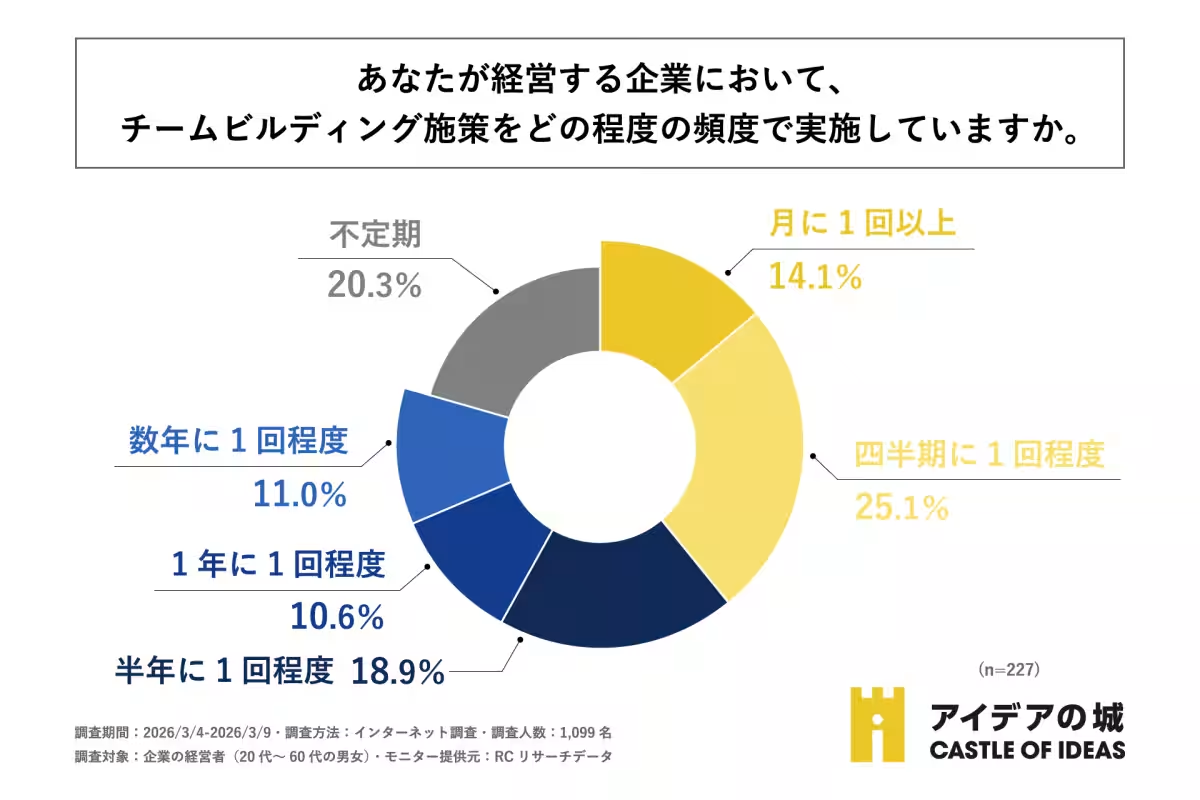
- - Approximately 40% of these companies conduct team building activities at least once per quarter.
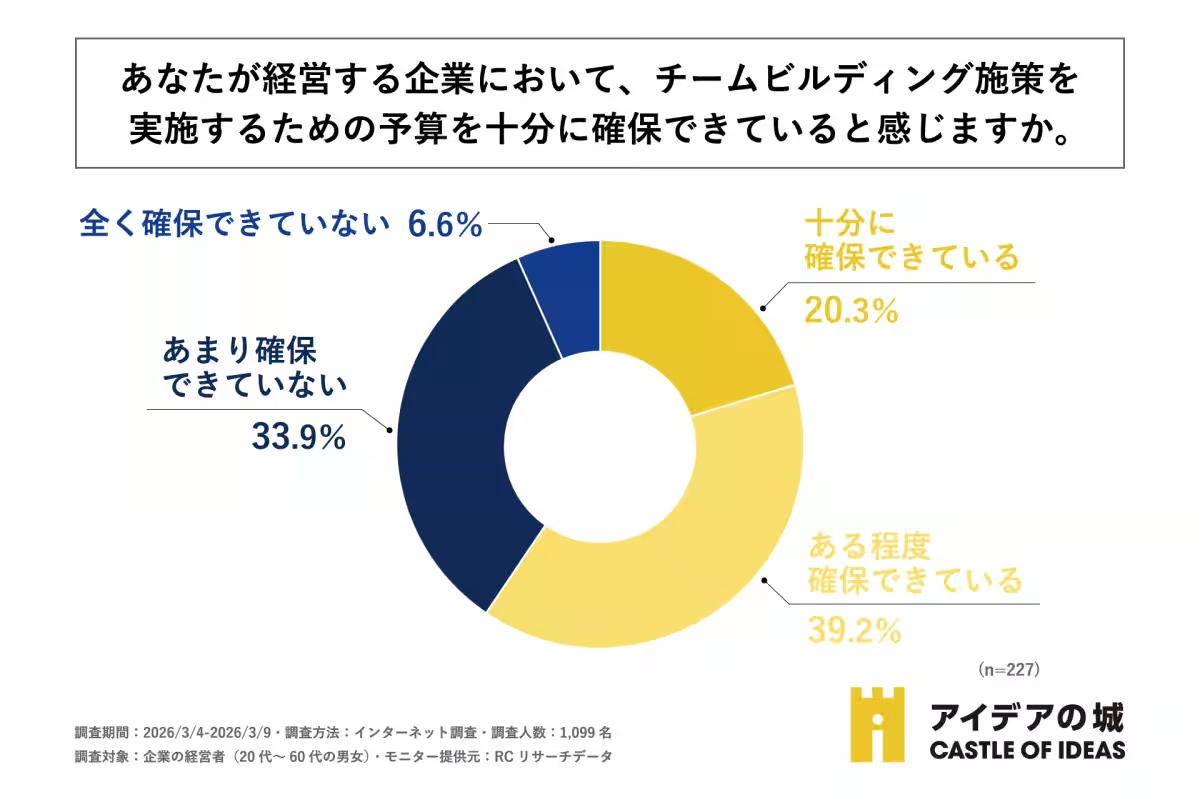
- - Moreover, nearly 40% of executives felt they did not have adequate budgets to support these initiatives.
Detailed Findings
Current Implementation of Team Building Initiatives
When asked if they had any team-building initiatives in place, a staggering 79.3% of business owners responded no, leaving only 20.7% who affirmed that such programs were implemented within their organizations. This finding clearly indicates that as of now, a small fraction of businesses actively engages in team-building activities.
Impact of Digitalization on Communication
When focusing on the companies that do implement these initiatives, survey results showed that more than half of these leaders perceived a decrease in direct communication opportunities among employees. Over 54% reported that the shift toward digital operations has negatively impacted face-to-face interactions, placing a spotlight on the need for effective team-building strategies to bridge this communication gap.
Objectives of Team Building Activities
Regarding the goals of these initiatives, the top two priorities among business owners were to induce a deeper understanding of organizational goals (24.7%) and to boost employee motivation (20.3%). These objectives underscore the necessity for team-building efforts to contribute positively to the workplace atmosphere and overall employee satisfaction.
Commonly Used Team Building Practices
The most frequently employed team-building practices included various forms of social gatherings, such as informal meetups and achievement celebrations (37.0%), alongside workshops and training (24.7%). These results reveal a preference for interactive and engaging strategies that facilitate relationship building among colleagues.
Frequency of Team Building Activities
The survey revealed further insights into the frequency of team-building events. About 39.2% of the executives indicated that their companies conducted these activities at least once a quarter, showing a consistent commitment to maintaining employee connectivity and morale.
Budget Constraints
Despite the recognition of team-building's importance, almost 40% of executives reported feeling that their budget for these initiatives was insufficient. This financial aspect poses a significant barrier to organizations looking to enhance their team dynamics, thereby affecting the overall effectiveness of their strategies.
Conclusion
The results of this survey demonstrate that while there is a clear recognition of the importance of team building, challenges such as budget constraints and reduced face-to-face interactions hinder many organizations from robustly engaging in these practices. Moreover, G-Boon Co.'s facilities, like the 'Idea Castle', provide a unique setting designed to promote interaction and creativity among team members. Offering an engaging environment without excessive costs is vital in today’s corporate culture, which continues to evolve.
By prioritizing team-building strategies that resonate with employees and acknowledging the need for adaptable budgets, businesses can enhance their internal communication and foster a collaborative workplace culture. To learn more about how G-Boon can support your team-building efforts, visit Idea Castle today.


Topics People & Culture)

【About Using Articles】
You can freely use the title and article content by linking to the page where the article is posted.
※ Images cannot be used.
【About Links】
Links are free to use.