




Enhancing Quantum Competitiveness: Focus on Data Strategy Over Computational Power
Enhancing Quantum Competitiveness: Focus on Data Strategy Over Computational Power
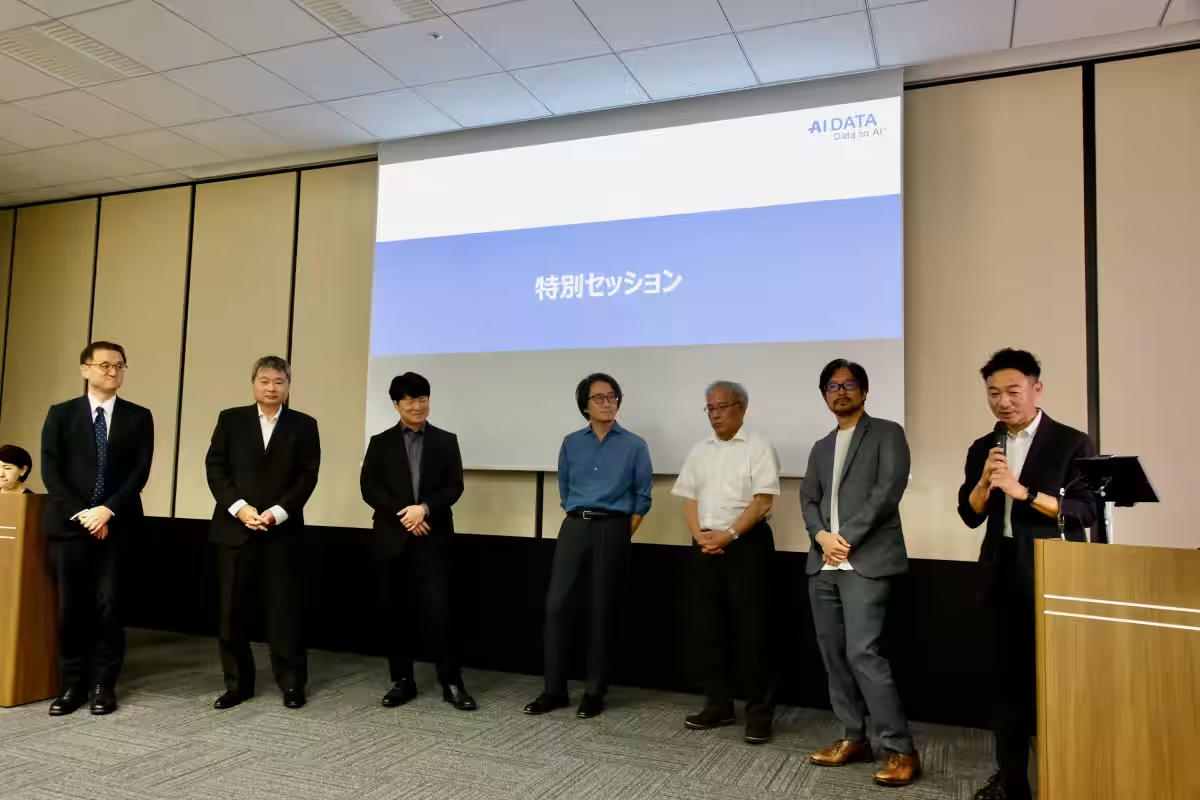
On July 16, 2023, AI Data Corporation, headquartered in Minato, Tokyo, hosted the AI Agents x AX Forum under the theme of AI utilization and AX in the quantum sector, recognized as one of the 17 key areas strategically promoted by the government. The forum centered around the theme of "Quantum Ready Enterprise," featuring experts from various fields including quantum computing, intellectual property strategies, social implementation, and academia-industry collaboration.
The Essence of Quantum-Ready Enterprise
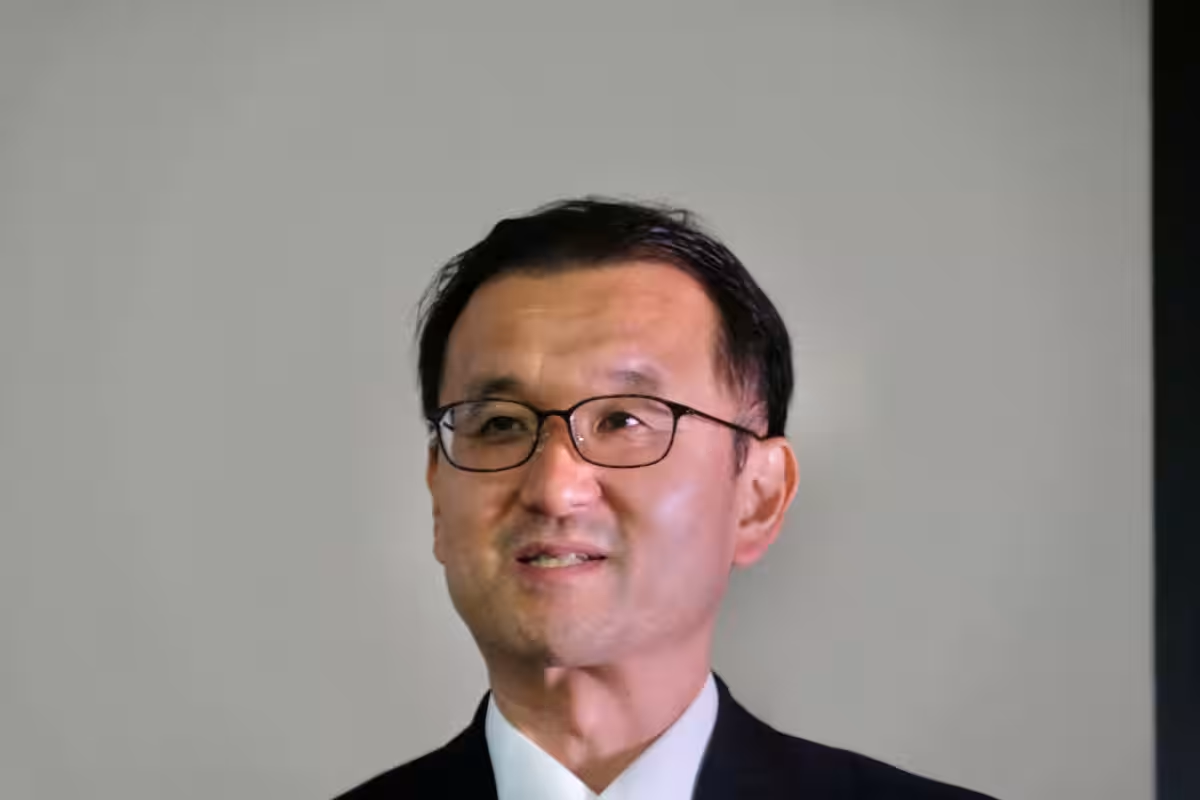
During the first session, AI Data Group CEO Takahito Sasaki emphasized that the key to fostering corporate competitiveness in the age of quantum computing lies not merely in adopting quantum computers but in developing data strategies, intellectual property frameworks, security measures, and organizational structures that leverage quantum technologies effectively. He categorized four prerequisites for becoming a "Quantum Ready Enterprise": "Data Ready," "IP Ready," "Security Ready," and "Organization Ready."
Sasaki underscored the importance of effectively organizing and relating real data within organizations. This transformation into "organizational intelligence" allows AI agents to better utilize the data. He urged organizations to begin inventorying their existing data and initiating small quantum usage projects now, rather than waiting for the full realization of quantum computing capabilities to gain competitive advantages in the quantum era.
Bridging Data Silos in the Quantum Industry
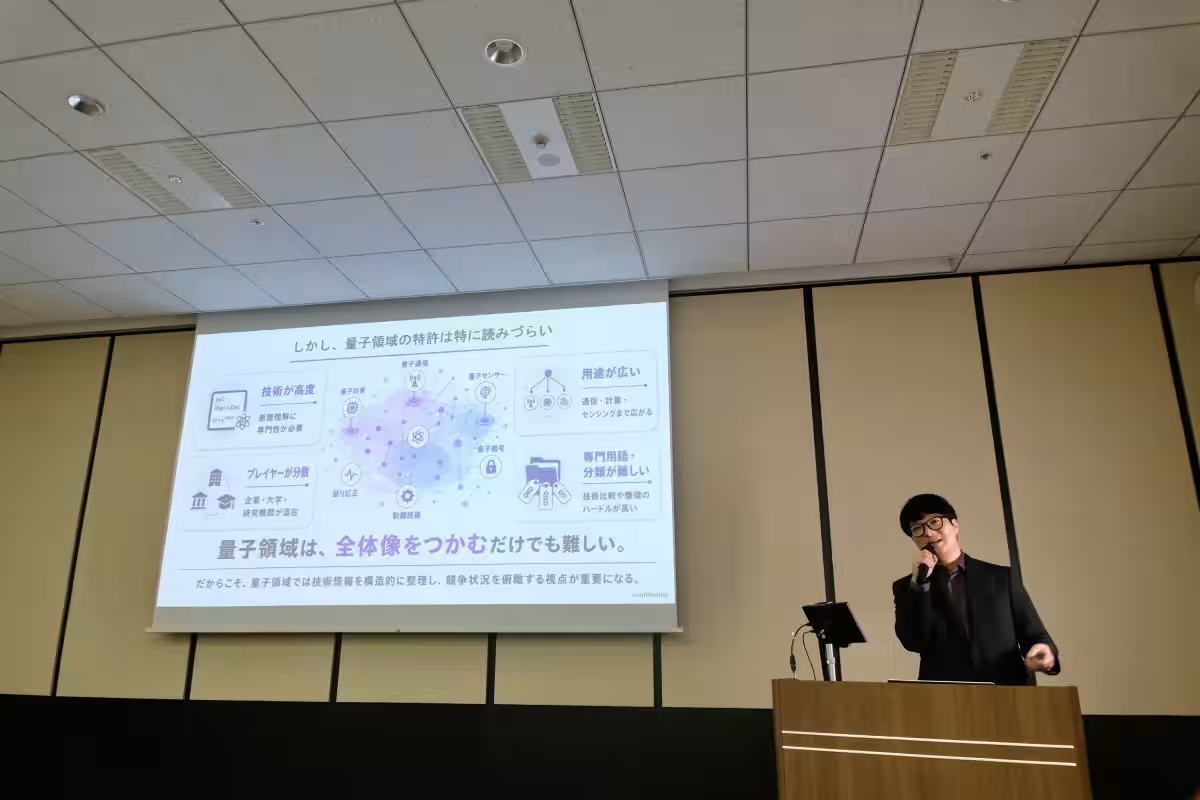
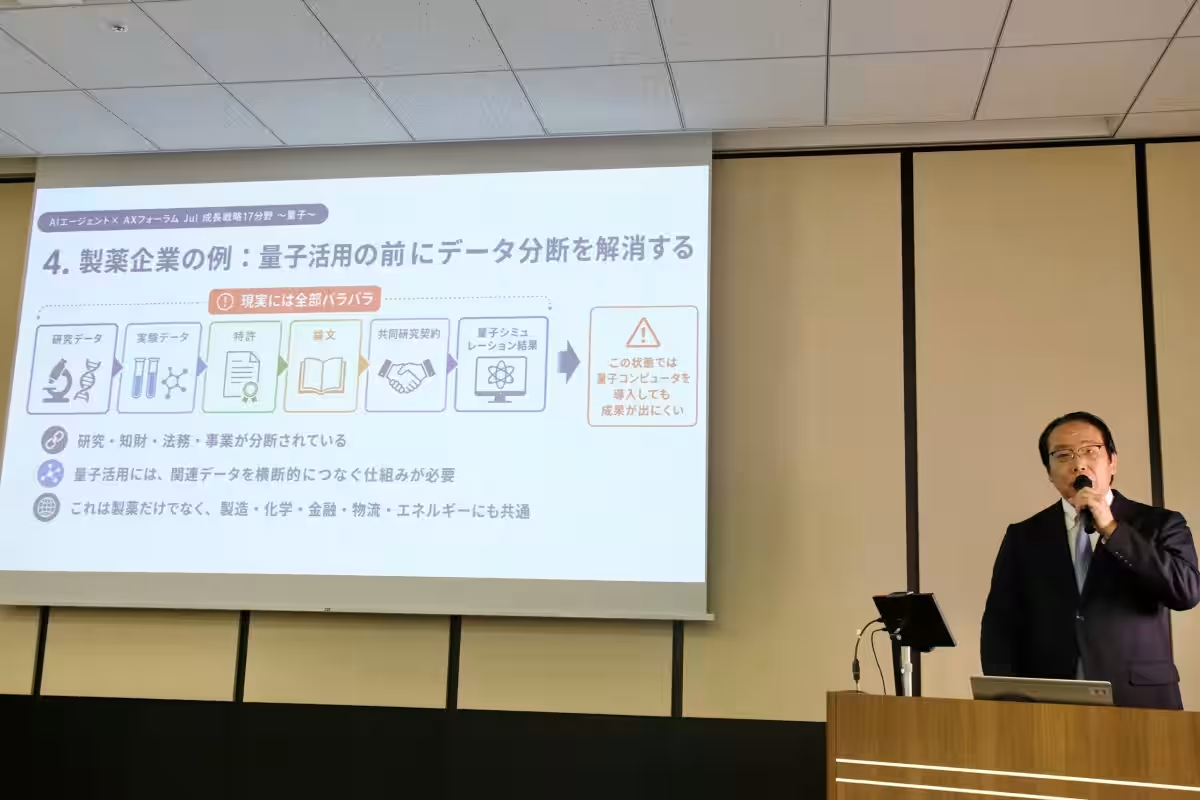
The second session, led by AI Data Corp's CTO Daisuke Shida, addressed the paramount challenge faced in the quantum sector—data silos. Shida pointed out how research, experimental, patent, and market data are often scattered across departments, making cross-organizational utilization challenging. He introduced the concept of the "AI Quantum Industry Data Platform," which integrates data for seamless analysis and knowledge generation, facilitating transitions from research to commercialization and investment decisions.
Using a hypothetical pharmaceutical company as an example, the session showcased a demonstration where various experts within the organization—each focusing on different aspects such as research strategy and investment strategies—collaborate efficiently via an AI-driven platform. Shida reiterated that the race in the quantum landscape does not start with the completion of quantum computers but rather begins with organizing and preparing "Quantum Ready Data" now.
Patent Analysis in the Era of AI Agents
The third session, presented by Legal Tech's CEO Tomoyuki Hirai, highlighted the accelerated pace of patent filings due to advancements in generative AI. Hirai argued for a paradigm shift in viewing patents, not just as protective mechanisms for technologies, but as strategic assets that could anticipate future competitive domains. In the complex and decentralized nature of quantum technologies, he indicated the limitations of traditional patent search methods and endorsed the usage of the "My Tokkyo.Ai" AI agent, capable of generating bespoke search queries from natural language inputs to expedite and enhance patent analysis processes. This approach allows companies to gain insights into their technological advantages and strategies better and faster.
Guiding the Social Implementation of Quantum Technologies
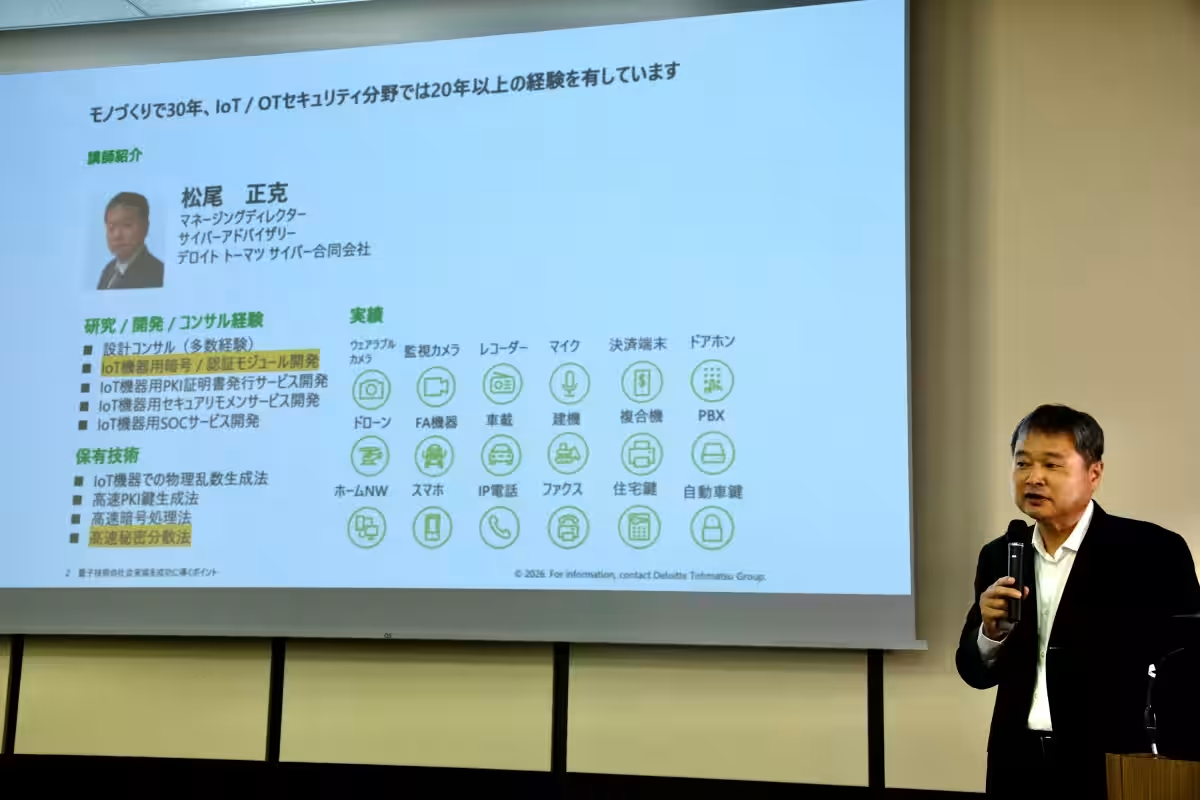
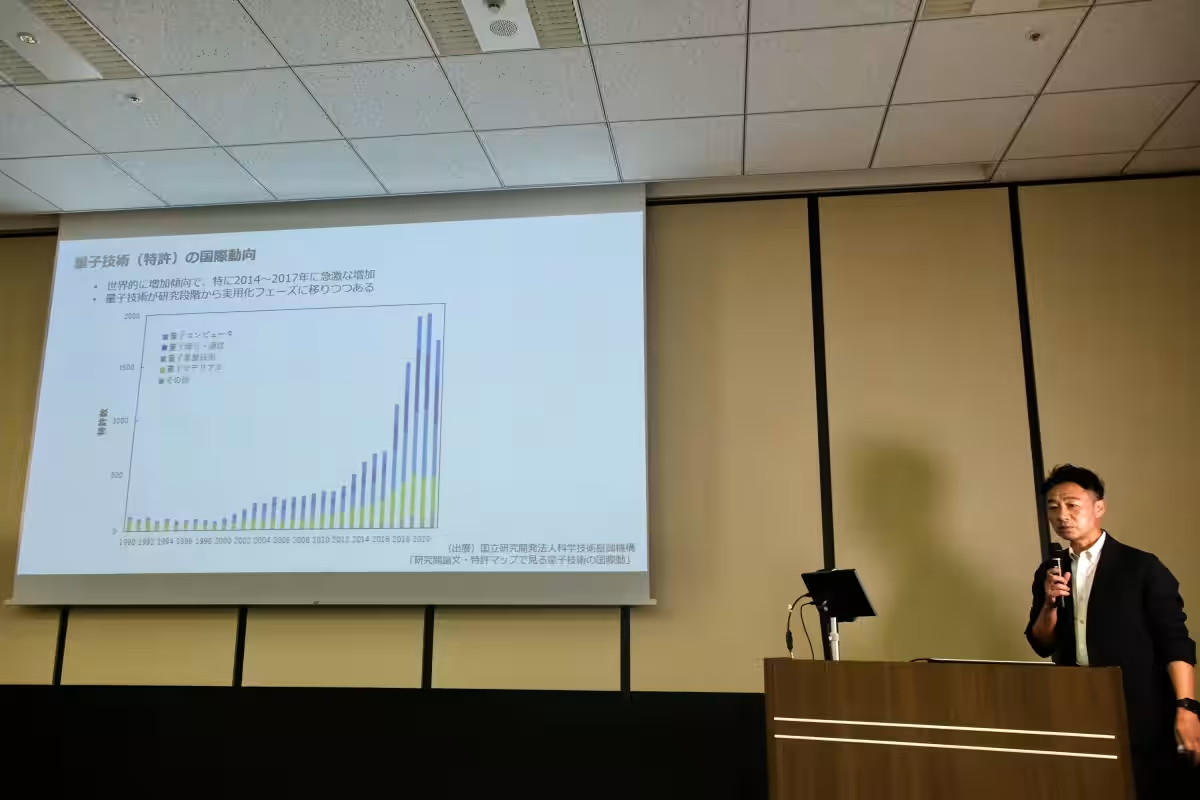
In the fourth session, Matsuo Masakatsu, Managing Director at Deloitte Tohmatsu Cyber LLC, discussed the challenges of translating research outcomes into practical applications for society. He emphasized the importance of aligning technological development with legal regulations, industry standards, intellectual property, alternative technologies, and investment strategies. Matsuo argued that neglecting legal and standard compliance during product development could lead to significant setbacks and highlighted the necessity for strategically acquiring surrounding patents relevant to practical applications.
Accelerating Industrial Utilization of Quantum Computers
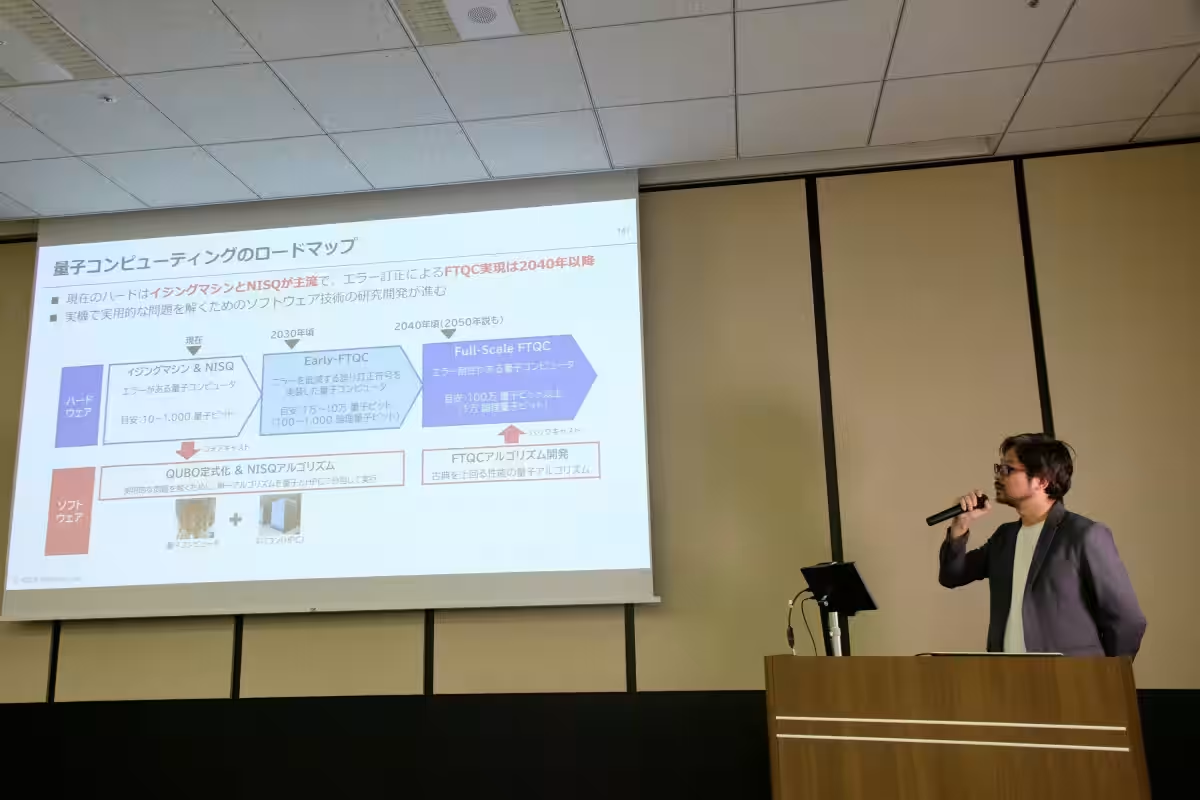
KDDI Research Institute's Kazuhiko Saito, in his session, outlined both the potential and present challenges in utilizing quantum computers for industrial purposes. He introduced the concept of a shared AI-quantum platform that simplifies access and application of quantum resources for non-experts. His vision aims to establish infrastructure akin to the TCP/IP model for computing that will democratize access to quantum computing, enabling straightforward applications in optimization and chemical computation.
Strategies for Successful Social Implementation
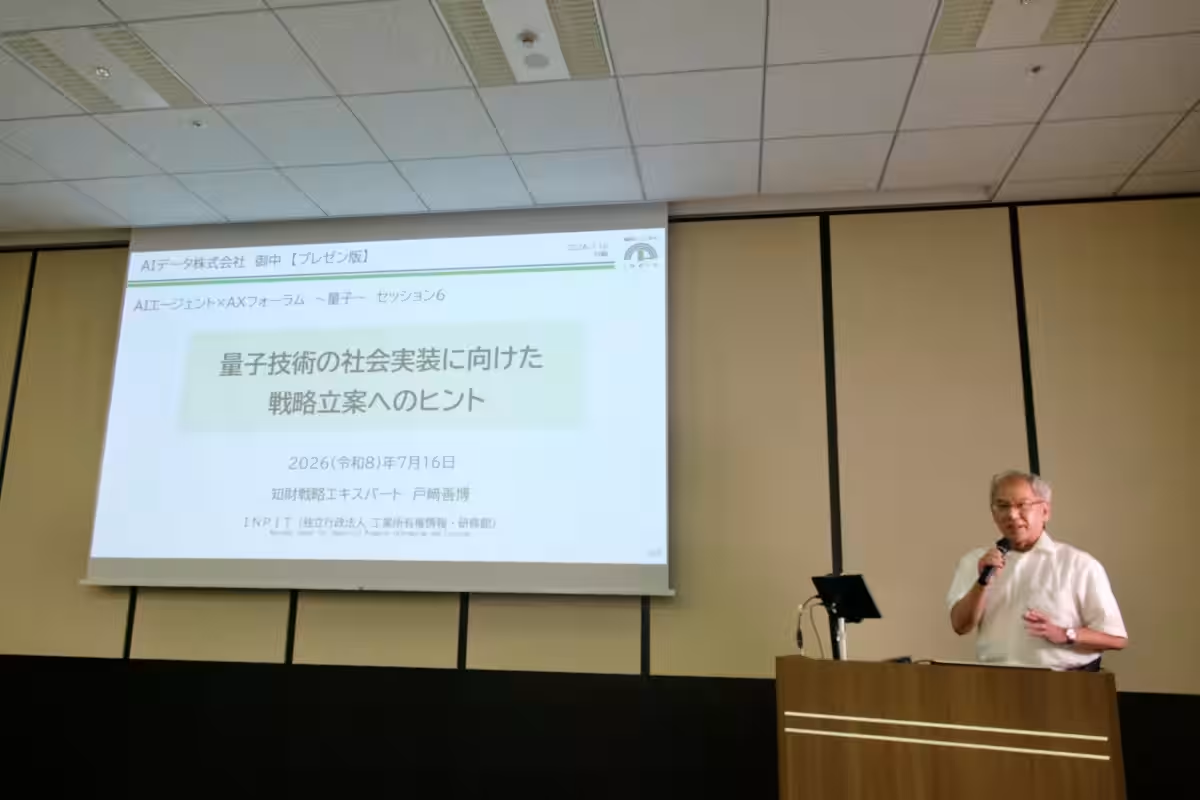
Yoshihiro Tozaki, an intellectual property strategy expert from the Japan Patent Office, concluded the sessions asserting the need for a tripartite approach to social implementation involving business, technology, and intellectual property. He relayed the necessity for companies to refine their market targets and business models while crafting a robust IP and contract strategy, as well as the emerging potential of AI to effectively harness both classical and quantum computing.
Recent Trends and Best Practices in Quantum Safety
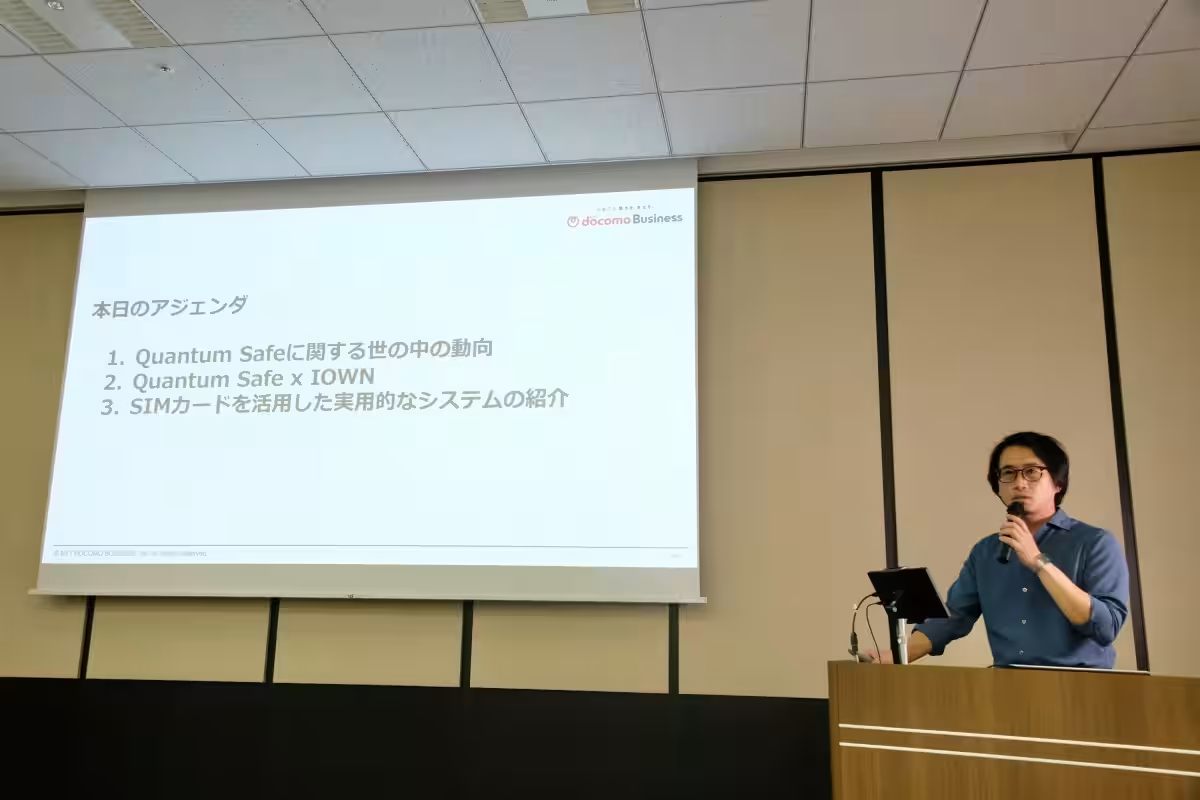
In the final round of presentations, experts shared the practical implications of transitioning to quantum-safe algorithms amidst evolving threats. Patrick Morioka from NTT Docomo emphasized the need for organizations to proactively adopt post-quantum cryptography (PQC), highlighting the implications for a range of systems beyond mere algorithm updates.
Conclusion
Through collaborative discussions and expert insights, it became abundantly clear that stepping into the quantum era requires a forward-thinking strategy focusing on data, intellectual property, security, and organizational readiness. This holistic preparation is vital for transforming enterprises into "Quantum Ready Enterprises," consequently paving the way for sustained growth and securing a favorable competitive position in the innovative landscape ahead.
AI Data Corp will further the discussion at the upcoming "AI Agents x AX Forum—Drug Discovery and Bio" on August 20, 2026. Interested participants from various sectors are encouraged to join and engage further in these pivotal conversations.

Topics Consumer Technology)
【About Using Articles】
You can freely use the title and article content by linking to the page where the article is posted.
※ Images cannot be used.
【About Links】
Links are free to use.