



Innovative IoT Concentration Monitoring System to Enhance Quality Control in Die Casting Industry
Three Companies Collaborate to Develop IoT Concentration Monitoring System
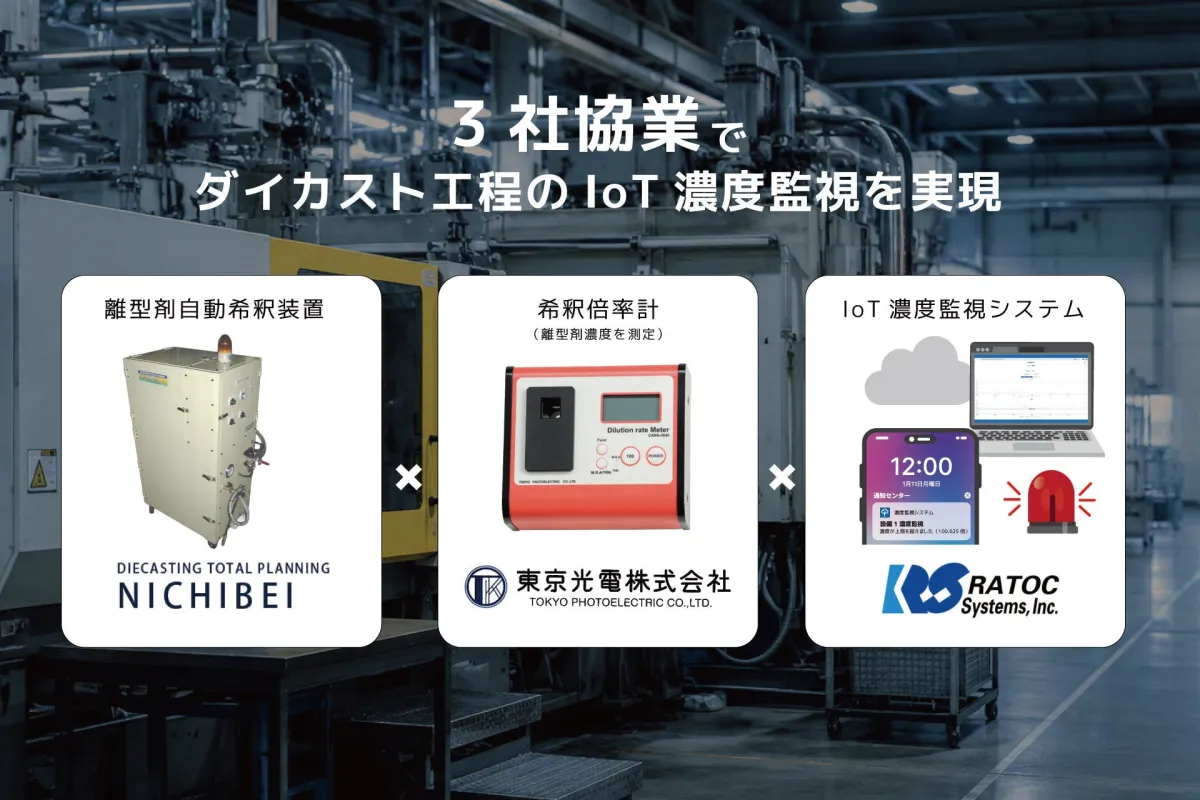
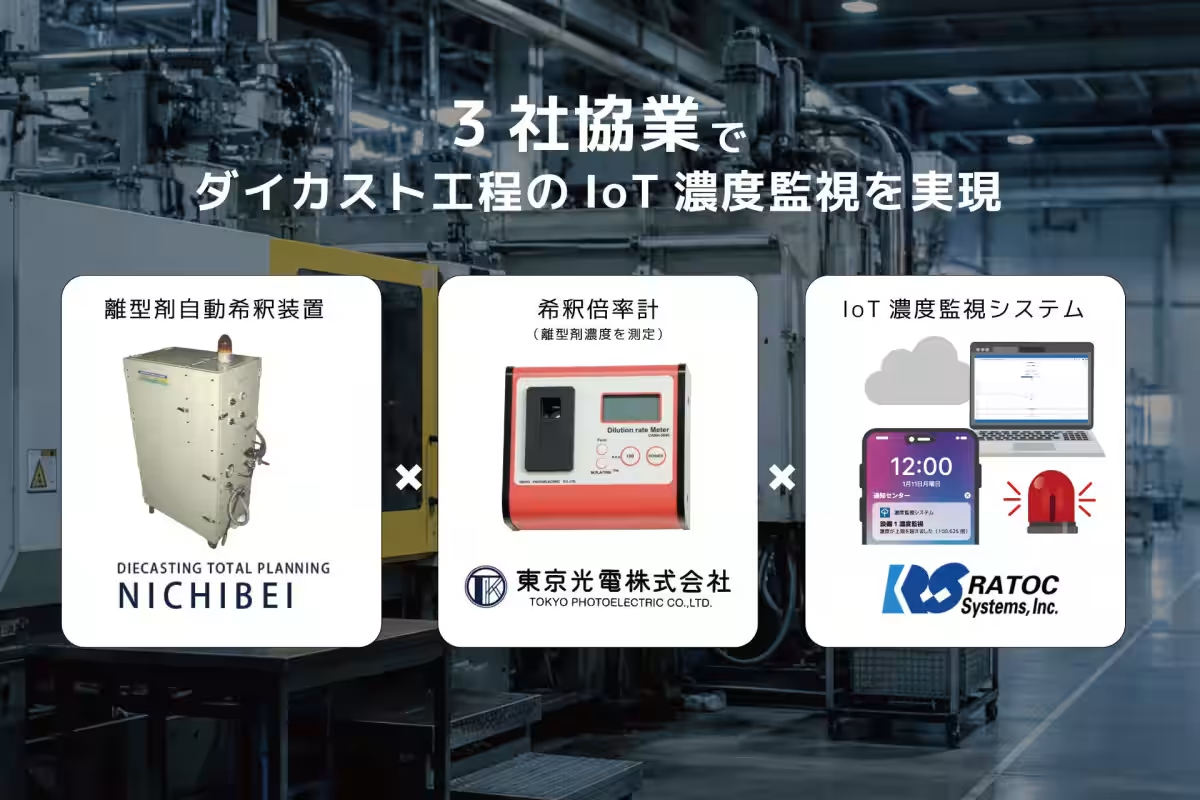
In an exciting development for the die casting manufacturing sector, Ratoc System Co., Ltd., Nichibei Co., Ltd., and Tokyo Koden Co., Ltd. have joined forces to create an innovative IoT Concentration Monitoring System. Scheduled for launch in July 2026, this system is designed to continuously monitor the dilution ratio of release agents used in the die casting process, significantly enhancing product quality and operational efficiency.
The Technology Behind the System
The IoT Concentration Monitoring System is the result of a synergistic partnership that brings together Nichibei’s extensive expertise in die casting, Tokyo Koden’s precision measurement technology, and Ratoc System’s advanced IoT capabilities. This collaborative effort aims to provide a solution that not only detects anomalies in concentration levels early on but also reduces manual oversight, allowing for a streamlined production process.
The primary goal of this system is to monitor the dilution ratio of release agents continuously, eliminating the risks associated with fluctuating pressures and inconsistent mixing, which can lead to quality issues. When concentration levels fall outside acceptable ranges, it can result in production defects, creating significant challenges like batch failures that could amount to hundreds or even thousands of defective units. Such situations may lead to costly waste or time-consuming re-manufacturing, ultimately impacting profitability.
Addressing Industry Challenges
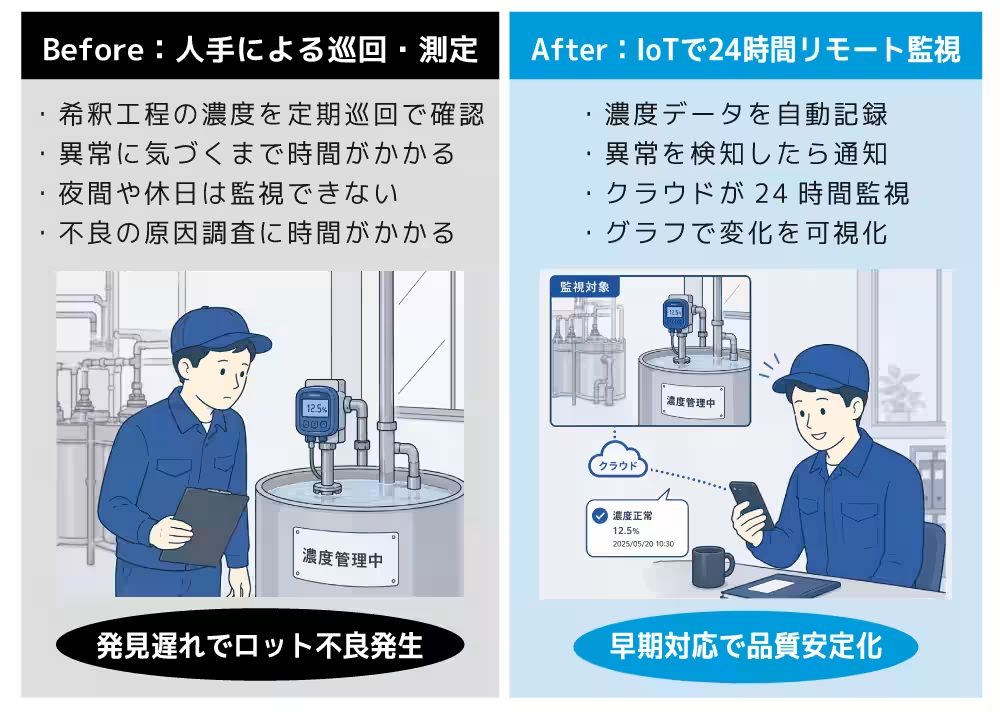
The die casting industry faces numerous challenges, particularly in managing the dilution ratios of release agents effectively. Due to factors such as fluctuating supply pressures and inadequate mixing, conditions can change unexpectedly, leading to potential quality lapses. Many facilities are grappling with labor shortages and rely on infrequent manual measurements to check dilution levels—sometimes just once a day—which increases the time taken to detect any irregularities and exacerbates issues like defective products and cost hikes.
To counteract these challenges, the three collaborating companies pooled their unique technologies and expertise to develop this innovative IoT solution. By enabling continuous monitoring, the system not only enhances quality control but also mitigates the manual labor required for routine checks.
Features of the IoT Concentration Monitoring System
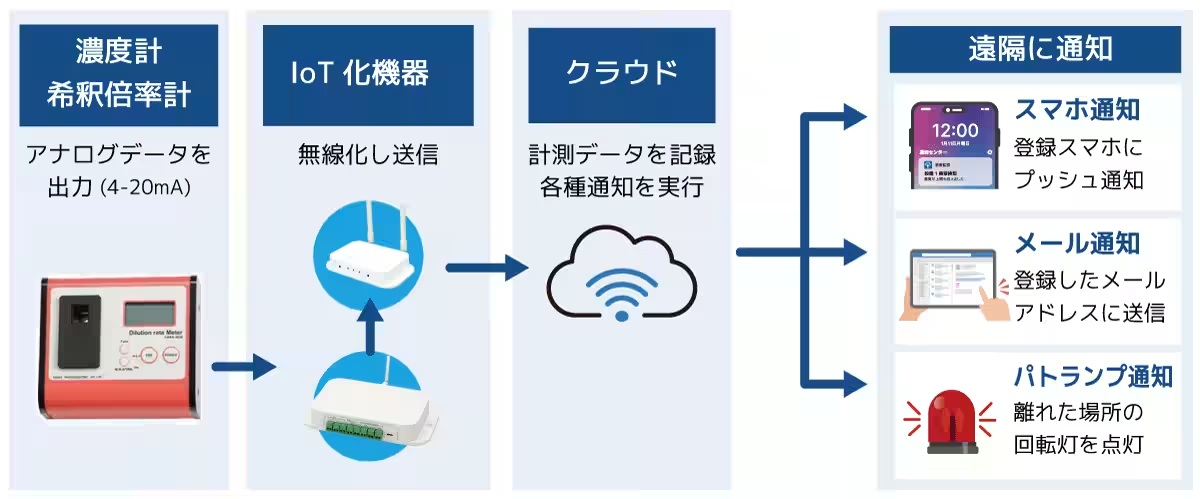
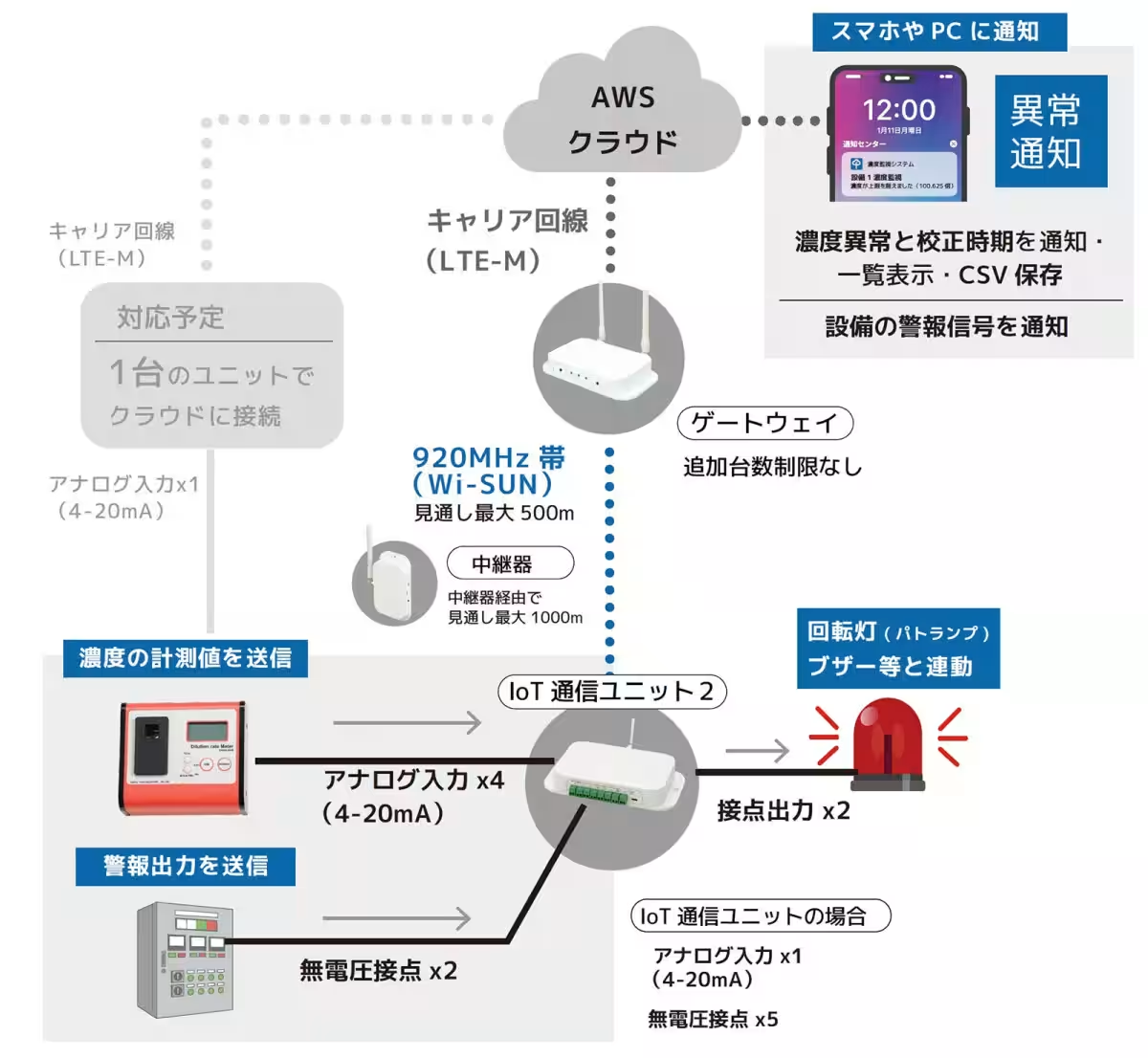
The system's unique offering lies in its ability to automate the monitoring process, providing updates every few minutes (with a minimum interval of five minutes). This level of automation means that production teams can be alerted instantly to any concentration anomalies, enabling rapid intervention before the situation escalates into a broader quality issue.
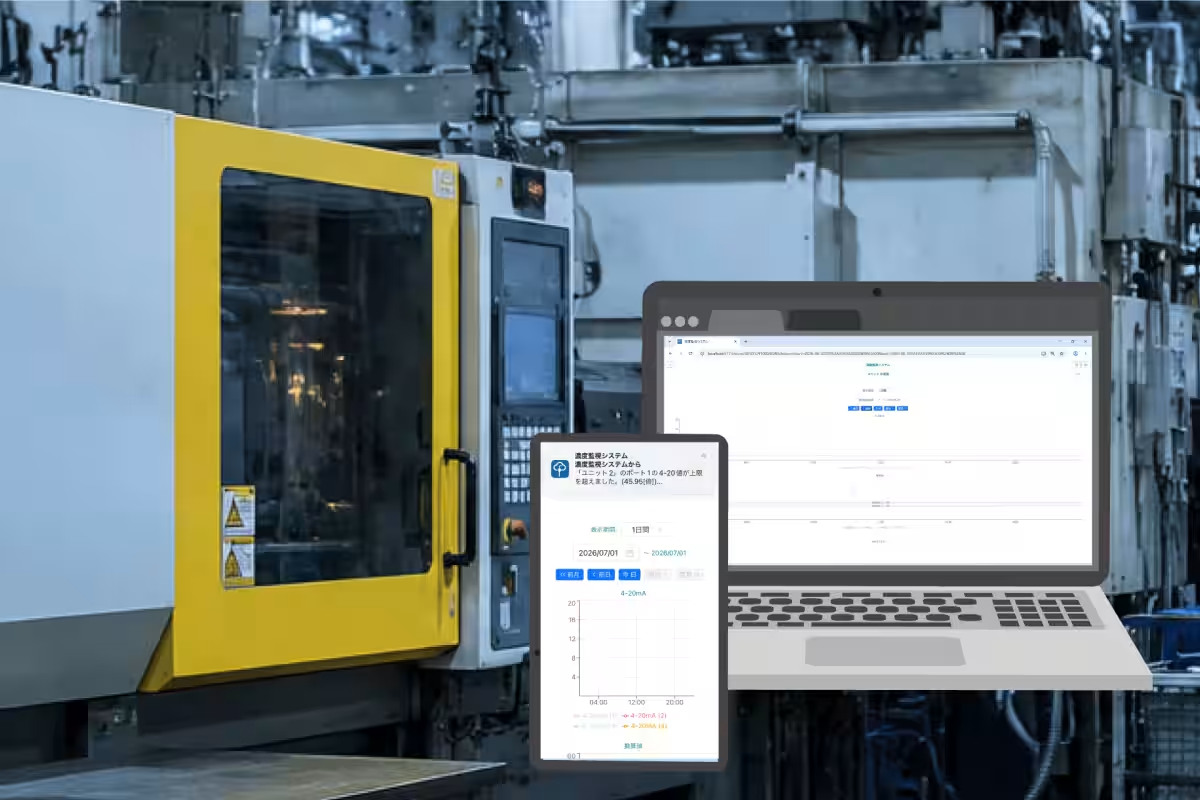
One of the standout features is the ability to visualize concentration data through a web application. This functionality allows quality control teams to analyze trends and conduct root cause investigations more effectively. The system can even send alerts via smartphone notifications or signal lights, ensuring that personnel are informed of any issues in real-time, regardless of their physical location.
Future Prospects and Expansion Plans
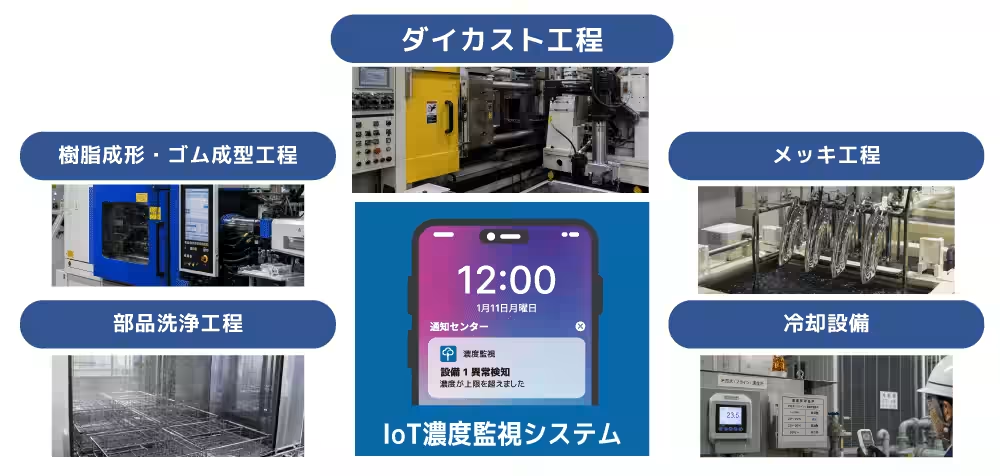
Looking ahead, the developers plan to expand the reach of the IoT Concentration Monitoring System beyond just the die casting industry. They are eyeing manufacturing sectors with similar needs, including those involved in resin molding, rubber processing, plating processes, and cleaning operations. The flexibility and adaptability of the system make it a promising solution for any manufacturing environment where liquid concentration management is critical.
Conclusion
This multi-company collaboration represents an important step toward more efficient manufacturing processes in the die casting industry, with the potential for broader applications across various sectors. By leveraging advanced IoT technology, these companies are not only enhancing quality control but also paving the way for innovation in manufacturing standards.
For more information about the IoT Concentration Monitoring System and its applications, you can visit the respective company websites or contact their corporate solution groups directly.
Topics Consumer Technology)
【About Using Articles】
You can freely use the title and article content by linking to the page where the article is posted.
※ Images cannot be used.
【About Links】
Links are free to use.