



Preserving Japan's Native Honeybees: A Sweet Initiative in Nakano
Preserving Japan's Native Honeybees: A Sweet Initiative in Nakano
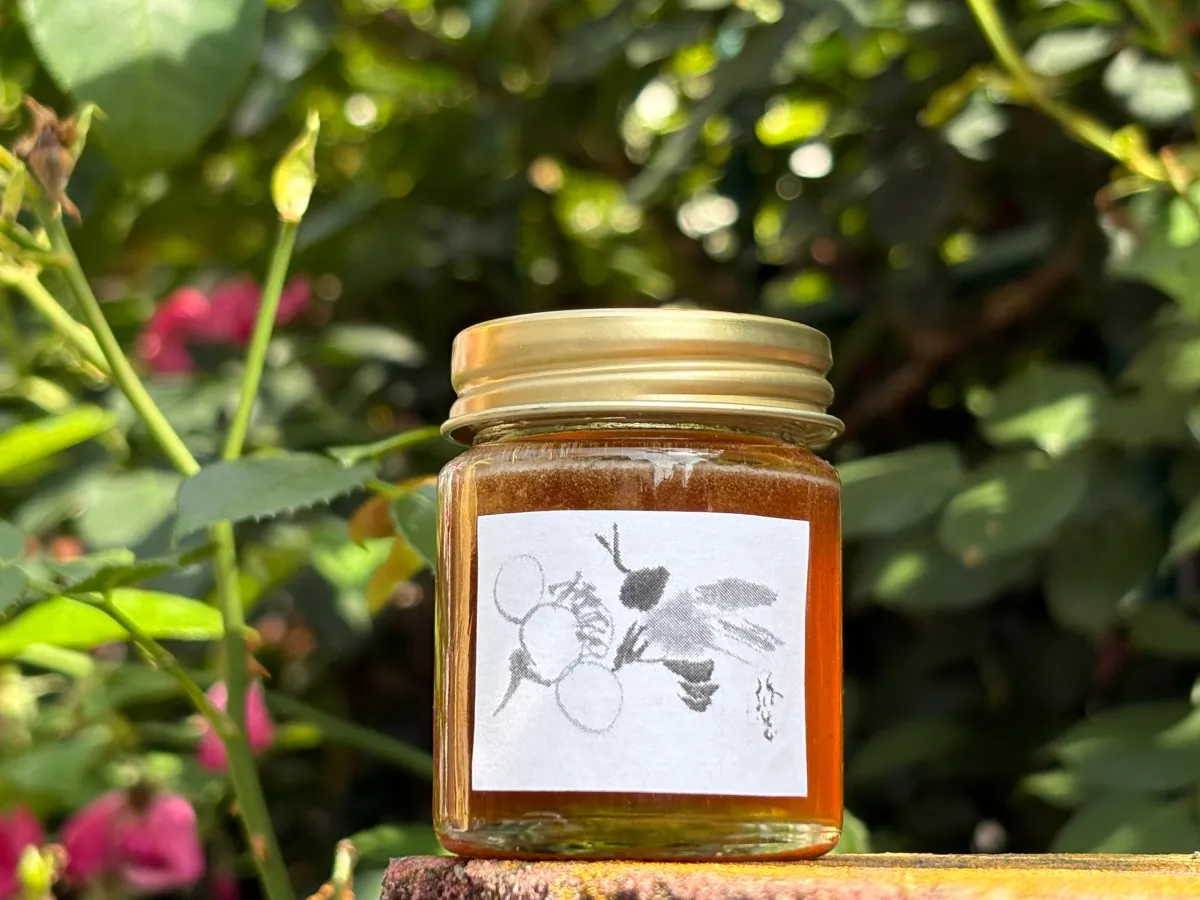
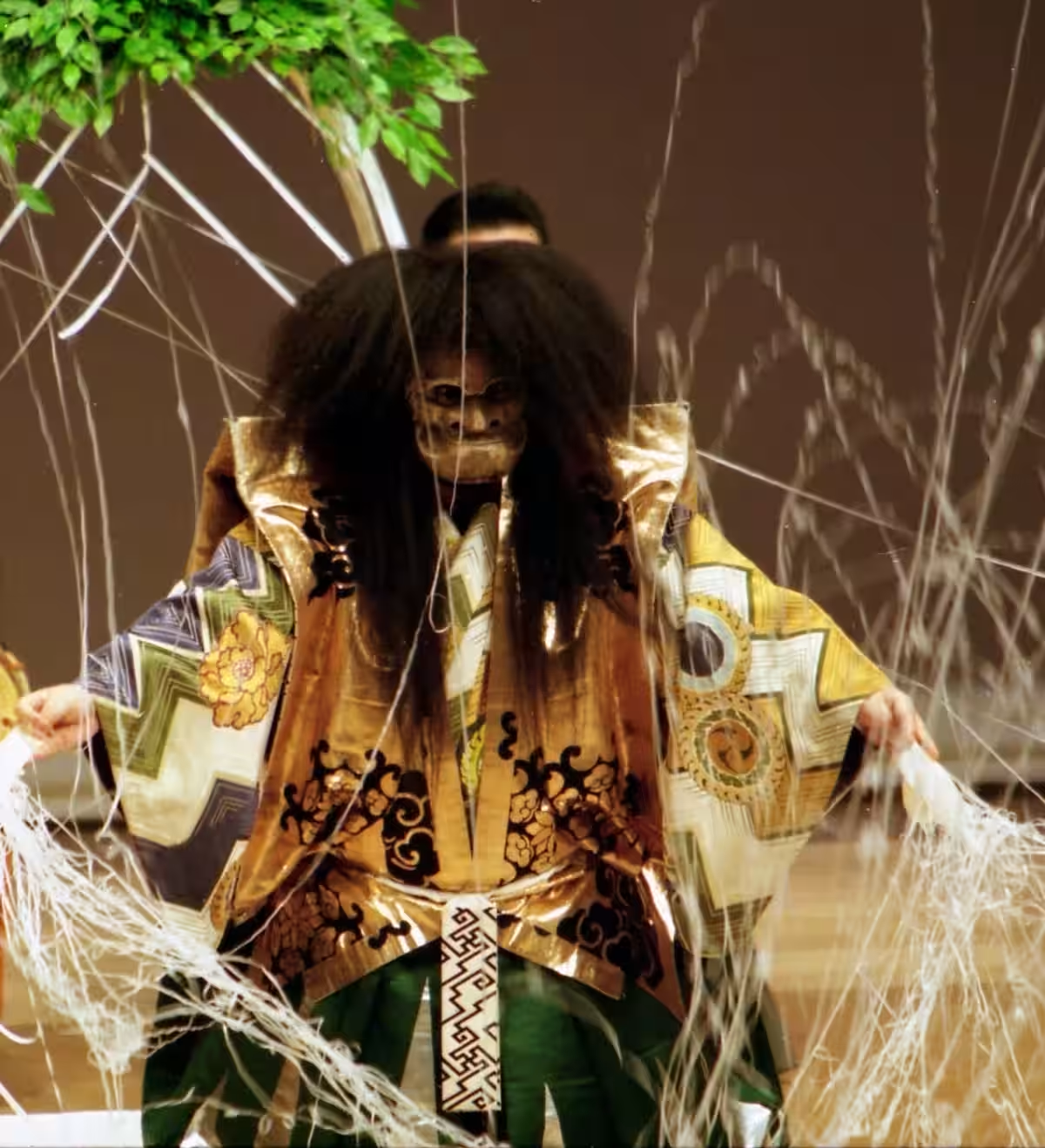
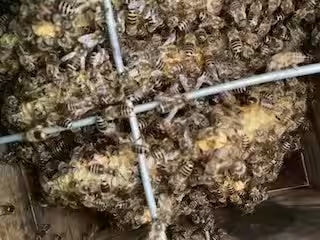
In the heart of Nakano, Tokyo, the Ume Waka Noh Theatre is taking a remarkable step towards environmental conservation by offering honey produced by native Japanese honeybees, or Nihon Mitsubachi, through a hometown tax return project. This initiative not only promotes the rich cultural heritage of Noh theatre but also emphasizes the importance of protecting native species and their natural habitats.
The Initiative
The organization behind this effort, Nihon Bunka Keihatsu (Japan Cultural Promotion), is passionate about raising awareness on the need to protect the environment by focusing on these vital pollinators. Their ongoing project emphasizes the well-being of honeybees, which are crucial indicators of environmental health. As June approaches—designated as Environment Month in Japan—they aim to foster knowledge about their initiative and inspire discussions about nature conservation.
Understanding Nihon Mitsubachi
The honey made by these native bees comes with a rich history tied to Japanese tradition. Noh theatre, much like the Nihon Mitsubachi, is a unique art form that has been cherished and preserved in Japan for 700 years, closely intertwined with the country's beautiful natural environment. The presence of honeybees plays a significant role in this relationship, reminding us of the delicate balance between cultural practices and ecological sustainability.
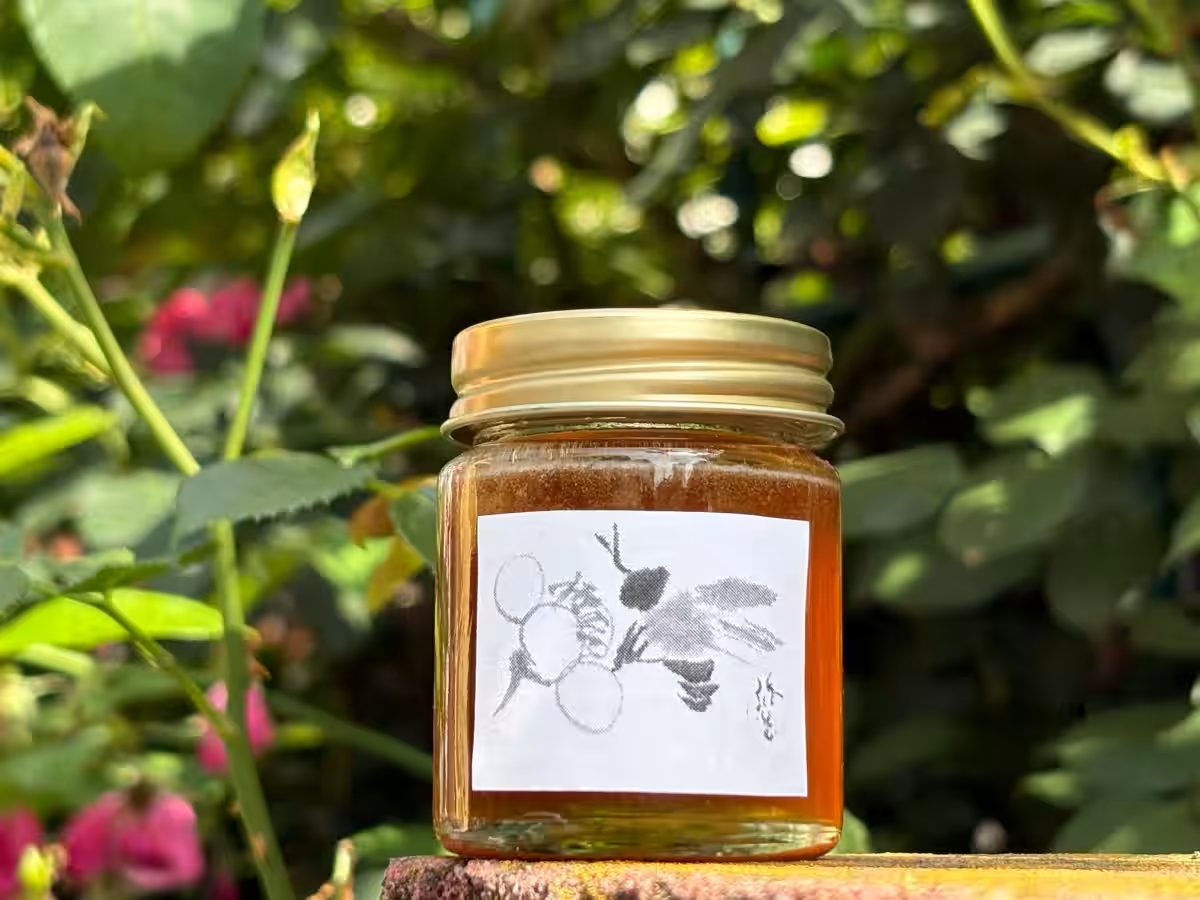
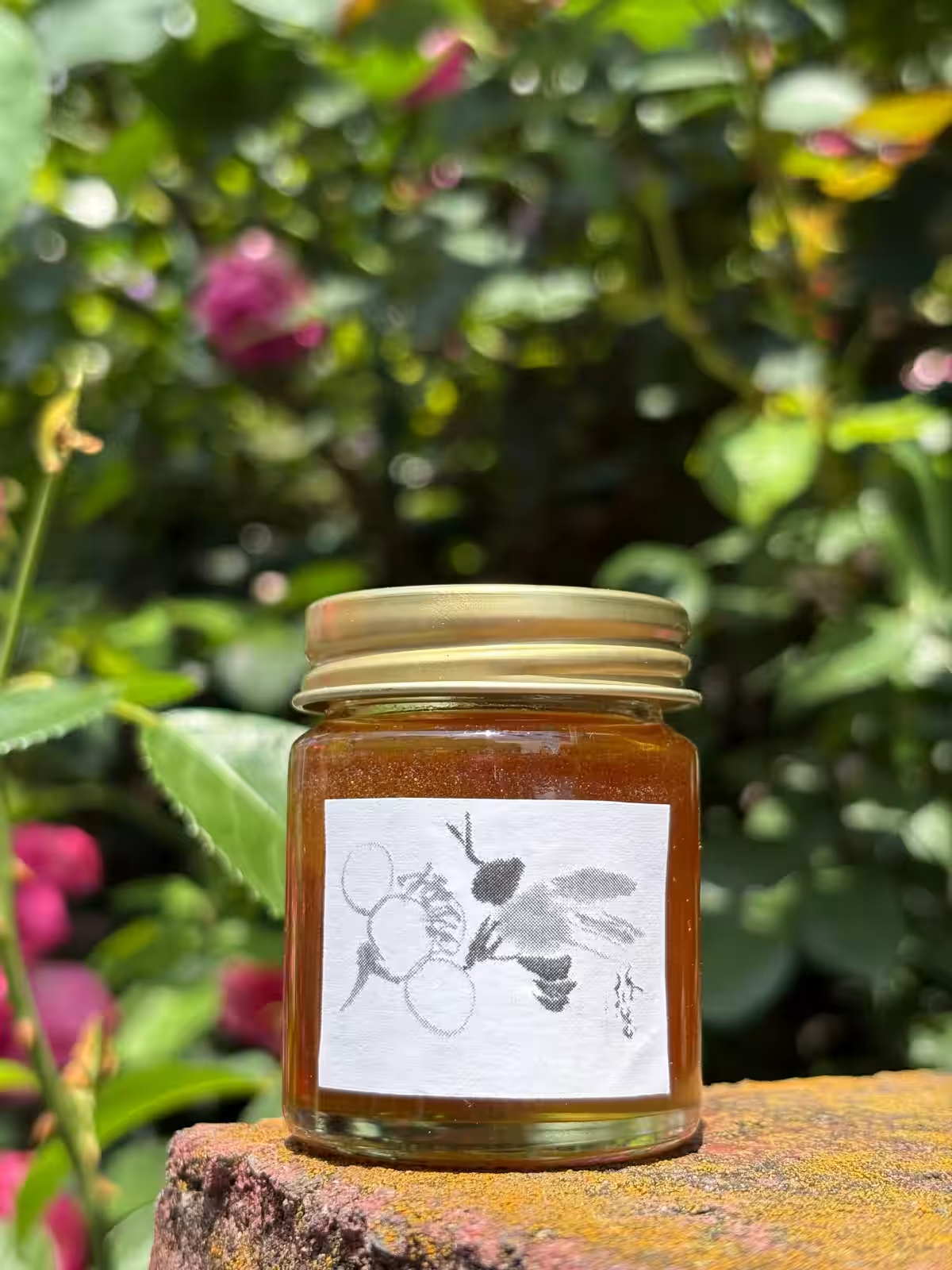
Interestingly, honey historically was treated more as a rare offering or medicinal product rather than a common food item in Japan. Today, only 6% of honey in the country is produced locally, with native honeybee honey accounting for a mere 0.1%. The honey produced at the Ume Waka Noh Theatre is a rare and natural product, created without artificial sugars, and represents the hive's survival efforts in a world becoming increasingly hostile to their existence.
The Honey Production Process
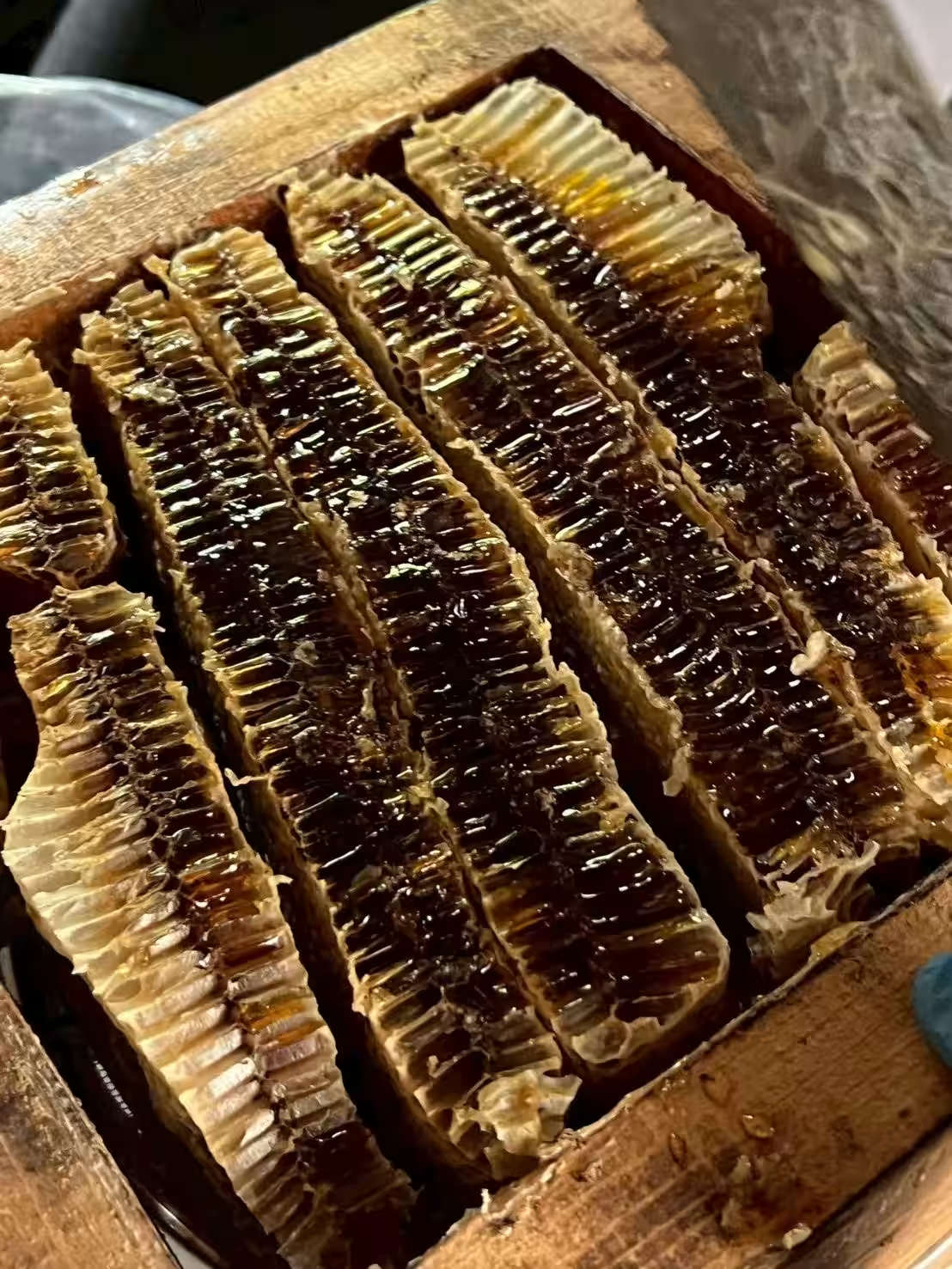
The journey from flower to jar for this honey involves several meticulous steps:
1. Nectar Collection: Honeybees collect nectar and return to the hive.
2. Enzymatic Breakdown: Inside the hive, the collected nectar undergoes enzymatic breakdown.
3. Evaporation and Concentration: Bees flap their wings to facilitate water evaporation, concentrating the nectar.
4. Maturation and Storage: Matured honey is sealed with a wax cap for preservation.
From one honeybee’s lifetime, merely a teaspoon of honey is produced. The project aims to share 1 kg of this unique honey through the hometown tax return, marking a significant milestone in promoting awareness and appreciation for these bees.
Commitment to Conservation
The Ume Waka Noh Theatre’s initiative reflects a deep commitment to not just honey production, but to the overall well-being of Nihon Mitsubachi. The group recognizes that beekeeping cannot be about extractive practices; it’s about coexistence. This philosophy is instilled in their approach, ensuring minimal intervention in the bees’ natural processes, aiming to enhance their living conditions instead.
The Broader Vision
Local officials have shown support for expanding this initiative, including integrating honeybee education programs in schools and planting pollen-rich flora to ensure sustainable foraging grounds for the bees. Such actions are crucial, particularly in urban environments like Nakano, where greenery is diminishing. The Ume Waka Noh Theatre welcomes community involvement to further expand these efforts, paving the way for future generations to appreciate nature and the arts.
Call to Action
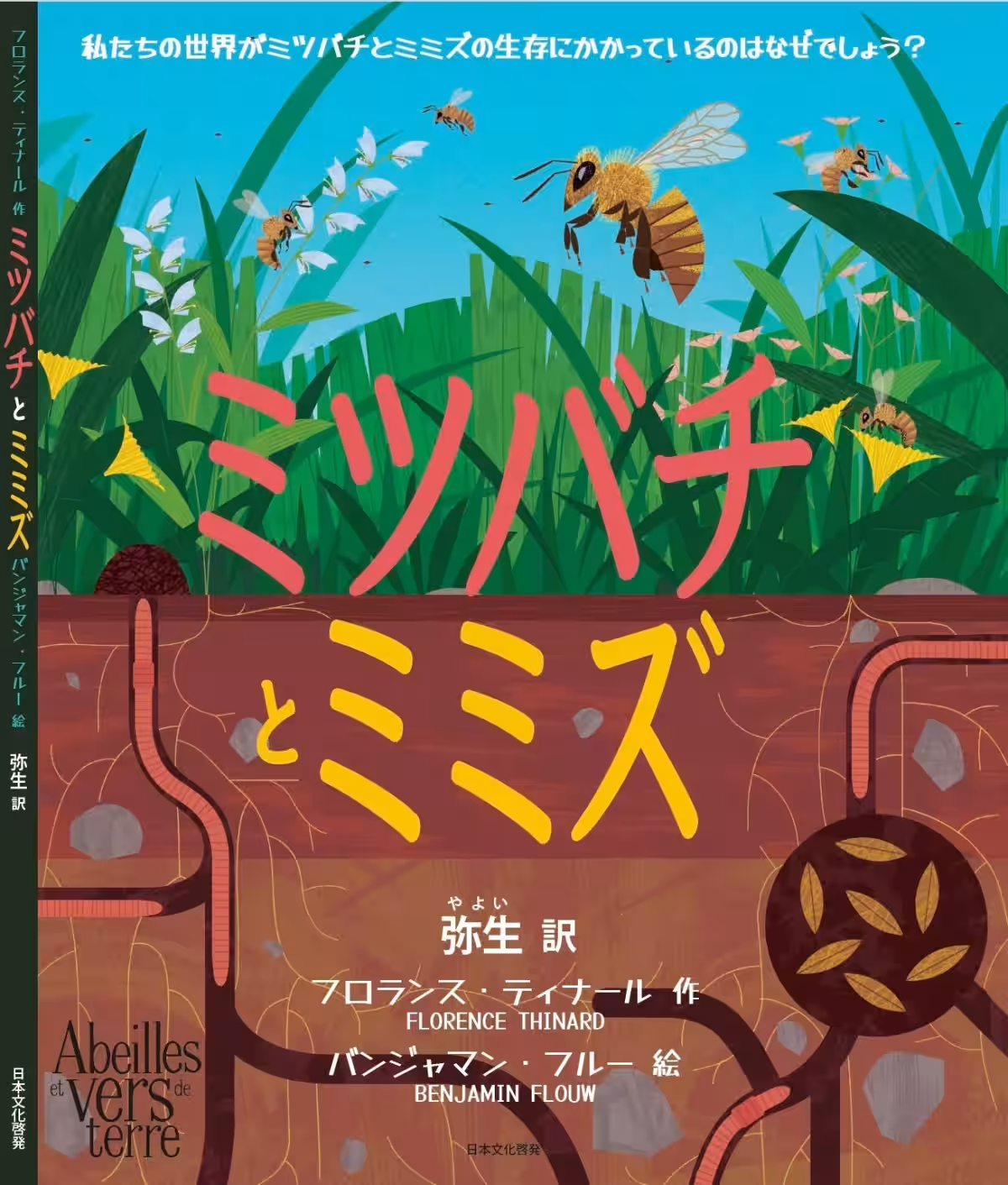
As the initiative progresses, it also seeks to educate the public through children's books and community events that emphasize the importance of pollinators. By sharing knowledge and fostering a connection between traditional arts and environmental stewardship, the project not only preserves the native honey varieties but also promotes a vision of a harmonious existence with nature.
This initiative will be crucial in spreading awareness and informing people about the intricate relationships between culture, nature, and sustainability in Japan.
Topics Environment)
【About Using Articles】
You can freely use the title and article content by linking to the page where the article is posted.
※ Images cannot be used.
【About Links】
Links are free to use.