



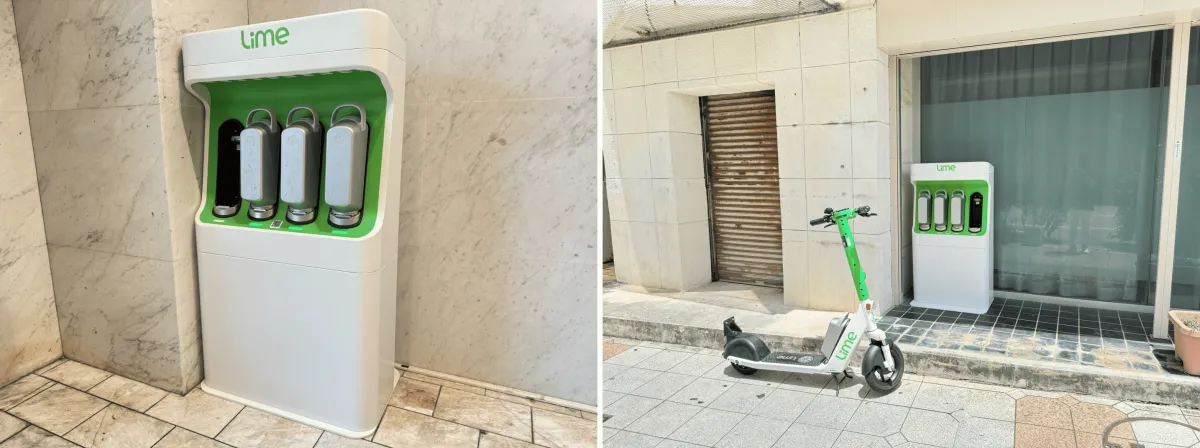
Pacific City Innovates with First Ever Battery Swap Stations for Users
Japan's First Battery Swap Stations
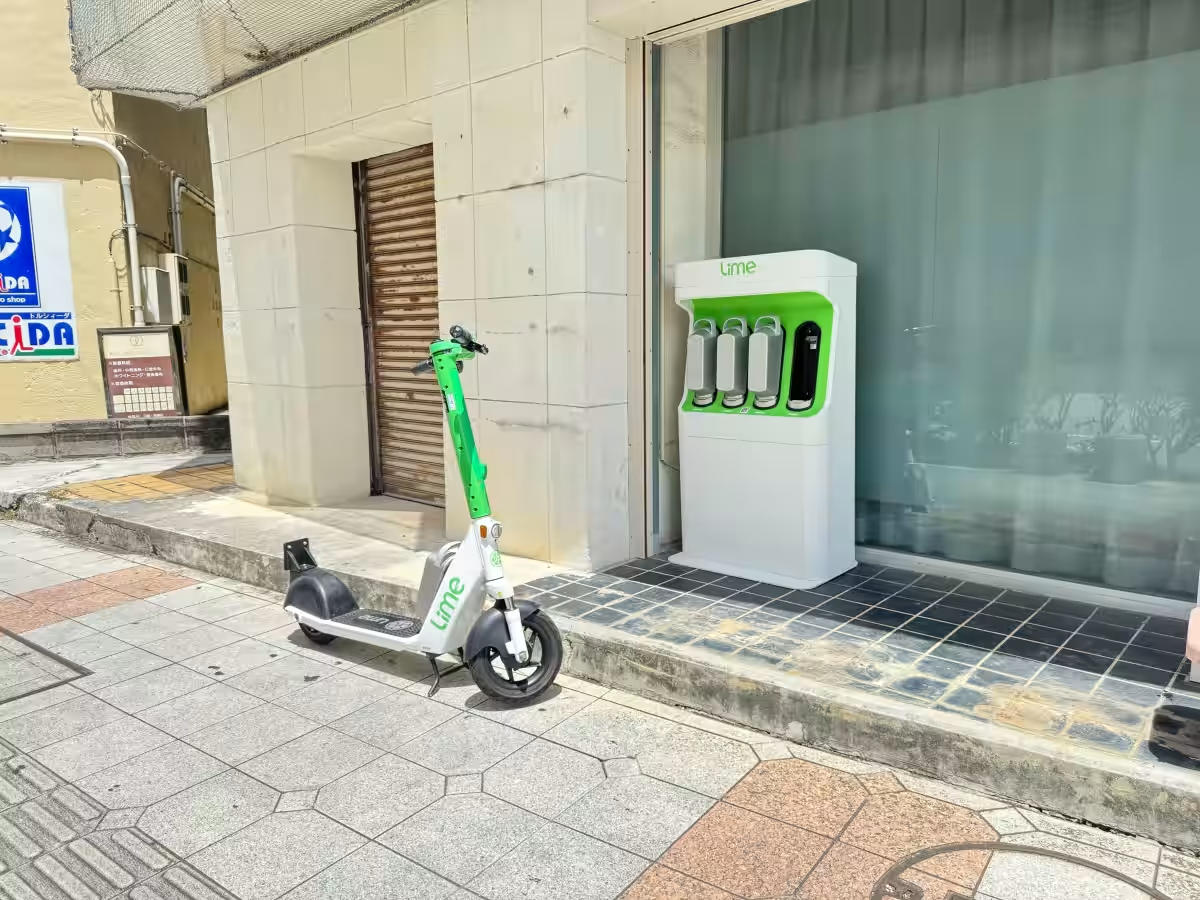
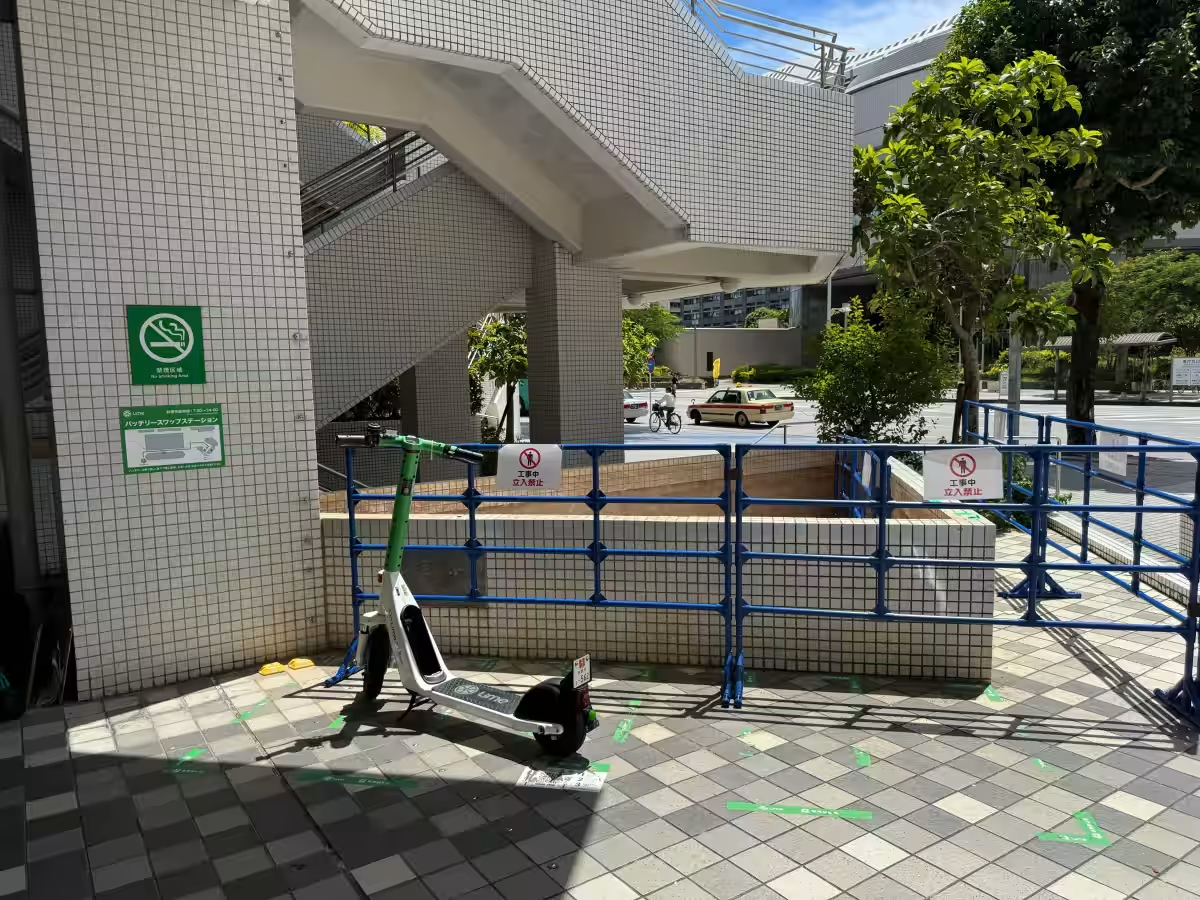
In a groundbreaking move for urban mobility in Japan, Lime Inc., a leading player in electric mobility sharing services, has opened the country’s first user-operated battery swap stations in Naha, Okinawa. This pioneering initiative aims to enhance convenience and sustainability in integrating electric mobility into daily commuting.
The Concept of Battery Swap Stations
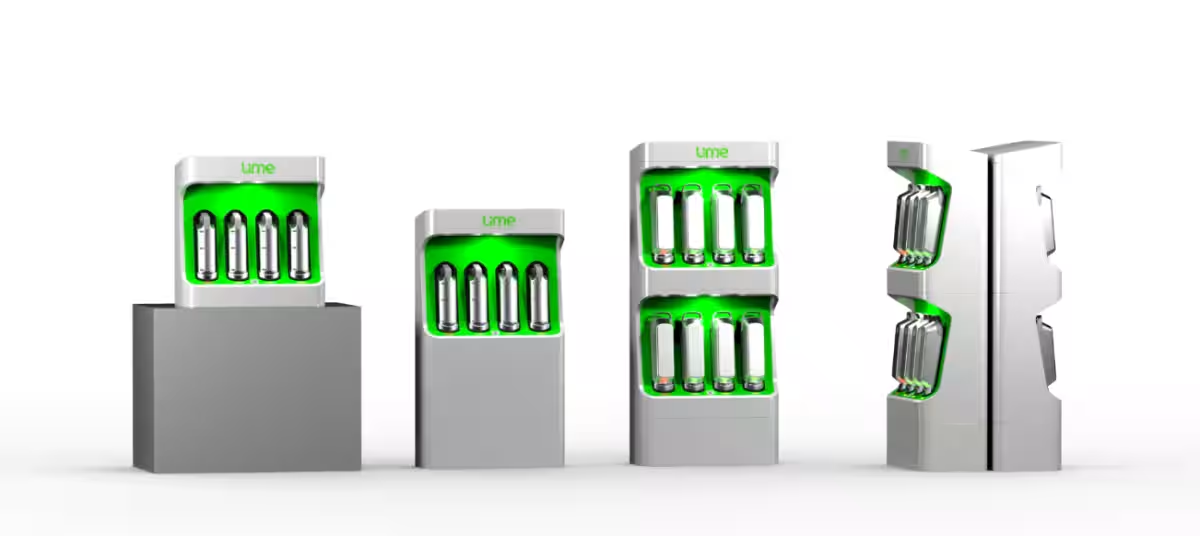
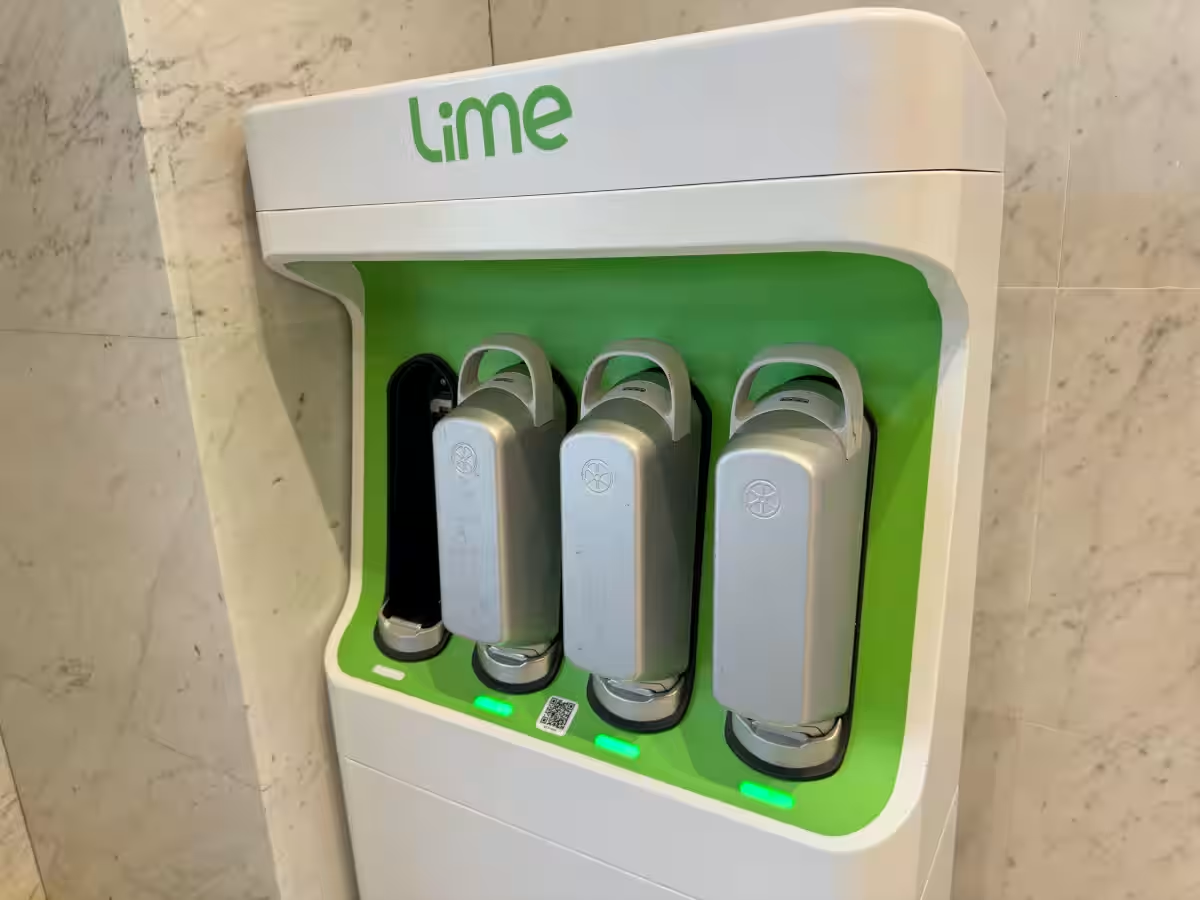
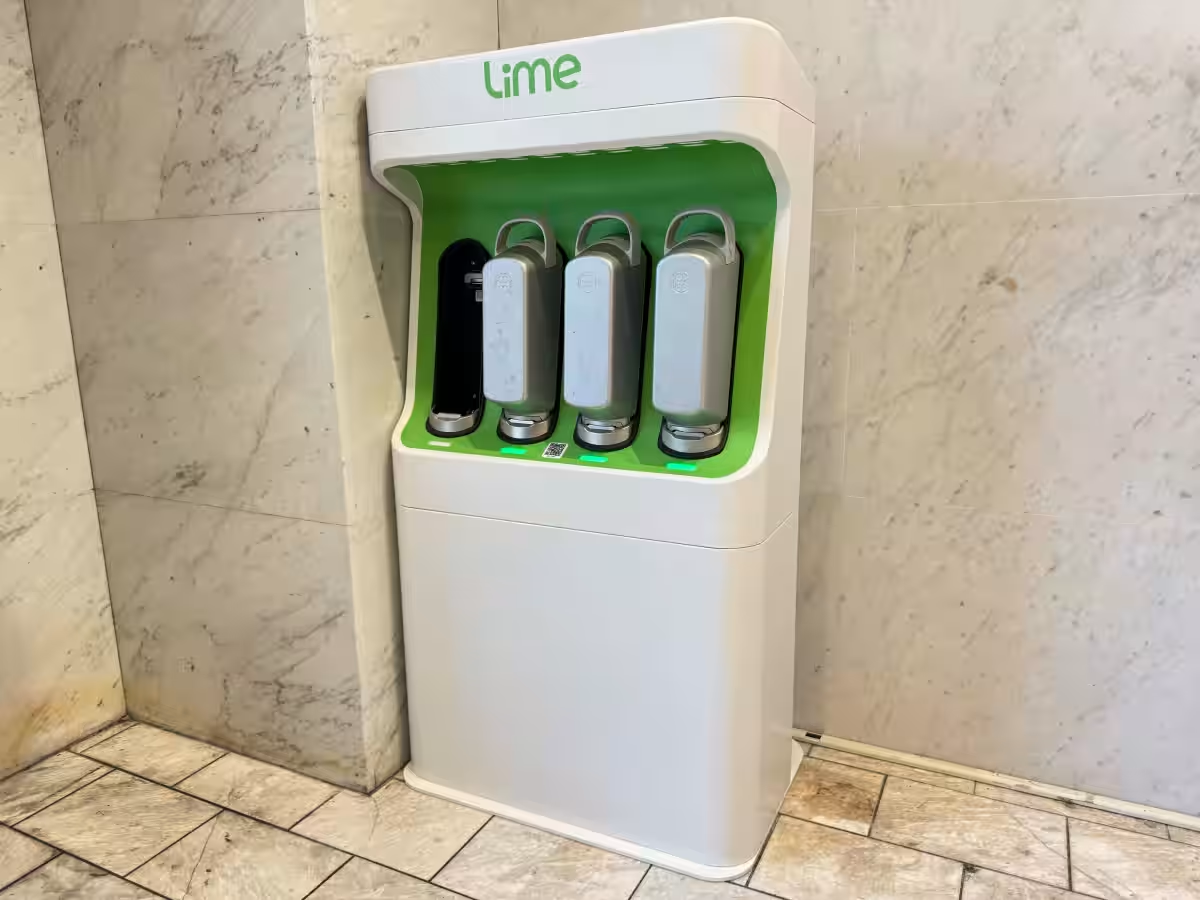
Battery swap stations are specialized stands where users can replace depleted batteries with fully charged ones, vastly improving the efficiency of electric mobility. Traditionally, battery replacement has relied on operators, but with these new stations, customers can now switch their batteries themselves, eliminating wait times for charging and promoting a more sustainable usage pattern. Users simply return the low-charge battery to the swap station and immediately can head off with a new one.
Locations and Operational Hours
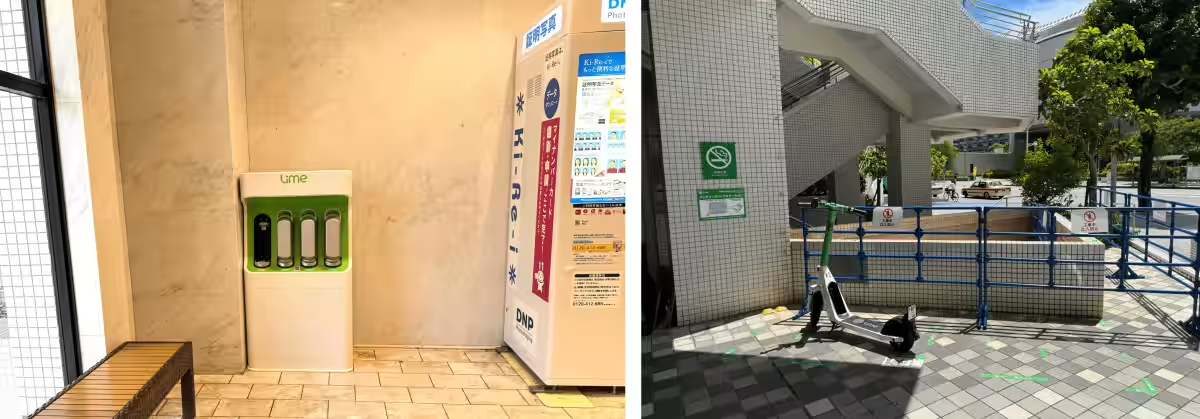
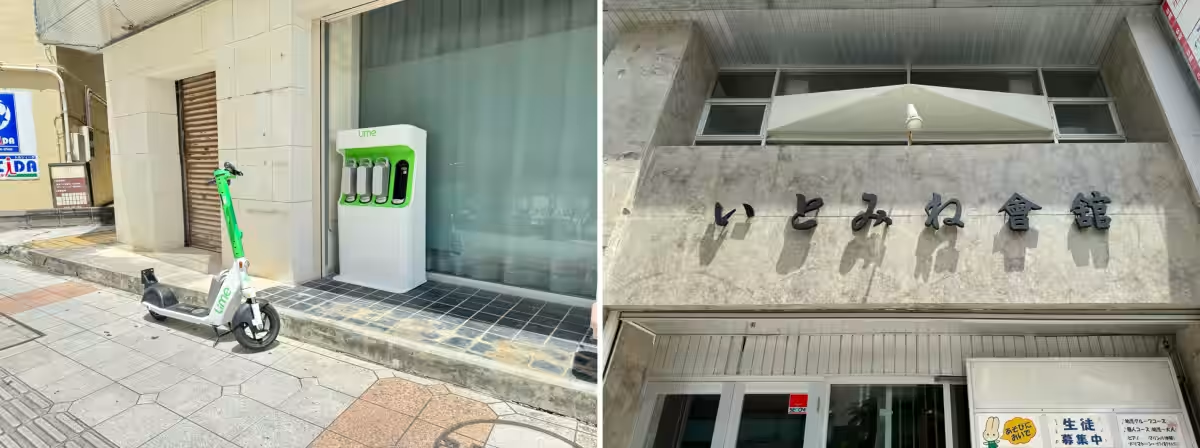
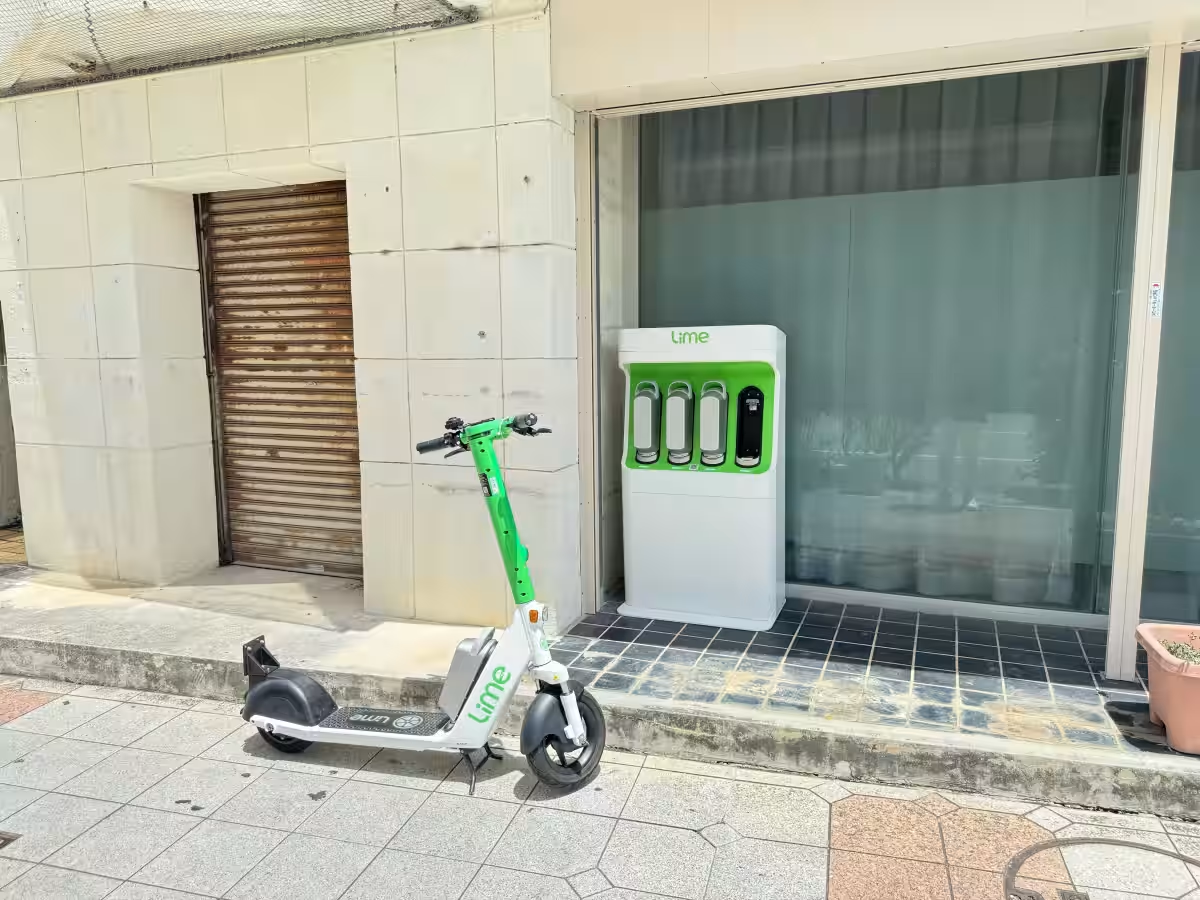
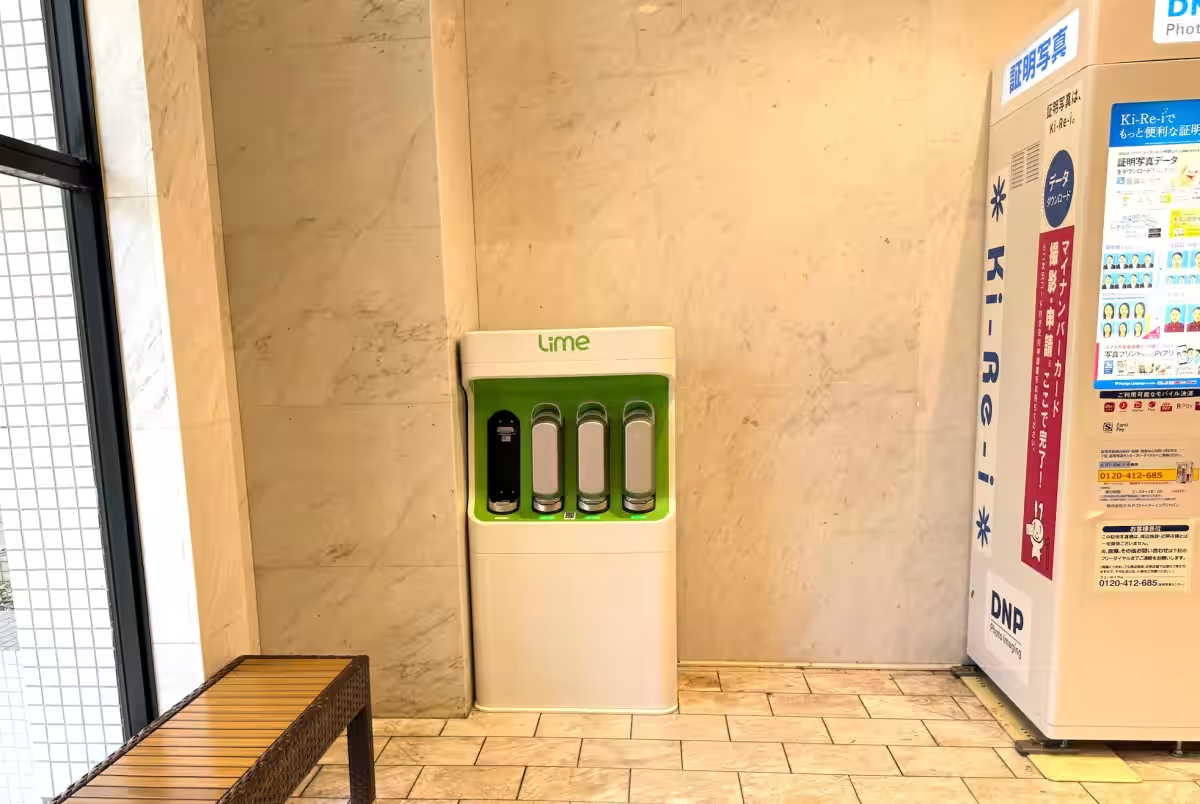
Lime has strategically placed two battery swap stations in Naha:
1. Palette Kumoji: Located on the first floor near the transparent elevator hall, operating daily from 7 AM to midnight.
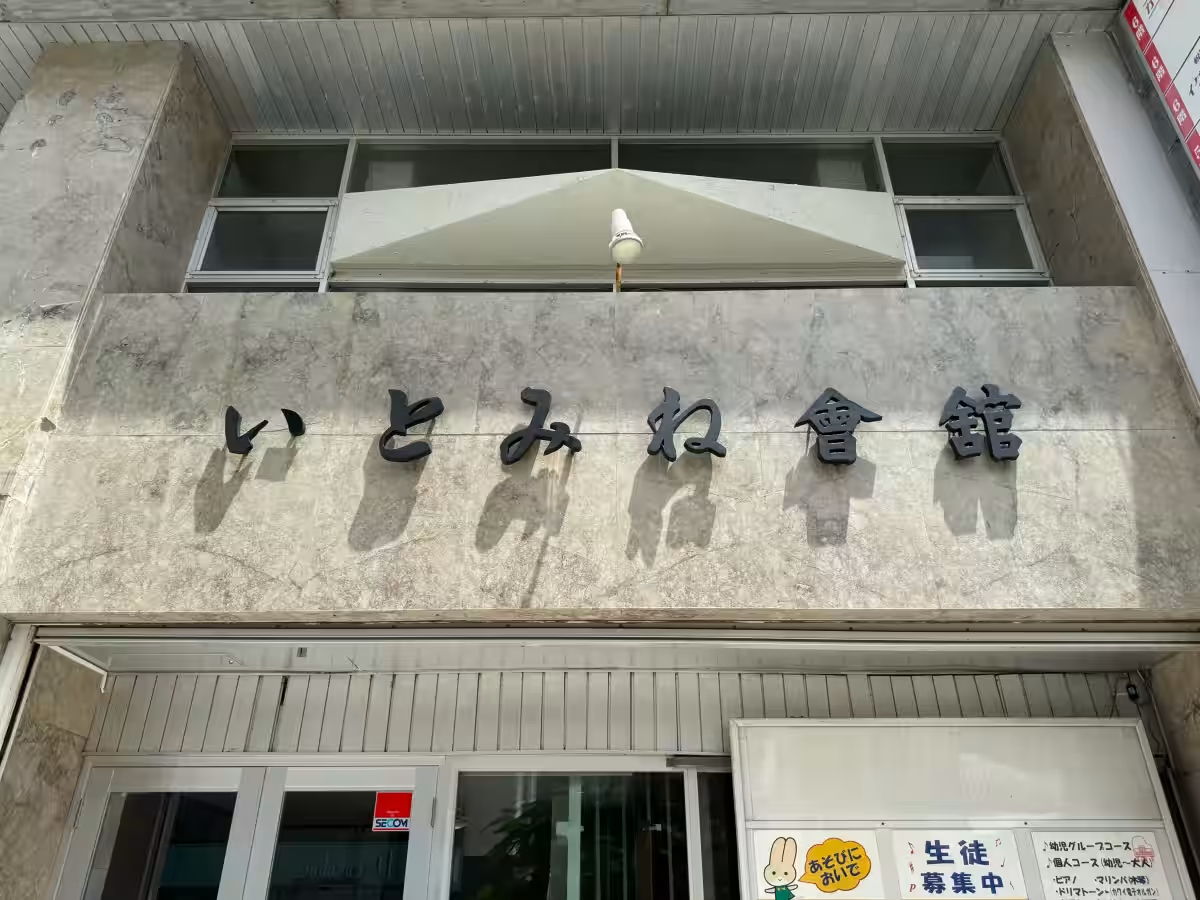
2. Itohime Hall: Situated on the west side of the first floor in front of the building, available 24/7, excluding emergency situations like typhoons.
Special Offers for Users
To encourage users to participate in this sustainable system, Lime is offering a 30-minute free ride for those who utilize the battery swap feature. This incentive not only motivates users to engage but also aims to promote battery recycling and sustainable urban mobility, marking a significant shift in how electric vehicles and scooters are operated.
Advantages of the New System
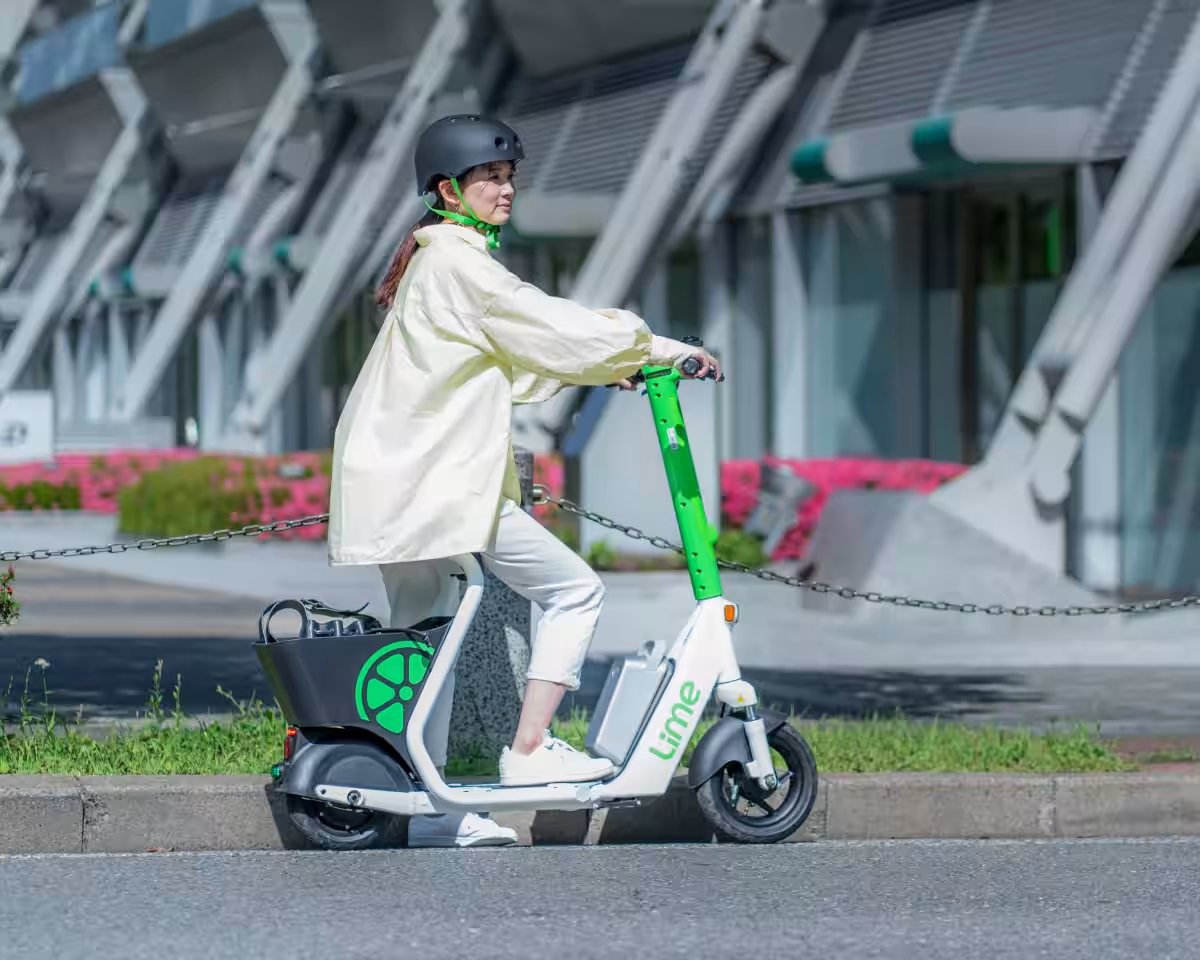
1. User-Friendly Experience: This is the first time that a self-service battery-swapping mechanism has been introduced for electric scooters categorized as certain light motor vehicles in Japan. By allowing users to take battery swapping into their own hands, Lime is setting a new industry standard.
2. Efficient Operations: The ability for users to exchange batteries themselves reduces staff involvement, enhancing operational efficiency while maximizing the battery turnover rate.
3. Environmental Sustainability: Reinforcing battery circulation through recycling contributes to reducing environmental impacts and aims for a more sustainable mobility society.
Future Directions
Following the successful launch in Okinawa, Lime is considering expanding its battery swap stations to other major cities across Japan, striving to create a more accessible, reliable, and sustainable electric mobility infrastructure. This effort is aligned with Lime's mission to evolve electric mobility into a mainstream public transport option while advocating for a carbon-free future.
About Lime
Founded in August 2019 and headquartered in Minato, Tokyo, Lime specializes in electric micromobility sharing services. With a presence in approximately 30 countries across five continents, Lime has achieved hundreds of millions of rides, transforming urban mobility experiences. In Japan, Lime promises to deliver innovative solutions, including the electric sit-boarding service known as Lime RakuMo starting in August 2024.
To learn more about the Lime service and safety policies, visit their website or download the app from the Apple Store or Google Play. All users must complete a safety education session through the app before riding, ensuring a secure and responsible riding experience. Lime is also committed to riders' safety through various insurance measures protecting against accidents.
This novel initiative could set a new benchmark for urban commuting in Japan, combining ease of use with a focus on sustainability, making electric mobility a more viable and attractive option for everyday commuters.

Topics Consumer Products & Retail)
【About Using Articles】
You can freely use the title and article content by linking to the page where the article is posted.
※ Images cannot be used.
【About Links】
Links are free to use.