



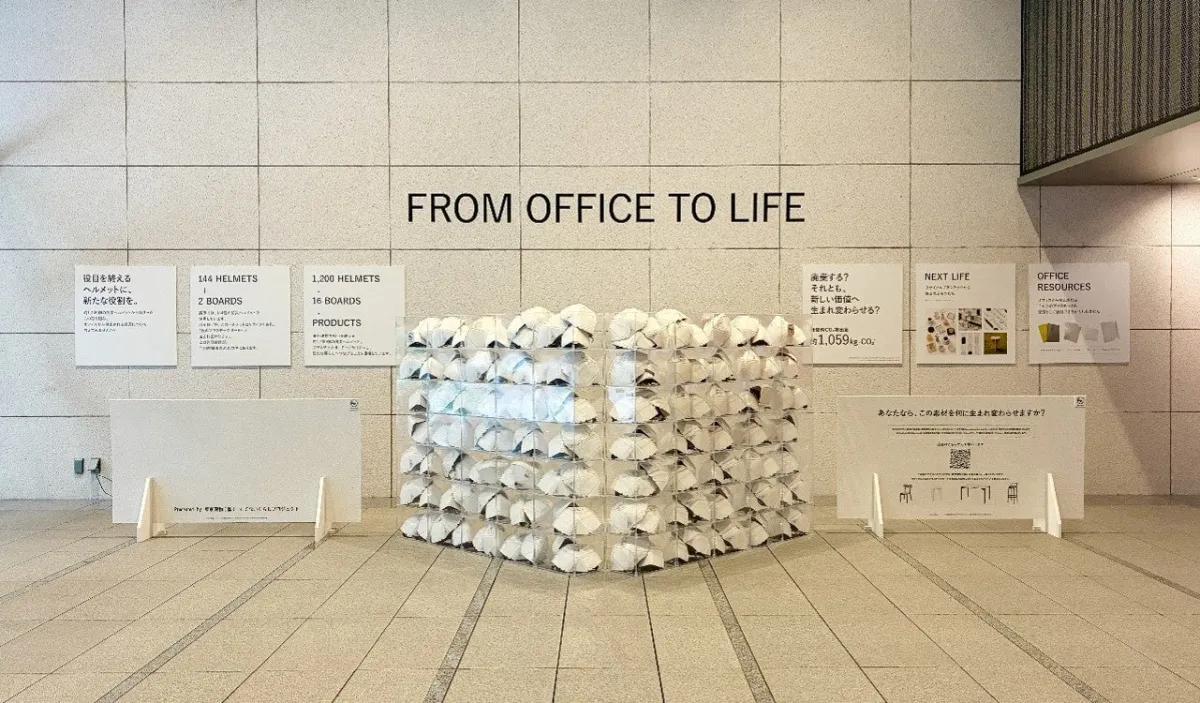
Reimagining Disaster Helmets: FROM OFFICE TO LIFE Exhibit Launches in Tokyo
Reimagining Disaster Helmets: FROM OFFICE TO LIFE Exhibit Launches in Tokyo
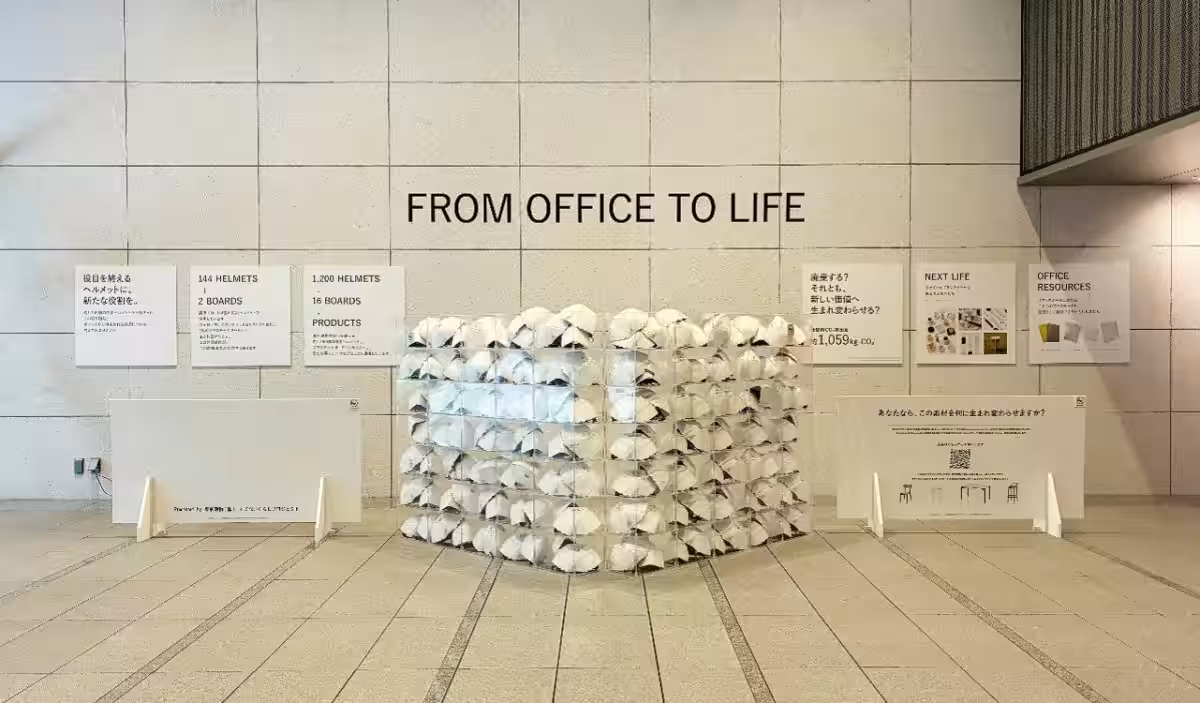
Tokyo Building Corporation has initiated an innovative exhibit named "FROM OFFICE TO LIFE" at the entrance of the Tokyo Building Yaesu, which commenced on August 18, 2026. This initiative coincides with the relocation of Tokyo Building's headquarters and aims to recycle and repurpose disaster helmets being disposed of due to reaching the end of their useful life. The exhibit serves as a platform to inspire office workers to consider the importance of resource cycling and the sustainable management of disaster equipment.
Exhibit Overview
The project focuses on approximately 1,200 disaster helmets earmarked for disposal, showcasing 144 of these helmets alongside a similar volume of recycled plastic products. The exhibit is designed to allow visitors to visually grasp the process of upcycling and the importance of resource management. By displaying the transformation from waste to useful materials, the project invites participants to engage in discussions about how these plastics can be repurposed effectively.
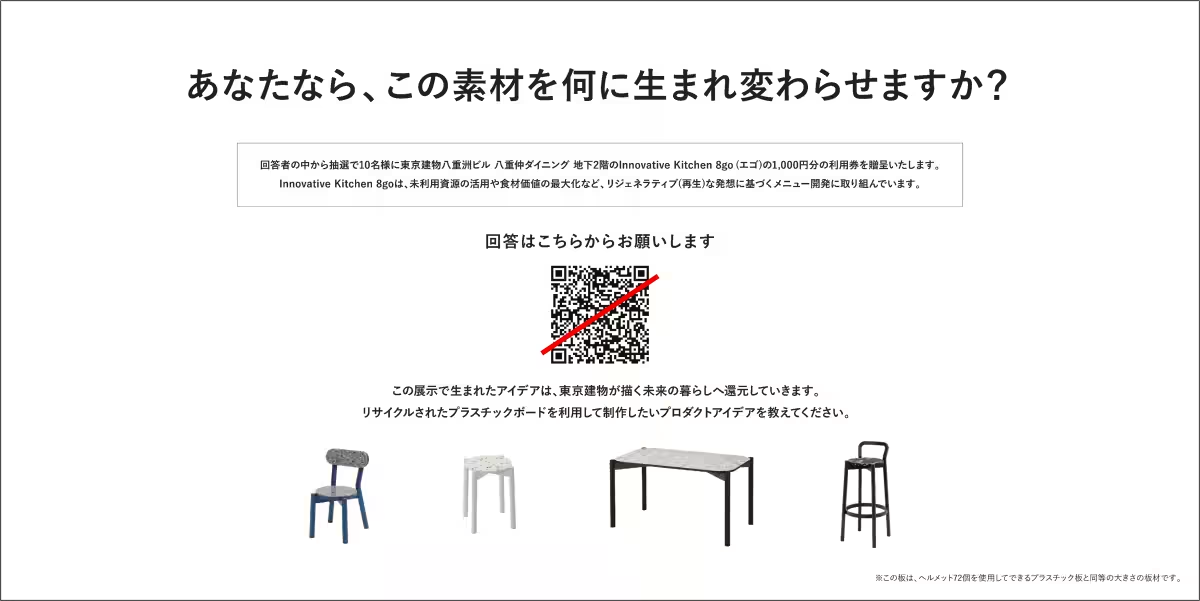
This interactive installation does more than just display materials; it provides insight into the upcycling process and its potential CO2 reduction impact, gathering ideas for using recycled plastic materials from visitors. This collaboration promotes an active dialogue about new methods for utilizing resources among office workers and encourages creative ideas for product development.
The Purpose and Significance of the Exhibit
The exhibit emerges from the upcoming relocation of Tokyo Building's headquarters to the "TOFROM YAESU TOWER" in autumn 2026. With the relocation comes the need to discard many office items, including a considerable number of disaster helmets, which typically have a life span of around six years. Unfortunately, low recycling rates have led to these helmets frequently ending up in landfills.
Thus, instead of discarding waste, Tokyo Building aims to upcycle these helmets into valuable materials. The name of the exhibit, "FROM OFFICE TO LIFE," signifies the transition of discarded materials from an office environment to a renewed life cycle.
Tokyo Building seeks to promote the appropriate usage of disaster equipment, including helmets, and educate the public about proper recycling methods for expired helmets. Through this exhibit, they aim to raise awareness concerning the coexistence of disaster preparedness and environmental conservation among tenants and visitors.
Features of the Exhibit
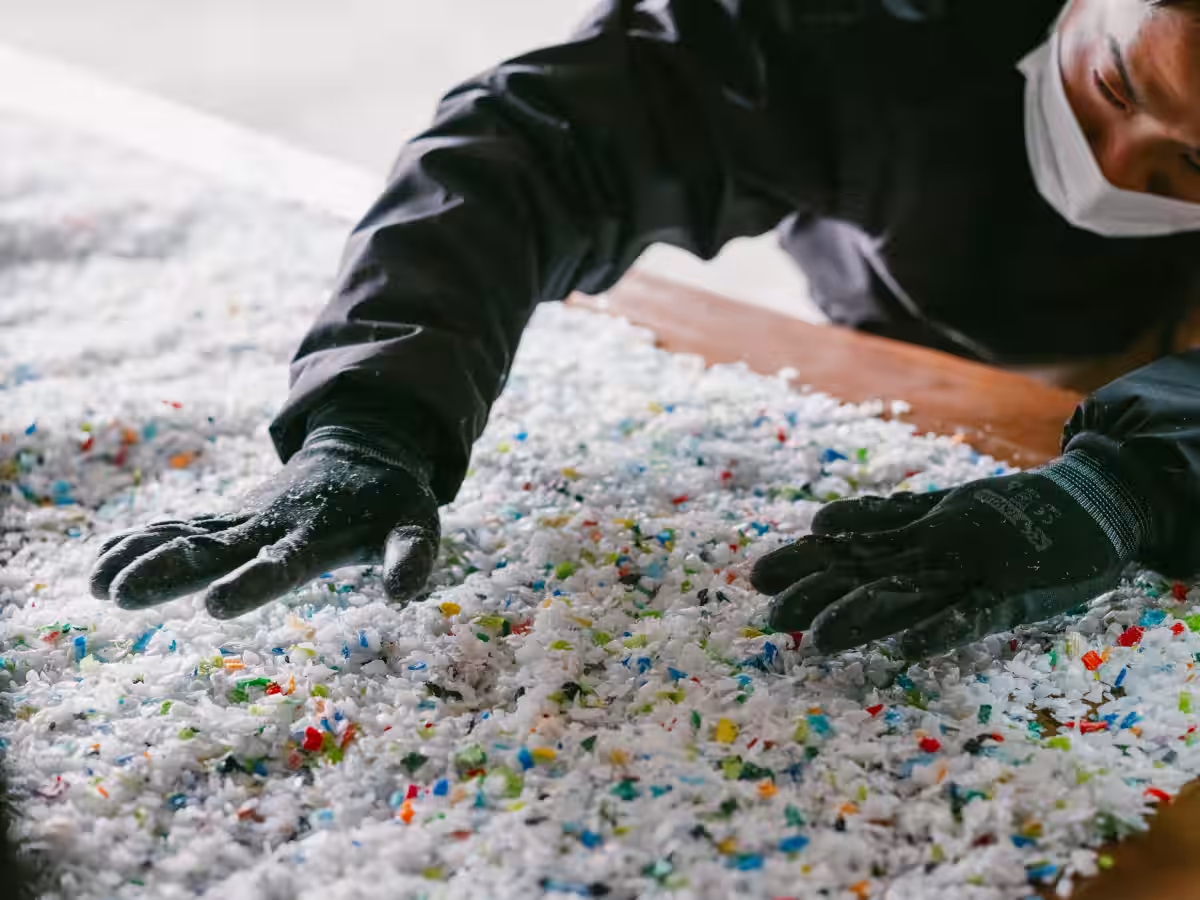
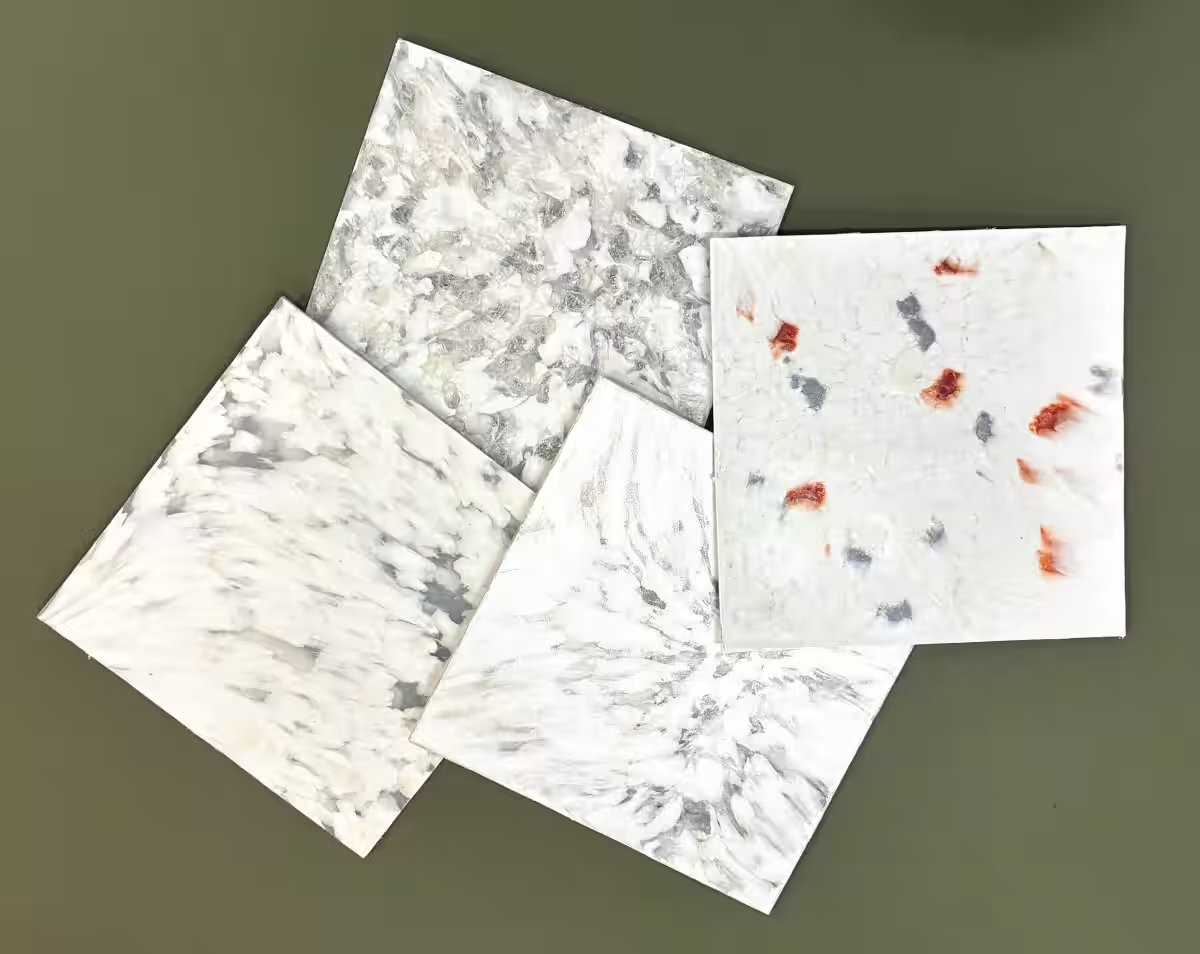
A unique aspect of the exhibit is the display of recycled plastic materials generated from the disaster helmets. The challenge is that many plastic products like these helmets are composed of complex materials, making recycling difficult. Partnering with companies like REMARE, the exhibit displays how the helmets can be processed and transformed into recycled plastic material without separating their components.
In addition to the materials on display, the exhibit encourages visitors to visually engage with the CO2 reduction effects and transforms into an interactive platform where audience members can suggest how the recycled plastics should be utilized. This participatory approach aims to incorporate the ideas generated into future product manufacturing and residential properties like "Brillia ist" operated by Tokyo Building.
Looking Ahead
Moving forward, Tokyo Building plans to harness the ideas collected from the exhibit to collaborate with various creators to develop products using recycled plastic derived from disaster helmets. Such products may be introduced to communal spaces in residential sites managed by Tokyo Building, creating a tangible connection between the exhibit and practical applications in everyday life.
Commitment to a Circular Economy
Tokyo Building Group has identified the promotion of a circular economy as a key area of focus within its sustainability strategy. They have set ambitious targets, such as reducing waste generation by 20% by the fiscal year 2030 compared to 2019 levels and achieving a 90% reuse rate of waste by the same year. This commitment underlines their dedication to fostering a sustainable, resource-efficient society.
For further details on the efforts towards a circular economy and other sustainability initiatives, please visit Tokyo Building Sustainability Site.
Topics Environment)
【About Using Articles】
You can freely use the title and article content by linking to the page where the article is posted.
※ Images cannot be used.
【About Links】
Links are free to use.