



Improving Health Consultations for Pregnant Women: Insights from Recent Survey
Introduction
In recent years, the landscape surrounding maternity and women's health has seen positive changes, particularly with the introduction of insurance coverage for infertility treatments and enhanced workplace support. However, a newly released survey conducted by T-Pec Corporation sheds light on the significant challenges pregnant women face in accessing reliable health consultation during their pregnancies.
Survey Findings
The survey, which involved 836 women who have been pregnant within the last three years, reveals troubling statistics concerning the decision-making process regarding health consultations. Conducted in December 2025, the study highlights some of the most pressing concerns that pregnant women encounter when they are uncertain about their health.
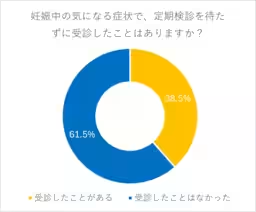
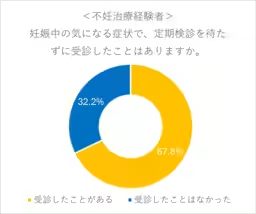
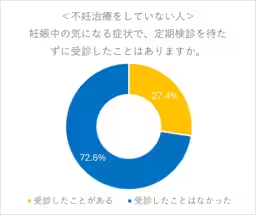
- - Consultation Before Regular Checkups: 38.5% of respondents reported having consulted a healthcare professional before their scheduled regular checkups, with the rate rising to 67.8% among those with infertility treatment experience.
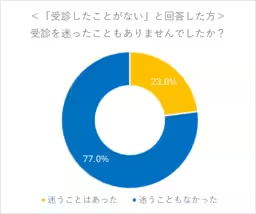
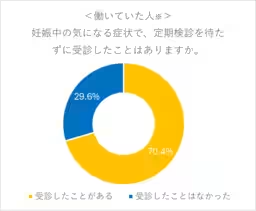
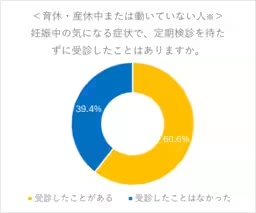
- - Uncertainty About Symptoms: 23% of participants admitted they had wanted to consult a doctor but chose not to due to uncertainty about whether their symptoms warranted a visit. The predominant reason for hesitation was their inability to determine if their symptoms required immediate attention.
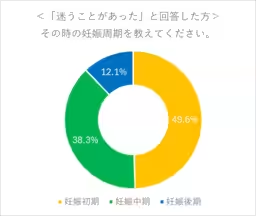
- - Timing Issues: The survey found that uncertainty about when to seek care peaked during the early to mid-pregnancy phases.
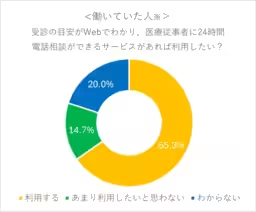
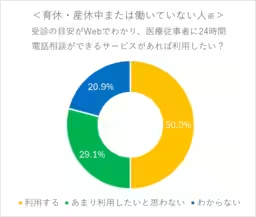
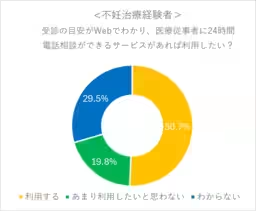
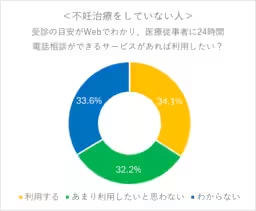
- - Demand for Support Services: An impressive 65.3% of working women who hesitated to seek consultations expressed a desire for a 24-hour health assistance hotline.
Psychological Burden
The findings suggest that many pregnant women are navigating a complex landscape of emotions and pressures when it comes to their health decisions. The most commonly cited reason for hesitation stemmed from the inability to assess whether their symptoms were severe enough to justify a consultation, leading to increased stress and anxiety during a precarious period.
Furthermore, many women reported that the demands of their jobs made it difficult to find time for consultations during regular office hours. The desire for a 24-hour consultation service reflects the reality of busy schedules and the challenges faced by working pregnant women, who often feel they must choose between their professional responsibilities and their health.
Bridging the Gap with Technology
In response to these findings, T-Pec has partnered with Layered Corporation to launch a new online service, “Pregnancy Symptoms and Consultation Guide.” This innovative service is set to be available in January 2026. With more than 35 years of experience in health consultation support, T-Pec aims to leverage advanced digital tools to make health consultations more accessible and user-friendly.
Features of the New Service
- - Web Consultation Tool: Pregnant women can input their symptoms into the web-based tool, Symview, which will evaluate the necessity for consultation on a five-point scale. This transparent decision-making process is designed to enhance user confidence in seeking medical advice.
- - 24/7 Availability: Should users feel uneasy about their symptoms, they have access to 24-hour consultations with medical professionals such as nurses and doctors, ensuring that help is always accessible.
Addressing Unique Needs
The developers of the service highlight the importance of providing clear guidance during the critical early stages of pregnancy and postpartum periods. The psychological aspects associated with pregnancy, combined with the demands of modern life, necessitate a robust support system that can aid pregnant women in making informed decisions regarding their health.
Particularly in workplaces where the pressure to perform is high, conveying health concerns can be challenging. Confirming that the symptoms are significant enough to warrant consultation through the guide might provide pregnant women with the necessary leverage to approach their employers without hesitation.
Conclusion
While the advances in institutional support for motherhood are commendable, the survey indicates a pressing need for a reliable consultation framework that supports women between daily life and medical care. T-Pec and Layered aim to address these gaps, fostering a seamless transition from pregnancy to motherhood. The roll-out of the

Topics Health)
【About Using Articles】
You can freely use the title and article content by linking to the page where the article is posted.
※ Images cannot be used.
【About Links】
Links are free to use.