



Innovative CLT Construction in Toshima Village: A Sustainable Housing Project
Innovative CLT Construction in Toshima Village
The commitment to sustainability has never been more crucial in today's world, especially in remote areas. Mori Mirai, a Tokyo-based company with a mission focused on a Sustainable Forest, has recently completed a significant project in Toshima Village, a part of Tokyo's Izu Islands. This project involved planning and coordinating the procurement and transportation of cross-laminated timber (CLT) components, marking a new era for sustainable housing developments in isolated regions.
Background of Toshima Village Housing Project
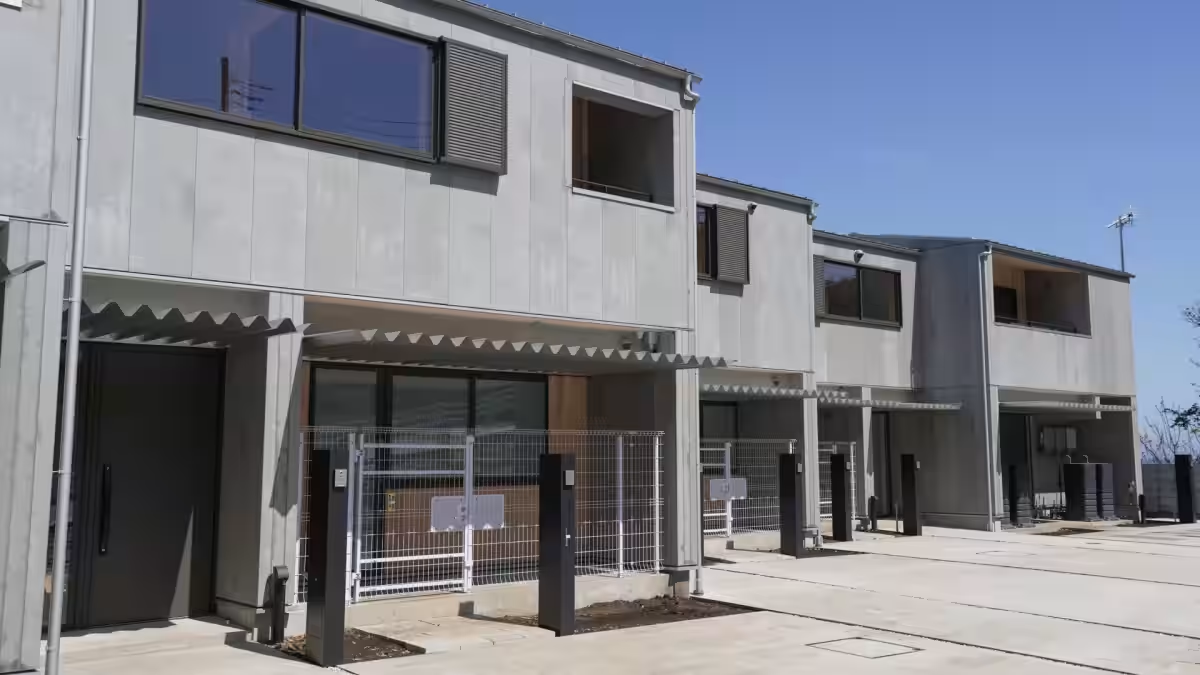
Located in the Izu Islands, Toshima has long faced challenges in housing development due to limited processing facilities and skilled craftsmen on the island. The high costs associated with transporting materials from the mainland have made it difficult for both residents and newcomers to renovate or build new homes. To tackle these issues, a project aimed at constructing new village-owned housing was initiated. The project selected KASUYA Architects Office (KAO), which proposed a design utilizing CLT construction methods.
Toshima Village is unique in that it lacks natural freshwater sources, necessitating the desalination of seawater for daily needs. As part of the sustainability focus, the housing units will incorporate a small-scale decentralized water circulation system that recycles nearly 100% of household wastewater, managed through advanced IT monitoring technologies.
Utilizing CLT in Remote Islands
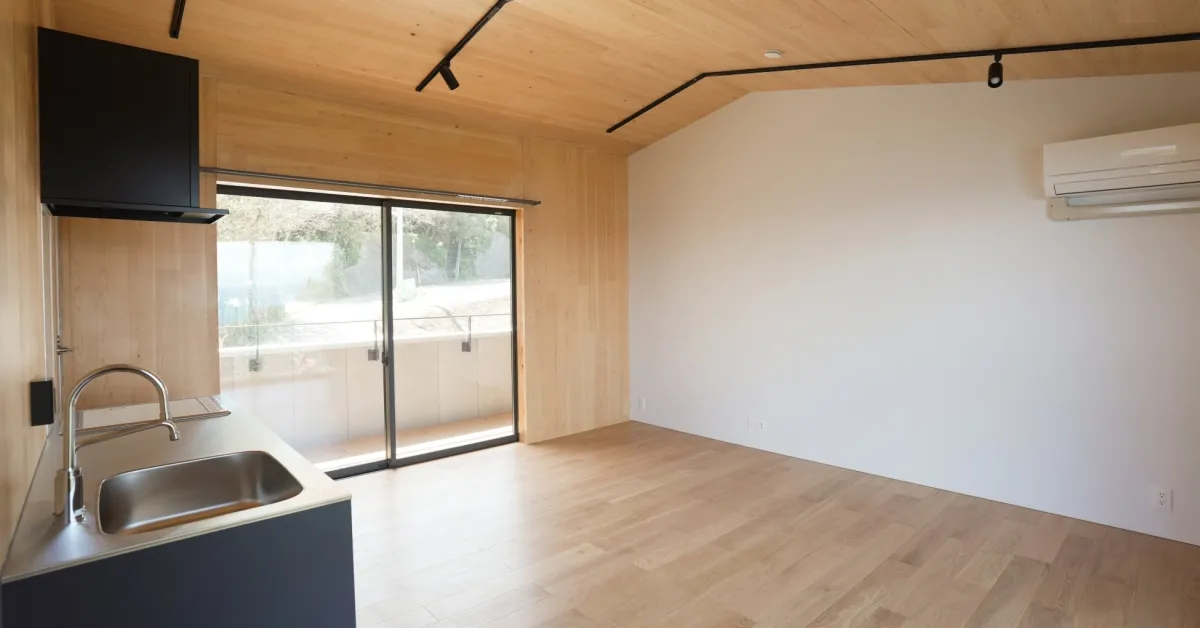
The CLT construction method allows for large panels, pre-cut in factories on the mainland, to be assembled on-site. Given the absence of local carpenters on the island and the need to bring in workers from outside, minimizing onsite processing became essential. By using CLT, which is precut and ready for assembly, the construction team was able to significantly reduce the building time and facilitate a more efficient workflow.
Not only does CLT meet the stringent requirements of JAS structural materials, but its thick, robust design provides wind resistance comparable to that of reinforced concrete. This feature is especially vital for preventing damage during typhoons, which pose a recurrent threat to islands like Toshima.
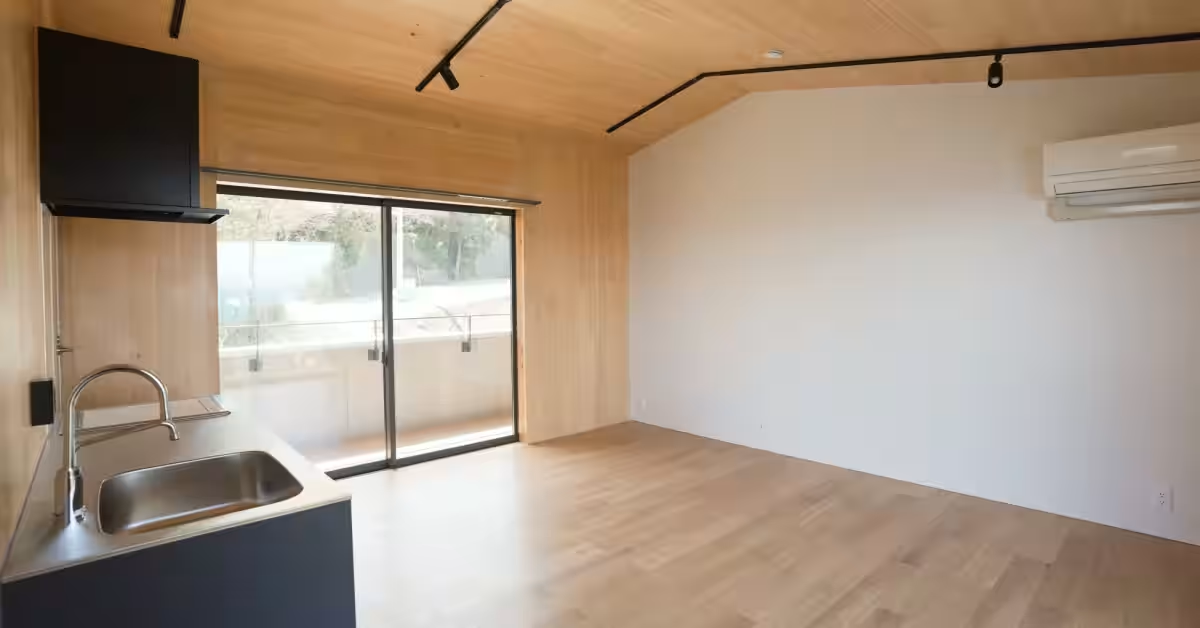
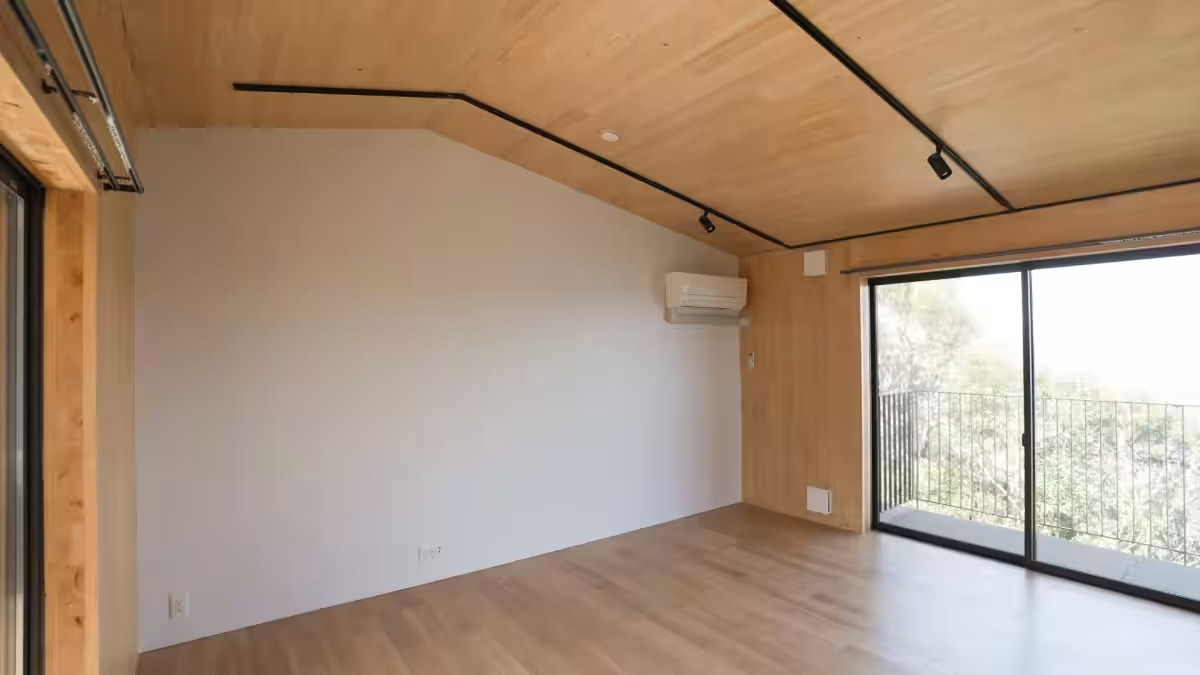
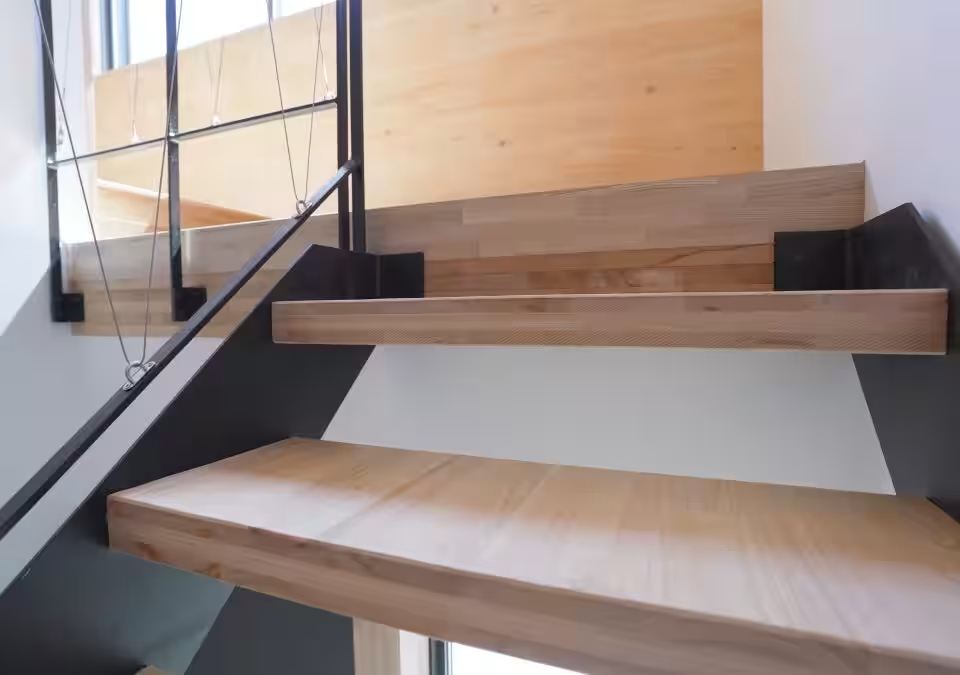
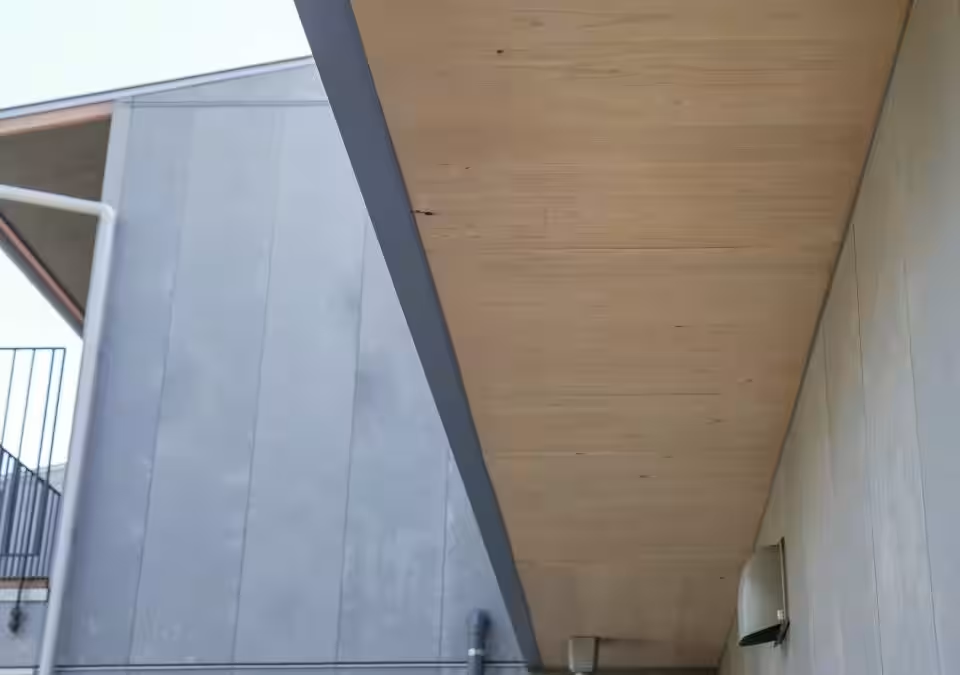
Furthermore, the CLT components can be left exposed, showcasing their natural wood surfaces and creating a warm, inviting interior atmosphere. This design choice has resulted in a unique aesthetic for the multi-family housing project, emphasizing a connection with nature.
Expert Coordination and Flexible Logistics
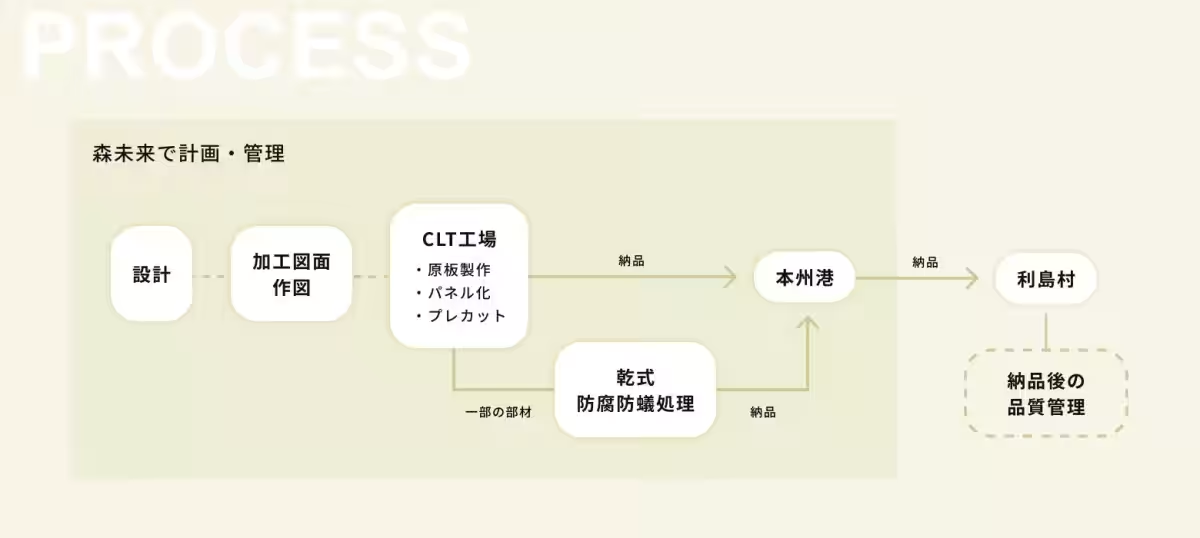
Mori Mirai's role didn't end with material procurement; they were committed to seamless delivery and construction coordination. The logistics involved in ferrying materials to Toshima required careful planning, especially considering the CLT's specific characteristics. Members of Mori Mirai’s team managed every step of the process: from drafting design and processing diagrams to overseeing the manufacturing and transport of the materials.
The logistical challenges were met with innovative shipping solutions, involving adaptability to ensure that every component arrived in optimal condition. These efforts also extended to quality assurance, where strategies for protecting and maintaining materials during transit and on-site were implemented.
Comments from Project Stakeholders
Mr. Sumi, a representative from the Toshima Village Office, shared his thoughts on the project: "The use of CLT has created a beautiful space filled with the essence of wood, garnering positive feedback from residents eager to experience this new living environment. We hope this initiative fosters sustainable development in Toshima and encourages more residents to settle on the island."
The project architect, Mr. Kazuya from KASUYA Architects Office, praised the collaboration involved, stating, "Given the constraints of working on an island without skilled labor readily available, the decision to utilize CLT was crucial for maintaining construction quality. Early discussions with Mori Mirai allowed us to make informed design choices while navigating the unique challenges presented by the location."
Embracing New Timber Distribution Models
This initiative comes as part of Mori Mirai's broader vision known as the 'All Wood Platform,' which aims to create efficient timber distribution systems across Japan, particularly in regions often overlooked by conventional supply chains. The successful implementation of CLT in Toshima serves as a model for how innovative construction techniques can facilitate the building of sustainable homes even in challenging environments.
In conclusion, Mori Mirai is committed to continuing its journey towards sustainable forestry and construction, looking forward to more opportunities to transform the housing landscape in Japan's rural areas. This project exemplifies how collaborative efforts in material sourcing and project management can yield successful outcomes, fostering a brighter future for islands like Toshima.
Project Overview
- - Project Name: Toshima Village Housing Project
- - Location: Toshima Village, Tokyo
- - Client: Toshima Village Office
- - Design: KASUYA Architects Office (KAO) - Junji Kasuya and Naoko Kasuya
- - Consultant: Land Brain Co., Ltd.
- - Key Collaborators: Production and delivery planning managed by Mori Mirai
- - Completion Date: March 2026
- - Photography: Courtesy of Mori Mirai
Upcoming Event Announcement
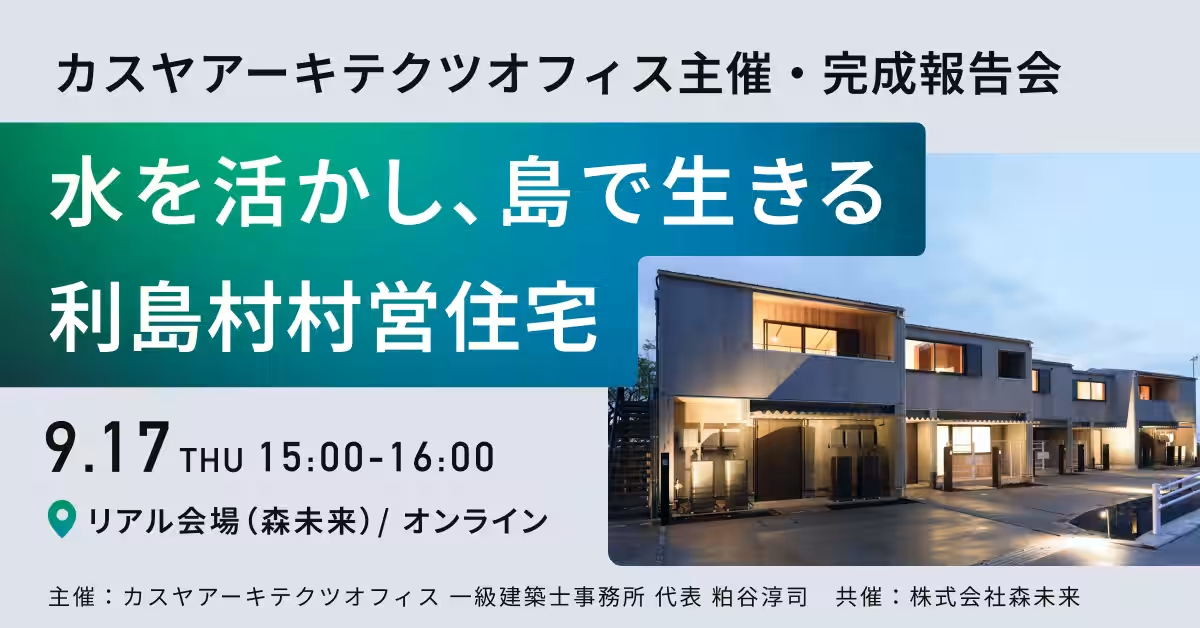
To celebrate the completion of this innovative housing project, KASUYA Architects Office will host a presentation detailing unique challenges overcome during the project, along with insights into CLT's selection for island construction. Participation is free, but pre-registration is required.
Topics Consumer Products & Retail)


【About Using Articles】
You can freely use the title and article content by linking to the page where the article is posted.
※ Images cannot be used.
【About Links】
Links are free to use.