




Japan's First Joint Project for Recycling Food Containers Begins in Toyosu
Japan's First Joint Recycling Initiative for Food Containers
In a groundbreaking collaboration, three prominent companies in Japan—Life Corporation, Lotte, and Yakult Honsha—have initiated a recycling experiment focused on used food containers made from polystyrene (PS). This innovative project takes place at the Life Toyosu supermarket in Tokyo, starting from March 9, 2026, and aims to explore the feasibility of horizontal recycling through advanced chemical recycling (CR) techniques.
This experiment is built upon the experiences from a previous pilot conducted between 2024 and 2025, which focused on the collection and recycling of used gum bottle containers. With Life and Lotte having successful track records in in-store collection methods, this joint venture aims to establish a systematic approach for the horizontal recycling of containers specifically for Yakult products.
Experiment Overview
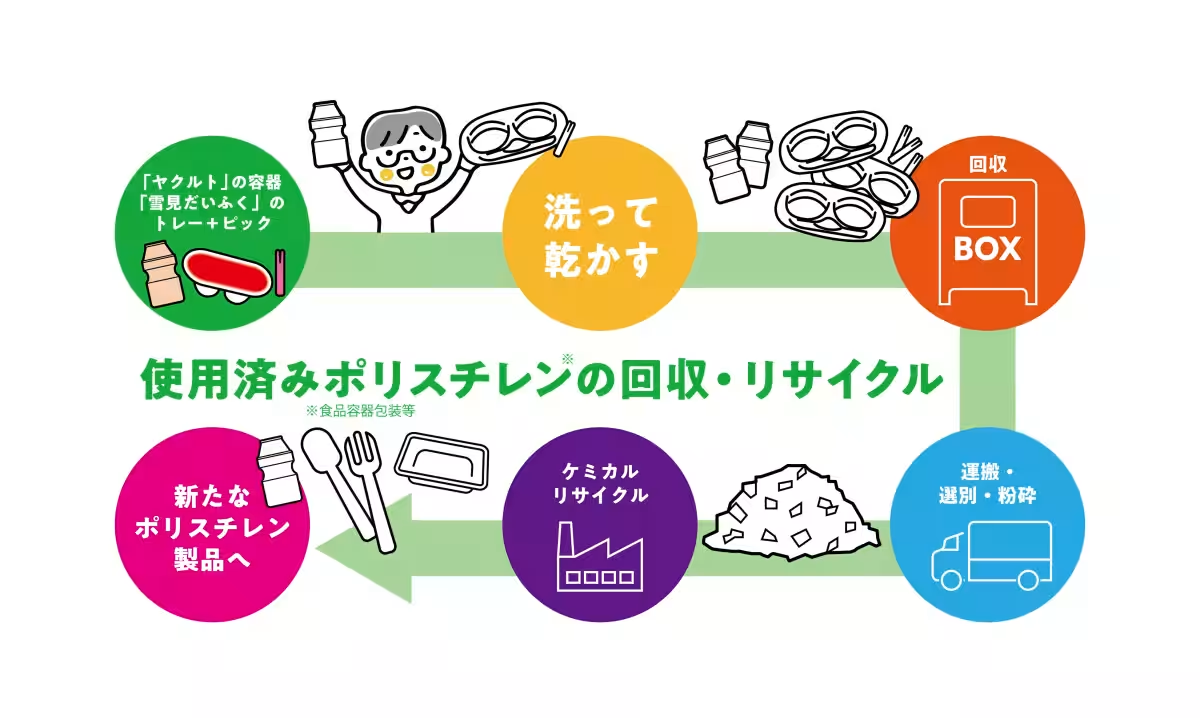
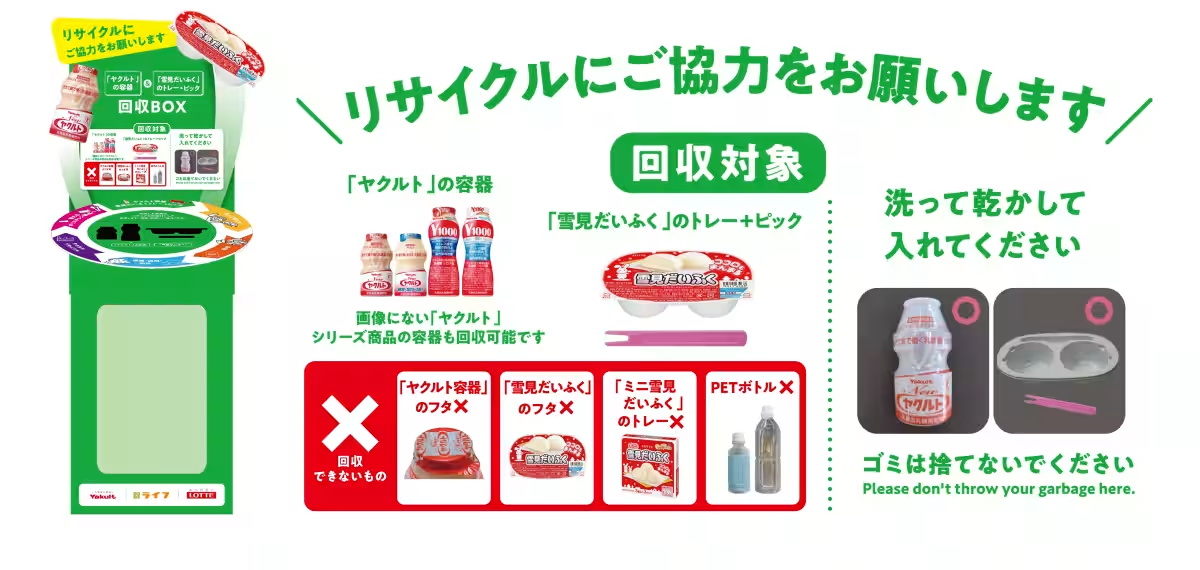
The recycling initiative will last until August 31, 2026, and will involve collecting specific items, namely the containers from Yakult and the trays and picks from Snowy Daifuku. Customers are encouraged to participate by rinsing out these containers, removing the lids, and placing them in designated collection boxes at the store.
This effort addresses a significant challenge in recycling processes—creating an effective system for collecting used PS containers, which have not been part of large-scale organized recycling efforts like PET bottles or food trays. By testing this collection method, the companies hope to enhance consumer awareness and promote community cooperation for better recycling practices.
Benefits of Chemical Recycling
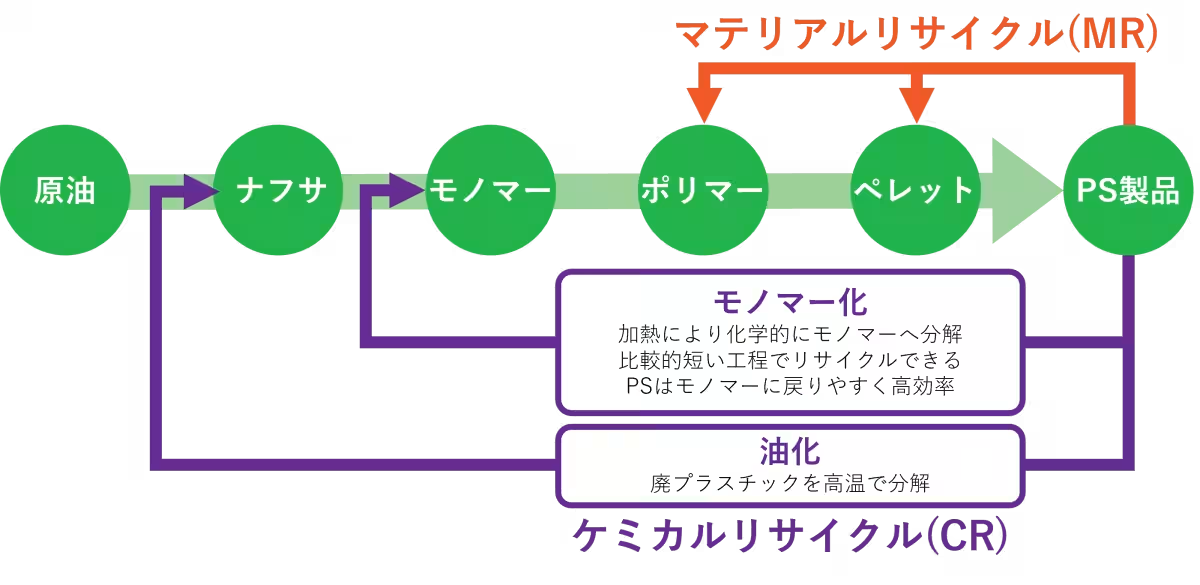
PS is known for its high adaptability to CR processes, making it suitable for producing high-quality, food-safe materials. Unlike other materials, PS can be efficiently recycled back into similar products, retaining the quality needed for food packaging. This characteristic allows for a relatively quick and effective recycling process, establishing a lifecycle for materials that meet stringent safety standards required for food-related items.
The collected PS containers will undergo sorting and shredding to evaluate their suitability for CR. Some of the processed material will even be repurposed as raw materials for new products, thereby demonstrating a tangible benefit of the initiative.
Involvement of Other Companies
The project will also see collaboration with Tobe Shouji, which will manage the collection processes, and CBC Co., Ltd., which will oversee the recycling supply chain management. This partnership is crucial for ensuring that the experiment operates smoothly and successfully meets its goals.
Challenges and Goals
One of the primary challenges highlighted by this project is the lack of consumer awareness and infrastructure for effective recycling. Building a successful collection framework for PS products is essential for transitioning towards a more sustainable recycling system. The aim is to create a reliable supply chain for the collection and recycling of these materials, paving the way for broader implementation in the future.
This initiative not only showcases the commitment of these companies to environmental sustainability but also serves as a crucial step in fostering consumer engagement in recycling practices. By working together, Life, Lotte, and Yakult are setting a precedent for collaborative environmental efforts in Japan.
Conclusion
This pioneering recycling experiment stands as a testament to the potential of collaborative efforts in addressing environmental issues. By focusing on effective recycling methods for food containers, these companies are not just reducing waste but are also educating the public about the importance of recycling and sustainability. As this initiative unfolds, it will be closely monitored and studied, potentially serving as a model for future recycling programs across the country.
For those interested in participating, visiting the Life Toyosu store between March and August 2026 will provide an opportunity to contribute to this significant environmental effort.
Topics Environment)
【About Using Articles】
You can freely use the title and article content by linking to the page where the article is posted.
※ Images cannot be used.
【About Links】
Links are free to use.