



Commemorating 80 Years Since the Atomic Bombing: A Partnership to Preserve Memory for the Future
Introduction
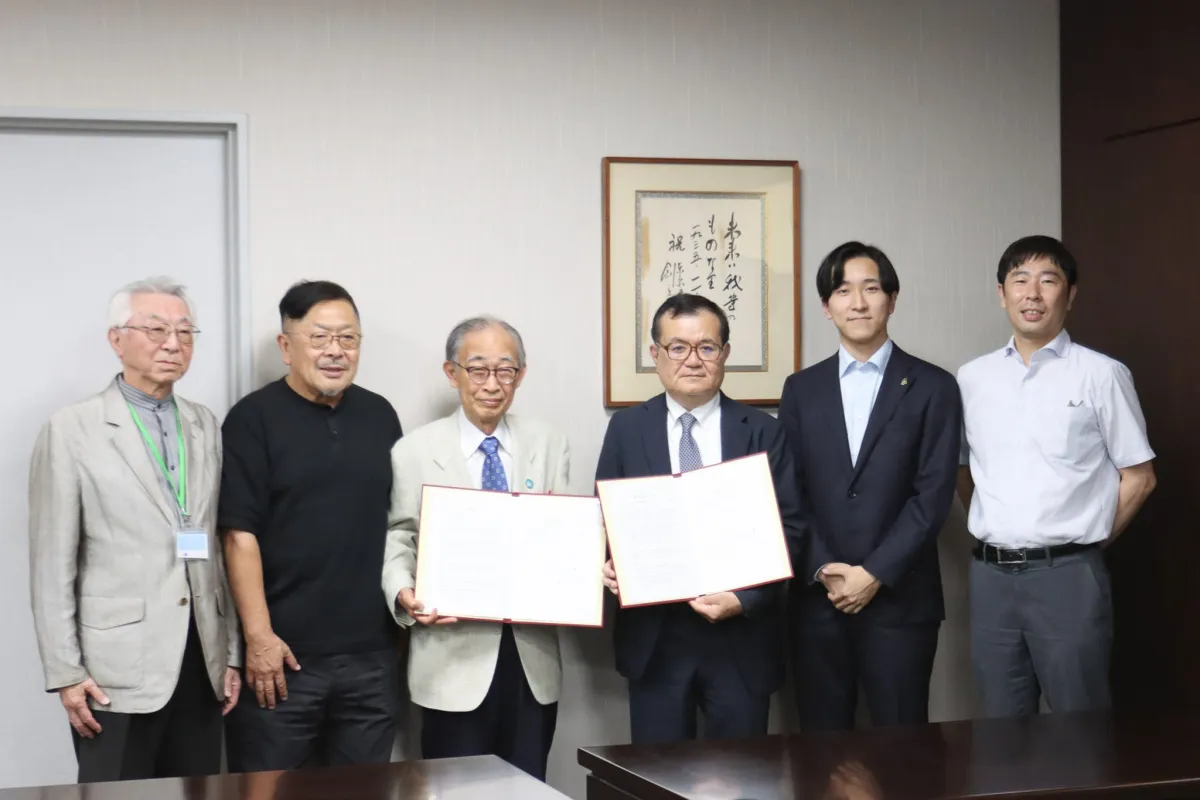
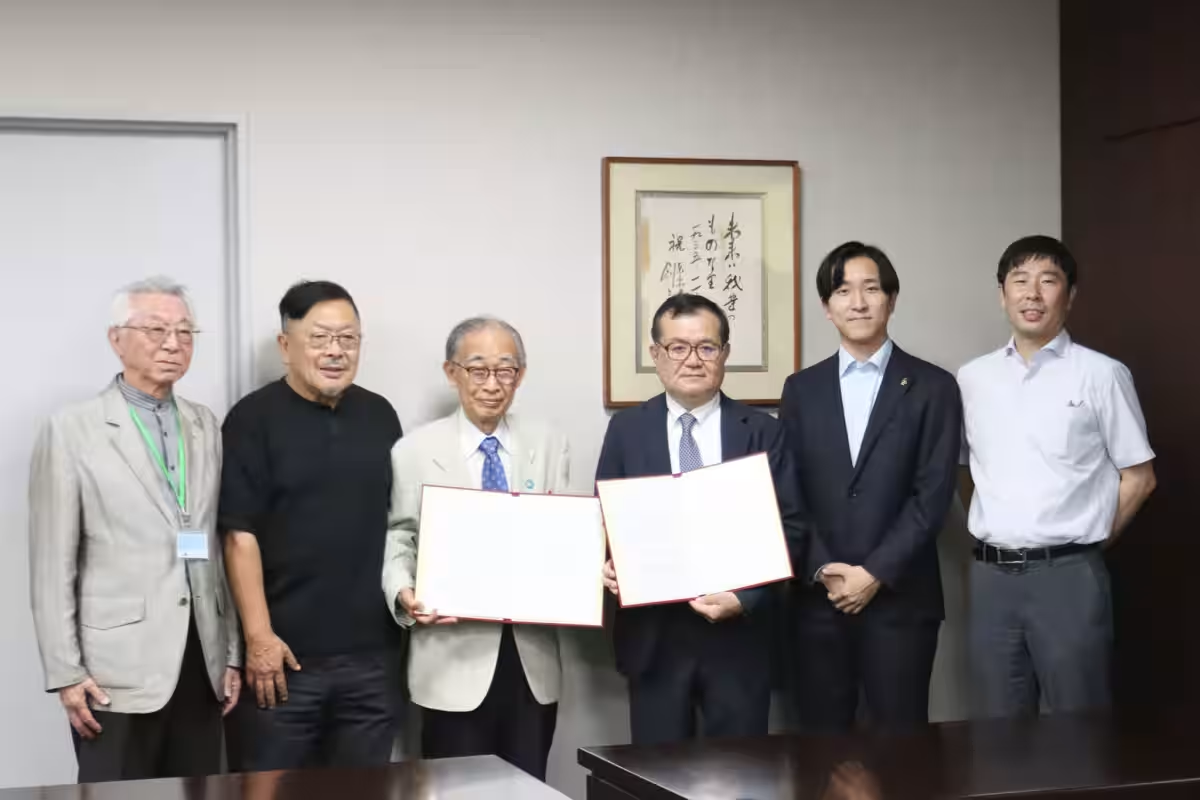
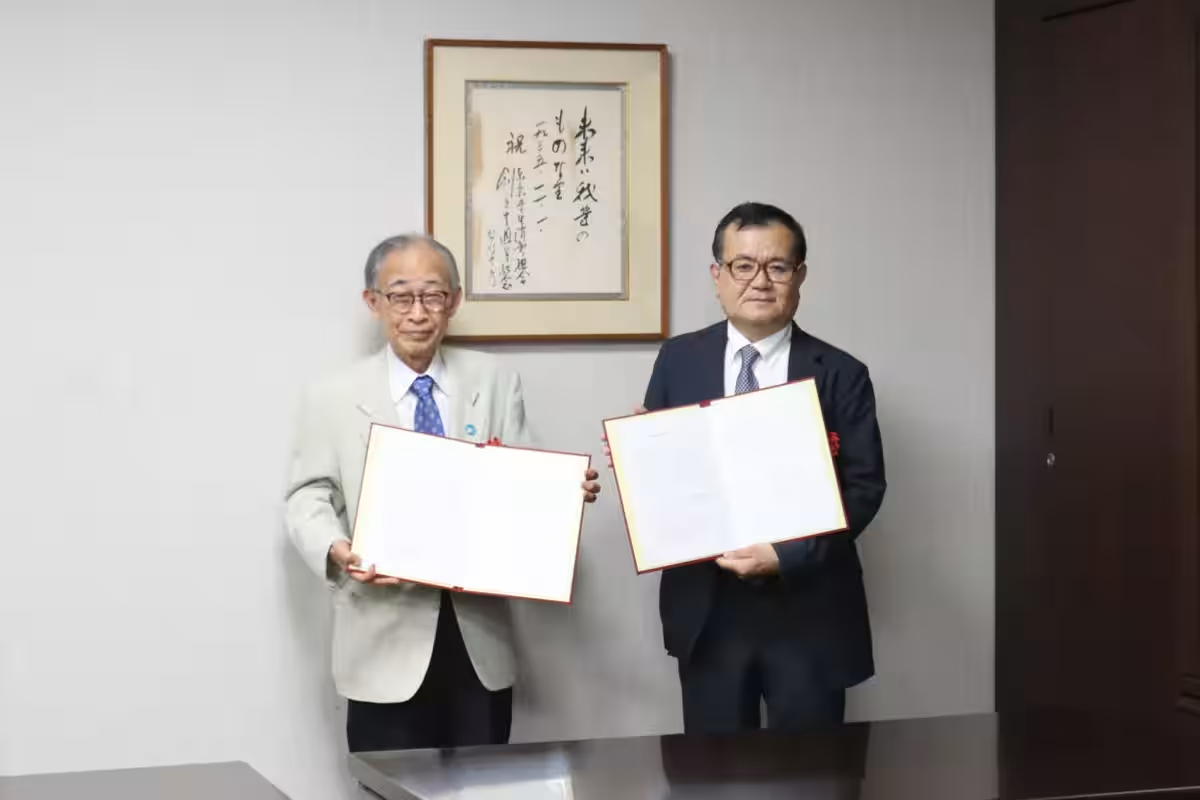
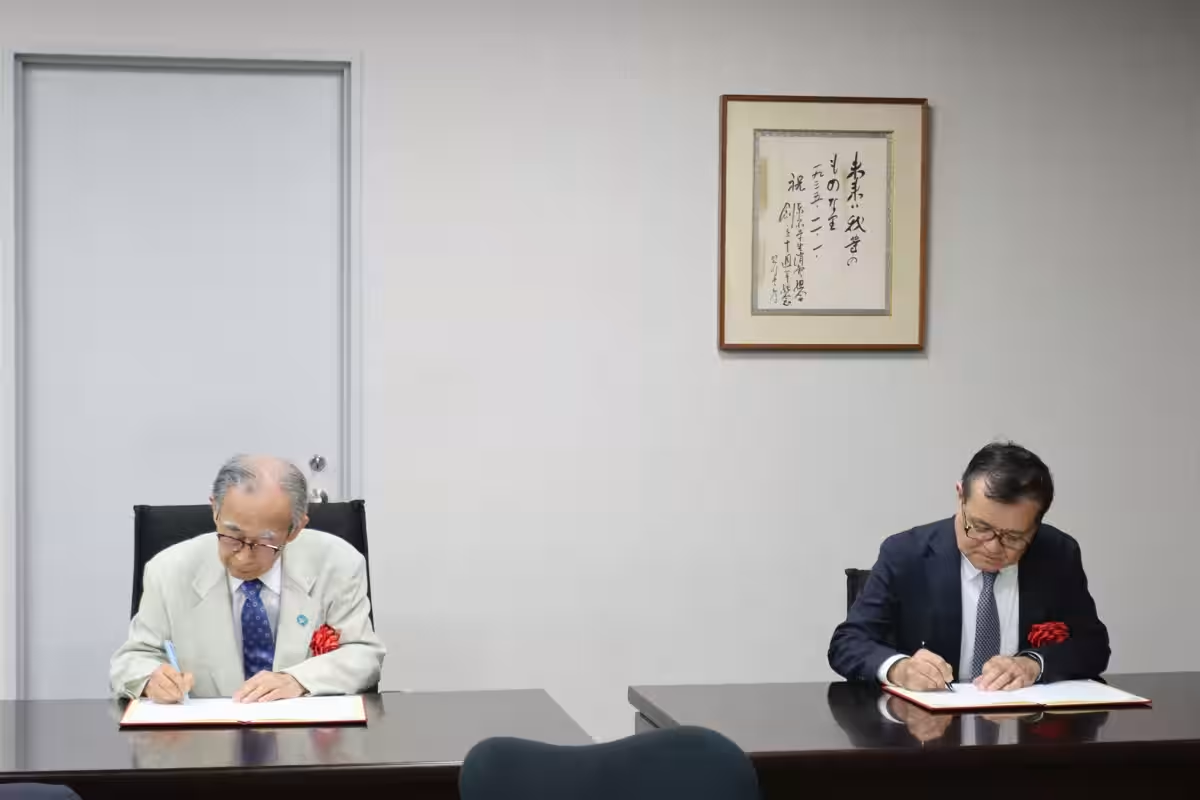
On June 22, 2026, a significant partnership was formed between the National Federation of University Co-operative Associations and the certified NPO, No More Hibakusha Memory Heritage Project. This agreement is aimed at preserving the legacy of atomic bomb survivors and promoting peace education for future generations, especially in light of the approaching 80th anniversary of the bombings.
Context of the Agreement
As we mark 80 years since the atomic bombings, the age of survivors has surpassed 80 years, leading to a pivotal moment in the ability to convey their firsthand experiences. The partnership emphasizes the importance of preserving testimonies and the historical context of the movement against nuclear weapons led by various survivor organizations, including the Japan Confederation of A- and H-bomb Victims Organizations. Their aim is to safeguard these memories as a precious 'heritage of memory' for future generations.
Both organizations have committed to creating opportunities for students and young people to actively learn about peace and human rights. This move resonates deeply with the ongoing dialogue about the meaning of remembrance in the context of peace.
Significance of the Partnership
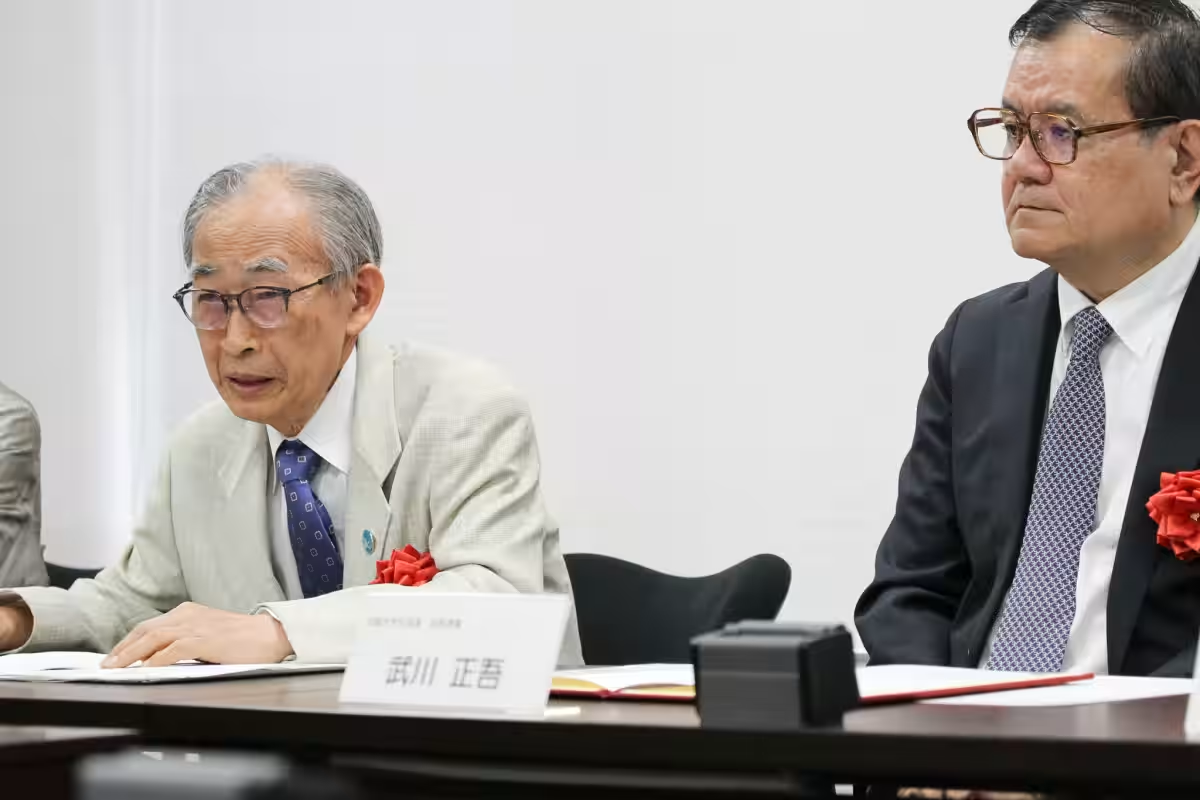
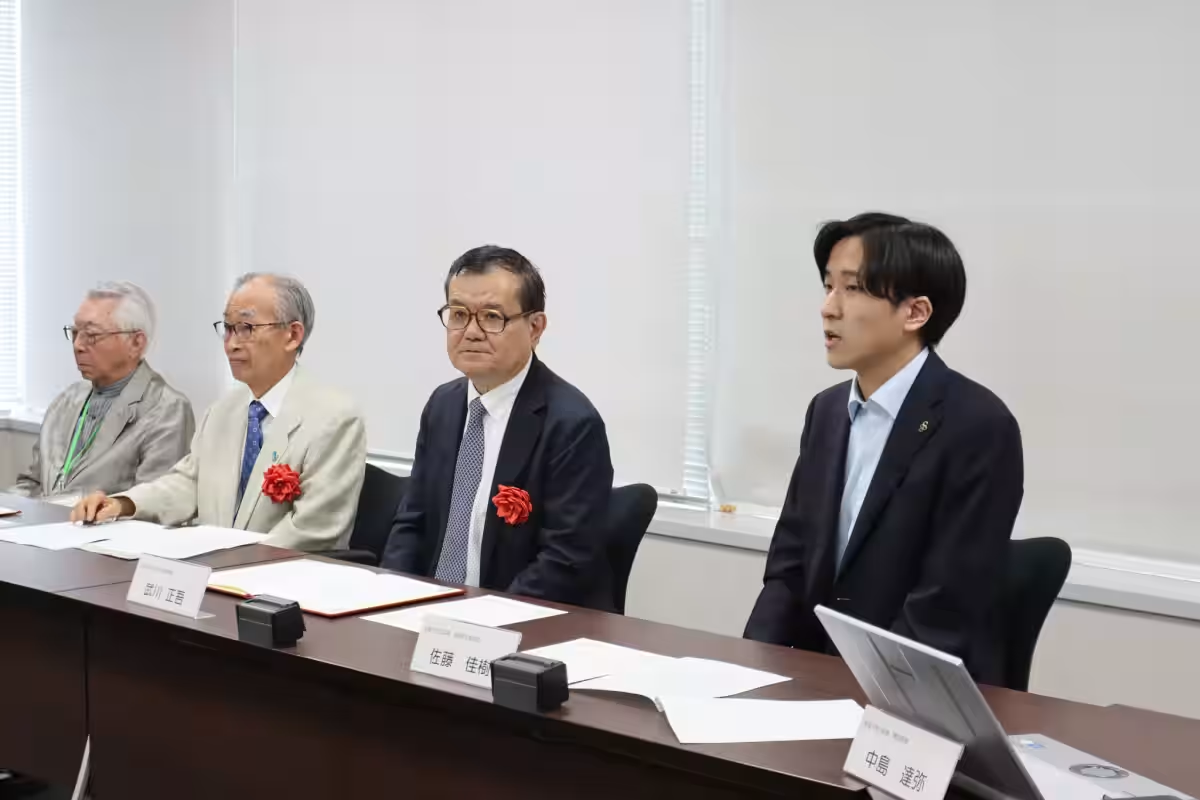
The agreement was officially signed at the University Co-op Hall in Suginami, Tokyo, during a ceremony attended by representatives from both organizations. In his remarks, Jiro Hamasumi, the representative director of No More Hibakusha, stressed the urgency of this endeavor: “With the average age of survivors now over 80, the time has come when we can no longer rely solely on direct testimonies. We must now leverage the existing records and archives to ensure that their stories live on.”
Shogo Takagawa, president of the National Federation of University Co-operative Associations, highlighted the importance of continuing peace advocacy: “Our organization has consistently upheld the values of peace since the post-war period. It is crucial for the younger generations to inherit these memories and continue to engage with the concept of peace in the decades to come.”
Established Objectives of the Partnership
The newly formed partnership outlines five key areas of collaboration:
1. Collection, preservation, and utilization of survivors' testimonies and relevant historical documents.
2. Creation of learning opportunities for students and young people to encourage them to engage with issues related to peace and human rights.
3. Promotion of locally rooted activities that focus on the continuation of memory heritage, enhancing connections between campus communities and the broader society.
4. Support for establishing community centers to assist in the preservation work of the No More Hibakusha initiative.
5. Any additional necessary actions to fulfill the objectives of the agreement.
These collaborative efforts are designed to ensure that lessons from the past actively inform present and future societal choices, rather than serving merely as historical footnotes.
Looking Forward
Moving forward, the No More Hibakusha organization plans to utilize its extensive resources to assist in peace education activities across student co-ops nationwide. Additionally, there are plans to host exhibitions and symposiums focusing on the 70th anniversary of the Japan Confederation of A- and H-bomb Victims Organizations, fostering further educational opportunities concerning the struggles of atomic bomb survivors and the fight for nuclear disarmament.
During the signing ceremony, Satoshi Yoshiki, the student committee chairman, spoke on behalf of the youth: “It is essential for students to keep the cycle of learning, sharing, contemplating, discussing, and acting alive. We aim to expand activities focused on peace throughout the nation through this partnership.”
Together, these organizations will position the legacy of atomic bomb experiences not merely as historical accounts, but as essential narratives that shape our understanding of dignity and peace in today's world. Their work will ensure the values of human dignity and the imperative for peace are passed down through generations, fostering a commitment to ongoing engagement with these critical issues.
Topics People & Culture)

【About Using Articles】
You can freely use the title and article content by linking to the page where the article is posted.
※ Images cannot be used.
【About Links】
Links are free to use.