



Survey Reveals Insights on Group Transportation for Children: Safety and Costs are Key Concerns
Understanding the Challenges of Group Transportation for Children
Introduction
In recent years, the demand for group transportation services for children has surged, driven by the rising number of dual-income households and the need for improved work-life balance for educators. A recent study conducted by nori・nori aimed to identify these challenges and explore effective solutions. With a focus on the transportation of children to school events, club activities, and more, this survey underscores the pressing need for more sustainable and reliable transportation infrastructures.
Study Overview
This survey was conducted from May 15 to May 18, 2026, targeting school representatives and parents of enrolled children in various educational settings, including kindergartens, preschools, and schools from elementary to high school. A total of 1,019 individuals participated, with about half being school officials and the other half being parents. This marks the second survey in a series addressing the increasingly complex logistics of transporting children.
Key Findings
The survey revealed several critical insights:
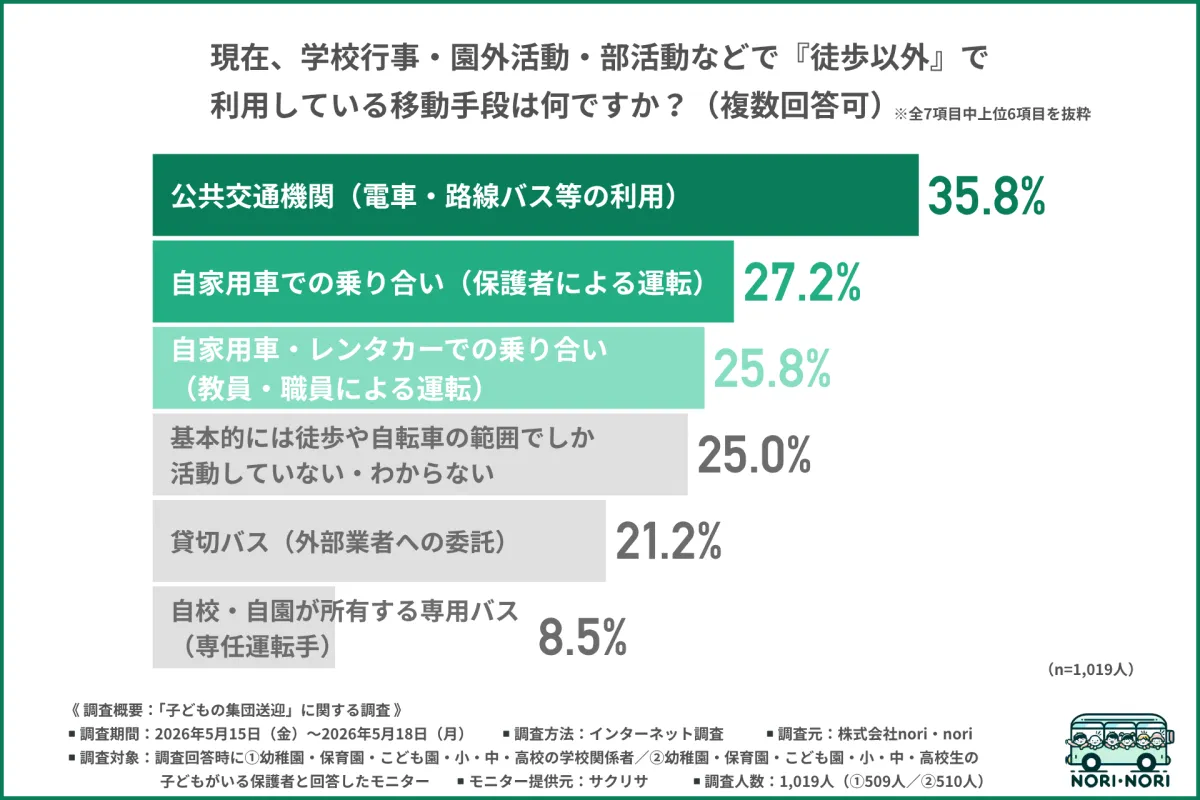
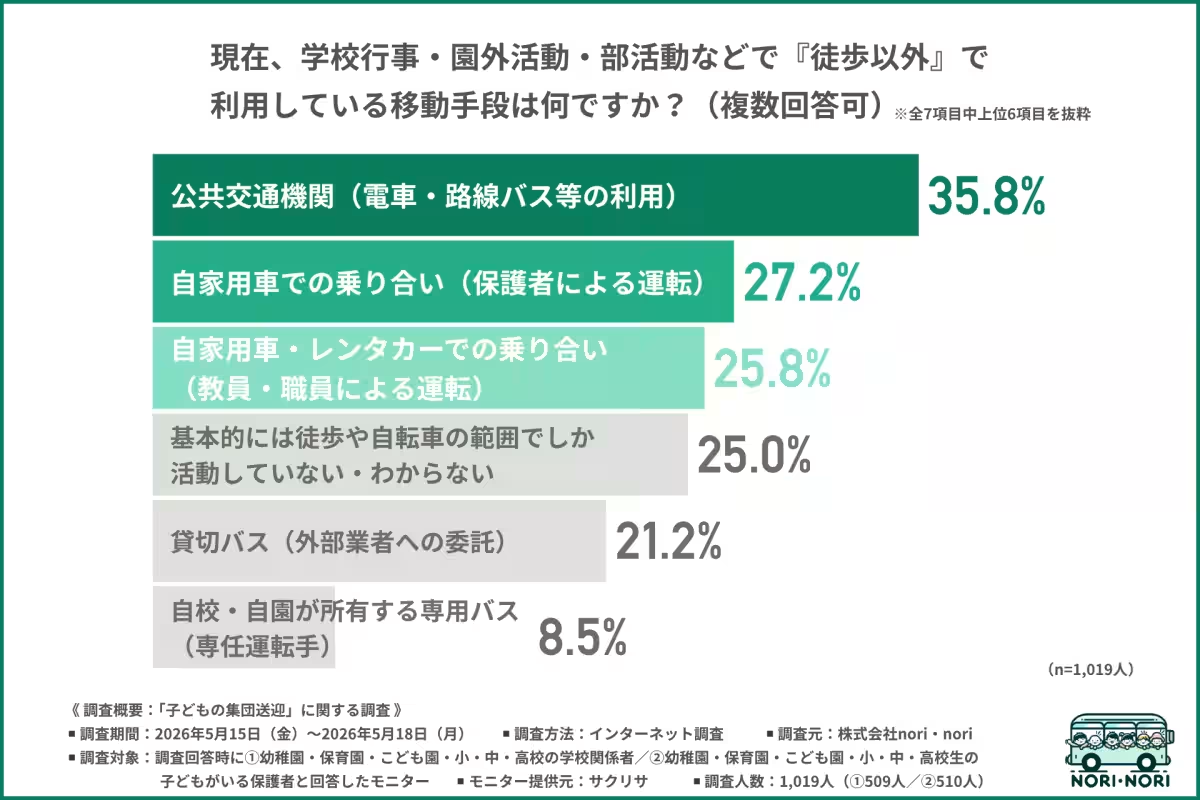
1. Public Transportation Dominates: Current transportation methods predominantly involve public transport and private vehicles driven by parents or teachers. This indicates a reliance on personal efforts rather than on organized rental services, often resulting in safety concerns and additional responsibilities for educators and parents.
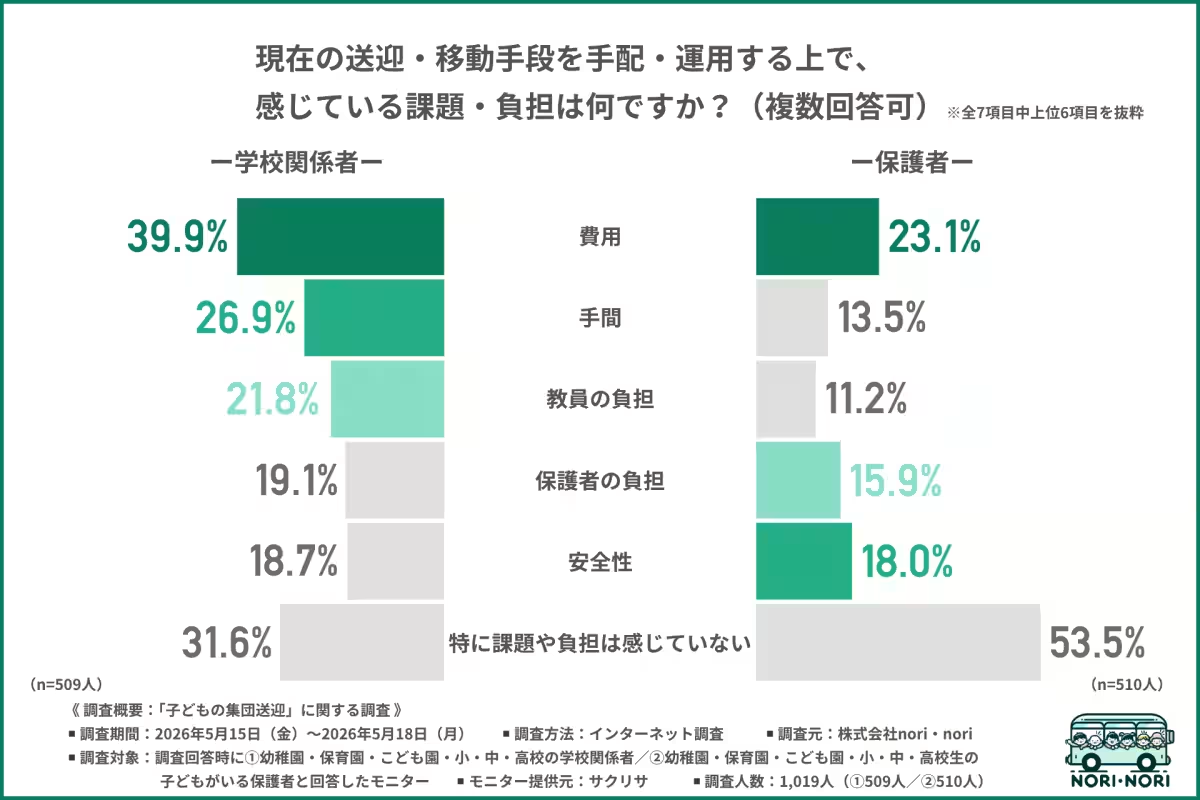
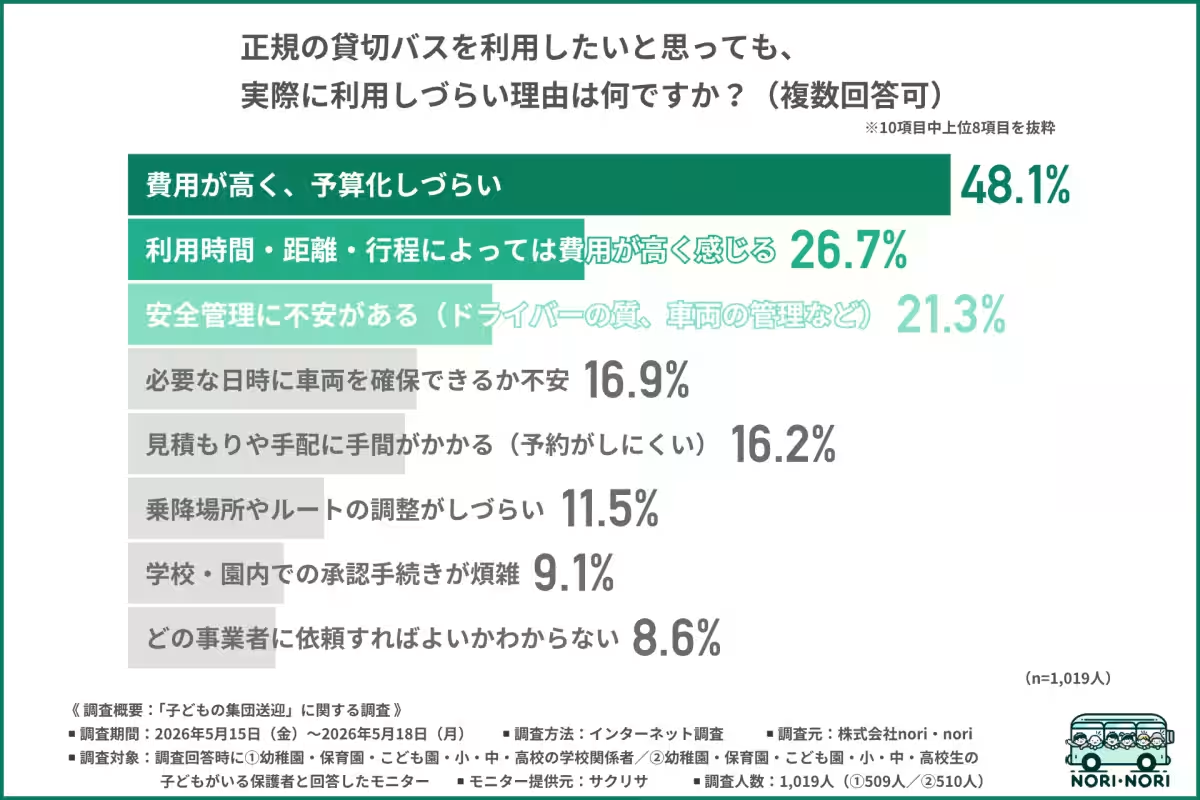
2. Costs Are a Major Barrier: Respondents indicated that the most significant hurdle in group transportation is the expenses involved. Both parents and schools face budget constraints, which complicates the planning and execution of transportation logistics.
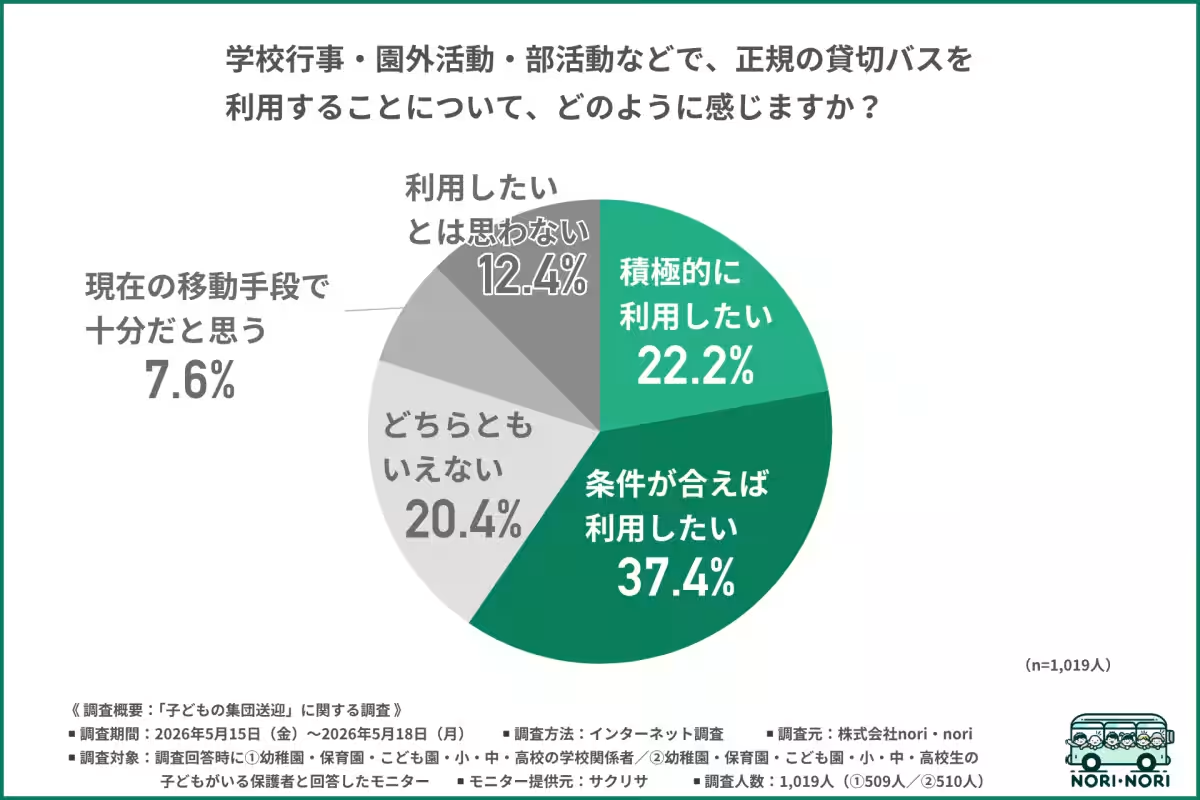
3. Positive Attitude Toward Rental Bus Services: Approximately 60% of respondents expressed a willingness to utilize charter buses for group transport, highlighting a high latent demand for professional services to alleviate driving burdens and enhance safety.
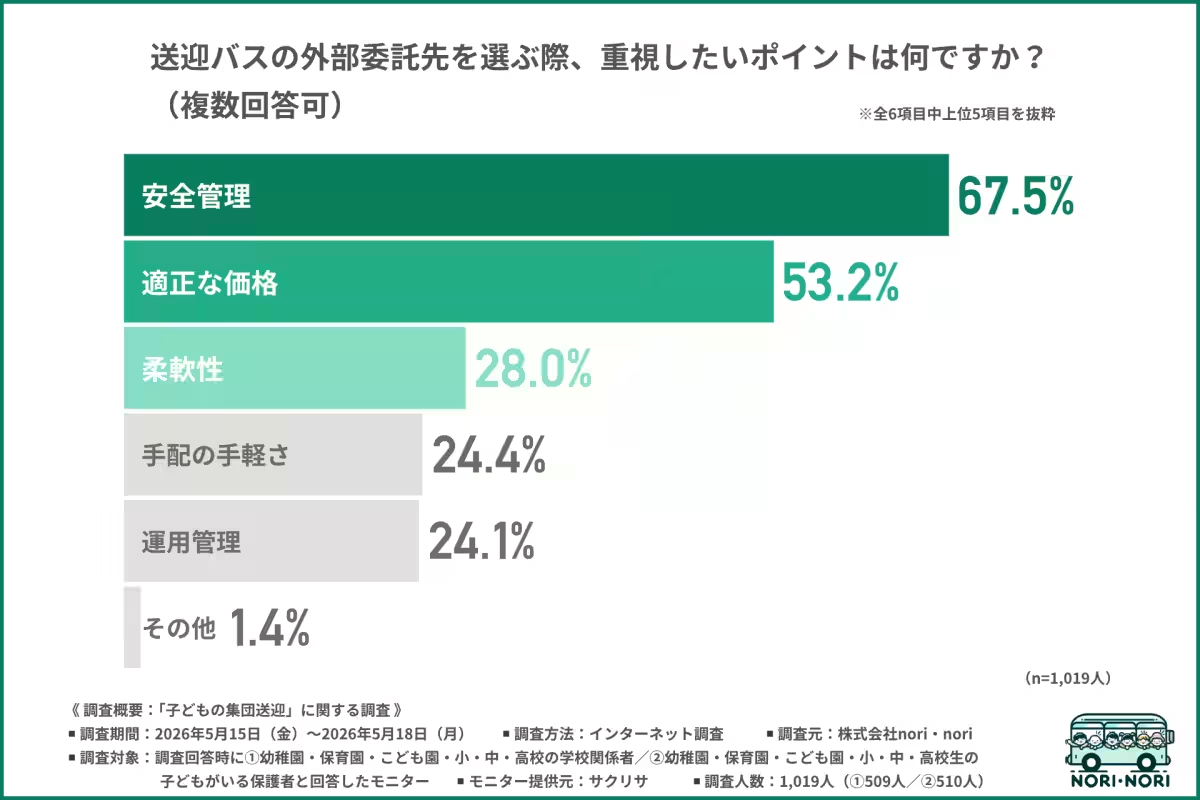
4. Safety Management Takes Precedence: When selecting transportation providers, managing safety was rated above cost considerations, emphasizing that safeguarding children is a non-negotiable priority.
Cost-Related Challenges
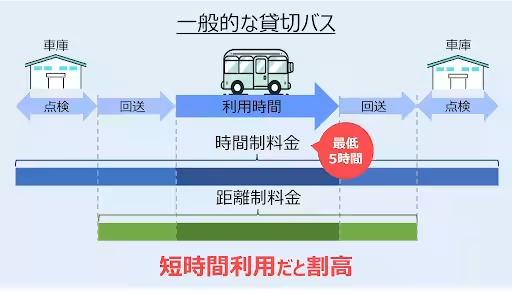
Despite the positive inclination towards using charter bus services, the primary deterrent remains budget limitations. Many expressed the desire to use these services, yet the higher costs associated with charter bus rentals often prevent them from doing so. The survey pointed out that the pricing structure of charter services can be costly, especially for short trips, making it challenging to justify expenses.
Additionally, there is concern about safety, making it essential that any service utilized not only be cost-effective but also ensure robust safety measures are in place.
External Provider Selection Criteria
Among the criteria for selecting external transportation services, safety topped the list, even exceeding considerations for cost. This emphasizes a trend where parents and schools prioritize reliable safety protocols over merely minimizing costs.
Flexibility also emerged as an essential requirement, with respondents expressing the need for tailored transportation solutions that align with school and event schedules.
Exploring the Time-Share Concept
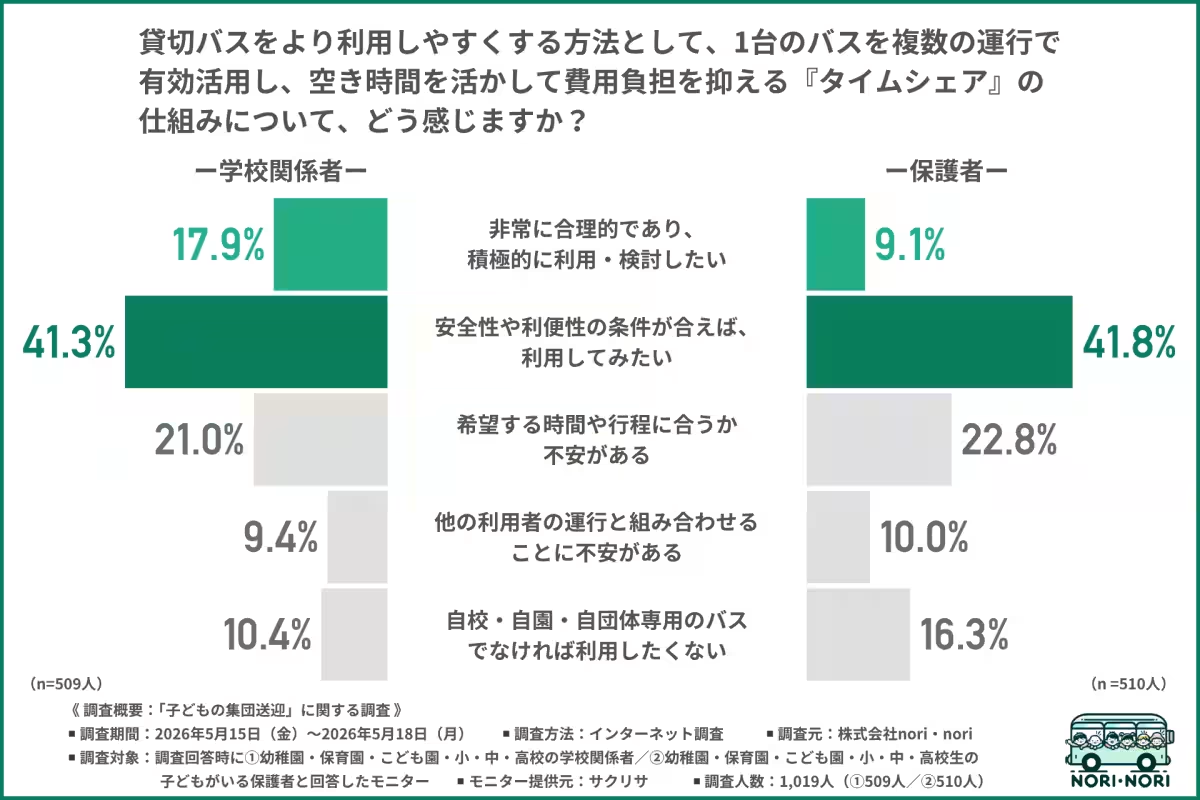
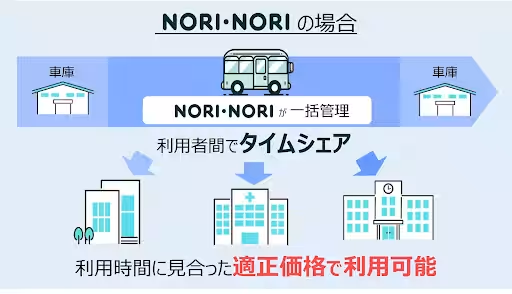
One innovative approach to mitigate costs is the concept of bus time-sharing. By allowing multiple users to share a single vehicle during overlapping schedules, this method facilitates affordable access to charter buses. The survey indicated that over half of participants were open to this time-sharing service, reflecting a collective desire for cost-effective and efficient transportation options.
However, concerns about matching schedules and potential discomfort with carpooling arrangements highlight the need for a more comprehensive framework that addresses these issues.
Conclusion: Toward Sustainable Group Transportation
The findings from nori・nori’s survey illuminate the complexities surrounding group transportation for children. The increased reliance on public transport and personal vehicles exposes both educators and parents to significant burdens. Yet, the clear inclination towards professional charter bus services reflects a desire for enhanced safety and less individual responsibility.
As educational institutions and families navigate the challenges of high costs and safety concerns, a new approach to transportation infrastructure is essential. A transition toward shared services like bus time-sharing could provide a viable path forward. The dual objectives of cost containment and safety assurance must be prioritized to establish an effective and sustainable group transportation model that meets the evolving needs of schools and families.
For more information about the bus time-sharing services offered by nori・nori, visit their official site: nori・nori. These services are designed to make group transport seamless and flexible.
About nori・nori
nori・nori, a leader in innovative transportation solutions, provides bus time-sharing services aimed at enhancing the convenience, safety, and cost-effectiveness of group transport for educational institutions and families alike.
Company Information
- - Name: nori・nori Inc.
- - Headquarters: Yokohama, Kanagawa, Japan
- - Founded: February 8, 2024
- - Website: nori-nori.co.jp
Topics Consumer Products & Retail)

【About Using Articles】
You can freely use the title and article content by linking to the page where the article is posted.
※ Images cannot be used.
【About Links】
Links are free to use.