



Mujin Ramps Up Logistics with Robotic Automation at TEPCO Transport
Automation Transformation in TEPCO Transport
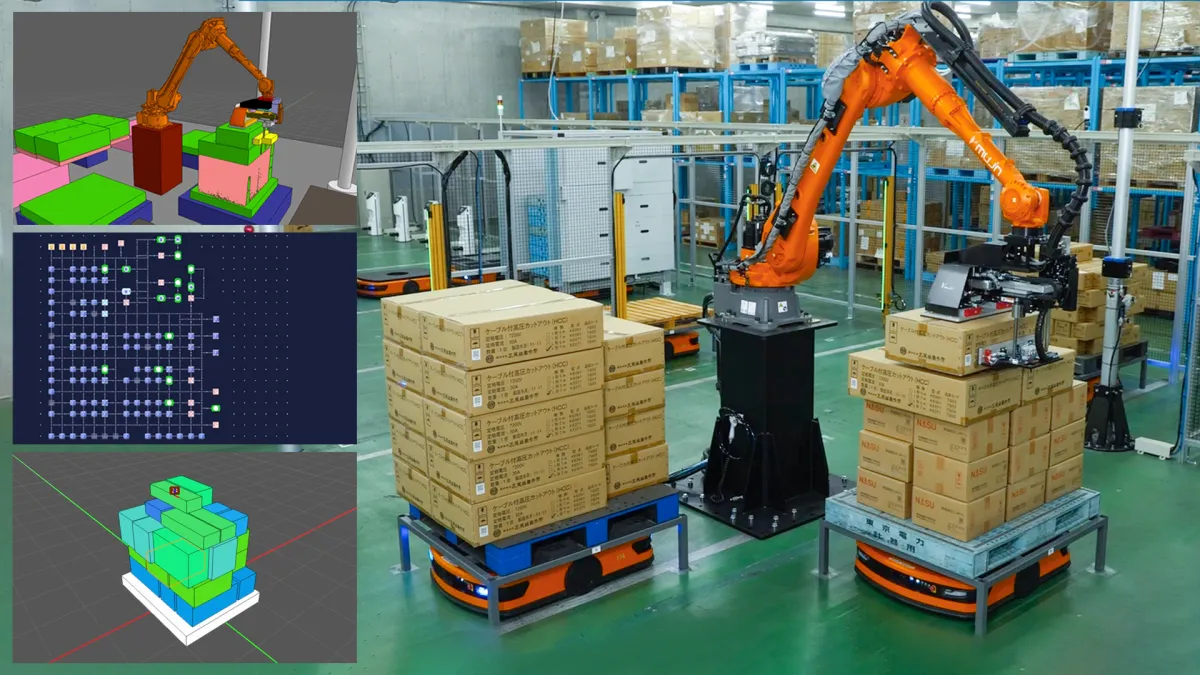
Mujin, a leading automation technology firm, has made significant strides in logistics efficiency by implementing their robotic case-picking solution, MujinRCP, at TEPCO Transport. This innovative system leverages Physical AI to automate the complex task of case picking, which is crucial for managing varying sizes and weights of materials used in electricity infrastructure projects. The deployment took place at the central branch located in Ota City, Tokyo, under the oversight of NX Shoji Co., Ltd.
Understanding the Challenge at TEPCO Transport
TEPCO Transport faces a unique set of challenges when it comes to maintaining electric infrastructure. The materials utilized in this sector come in a vast array of types, shapes, and weights. Consequently, the logistics team at TEPCO Transport needed to ensure that they accurately picked and dispatched these materials for each order. The previous reliance on manual labor was fraught with challenges:
- - Labor-Intensive Picking: The necessity to pick materials of varying shapes and weights for each dispatch order made the process labor-intensive, leading to a heavy dependency on human effort.
- - Specialized Knowledge Requirement: With numerous materials at play, each with distinct packaging sizes from different manufacturers, TEPCO resorted to assigning experts for picking tasks. This created a risk of operational quality degradation when these experts were unavailable.
- - Increased Inspection Loads: High standards in shipping accuracy resulted in cumbersome inspection processes, thus escalating the workload for staff involved in logistics.
Key Features of MujinRCP
To tackle these challenges, Mujin’s introduction of the MujinRCP system brought forth remarkable solutions:
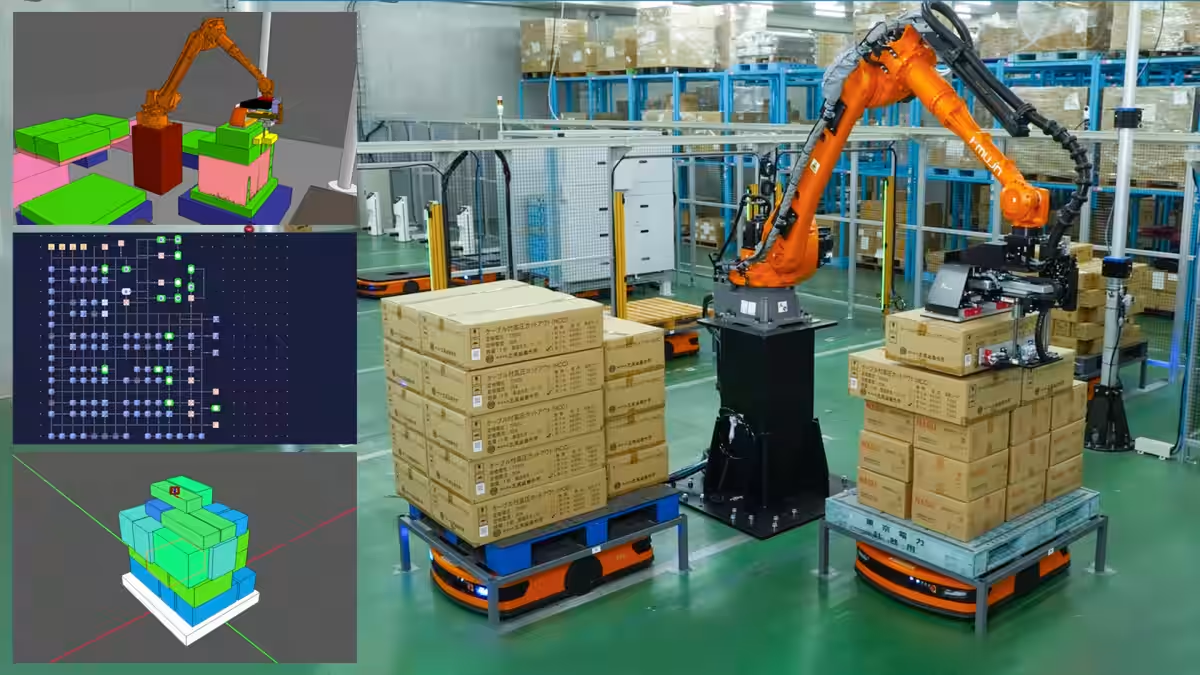
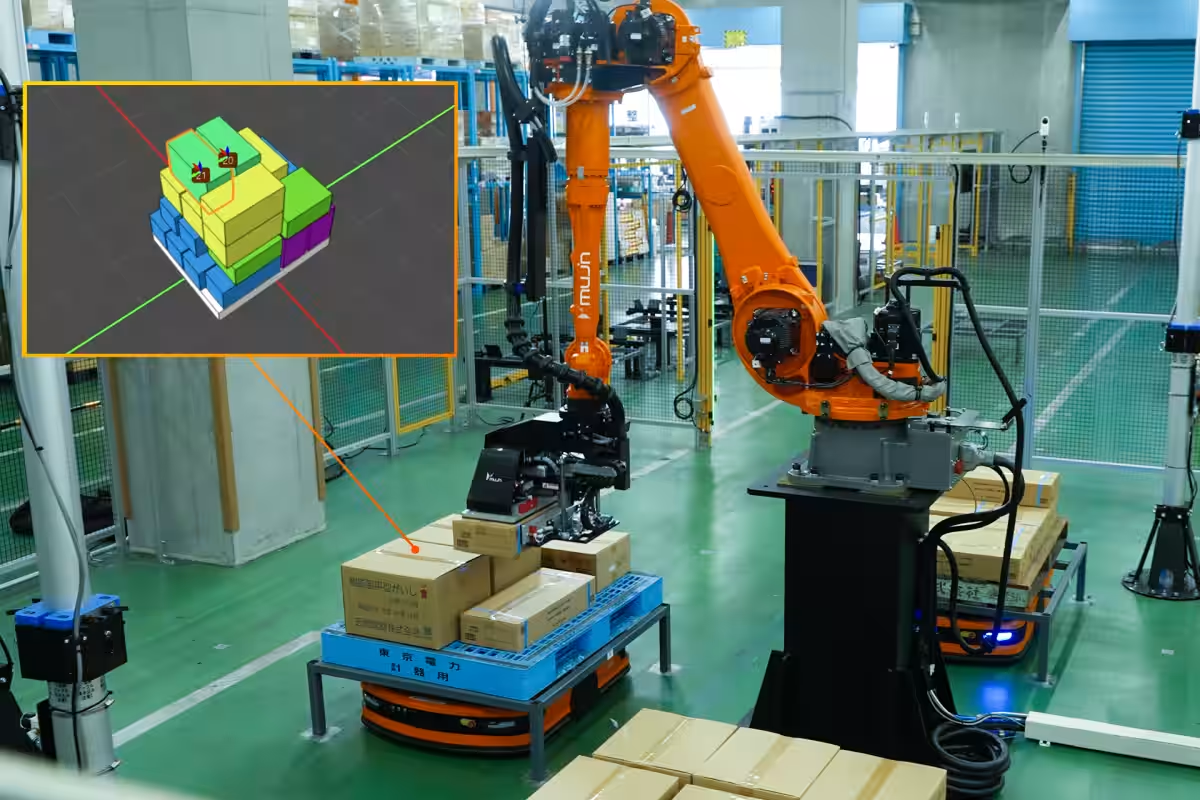
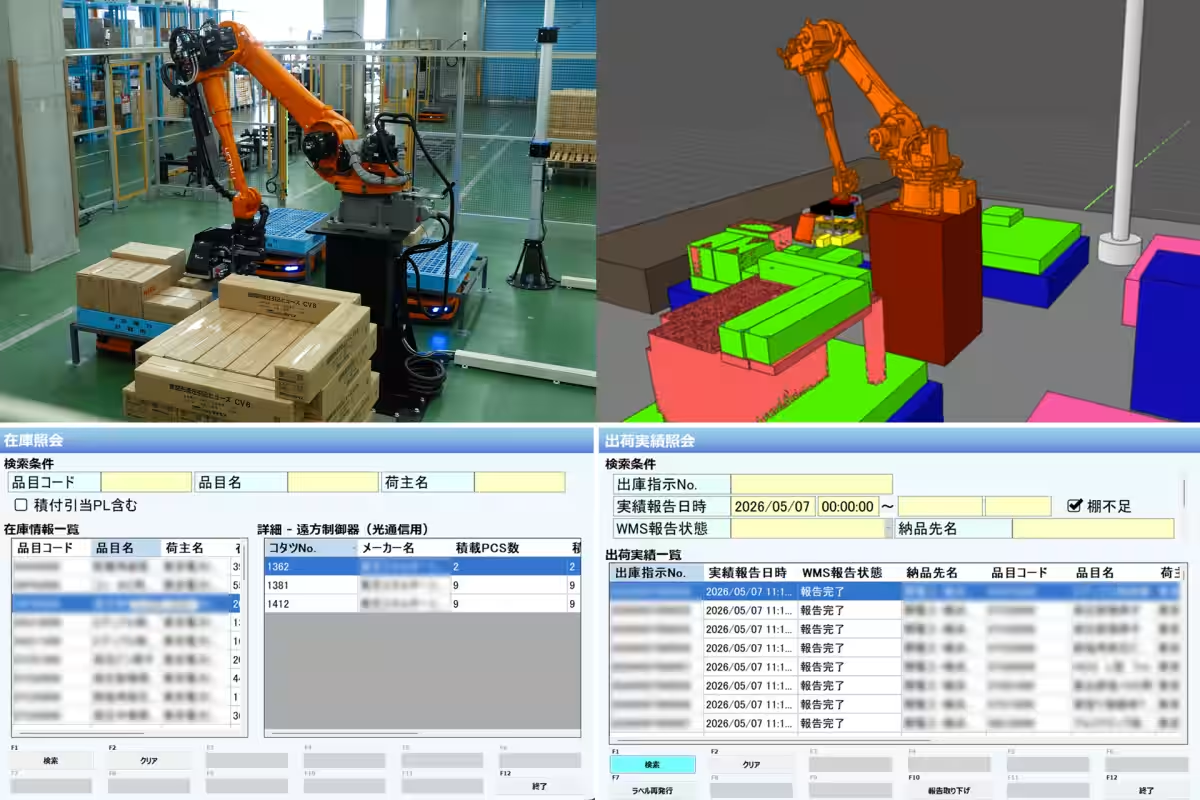
1. Automated Multi-Variety Case Picking: Utilizing advanced 3D vision technology, Mujin's Physical AI (MujinMI) autonomously performs palletizing tasks, efficiently recognizing and picking a wide variety of cases. This technology tackles the complexity that impeded previous efforts for multi-variety picking and packing, allowing for consistent automation results.
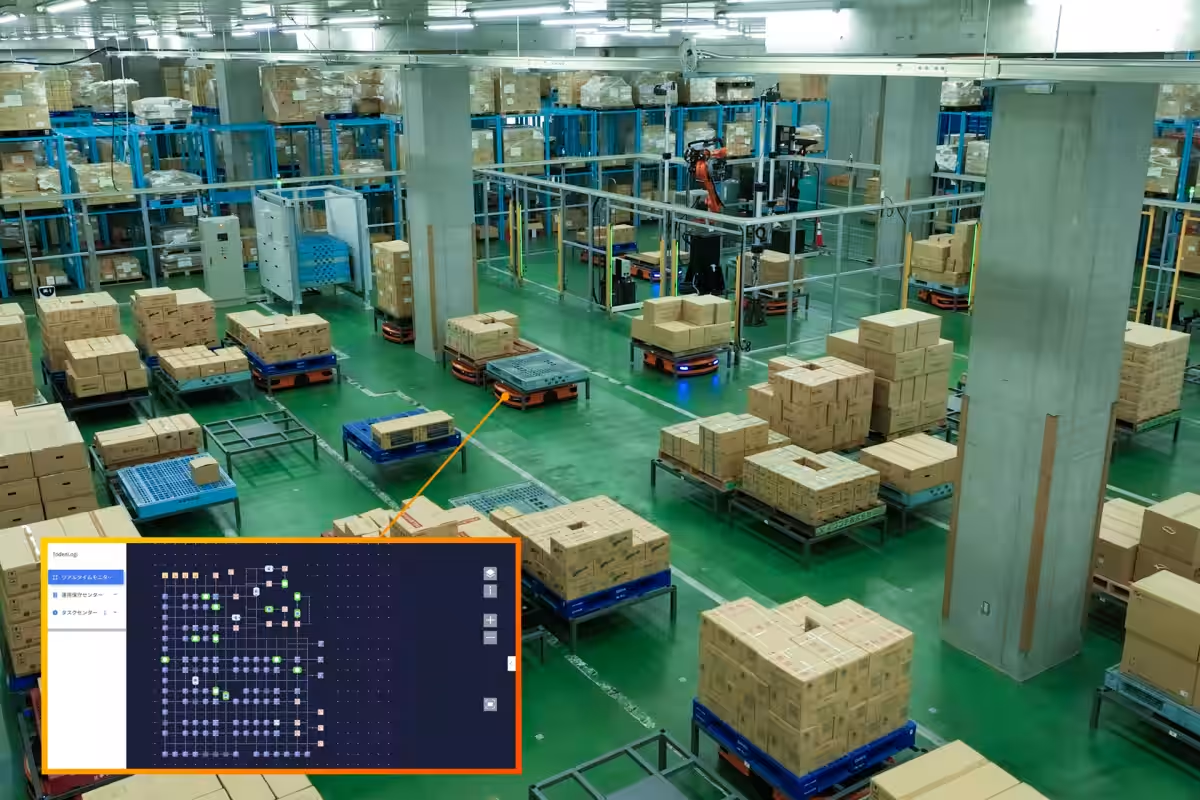
2. Accessibility and Flexibility: Unlike traditional automation that relied on large fixed installations such as automated warehouses, MujinRCP integrates various components, including arm robots and AGVs (Automated Guided Vehicles), all coordinated through the MujinOS platform. This flexibility means that existing warehouses and management systems can be utilized without necessitating extensive modifications, enabling smoother integration even within limited spaces.
3. Reduction of Inspection Workloads: With the implementation of digital twin technology, the system provides visibility into the operational status and tracks key metrics like work progress, inventory information, and shipment records, allowing for centralized management. Reducing dependence on manual inspections helps minimize the risk of errors and boosts efficiency.
Impact of the Implementation
The deployment of MujinRCP has yielded impressive results to address the labor shortage crisis:
- - 90% Automation of Case Handling at the central branch.
- - Reduction in Picker Workforce from four to one per operation.
- - Elimination of Inspection Tasks in the target processes.
- - Enhancements in operational safety by mitigating the risks of workplace accidents through separation of human and automated functions.
- - Improved warehouse management operations, strengthening reliability essential for electricity infrastructure and responding adeptly to diverse shipping needs.
- - The system enables visual management of work, inventory, and shipping data to facilitate ongoing improvements in operations.
By automating processes from case picking to shipping inspections, TEPCO Transport has established a capability to maintain high accuracy in shipments with a limited workforce. This not only aids in sustaining operational quality amidst labor shortages but also enhances efficiency and reduces operational costs.
Future Directions for Automation
Historically, the automation of multi-variety cases required substantial fixed infrastructure. However, with the evolving logistics landscape—characterized by constantly shifting volumes, products, and destinations—there is a need for more adaptable automation solutions. MujinRCP addresses this by seamlessly controlling versatile machinery, like arm robots and AGVs, allowing organizations to implement flexible automation suited for varying operational scenarios.
Mujin is committed to continuing its advancements in logistics automation. With plans to expand MujinRCP’s capabilities into sectors that have traditionally resisted automation—such as those supporting infrastructure needs—Mujin aims to elevate operational efficiency, accuracy, and digital integration in supply chain platforms across the board.
Company Overview
TEPCO Transport Co., Ltd.
- - Established: 1977
- - CEO: Yoshihiko Ishikawa
- - Website
- - A vital logistics provider supporting electric infrastructure by managing procurement, storage, and transportation of electrical materials.
NX Shoji Co., Ltd.
- - Founded: 1964
- - CEO: Susumu Aoki
- - Website
- - A core trading company of the NX Group, dealing with diverse sectors including logistics, energy, and real estate, working to resolve challenges along the entire supply chain.
Mujin Japan Co., Ltd.
- - Founded: 2024
- - CEO: Isamu Arase
- - Website
- - They focus on providing comprehensive automation solutions tailored to optimize operations across industrial scenarios.
Topics Consumer Technology)
【About Using Articles】
You can freely use the title and article content by linking to the page where the article is posted.
※ Images cannot be used.
【About Links】
Links are free to use.