



Transforming Workplaces: Boosting Hiring Applications by Over 1.5 Times
Elevating Workplace Environments and Human Capital Management
In the dynamic landscape of today's workforce, companies must adapt to the evolving needs of their employees. A recent survey conducted by Sawamura Co., a comprehensive construction firm founded 75 years ago, reveals the critical relationship between office renewals and human capital management. With a focus on physical labor and skill-based industries, this inquiry sheds light on how modern workspaces can invigorate not just employee satisfaction, but overall company performance.
The Shift to Human-Centric Management
Human capital management views employees not merely as resources, but as invaluable assets. As Japan faces a rapidly diminishing labor pool, businesses must embrace strategic approaches to elevate their long-term value. A primary facet of this strategy involves investment in the workforce, particularly in enhancing the working environment. A well-structured workspace is believed to maximize individual knowledge and skills, contributing to improved productivity across the organization.
Insights from the Survey
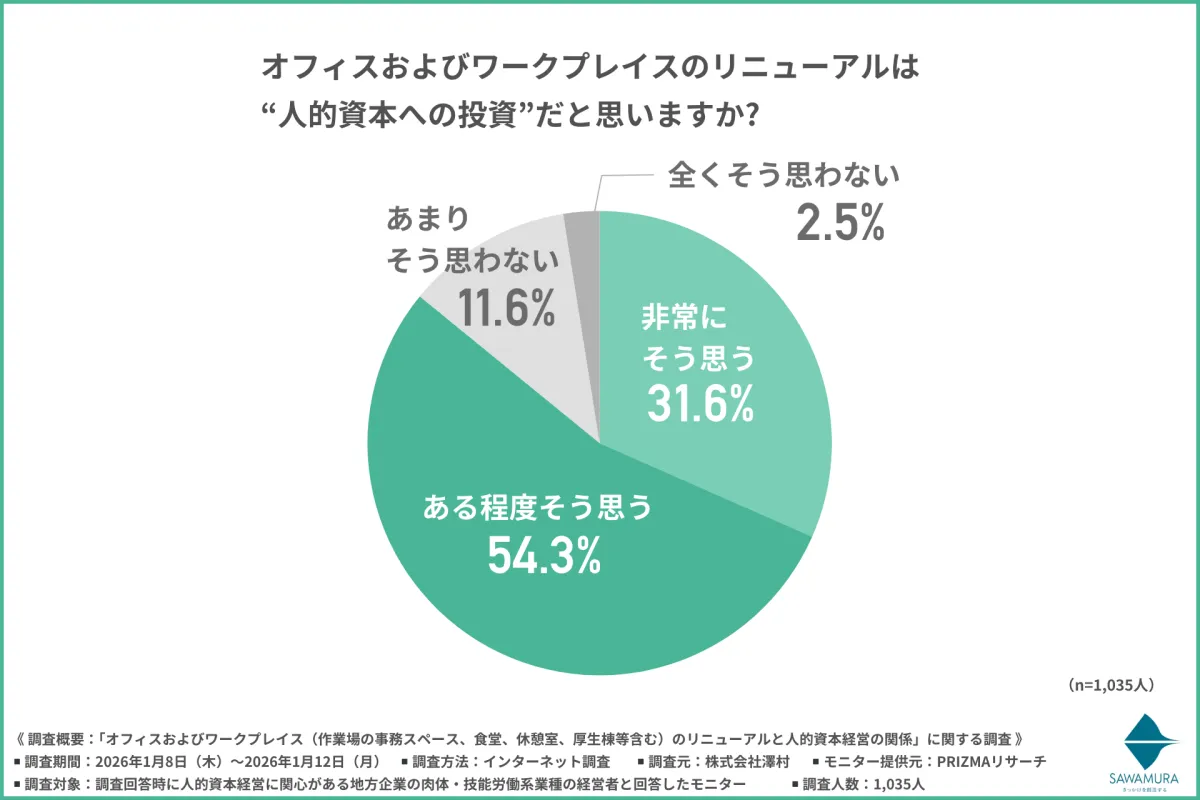
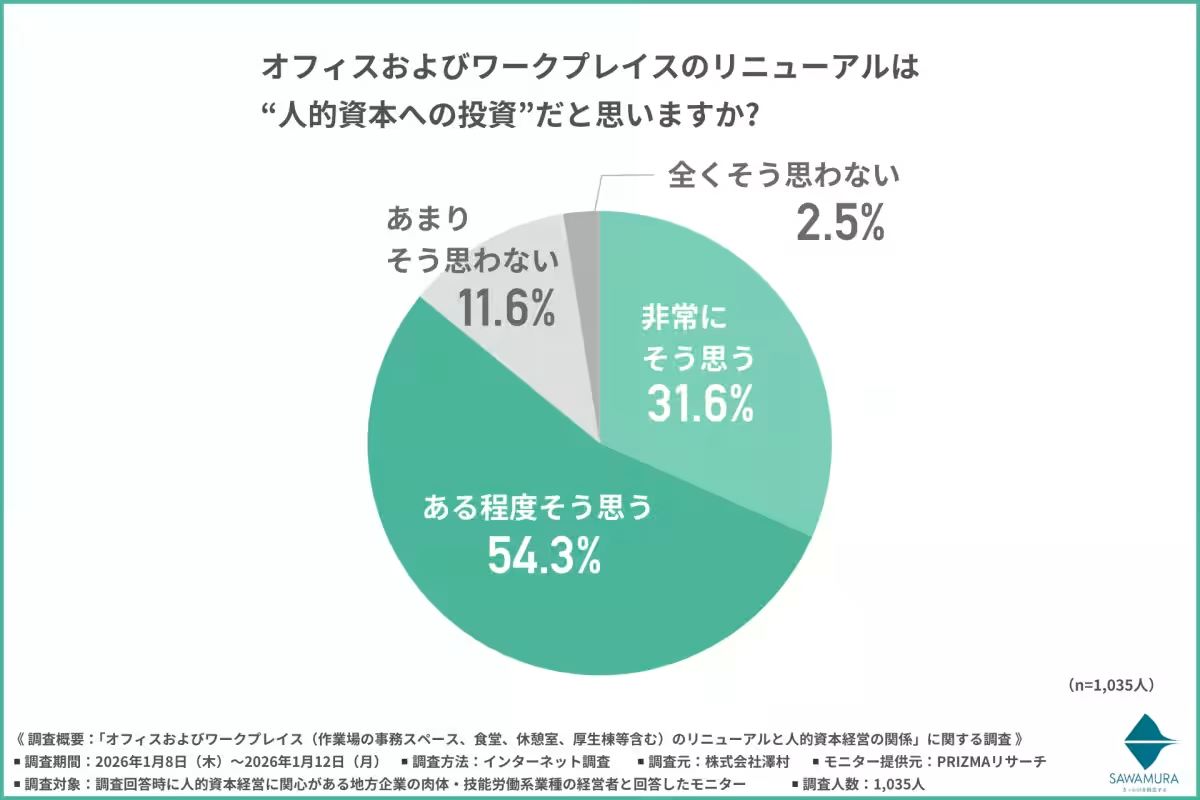
The study, which took place from January 8 to January 12, 2026, involved 1,035 company leaders interested in human capital management. An impressive 80% of respondents identified office and workplace renewal as an investment in human capital. This reveals a collective understanding of the importance of providing supportive work environments that cater to employee well-being.
Key Findings:
- - Employee Size Distribution: Responses showed a diverse range of company sizes, from fewer than 5 employees to over 300, indicating that interest in human capital management spans across corporate scales.
- - Recognition of Renovation Benefits: Over 80% of the leaders firmly believed that renewing workspaces significantly contributes to human capital investments, highlighting the pivotal role of a conducive working environment in supporting employees.
The Necessity of Renovation
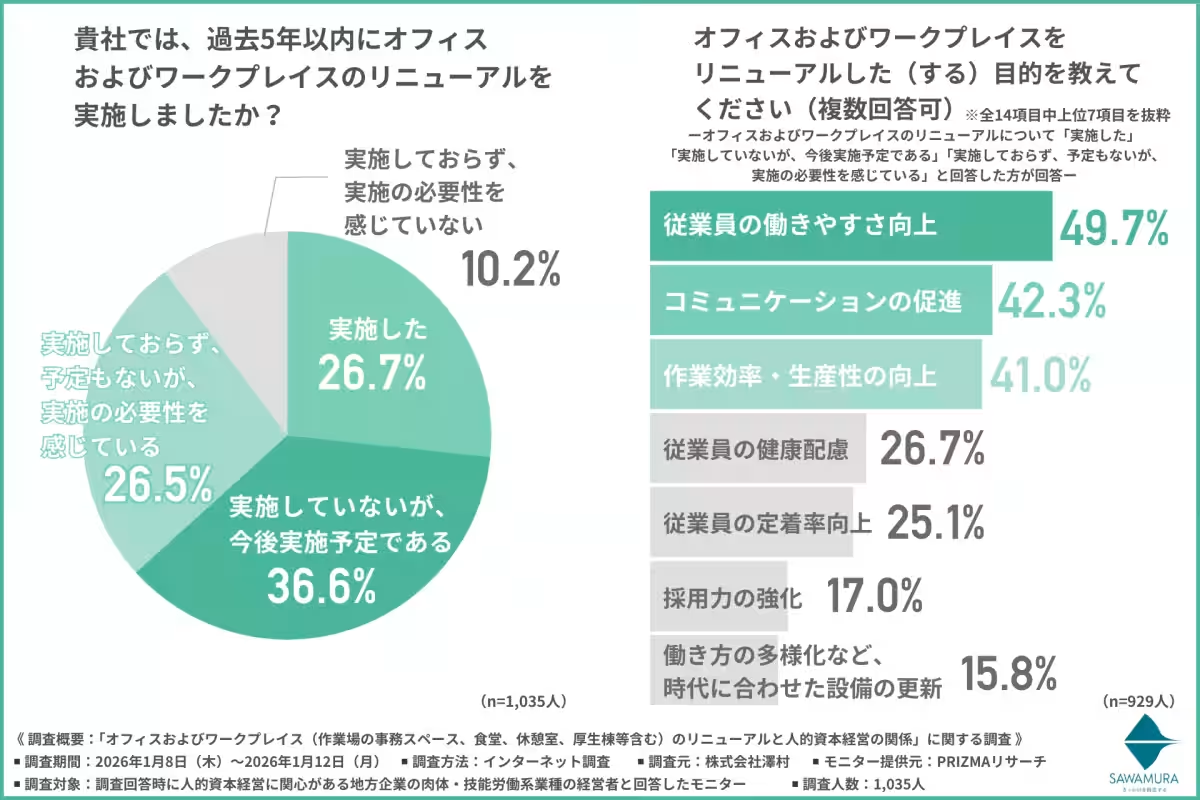
When queried about past renovations, only 26.7% confirmed they had updated their spaces in the last five years. However, a combined 66.3% noted either intentions to renovate or recognized the necessity for future updates, illustrating a clear trend toward workplace improvement.
Motivations for Renewal:
Respondents listed their top reasons for renovation:
1. Enhancing Employee Comfort (49.7%)
2. Facilitating Communication (42.3%)
3. Improving Work Efficiency (41.0%)
These priorities indicate a strong focus on creating environments that are conducive to both professional productivity and interpersonal interaction.
Comprehensive Changes During Renovation
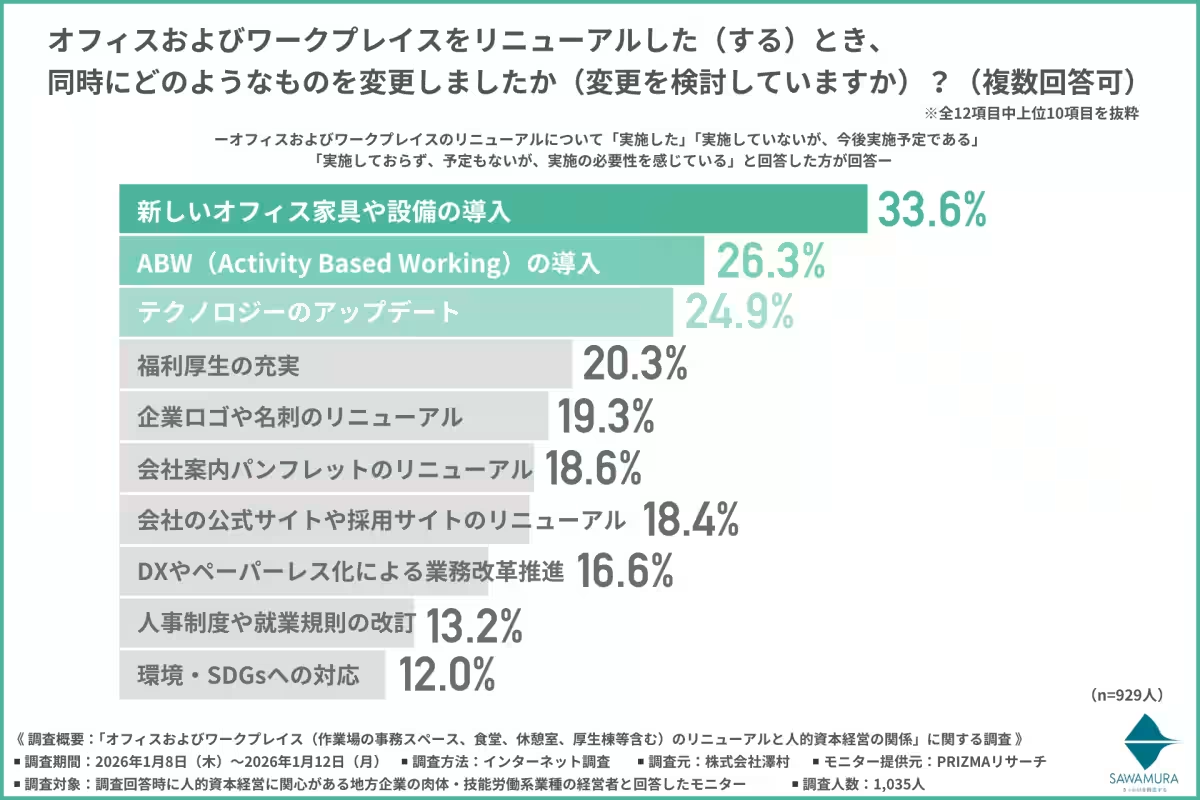
When assessing what changes were implemented alongside office renovations, major shifts included:
- - Introducing New Furniture and Equipment (33.6%)
- - Implementing Activity-Based Working (26.3%)
- - Upgrading Technology (24.9%)
Employee Engagement in the Process
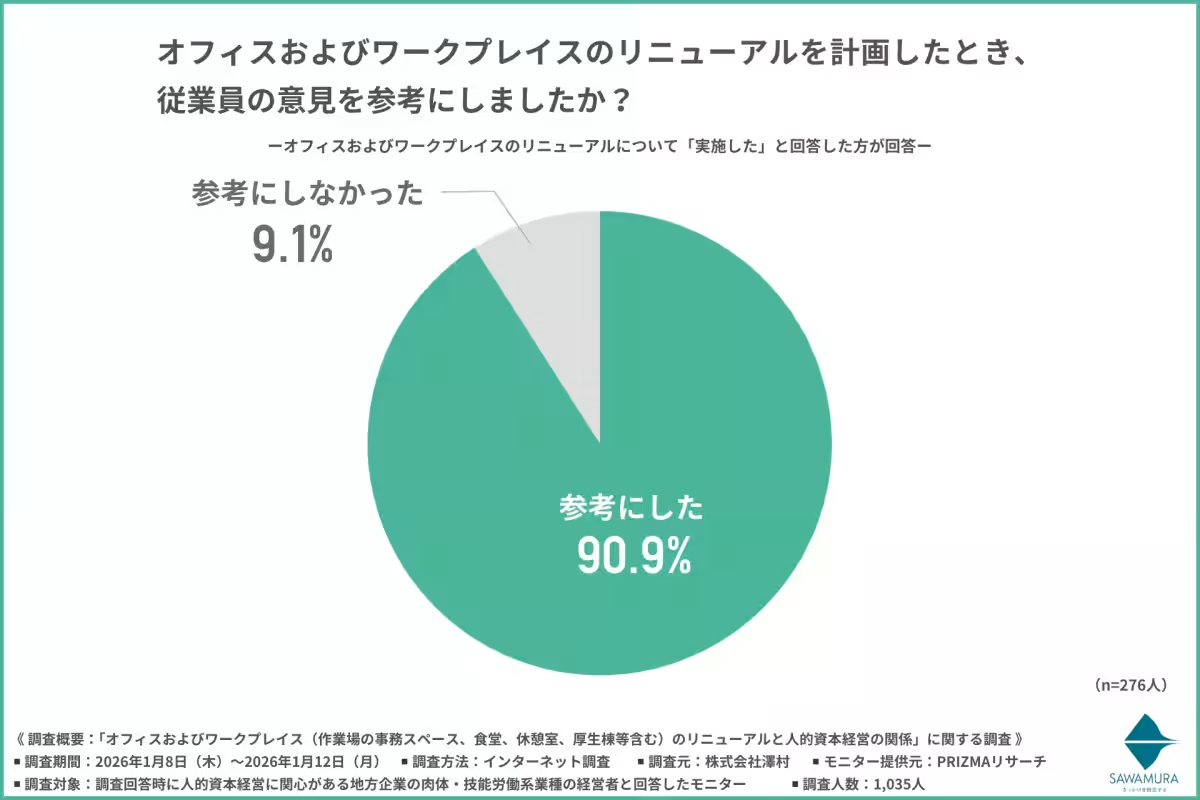
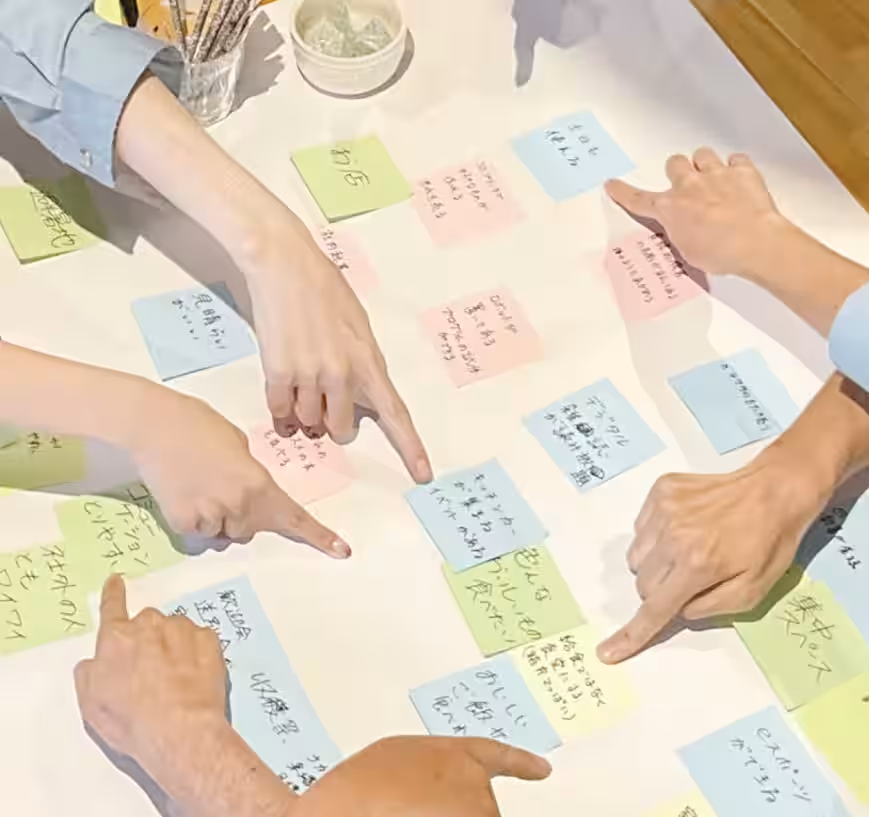
The survey also indicated that approximately 90.9% of companies consulted their employees during the planning phase of renewals. This collaborative approach fosters a sense of ownership among staff regarding their working conditions.
Challenges in Collective Decision-Making
While extensive employee engagement is evident, some companies reported difficulties in consensus-building on renewal projects. For example, reasons for not incorporating employee feedback included high levels of conflicting opinions. Conversely, those who consulted employees noted improved efficiency and higher job satisfaction as benefits of their participatory approach.
Tangible Outcomes from Renovations
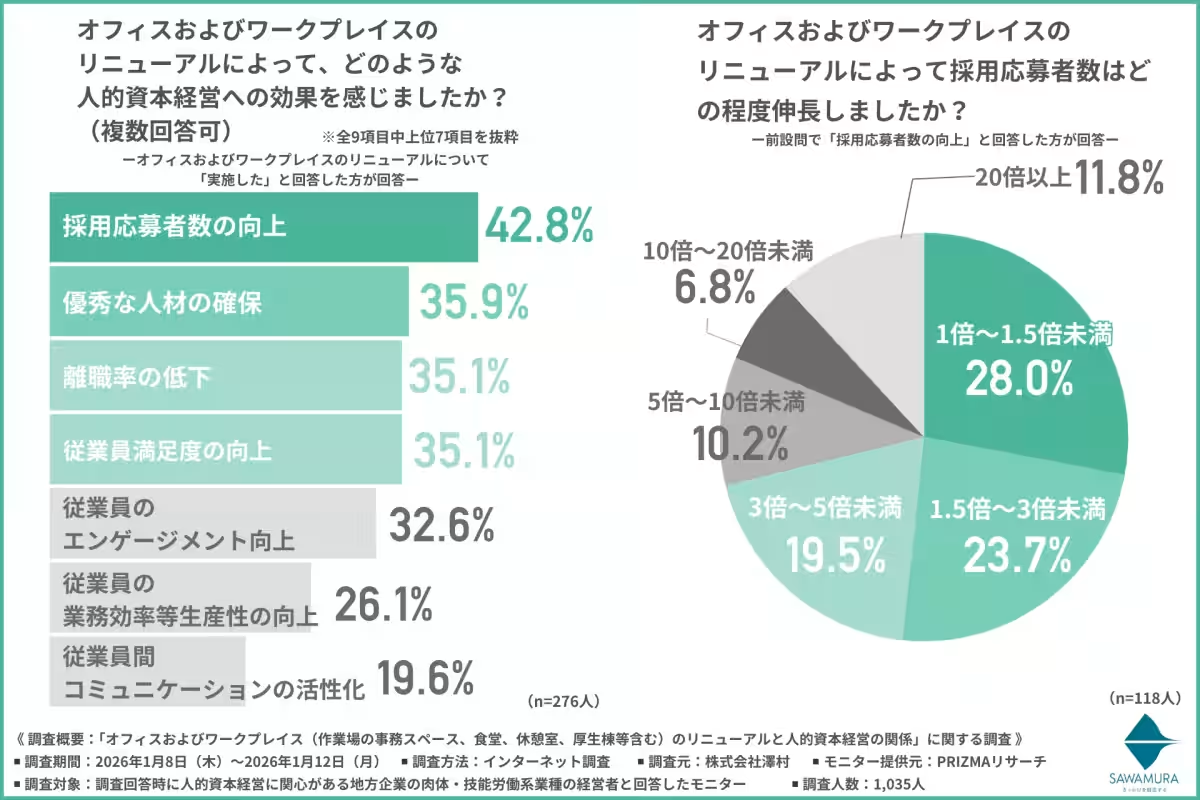
The survey revealed intriguing results regarding the impact of office renewals on recruitment metrics. Approximately 42.8% of organizations reported an increase in hiring applications. Furthermore, when measuring the extent of this growth, 23.7% experienced applicant increases of 1.5 to 3 times, illustrating the affirmative impact that an upgraded work environment can yield on attracting talent.
Conclusions and the Way Forward
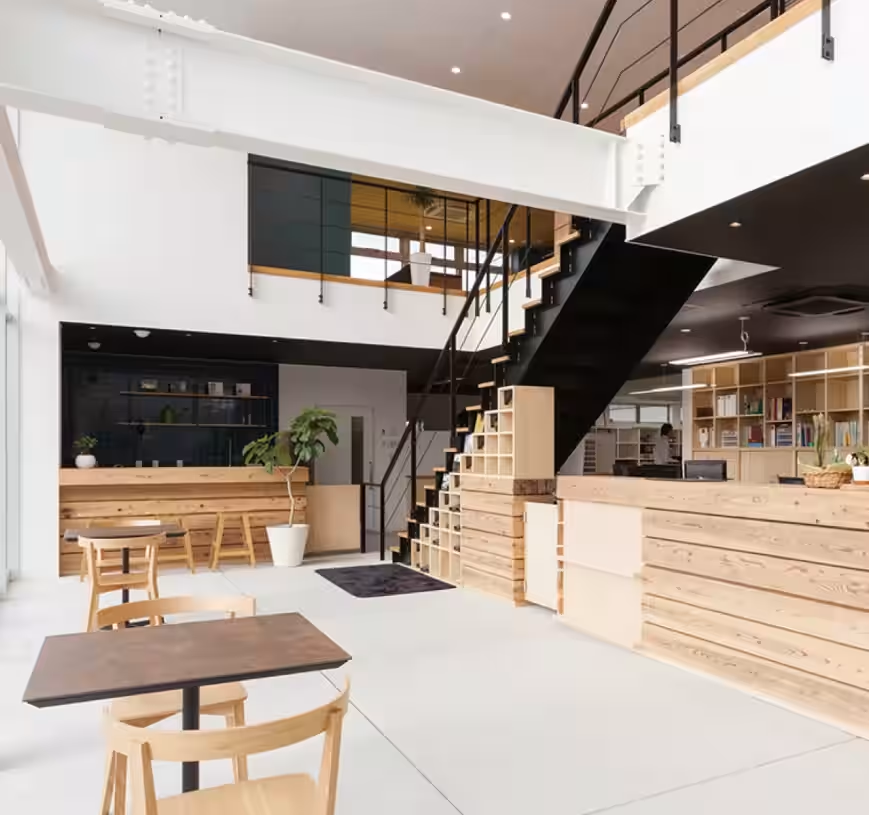
Sawamura's findings emphasize that thoughtfully designed workspaces can catalyze human capital management and enhance overall productivity. With countless organizations feeling the pressures of talent acquisition and retention, attending to employee needs through space improvements is an effective strategy. The emphasis on thoughtful renovations, backed by employee insights and technological updates, positions businesses to thrive in a competitive labor market.
In this evolving corporate environment, collaboration with design partners to create ideal workspaces is pivotal. Companies should seek expertise in harnessing employee perspectives to shape environments that not only attract talent but also foster satisfaction and engagement. Sawamura Co. stands ready to assist in this transformative journey, helping craft spaces where companies can realize their full human capital potential.
Topics Business Technology)
【About Using Articles】
You can freely use the title and article content by linking to the page where the article is posted.
※ Images cannot be used.
【About Links】
Links are free to use.