



The Current State of Shadow IT: A Survey on Challenges in DX Promotion
In a recent survey conducted by NTT Data Business Brains, it was revealed that an alarming 86.4% of organizations face the issue of Shadow IT, where departments independently adopt various software tools and services that go unmanaged by IT. This occurrence raises significant challenges for the promotion of digital transformation (DX) within companies.
Background of the Survey
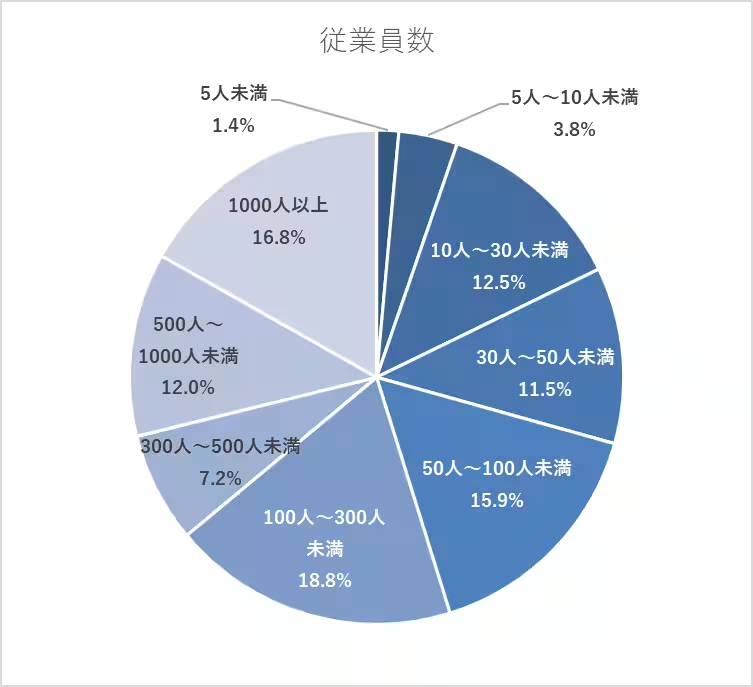
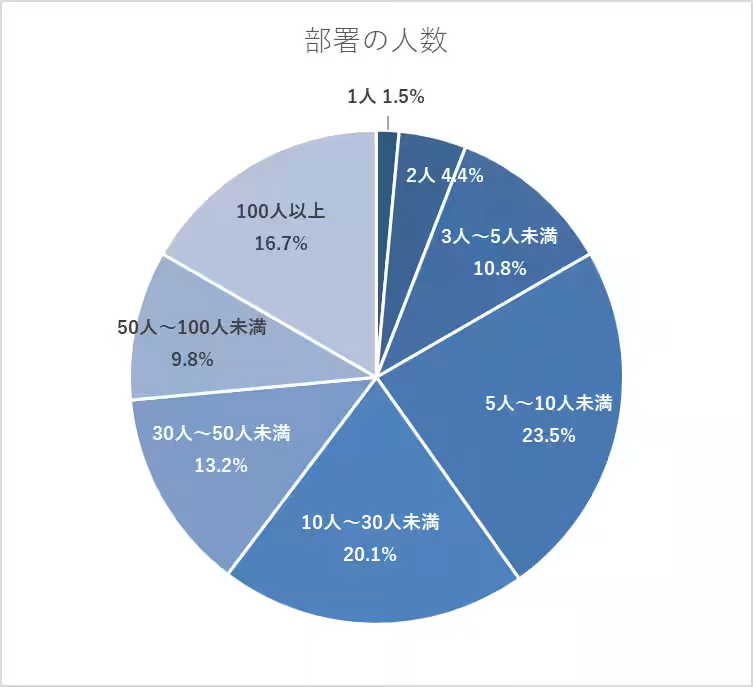
The survey targeted 221 IT specialists from various organizations, aiming to uncover the real obstacles in advancing DX initiatives and the significant disconnect between IT departments and business units. With the rise of efficiency demands, operational divisions such as sales and HR are increasingly adopting new tools on their own, creating a management crisis for IT. The introduction of independent solutions without IT oversight leads to fragmented systems and a lack of data integration, often resulting in severe security vulnerabilities.
Key Findings
1. Prevalence of Shadow IT
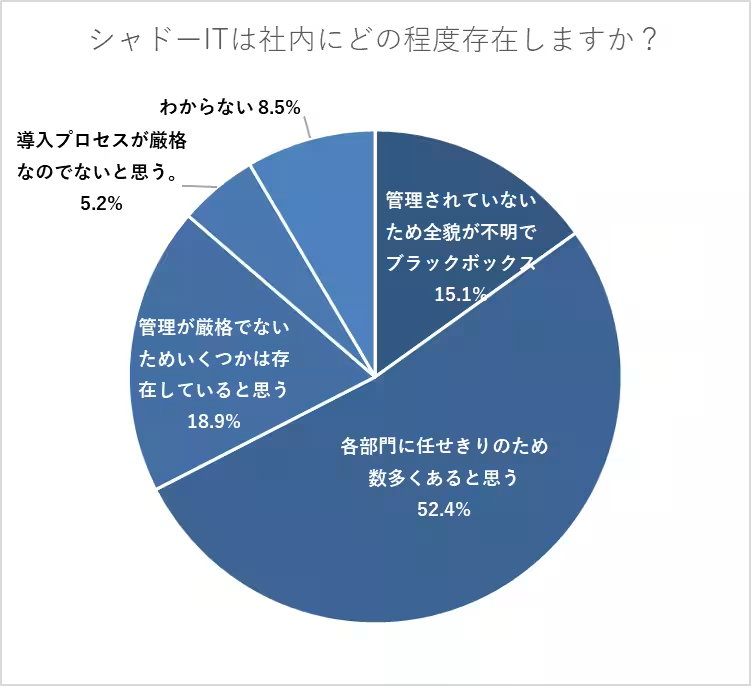
A majority of respondents admitted that many Shadow IT systems exist within their companies. Notably, 52.4% believe numerous unmonitored applications are in use, while 15.1% reported that they are wholly unaware of the extent of these tools. With 80% confirming the existence of Shadow IT, it becomes clear that the demand for quick solutions drives departments to bypass traditional IT processes. This not only accelerates operations but also poses risks to data security, highlighting a breakdown in comprehensive IT governance.
2. Manual Account Management
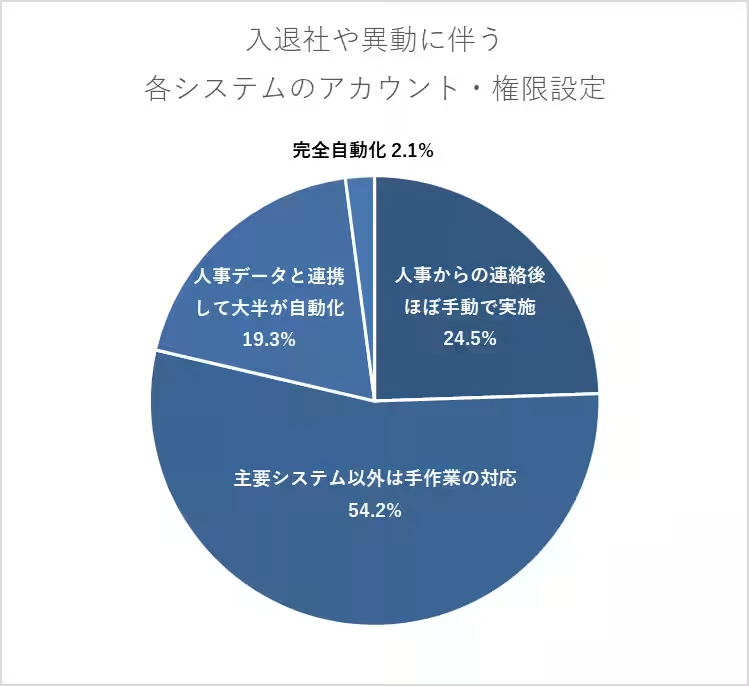
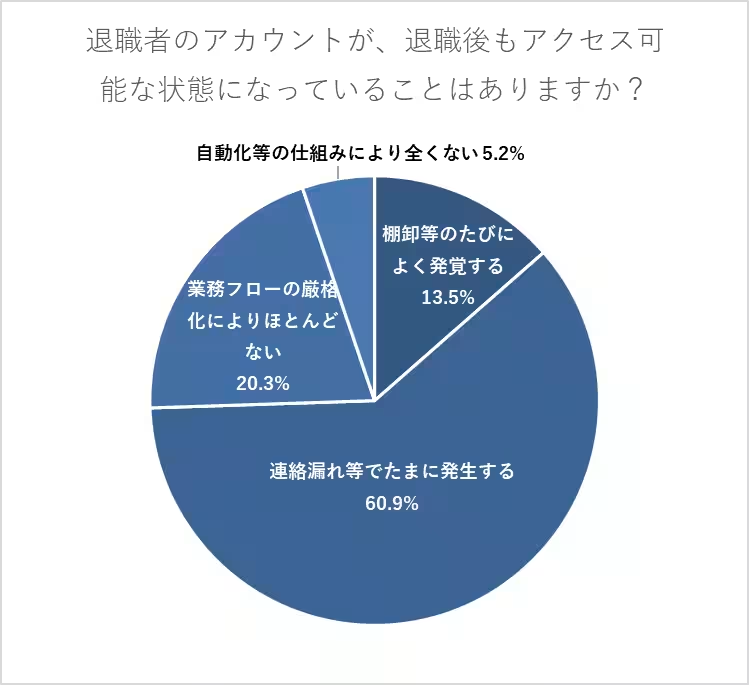
In examining how account management is handled within organizations, 54.2% reported that most systems rely heavily on manual processes. This inefficient method extends to onboarding and offboarding, where IT staff often have to log in to multiple SaaS platforms and manage accounts individually. This not only consumes valuable time but also increases the risk of errors, particularly as employees leave the organization with unrevoked access to sensitive systems.
3. Data Coordination Challenges
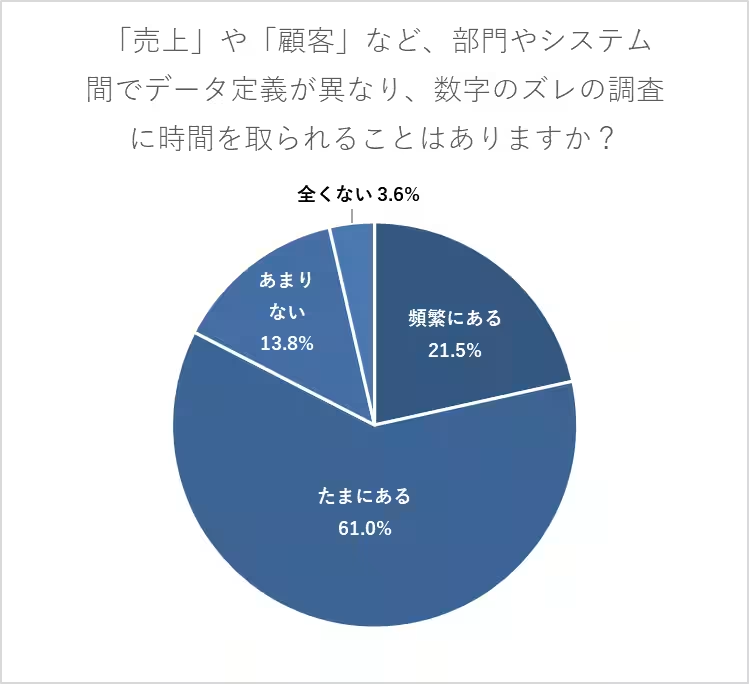
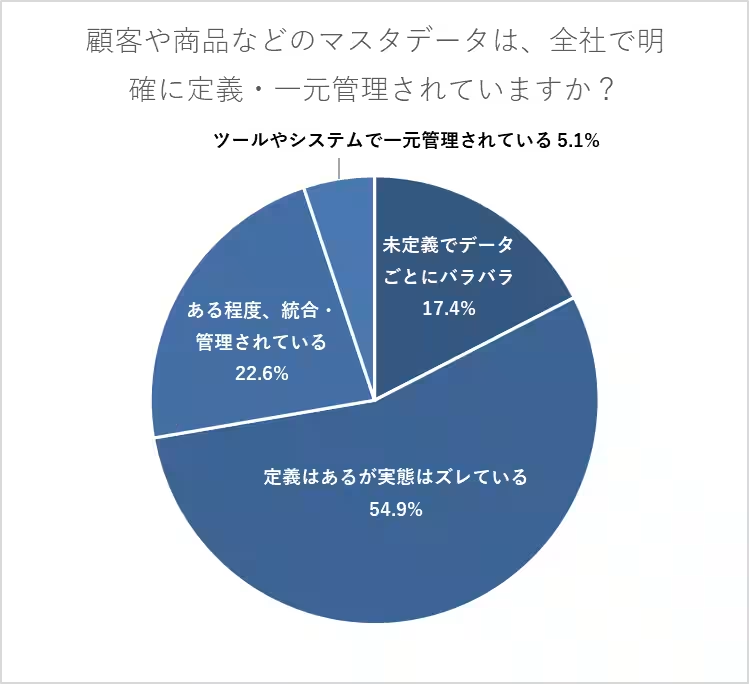
The survey indicates a chronic issue with data discrepancies between departments. More than 80% of participants acknowledged that differing definitions of sales or customer data lead to significant time spent on reconciling discrepancies. The absence of unified data regulations exacerbates these issues, pointing to an urgent need for standardized definitions across all business units.
Core Issues Identified
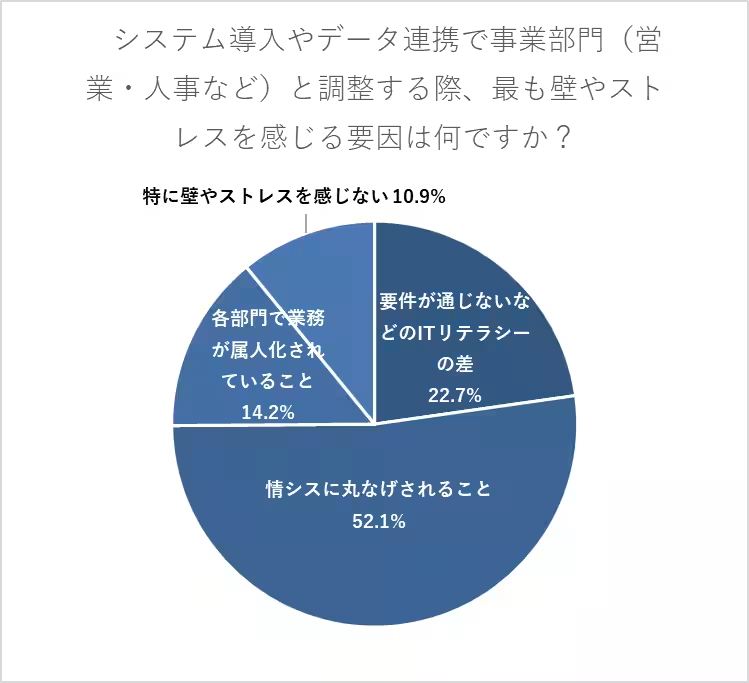
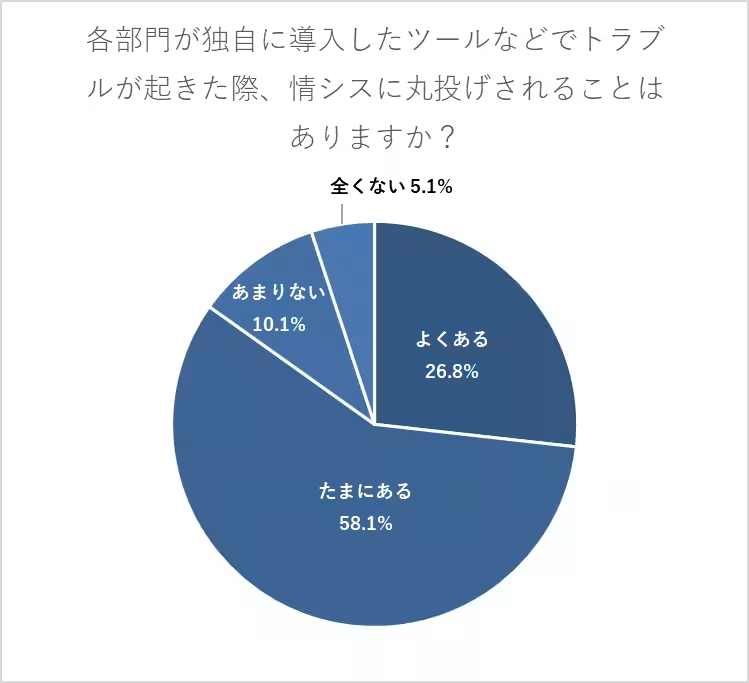
A major concern highlighted in the survey is the cultural perception of IT departments as mere service providers. When departments adopt tools without IT involvement, they often relinquish responsibility when issues arise. The result? A reliance on IT to solve problems with systems that IT did not approve. This behavior creates significant tension, not only hindering the growth of IT's role but also compromising the IT department’s morale.
Future Outlook
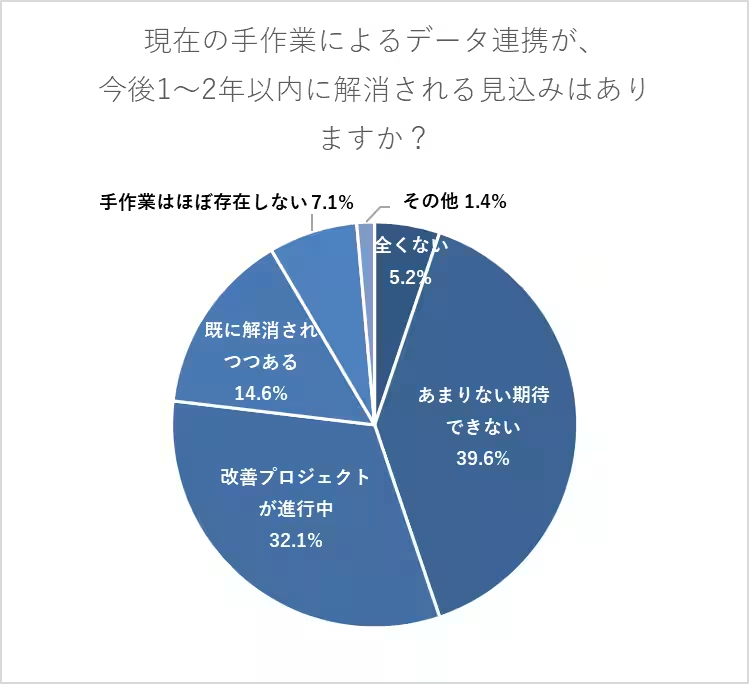
Despite the pressing challenges, around 32.1% of companies report ongoing improvement projects aimed at integrating data processes. However, nearly half of the respondents remain skeptical that manual interventions will be eradicated soon, stressing the need for a shift in corporate culture towards embracing collaboration between IT and business units.
The pathway to successful DX is not paved solely by technology but by fostering a responsible approach to IT usage across departments, where both business and IT players unite under a shared vision of operational efficiency and security.
Conclusion
The survey's results underscore the critical need for organizations to bridge the gap between various departments and IT to cultivate an environment conducive to digital transformation. While individual departments may find success through expedient tool adoption, the ultimate goal should be a collaborative effort to establish comprehensive governance and data stewardship across the organization. It is imperative that executives take the lead in addressing the current challenges to ensure not only the prevention of security risks but also the advancement of genuine digital transformation within their companies. NTT Data Business Brains continues to advocate integrating corporate data through their tool, Slopebase, to enhance visibility across organizational systems and streamline workflows.
For more detailed insights into the survey results and implications for your business, visit: Slopebase Survey Results.

Background of the Survey
The survey targeted 221 IT specialists from various organizations, aiming to uncover the real obstacles in advancing DX initiatives and the significant disconnect between IT departments and business units. With the rise of efficiency demands, operational divisions such as sales and HR are increasingly adopting new tools on their own, creating a management crisis for IT. The introduction of independent solutions without IT oversight leads to fragmented systems and a lack of data integration, often resulting in severe security vulnerabilities.
Key Findings
1. Prevalence of Shadow IT
A majority of respondents admitted that many Shadow IT systems exist within their companies. Notably, 52.4% believe numerous unmonitored applications are in use, while 15.1% reported that they are wholly unaware of the extent of these tools. With 80% confirming the existence of Shadow IT, it becomes clear that the demand for quick solutions drives departments to bypass traditional IT processes. This not only accelerates operations but also poses risks to data security, highlighting a breakdown in comprehensive IT governance.
2. Manual Account Management
In examining how account management is handled within organizations, 54.2% reported that most systems rely heavily on manual processes. This inefficient method extends to onboarding and offboarding, where IT staff often have to log in to multiple SaaS platforms and manage accounts individually. This not only consumes valuable time but also increases the risk of errors, particularly as employees leave the organization with unrevoked access to sensitive systems.
3. Data Coordination Challenges
The survey indicates a chronic issue with data discrepancies between departments. More than 80% of participants acknowledged that differing definitions of sales or customer data lead to significant time spent on reconciling discrepancies. The absence of unified data regulations exacerbates these issues, pointing to an urgent need for standardized definitions across all business units.
Core Issues Identified
A major concern highlighted in the survey is the cultural perception of IT departments as mere service providers. When departments adopt tools without IT involvement, they often relinquish responsibility when issues arise. The result? A reliance on IT to solve problems with systems that IT did not approve. This behavior creates significant tension, not only hindering the growth of IT's role but also compromising the IT department’s morale.
Future Outlook
Despite the pressing challenges, around 32.1% of companies report ongoing improvement projects aimed at integrating data processes. However, nearly half of the respondents remain skeptical that manual interventions will be eradicated soon, stressing the need for a shift in corporate culture towards embracing collaboration between IT and business units.
The pathway to successful DX is not paved solely by technology but by fostering a responsible approach to IT usage across departments, where both business and IT players unite under a shared vision of operational efficiency and security.
Conclusion
The survey's results underscore the critical need for organizations to bridge the gap between various departments and IT to cultivate an environment conducive to digital transformation. While individual departments may find success through expedient tool adoption, the ultimate goal should be a collaborative effort to establish comprehensive governance and data stewardship across the organization. It is imperative that executives take the lead in addressing the current challenges to ensure not only the prevention of security risks but also the advancement of genuine digital transformation within their companies. NTT Data Business Brains continues to advocate integrating corporate data through their tool, Slopebase, to enhance visibility across organizational systems and streamline workflows.
For more detailed insights into the survey results and implications for your business, visit: Slopebase Survey Results.
Topics Business Technology)
【About Using Articles】
You can freely use the title and article content by linking to the page where the article is posted.
※ Images cannot be used.
【About Links】
Links are free to use.