



Empowering Remote Work: Insights from Recent Survey on Local Employment Support
Insights into Remote Work Support Needs in Rural Areas
As remote work becomes increasingly mainstream, understanding the preferences of those living in rural areas is vital for fostering an inclusive work environment. A recent survey conducted by LASSIC, a company dedicated to promoting flexible working methods, has shed light on what local teleworkers desire most in terms of support and policies.
Key Findings from the Survey
Conducted between July 2 and July 6, 2026, this survey engaged 1,004 remote workers between the ages of 20 and 65, with a balanced representation of genders. Here are the major insights:
Top Requested Support Systems
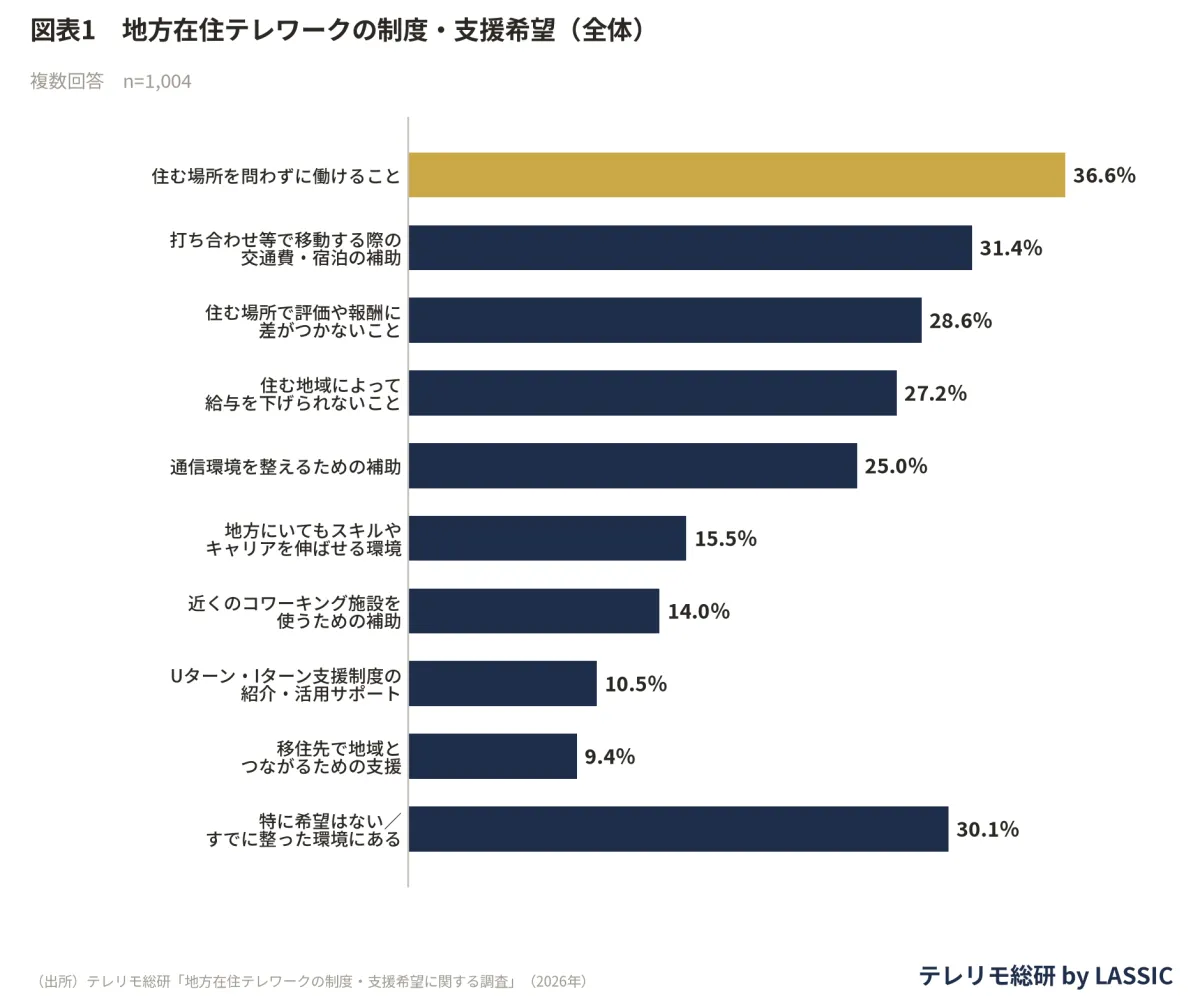
The standout finding from the survey revealed that 36.6% of respondents identified the ability to work regardless of location as the most crucial support they seek. This was followed closely by 31.4% who indicated the need for assistance with transportation and accommodation for meetings. Other significant responses included:
- - 28.6% desire for no discrepancies in evaluations or rewards based on location.
- - 27.2% wish for policies that ensure salaries are not decreased based on their residential area.
- - 25.0% seek help for establishing a proper communication environment necessary for effective remote work.
Gender Insights
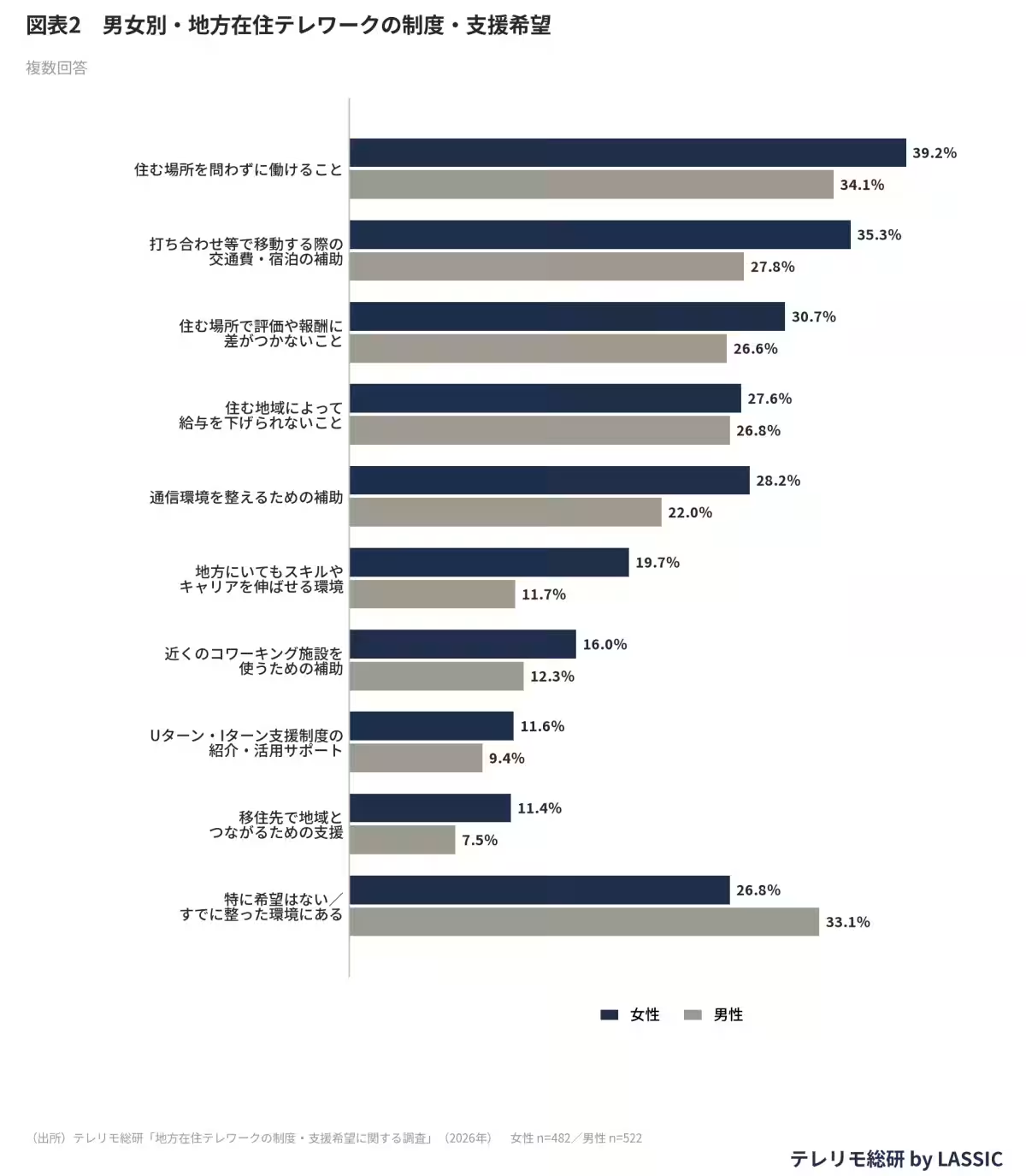
Examining the data through a gender lens revealed that women’s responses outpaced men’s across all nine categories of support. Notably, the largest gap appeared in the desire for an environment where skills and careers can grow, with 19.7% of women advocating for this compared to 11.7% of men, creating an 8% difference. This underscores a significant disparity in expectations between genders concerning professional development in remote work scenarios. Additionally, women reported needing support for transportation and communication services more than their male counterparts.
Age-based Preferences
The survey also unveiled differences in preferences among various age groups:
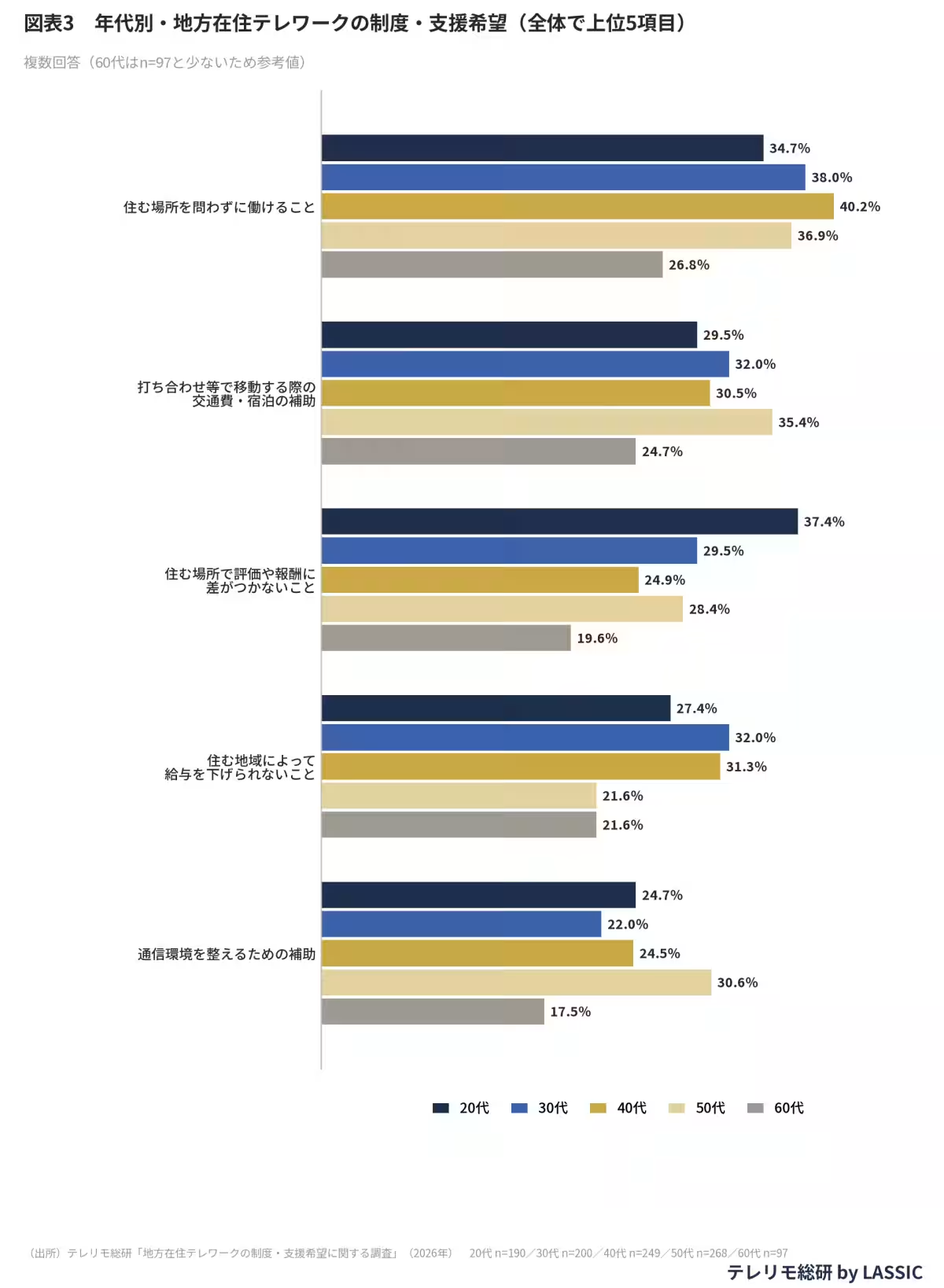
- - 20s: Those in their 20s expressed a notable preference for assurance that evaluations and rewards are not affected by their living location at 37.4%.
- - 30s and older: In contrast, 40.2% of those in their 40s prioritized the flexibility to work from any location.
- - Overall, it was evident that while younger adults focused on equitable evaluation, older respondents valued location-independent working opportunities.
Key Categories of Desired Support
Participants were asked to share their ideal support systems, which can be categorized into three main areas:
1. Location Flexibility: The freedom to work from any location.
2. Salary and Evaluation Fairness: Assurance that pay and evaluations are unaffected by location.
3. Specific Assistance and Infrastructure: This includes support for travel, communication technology, skill development, and connection with local coworking spaces.
Summary
The preferences emerging from LASSIC's survey provide crucial insights into how support systems can be developed to empower teleworkers living in rural areas. As remote work continues to evolve, understanding specific needs—including fair remuneration, location flexibility, and robust professional development opportunities—will be essential in shaping effective policies and support systems.
In conclusion, this research highlights a significant demand for policies that ensure all teleworkers, particularly those in rural areas, can perform effectively without being hindered by their geographical location. It is vital for companies, policymakers, and community organizations to take these insights into account to facilitate a more inclusive and supportive remote working environment.


Topics Consumer Technology)
【About Using Articles】
You can freely use the title and article content by linking to the page where the article is posted.
※ Images cannot be used.
【About Links】
Links are free to use.