



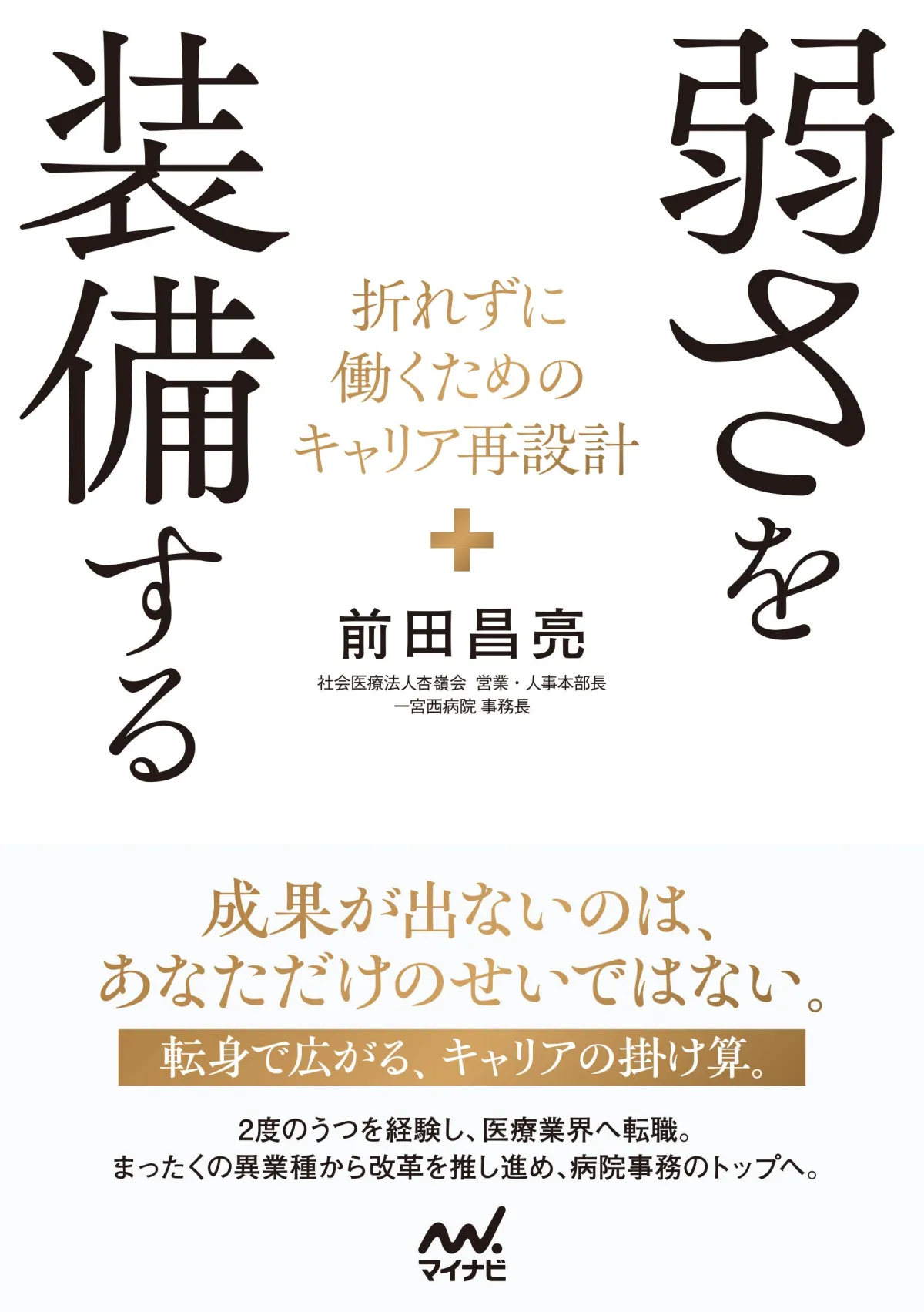
Revolutionizing Workplace Culture: A Guide to Embracing Weakness for Growth
Transforming Workplace Culture Through Acceptance of Weakness
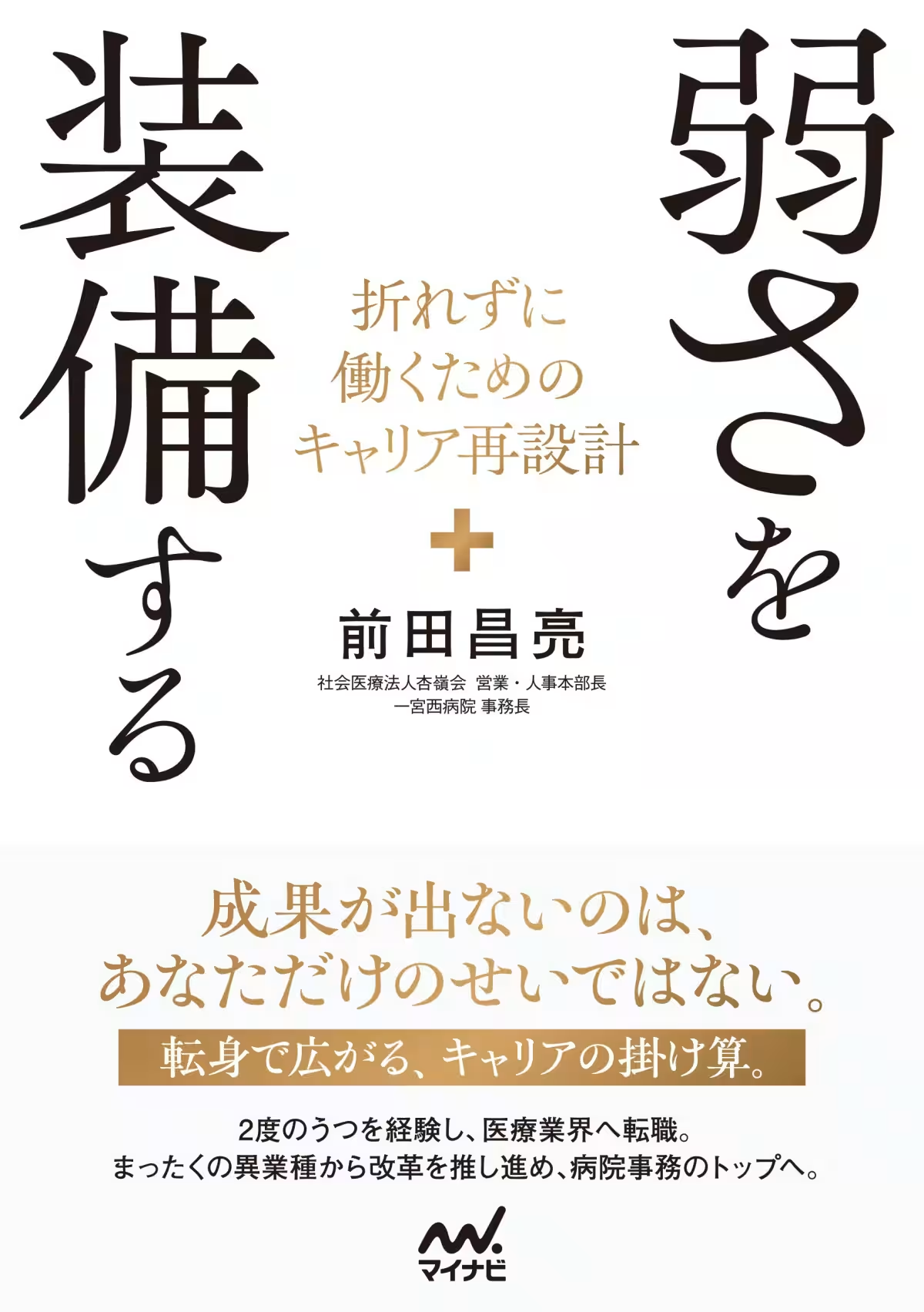
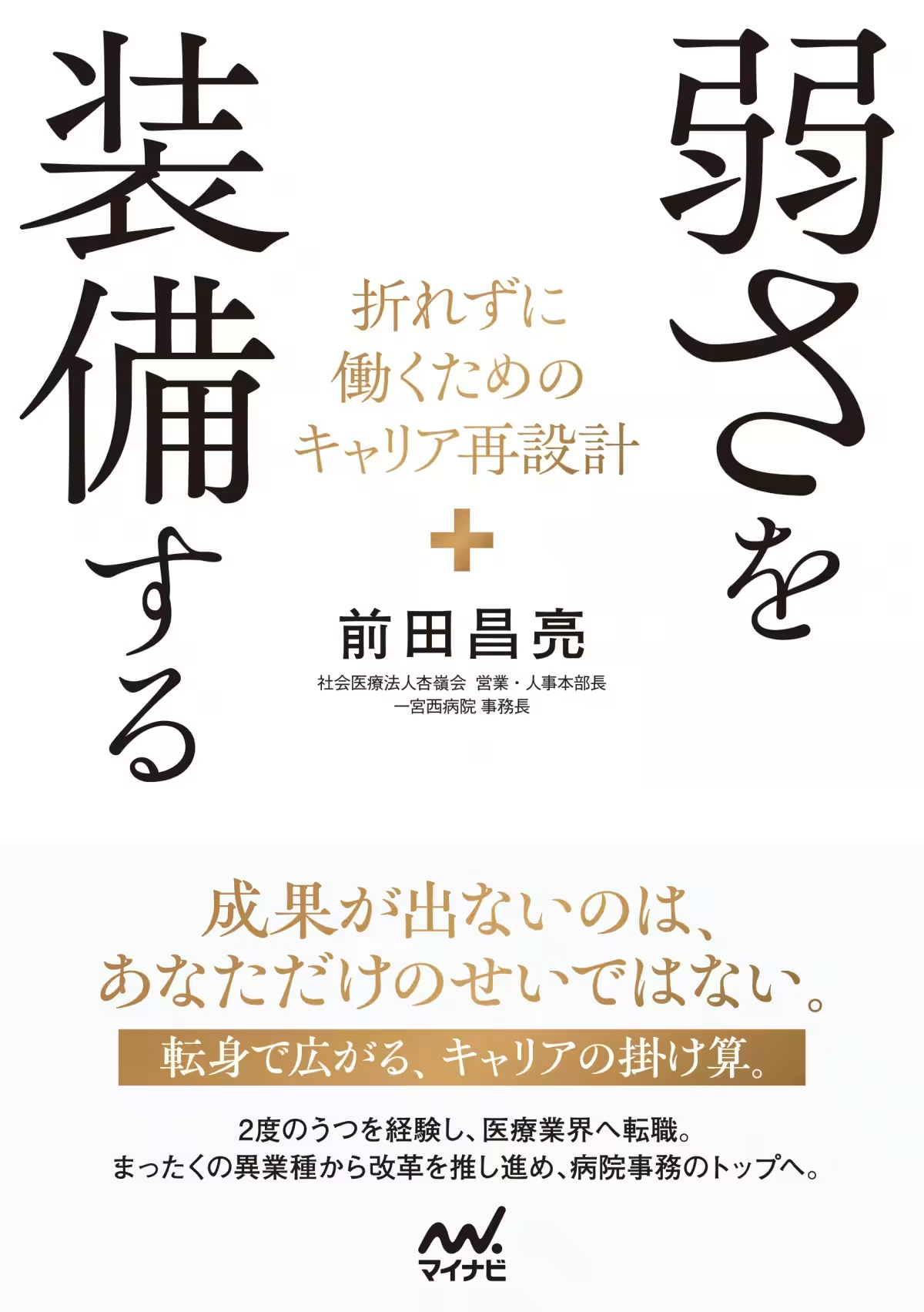
In a groundbreaking new release by MyNavi Publishing, titled Equipping Weakness, author Masaki Maeda shares his transformative journey from experiencing two bouts of depression to leading a remarkable turnaround in his workplace. This book will be available on March 17, 2026, and offers practical guidance for creating a healthier and more productive organizational environment.
Maeda, who is the head of sales and human resources at the Shakai Iryou Hojin Anzureikai and the administrator of Ichinomiya Nishi Hospital, reflects on the dramatic changes he implemented over a decade, resulting in a quadrupling of medical staff and over threefold revenue growth. However, this success did not come without personal struggles; Maeda's experiences with depression led him to recognize the importance of fostering a workplace culture that accepts vulnerability and supports employees.
A Journey Through Adversity
The book begins by recounting Maeda's own obstacles, including the sudden death of his father and the strain of navigating a toxic work environment where he felt like a failure. Despite these challenges, he realized that success was within reach when his skills matched the right circumstances. This revelation served as a catalyst for his efforts to reshape his workplace culture.
In his book, Maeda highlights the significance of selecting the right environment, building strong relationships among colleagues, and the necessity of open communication from supervisors. This is especially relevant for mid-level managers who may struggle with their own vulnerabilities while trying to lead effectively. He emphasizes that acknowledging one’s weaknesses should not be seen as a deficit but rather as a necessary component for growth and resilience in the workplace.
The Need for Change in Today's Workplaces
In an era where the incidence of mental health issues in the workforce is rising, as highlighted by the Japanese Ministry of Health, Labor and Welfare, the need for workplaces to be adaptable and supportive has never been more apparent. In 2020, approximately 6.15 million people in Japan were reported to have mental health conditions, with significant numbers experiencing depression. This troubling trend necessitates a proactive approach to workforce management that prioritizes mental well-being.
Maeda asserts that the traditional narratives around strength and success often overshadow the importance of mental health. He argues that businesses should not treat weaknesses as shortcomings but rather as opportunities to equip teams with resilience strategies. This cultural shift could pave the way for a more empathetic and collaborative work environment.
Practical Strategies from the Book
Equipping Weakness offers not only anecdotes from Maeda's life but also actionable insights designed to assist current and future leaders in creating a nurturing workplace. Among the concepts explored is the idea of turning failures into valuable learning experiences rather than signs of inadequacy. By approaching failures as mismatches with the environment, employees can reframe these instances as vital parts of their growth journey.
Additionally, Maeda discusses mechanisms to enhance personal resilience, such as fostering dialog with oneself, understanding that peers are crucial for support, and realizing that anyone can succeed given the right conditions. He encourages individuals to embrace their weaknesses and not just focus on the productivity metrics or achievements, recognizing the human condition's inherent fragility.
A Call to Action
Equipping Weakness empowers every reader to rethink their relationship with their vulnerabilities. While Maeda acknowledges his continued sensitivity to life’s challenges, he portrays this emotional response not as a flaw but as a part of being human. By adopting his philosophy, organizations can cultivate a new kind of strength—one that thrives on understanding, support, and mutual respect among team members.
In conclusion, Masaki Maeda’s narrative serves as a powerful reminder that vulnerability is not an enemy but a strength waiting to be harnessed. Business leaders and employees alike will find value in the lessons shared within this enlightening guide as they aim to foster a workplace culture that values compassion and resilience, leading to sustained productivity and employee satisfaction.

Topics People & Culture)
【About Using Articles】
You can freely use the title and article content by linking to the page where the article is posted.
※ Images cannot be used.
【About Links】
Links are free to use.