



Understanding the Decline in Japanese Rice Prices: Insights from a Recent Survey
Understanding the Decline in Japanese Rice Prices
The recent survey conducted by Amekazetaiyo, which operates the popular direct sales app Pocket Marche, reveals alarming trends regarding the prices of rice in Japan. With the retail prices showing signs of decline alongside a drop in the provisional prices paid to producers, it is essential to analyze the implications of these changes from the perspectives of both producers and consumers.
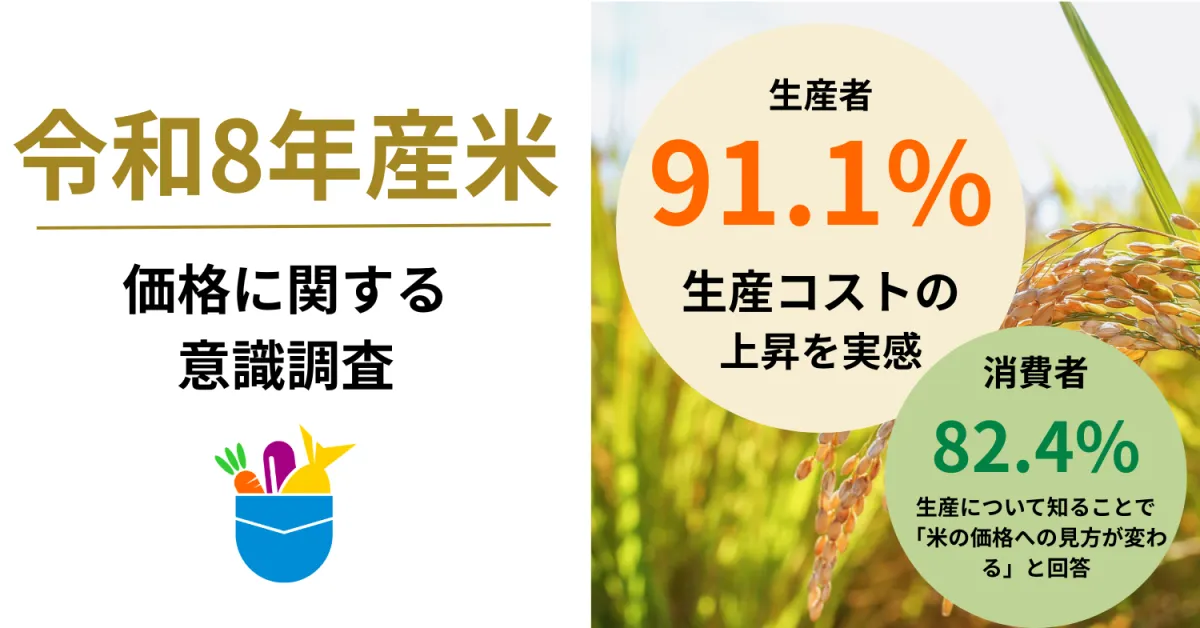
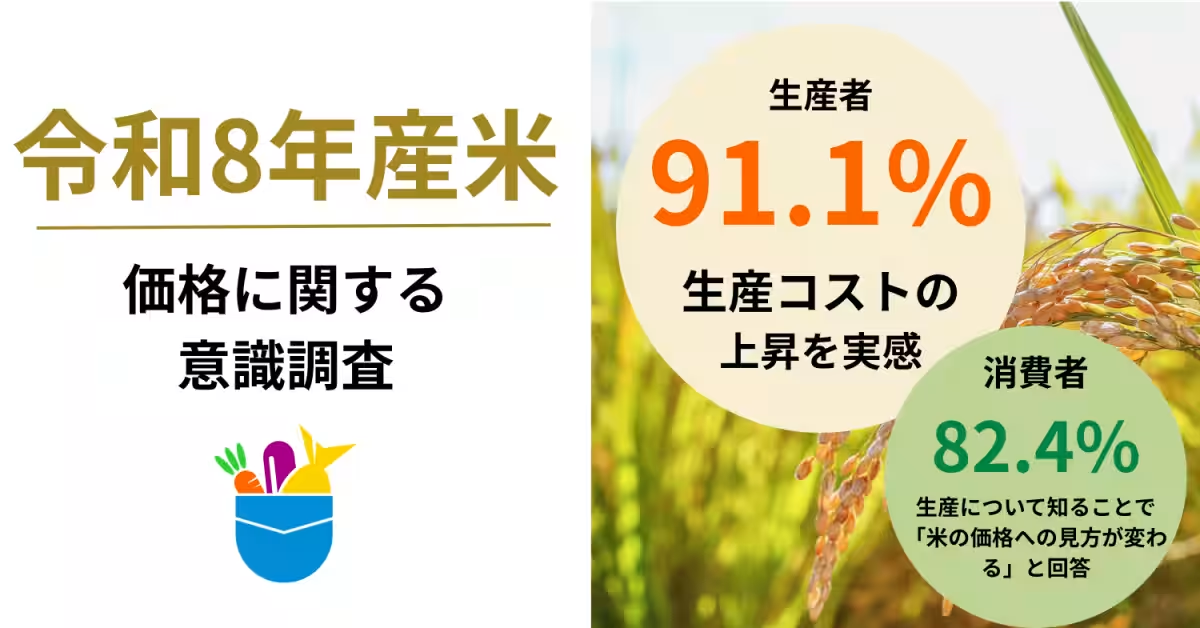
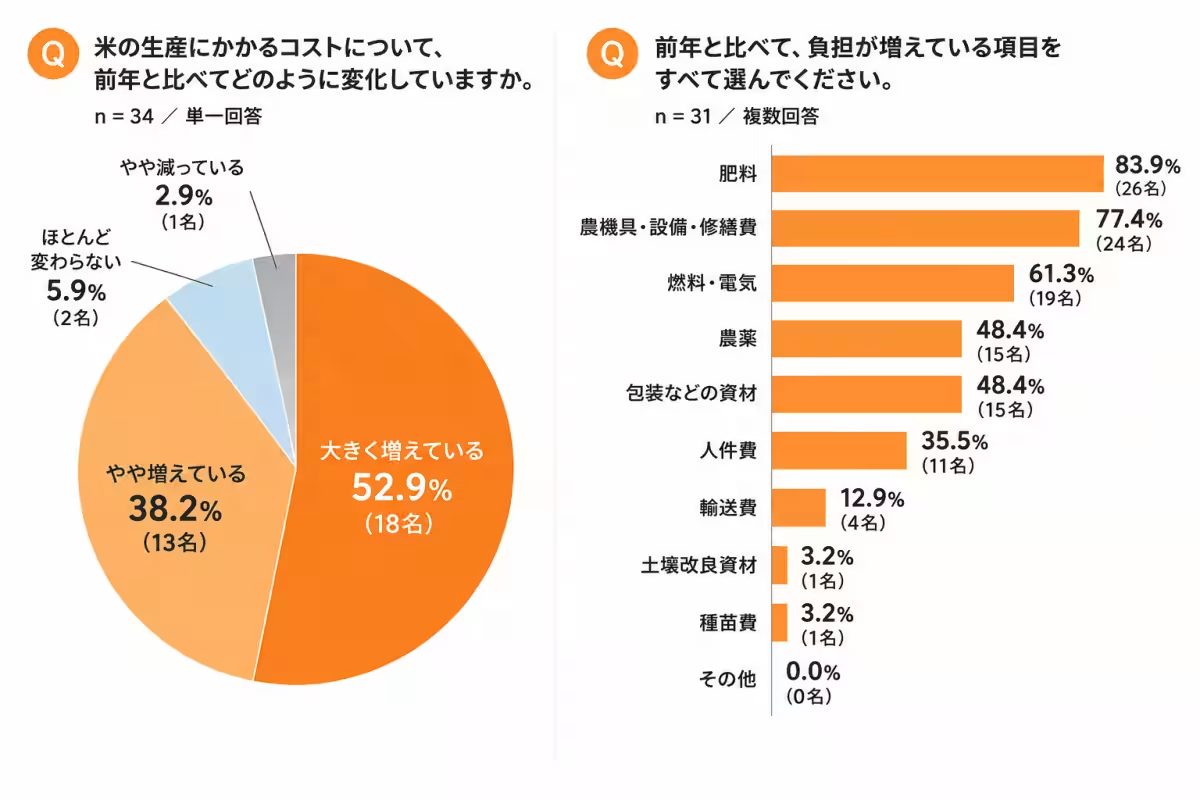
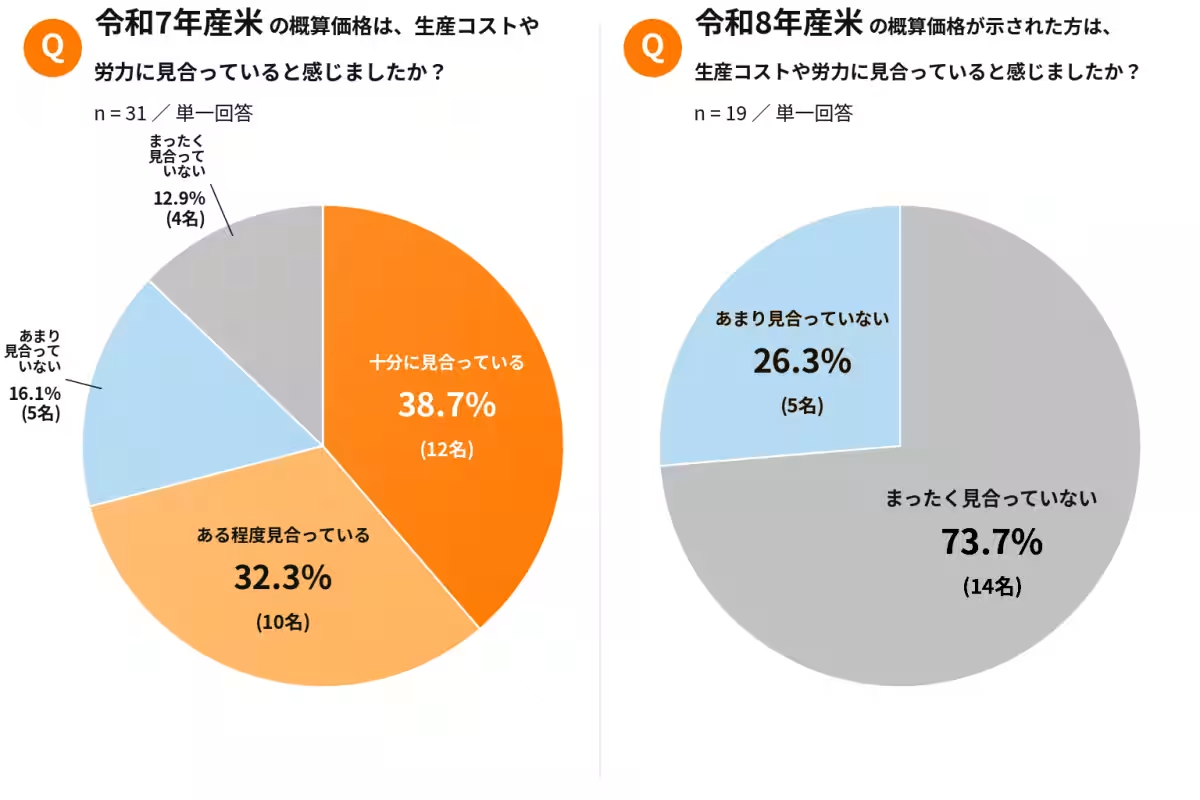
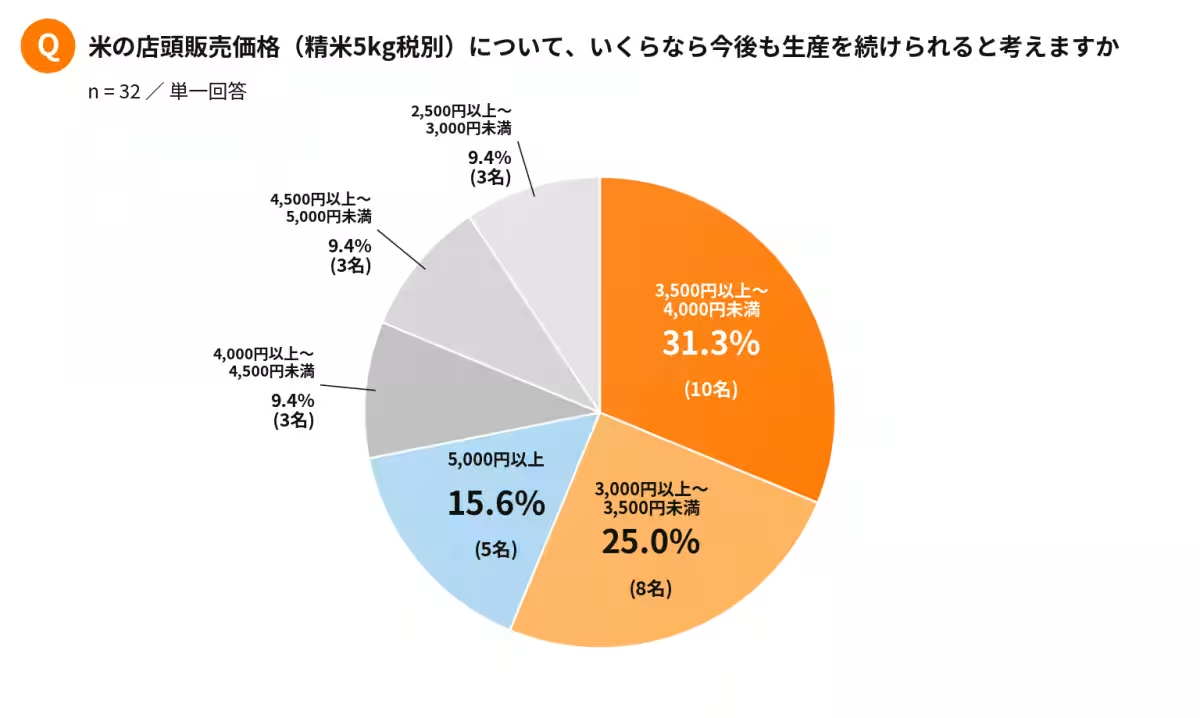
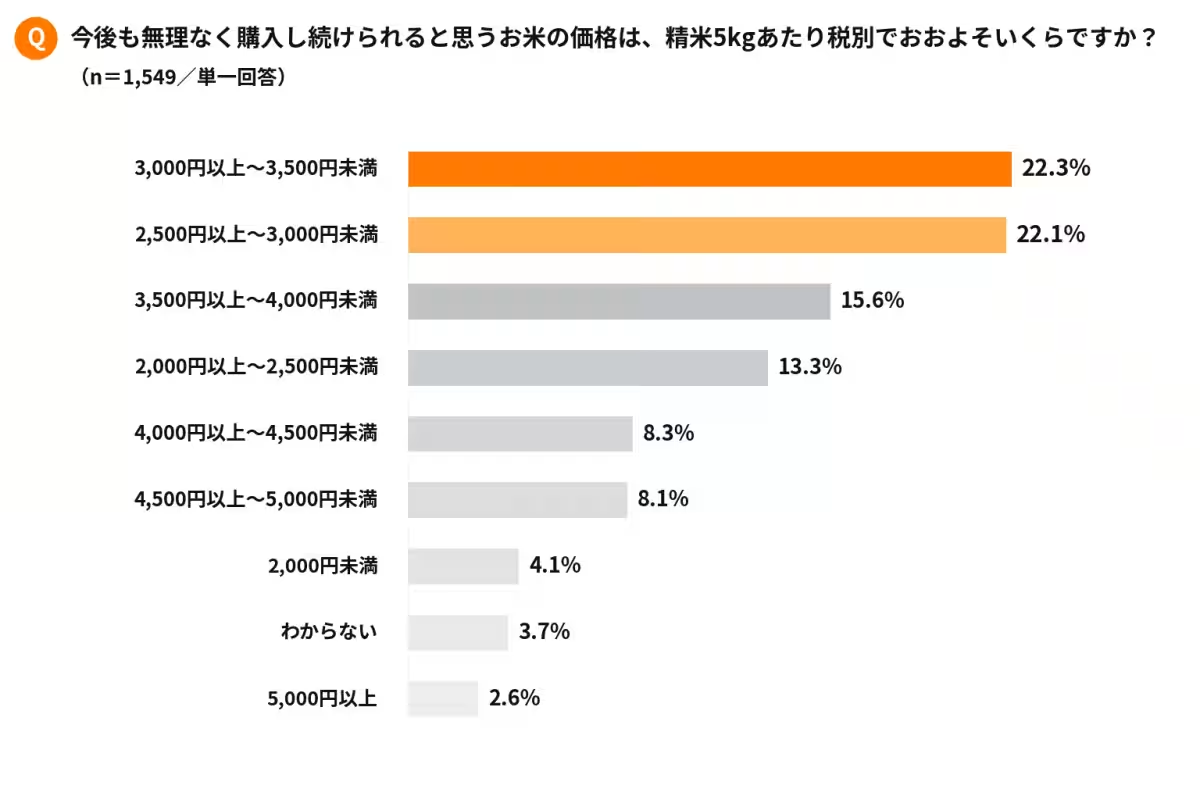
According to the survey, a staggering 91% of rice producers reported feeling the pressure of rising production costs. Every producer involved in this analysis indicated that the current projections for the 2026 rice harvest do not align with the effort and expenses that go into rice cultivation. This concern is compounded by the apparent gap between the prices consumers feel comfortable paying and those necessary for producers to maintain sustainable practices.
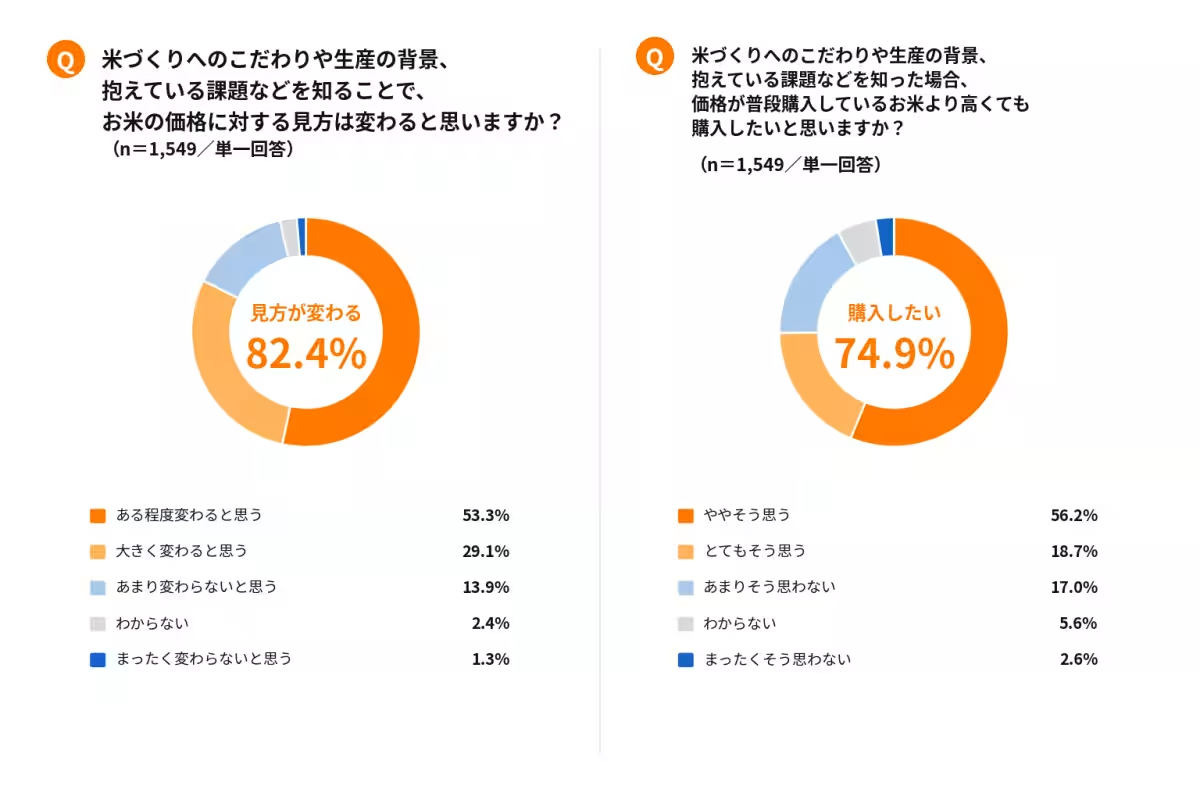
More specifically, 82% of consumers expressed that their understanding of rice's price could shift dramatically with greater awareness of the producers' painstaking efforts and philosophies behind rice cultivation. This indicates a strong demand for transparency and education within the consumer base, which could markedly alter purchasing behaviors.
Context: Current Market Dynamics
The retail landscape for rice has shifted notably this year, with overall prices on the decline. Certain regions, specifically Hokkaido, have reported provisional prices for varieties like Yume Pirika and Nanatsuboshi dropping by approximately 40% year-on-year. Producers in affected areas voice concerns about the sustainability of their farming practices under such economic pressures.
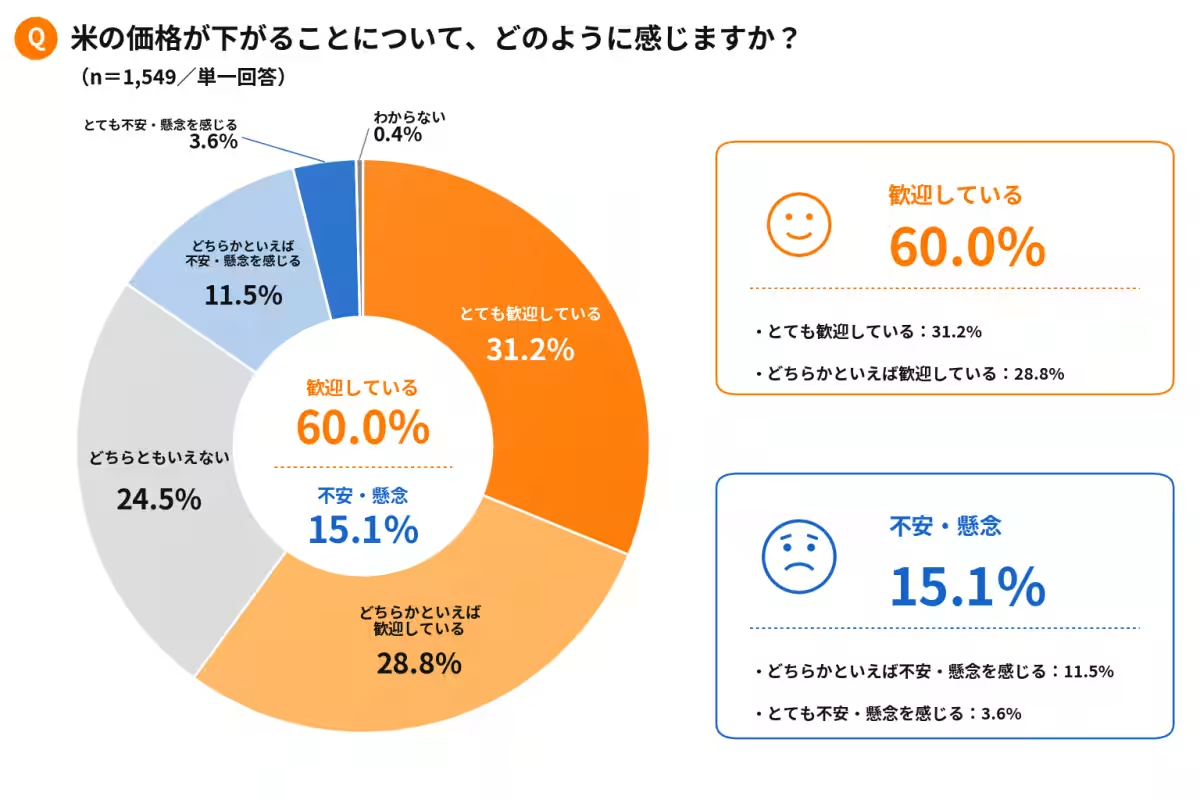
As part of their initiative to connect producers with consumers, Pocket Marche sought to investigate these sentiments further through their recent survey, concluding that while producers face mounting pressures, 60% of consumers welcomed the price drop amidst broader economic conditions. However, the stark difference between what consumers are willing to pay and what producers deem necessary for sustainability poses a significant challenge.
With the potential for some farmers to exit rice farming altogether due to untenable pricing scenarios, it is imperative that channels for deeper consumer engagement and education be leveraged effectively. The survey indicated that 82% of consumers are likely to change their purchasing habits if they gain insights into the sacrifices and commitment of the producers.
Effective Communication: Bridging the Gap
Pocket Marche thrives on enabling producers to set their own prices while conveying critical information about their methods and challenges directly to consumers. This engagement is facilitated through special promotions and educational campaigns aimed at building awareness around rice farming and its intrinsic value for both producers and consumers.
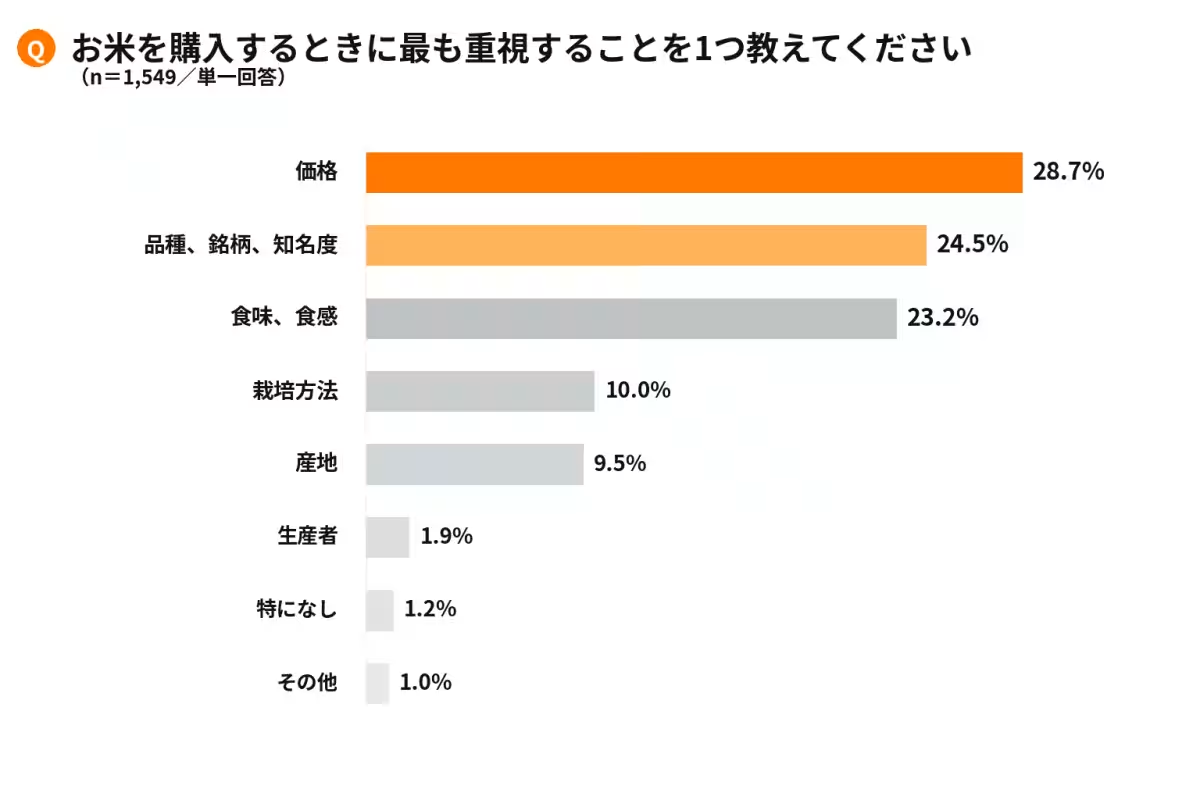
Through these initiatives, Pocket Marche aspires to ensure that farmers can sustain their operations by continuing to sell rice at prices that fairly reflect their labor and investments. Furthermore, it encourages consumers to make informed decisions that transcend price and encompass product quality, producer ethics, and farming practices.
In summary, the survey data illuminates a pressing need for clearer communication channels between producers and consumers. It also underlines the responsibility that both parties hold in fostering a better understanding of pricing dynamics rooted in agriculture. The survey encapsulates a collective desire for an enriched dialogue around rice production and consumption, promoting a more sustainable agricultural future.
Conclusion
In response to these recent findings, Amekazetaiyo continues to pioneer platforms such as Pocket Marche to deepen the connection between those who produce our food and those who consume it. With approximately 9,200 registered farmers and 13,000 products backed by personal stories, this movement reflects a commitment to sustaining and enriching Japan’s agricultural landscape. Such efforts not only bolster local economies but also foster a culture of appreciation for the food we eat and the stories behind it, advocating for a future where producers can thrive in harmony with consumer expectations.
For further inquiries about Amekazetaiyo and their initiatives, please contact their public relations department directly.
Topics Consumer Products & Retail)
【About Using Articles】
You can freely use the title and article content by linking to the page where the article is posted.
※ Images cannot be used.
【About Links】
Links are free to use.