




How Credit Card Choices Change from Pre-application to Usage: Insights from a Mediverse Survey
Credit Card Insights: Pre-application and Post-usage Perspectives
In the era of cashless transactions, credit cards have become an essential tool for everyday life. A recent survey conducted by Mediverse, a Web3 media platform by For-It, sheds light on how individuals choose their credit cards, the reasons behind their choices, and their satisfaction levels post-usage.
Survey Overview
The survey was conducted online with 500 respondents across Japan, all aged 18 and above, on January 27, 2026. The primary focus was to understand the motivations behind acquiring a credit card, the selection criteria, and any regrets or satisfaction experienced afterward.
Key Findings
1. Credit Card Ownership
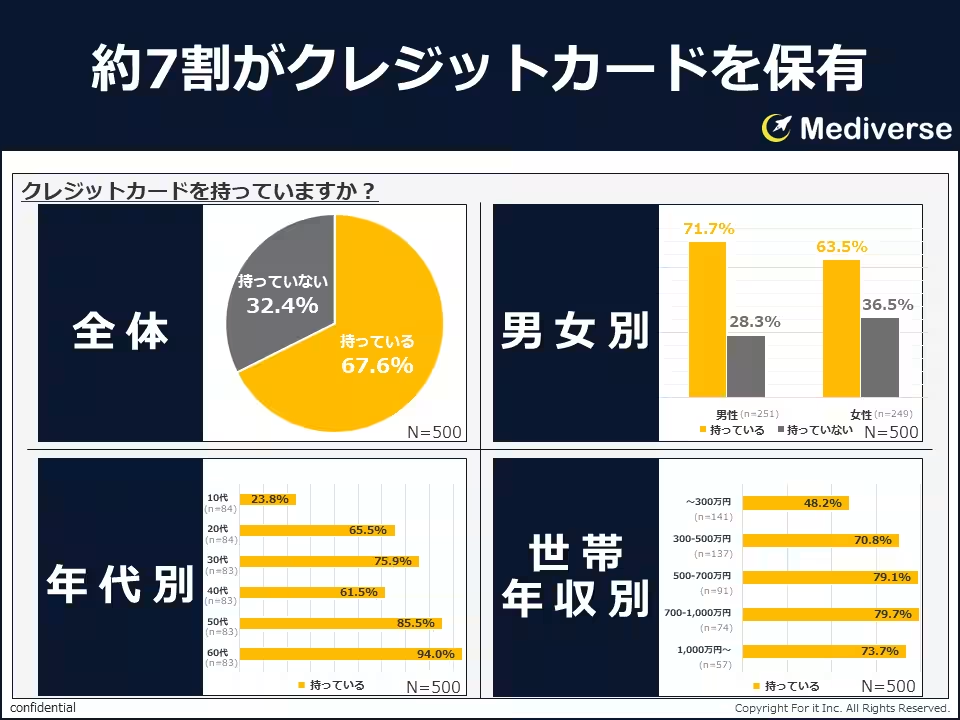
Approximately 67.6% of respondents reported owning a credit card, with higher ownership observed among men and individuals in their 50s and 60s. Notably, around 80% of households earning between 5 million and 10 million yen have a credit card.
2. Reasons for Acquiring a Credit Card
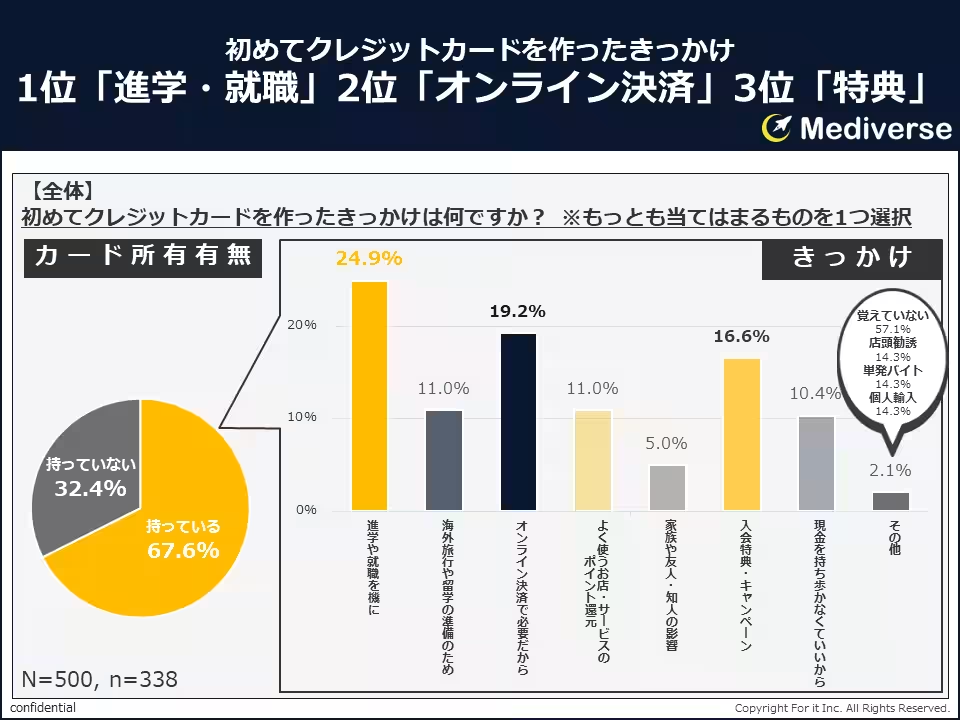
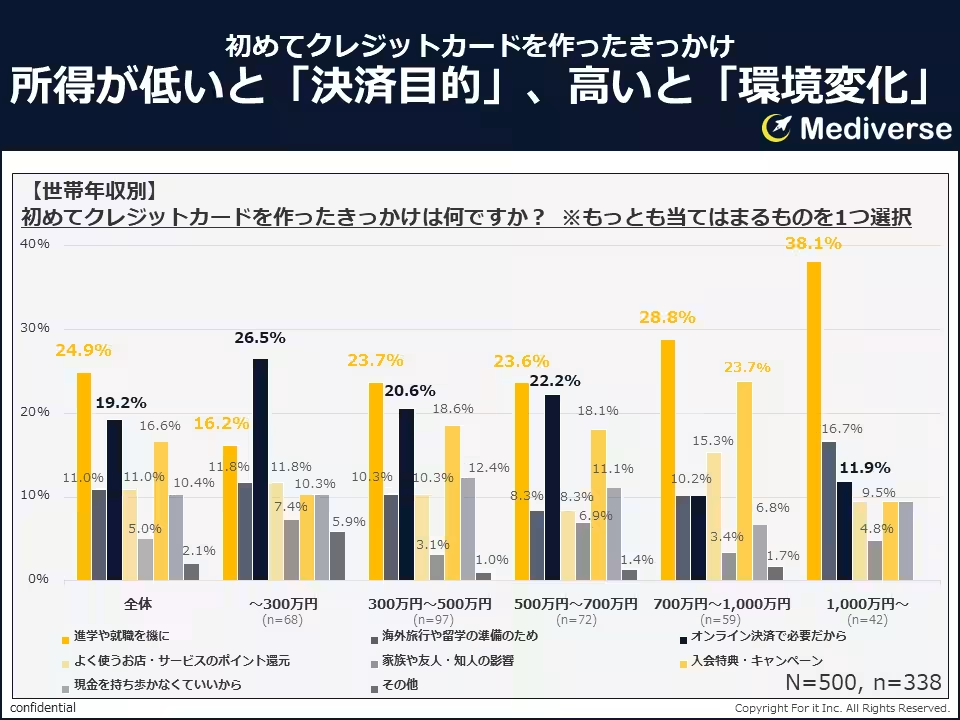
- The most common reason for obtaining a credit card was "to facilitate education or employment," cited by 24.9% of respondents.
- This was followed by the need for "online payments" (19.2%) and attraction to "membership benefits or promotions" (16.6%).
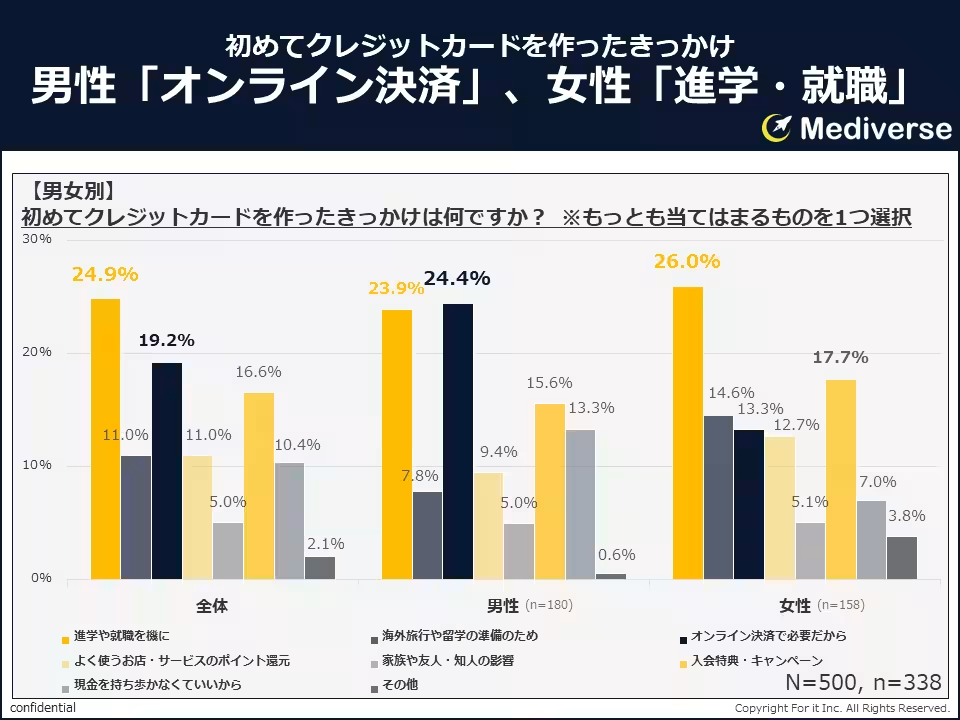
- Gender differences were evident, with men often citing online payment needs while women predominantly selected based on career or educational transitions.
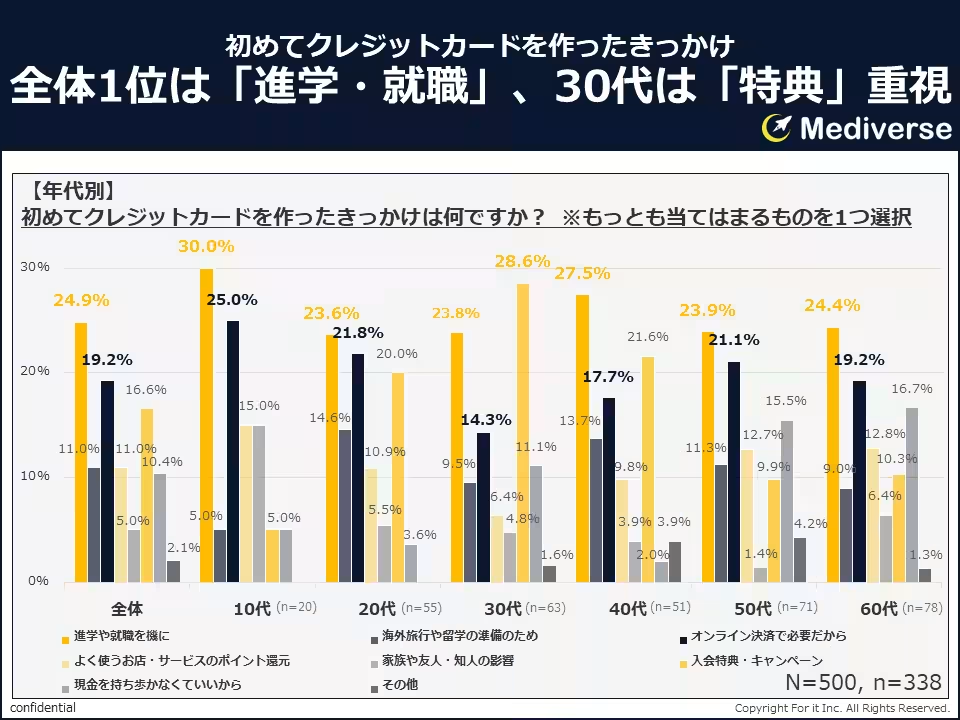
- Age significantly influenced responses as well, with a noticeable trend for older demographics to prioritize practicality and financial security, such as not needing to carry cash.
3. Criteria for Credit Card Selection
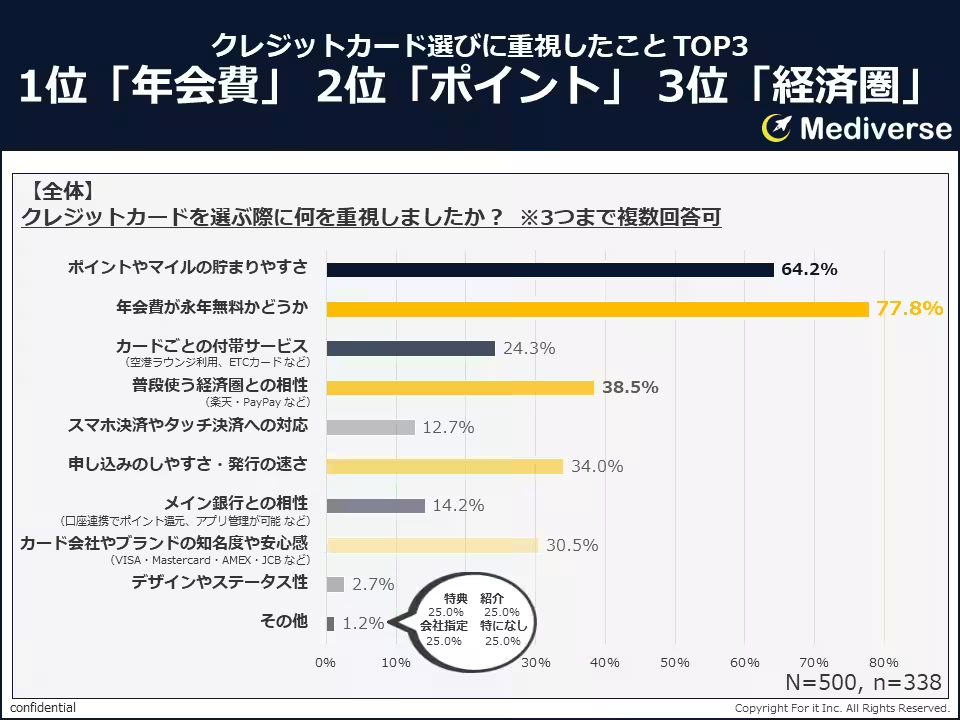
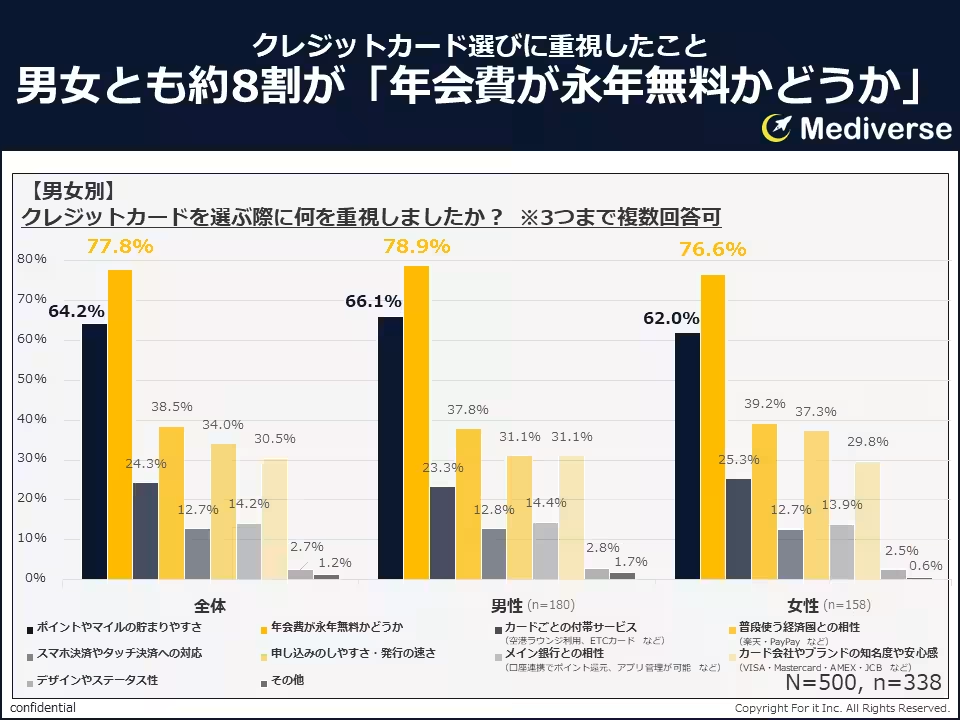
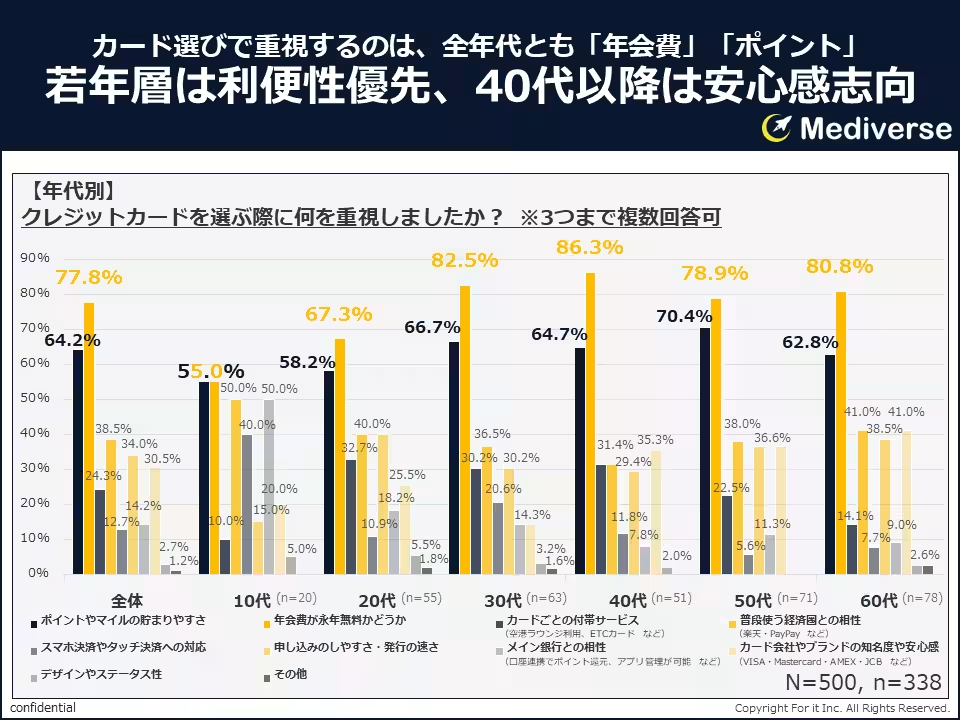
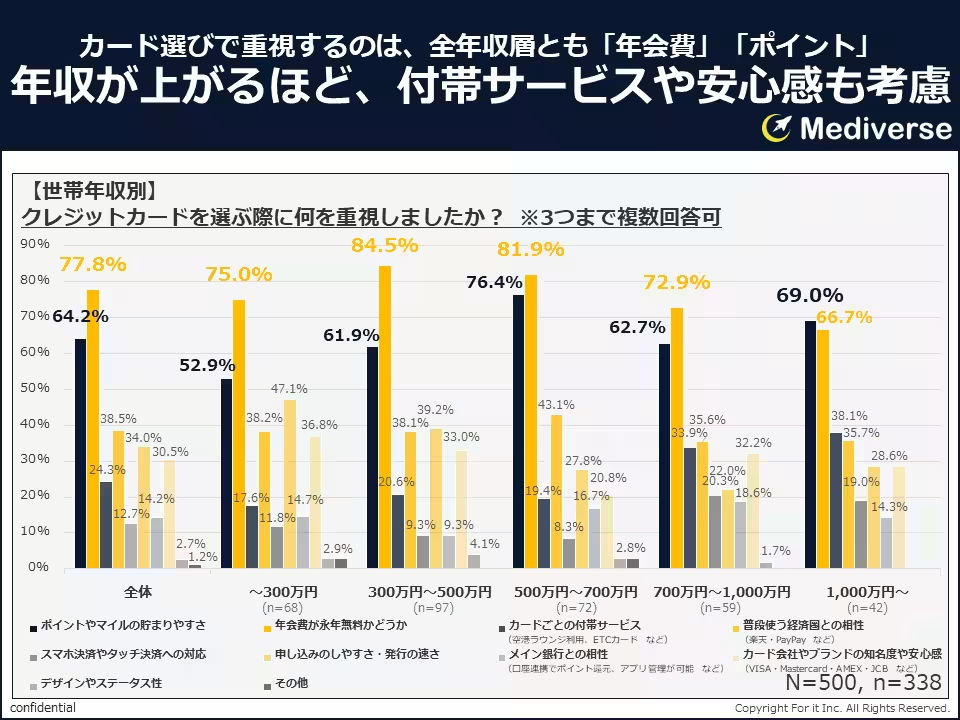
When asked what factors were most important in choosing a card, about 80% indicated that having a lifetime annual fee waiver was paramount, followed closely by the ability to accumulate points or miles (64.2%). Additional considerations included the card's compatibility with their usual spending habits and ease of application.
- Gender didn’t show a significant divergence in priorities, emphasizing practical features valued across both demographics. However, differences emerged as men leaned slightly towards brand reliability and women emphasized convenience.
- Age and income disparities indicated that as individuals mature and gain higher income, they start considering extra features such as reward services and smartphone compatibility.
4. Regrets Regarding Current Credit Cards
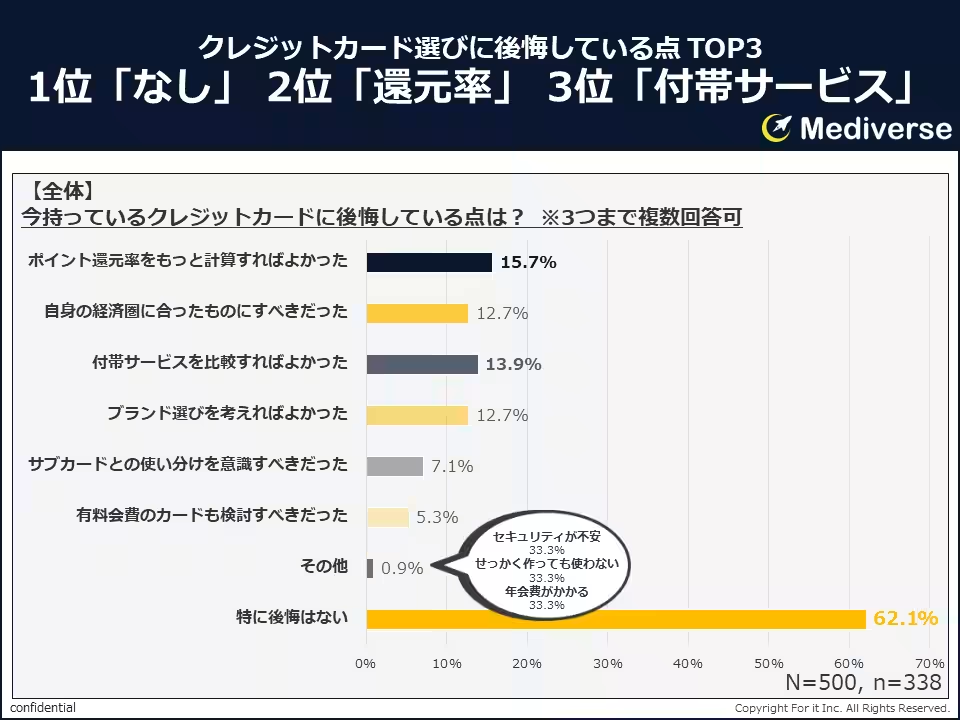
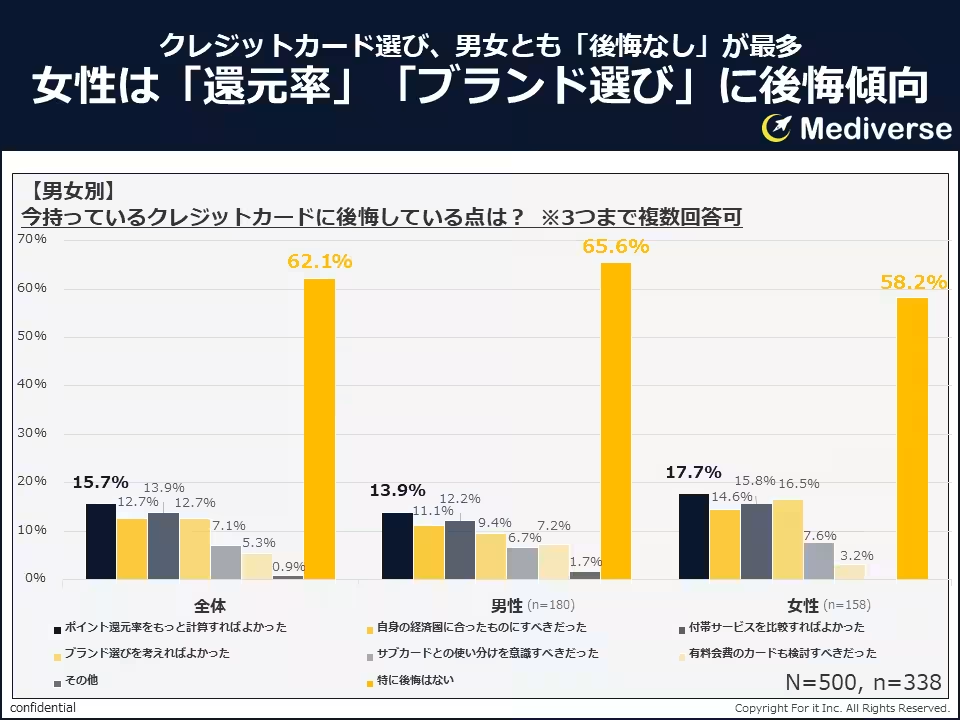
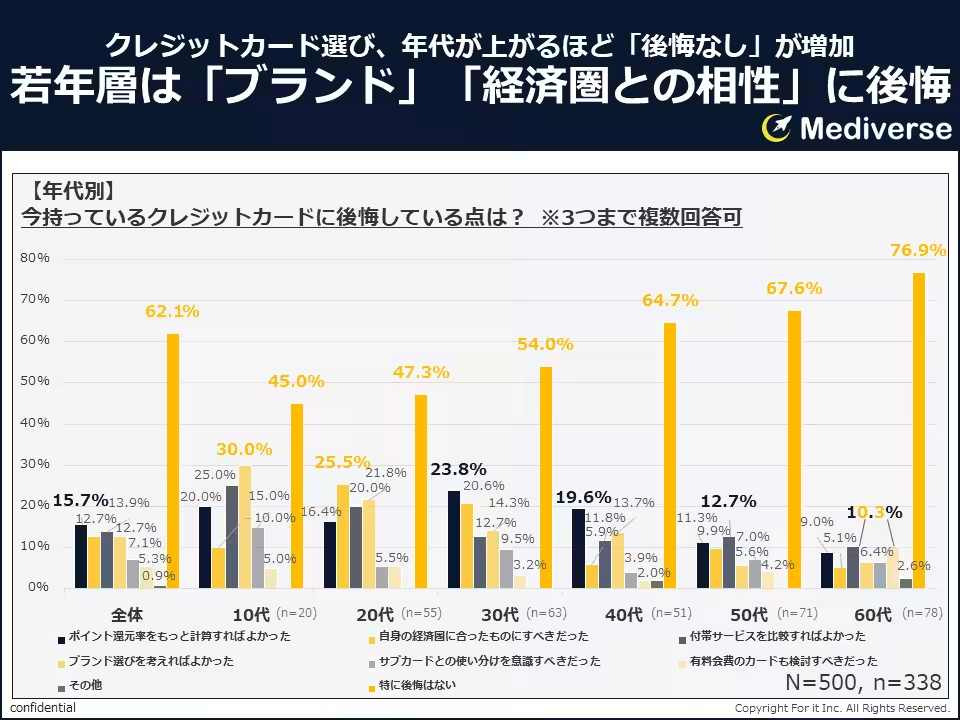
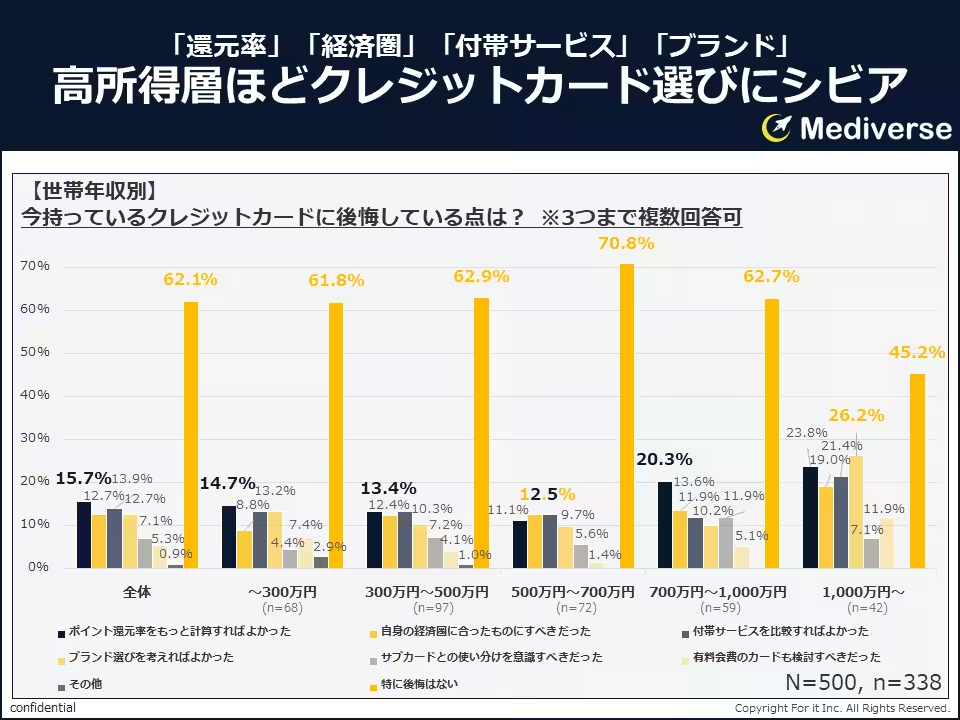
Interestingly, over 60% reported no regrets regarding their current credit cards, signifying overall user satisfaction. Yet, the most common regrets included needing to have calculated point returns better (15.7%) and comparing supplementary services (13.9%).
- When categorizing respondents, women seemed to reflect more on the functionality they may have missed out on, while men expressed a stronger inclination towards exploring premium card options more proactively.
- Older participants generally reported less regret, suggesting a maturation in their decision-making process when it comes to choosing credit cards.
Conclusion
The findings from the Mediverse survey provide valuable insights into the evolving landscape of credit card utilization. The motivations for applying, the criteria used for selection, and the regrets associated with current choices reveal the importance of practical considerations and user experience in the financial services sector.
As the credit card market continues to shift, it becomes clear that evolving expectations and the user's desire for enhanced service experiences will play crucial roles in future developments. Mediverse will continue to provide trustworthy updates to help consumers navigate their financial decisions efficiently.

Topics Financial Services & Investing)
【About Using Articles】
You can freely use the title and article content by linking to the page where the article is posted.
※ Images cannot be used.
【About Links】
Links are free to use.