


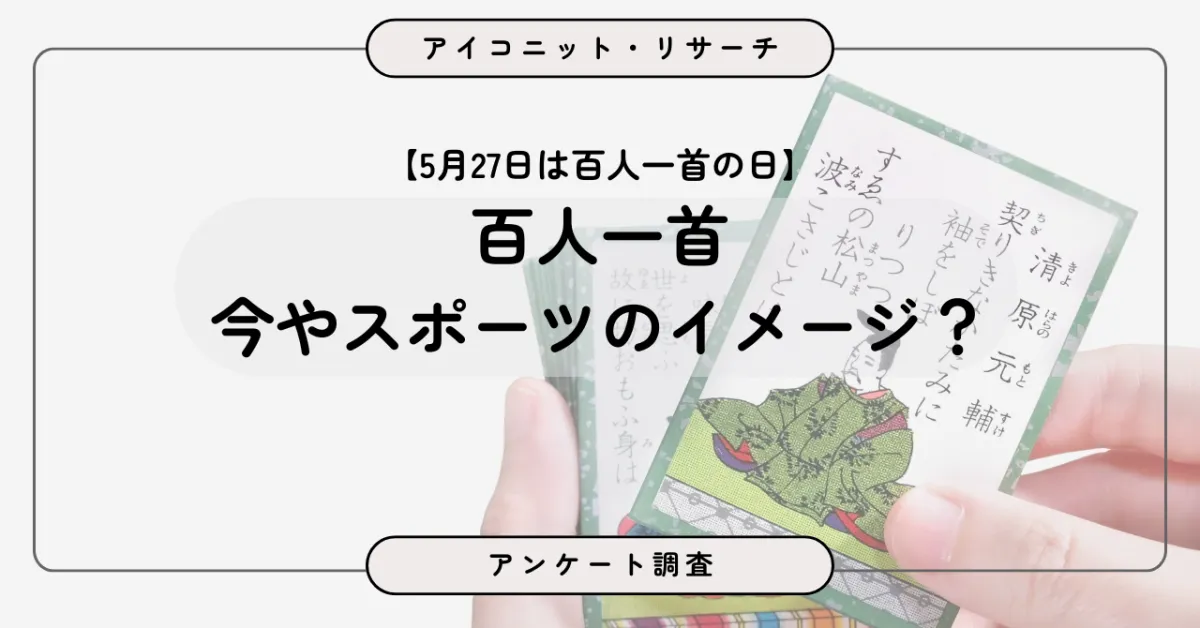
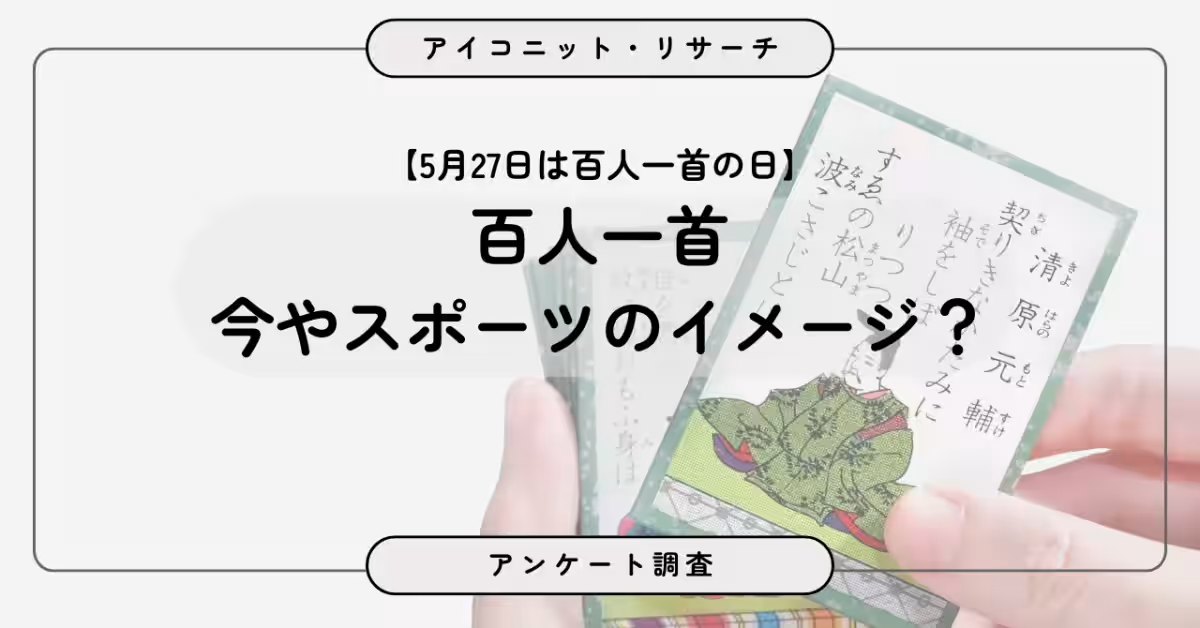
Typography of Japanese Traditional Karuta: A Surprising Shift in Generational Perspectives
Understanding the Shifts in Perception of Karuta
As we approach May 27, commemorated as the Day of Hyakunin Isshu, an intriguing survey by MediaSeek has shed light on contemporary perspectives regarding traditional Japanese karuta. Conducted through their popular QR and barcode reader app, ICONIT, this survey encompassed responses from 7,516 users, revealing a remarkable change in how different generations perceive this historical card game.
The Survey Overview
Recent trends have showcased an increasing importance on the credibility of information, particularly with the rise of generative AI technologies. Against this backdrop, MediaSeek's ICONIT Research has emerged as a reliable source of original data, offering valuable insights through direct surveys rather than relying on secondary conclusions. This commitment to primary data enhances the efficacy of articles, press releases, and research materials, differentiating them in the SEO landscape and aiding in AI optimization efforts.
Findings of the Survey
In exploring the recognition and interest levels toward Hyakunin Isshu, the survey unearthed some fascinating findings:
- - It appears that the image of competitive karuta has surpassed that of a traditional cultural relic, with 38.7% of respondents associating it primarily with competition, while only 27.7% linked it to its cultural heritage.
- - Interestingly, the influence of manga and movies on shaping perceptions was minimal, indicating that the aggressive, competitive nature of the game is what truly resonates with players and spectators alike.
Understanding the Players
When asked about their familiarity with Hyakunin Isshu:
- - Approximately half of the respondents reported having little to no understanding of the game.
- - A broader trend towards viewing it as a competitive spectacle rather than a cultural pastime was noted, particularly among younger individuals.
The implications of this research extend beyond mere statistics; they highlight a cultural shift whereby traditional games are being redefined within the context of modern entertainment.
The Demographics Behind the Data
According to the survey, 38.7% identified themselves with a competitive image of karuta, while 27.7% view it as a traditional practice. Other responses ranged from associations with schoolwork to a passing recognition influenced by media. The data hints that traditional cultural activities like karuta might need to adapt if they are to engage younger audiences effectively.
Opportunities for Brands and Organizations
For brands and organizations, this presents opportunities to leverage primary data for marketing strategies and product development. ICONIT Research offers various services, from questionnaire design to data collection and comprehensive reporting. This includes the ability to assemble a quick response of up to ten thousand in a single day, an invaluable resource for businesses looking to understand consumer sentiment more quickly.
In conclusion, as Japan continues to celebrate its rich heritage, the survey results emphasize a crucial point: engaging future generations requires a clear understanding of their evolving interests and the aspects of tradition that they deem important. This study serves as a clarion call for renewed efforts to promote and modernize traditional practices like karuta, ensuring they remain relevant in a rapidly changing cultural landscape.
To learn more about the research and the services offered by ICONIT Research, visit the official website.
Topics People & Culture)




【About Using Articles】
You can freely use the title and article content by linking to the page where the article is posted.
※ Images cannot be used.
【About Links】
Links are free to use.