



The Impact of Deceptive Advertising Practices Under Pharmaceutical Law and Premium Display Regulations
Ongoing Issues in Advertising Compliance
In recent years, the advertising landscape has faced increasing scrutiny regarding compliance with pharmaceutical and premium display laws. A recent survey conducted by Regal Core, a Tokyo-based company specializing in compliance with the Pharmaceutical and Medical Device Act, has shed light on the persistent issues in this domain. The company's investigation evaluates the contents of advertising articles or landing pages (LPs) to ensure that they align with legal standards designed to protect consumers against deceptive practices.
Survey Overview
The survey, which took place throughout July and August 2026, focused on several randomly selected websites, particularly examining the advertisements and their associated LPs. Every two weeks, the team collected data on various advertisements to assess their compliance with pharmaceutical laws and display regulations. The primary aim of this initiative is to identify and eliminate misleading or potentially harmful advertising claims that could mislead consumers.
Findings
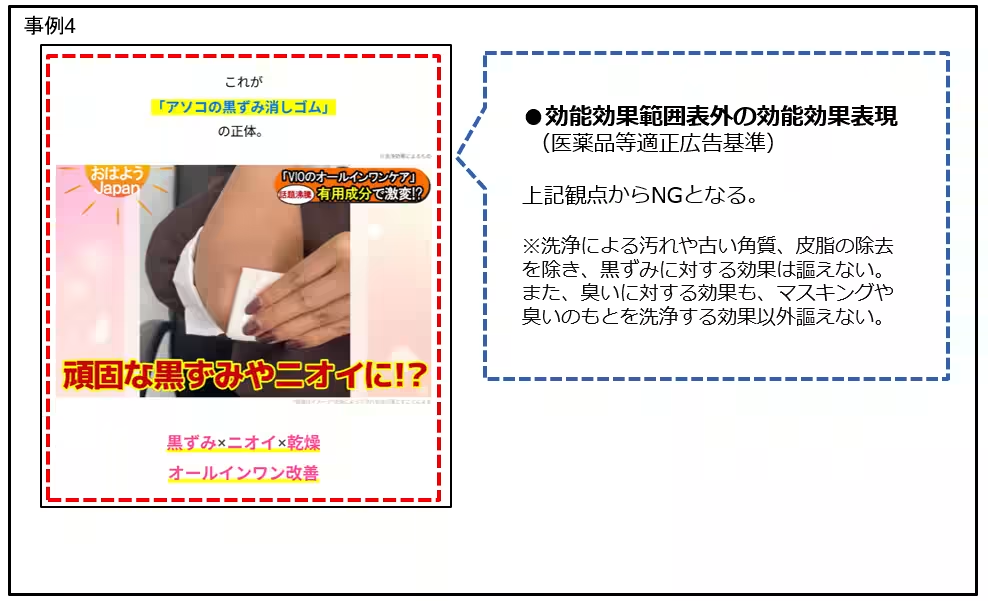
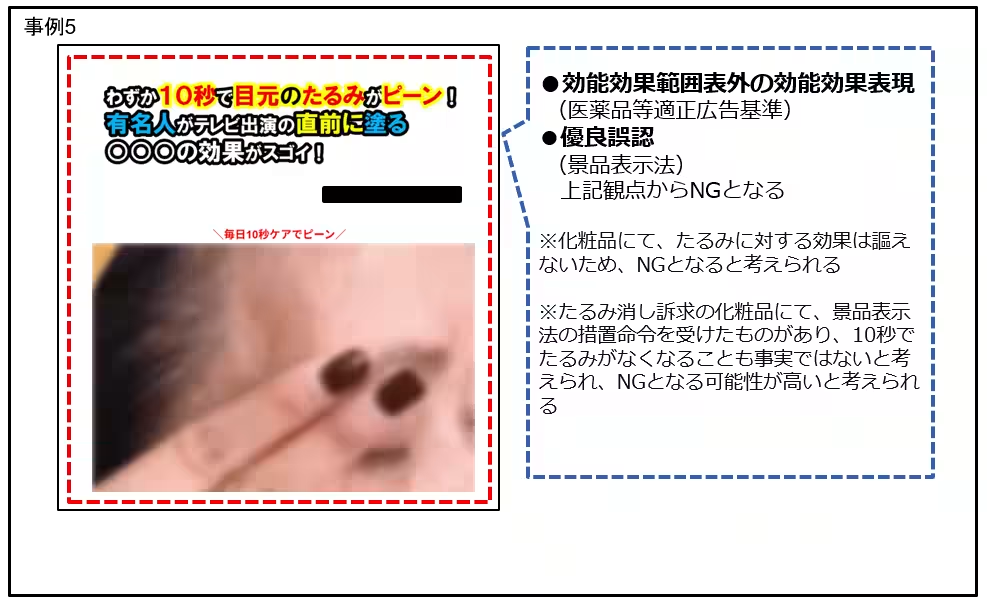
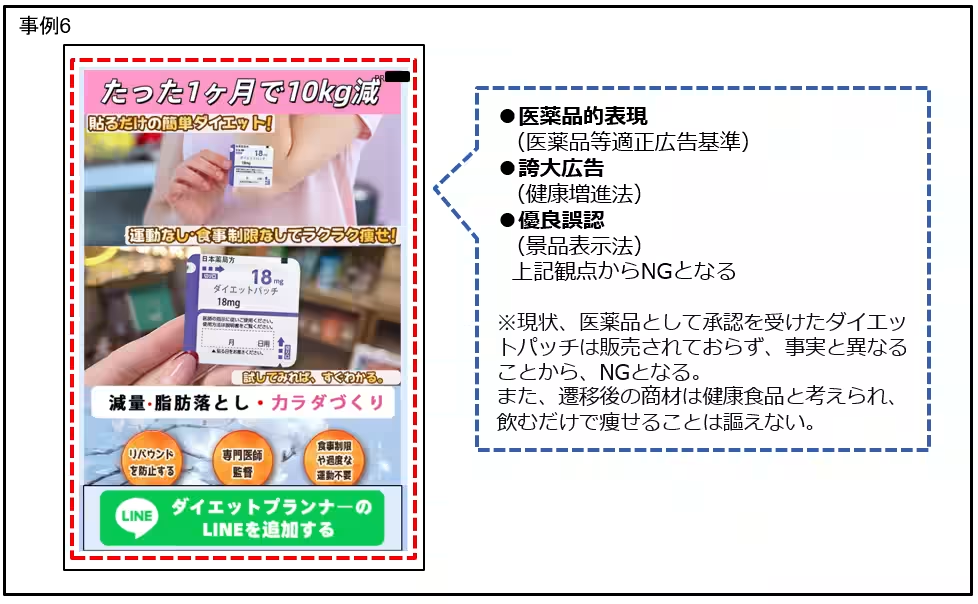
The results from this survey emphasize ongoing issues with advertisements using potentially illegal expressions. Some examples include:
1. Health Claims in Dietary Supplements: Many advertisements featuring dietary supplements made unfounded medical claims that fall under the Pharmaceutical Law. This includes statements relating to bodily functions such as, "Improves women's hormone function, boosts breast firmness" or, "Eliminates malodorous bacteria to eradicate bad breath."
2. Weight Loss Promises: Numerous claims suggested that consumers could lose weight effortlessly, with examples stating, "Lose 13.1 kg in two weeks" or "Guaranteed weight loss."
3. Misleading Efficacy for Men's Health: Certain advertisements suggested that products could significantly enhance male sexual function, claiming, "Boosts testosterone levels dramatically."
Additional Concerns
Apart from dietary supplements, the survey also addressed concerns relating to functional foods and cosmetic products. For instance:
- - Functional Foods: Some advertisements made exaggerated claims about improving vision without glasses or suggesting unrealistic weight loss without dietary restrictions or exercise, which are not supported by scientific evidence.
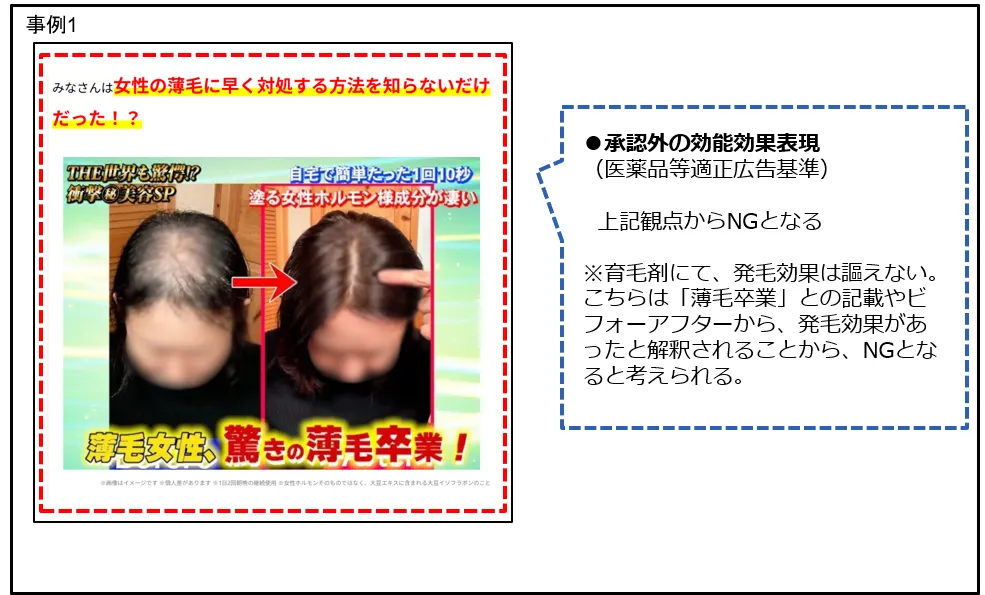
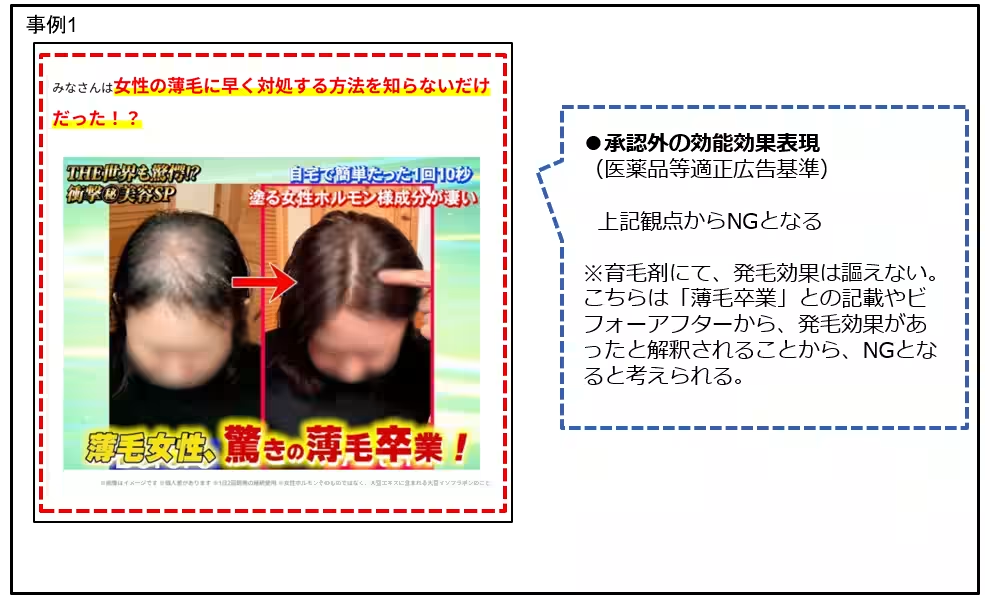
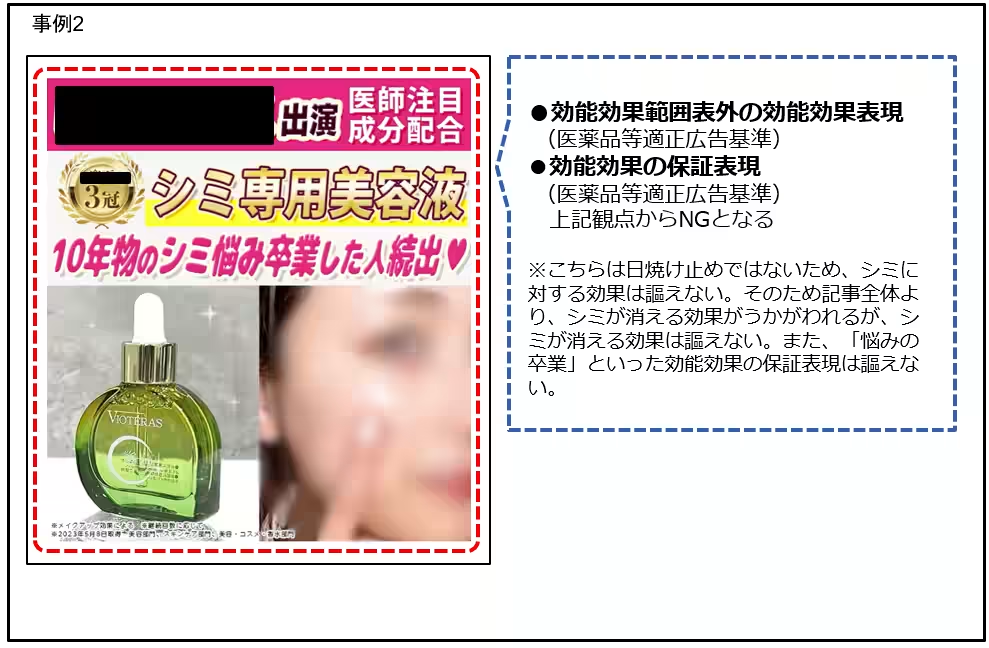
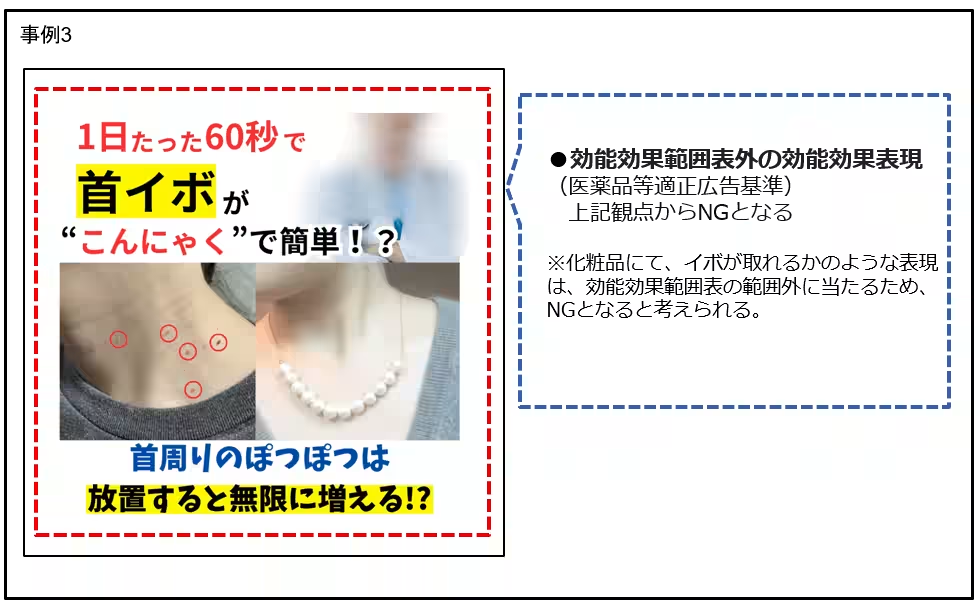
- - Cosmetics: Numerous beauty products claimed miraculous effects, such as erasing wrinkles instantly or promoting hair growth, often without the required substantiation for safety or efficacy.
Regulatory Violations
The report outlined several problematic advertising expressions that violate regulations, including:
- - Assurance of complete outcomes, such as statements proclaiming, "No wrinkles!" or "100% efficacy against bad breath."
- - Overstepping the boundaries of authorized claims for products, often misrepresenting the functions of the ingredients.
- - The use of comparative images or before-and-after pictures that could mislead consumers about the actual benefits of the products offered.
Conclusion
Despite some improvements, the prevalence of misleading advertising practices remains a significant issue. Regal Core has noted that some companies have already begun revising their advertising content based on previous feedback. The company commits to ongoing assessments and updates of its survey methodologies, promoting a culture of compliance that respects consumer rights. As advertising standards evolve, it is essential for all stakeholders to remain vigilant and ensure that claims made in advertisements adhere strictly to established legal frameworks. Failure to do so not only misleads consumers but also undermines the credibility of the industry as a whole. This ongoing research signifies a crucial step toward fostering transparency and accountability in advertising practices across various sectors.
Topics Consumer Products & Retail)








【About Using Articles】
You can freely use the title and article content by linking to the page where the article is posted.
※ Images cannot be used.
【About Links】
Links are free to use.