


Understanding and Distinguishing Cold Sores from Acne: Key Insights for Oral Health
Understanding Cold Sores and Acne: Key Insights Into Oral Health
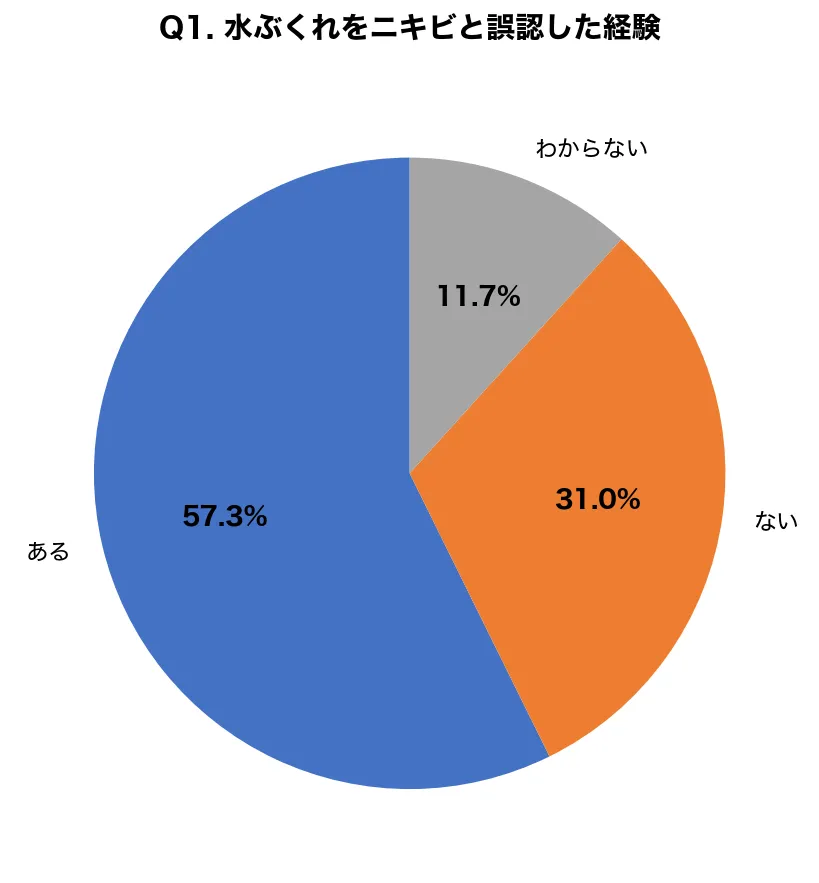
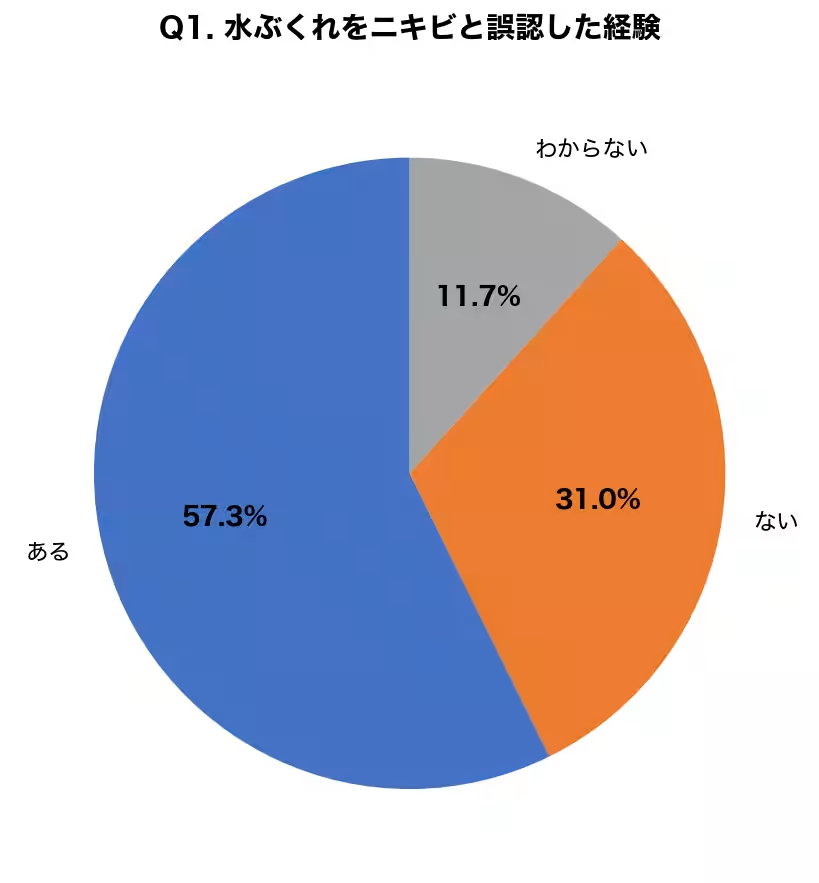
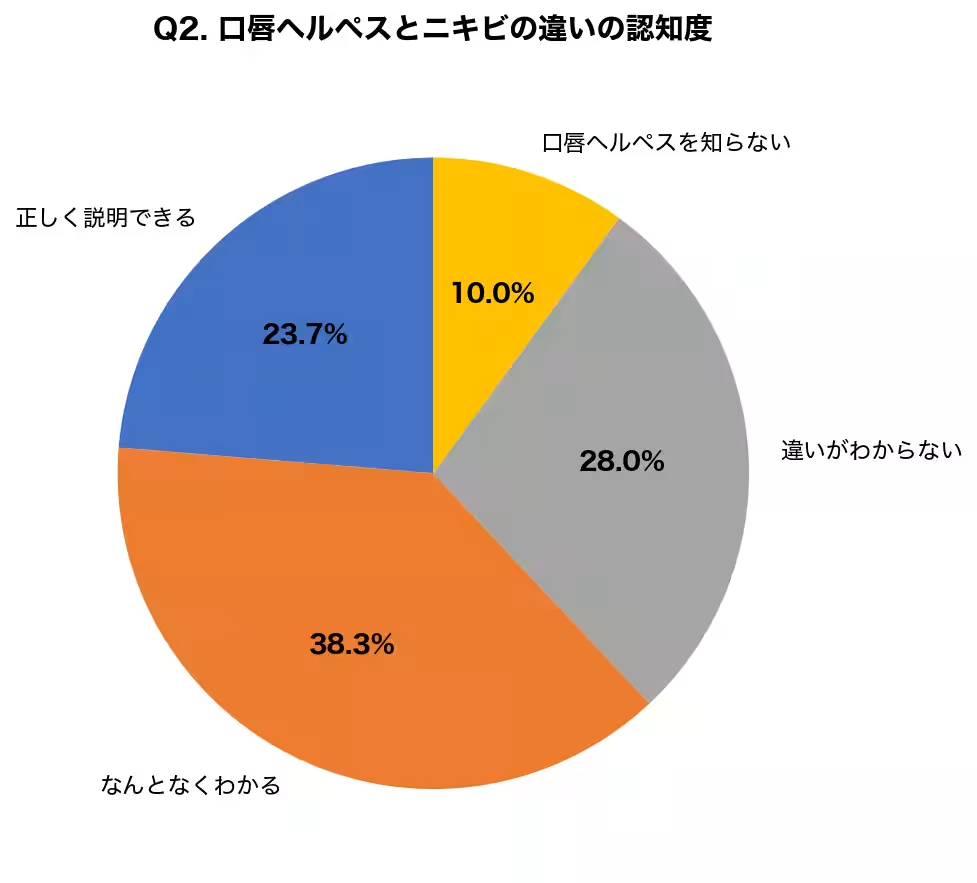
As part of the Oral Health Week, a recent survey conducted by a well-known clinic highlights the alarming tendency of individuals to confuse cold sores with acne. Shockingly, 57.3% of respondents admitted they have mistaken the blisters around their mouths for acne, while only 23.7% could correctly identify the differences between these two conditions.
The Importance of Differentiation
Understanding the distinction between cold sores and acne is crucial, as misidentification can lead to improper treatment and prolonged symptoms. Cold sores, medically known as herpes labialis, are caused by the herpes simplex virus (HSV-1). They often appear as multiple clusters of small blisters, accompanied by a tingling or itching sensation before the blisters manifest. On the other hand, acne primarily appears as individual pimples with a white center or red swelling, typically arising from clogged pores.
Key Findings from the Survey
1. Misidentification Issues: 57.3% of respondents mistakenly believed their cold sores were acne, indicating a significant gap in public knowledge regarding these two common skin conditions.
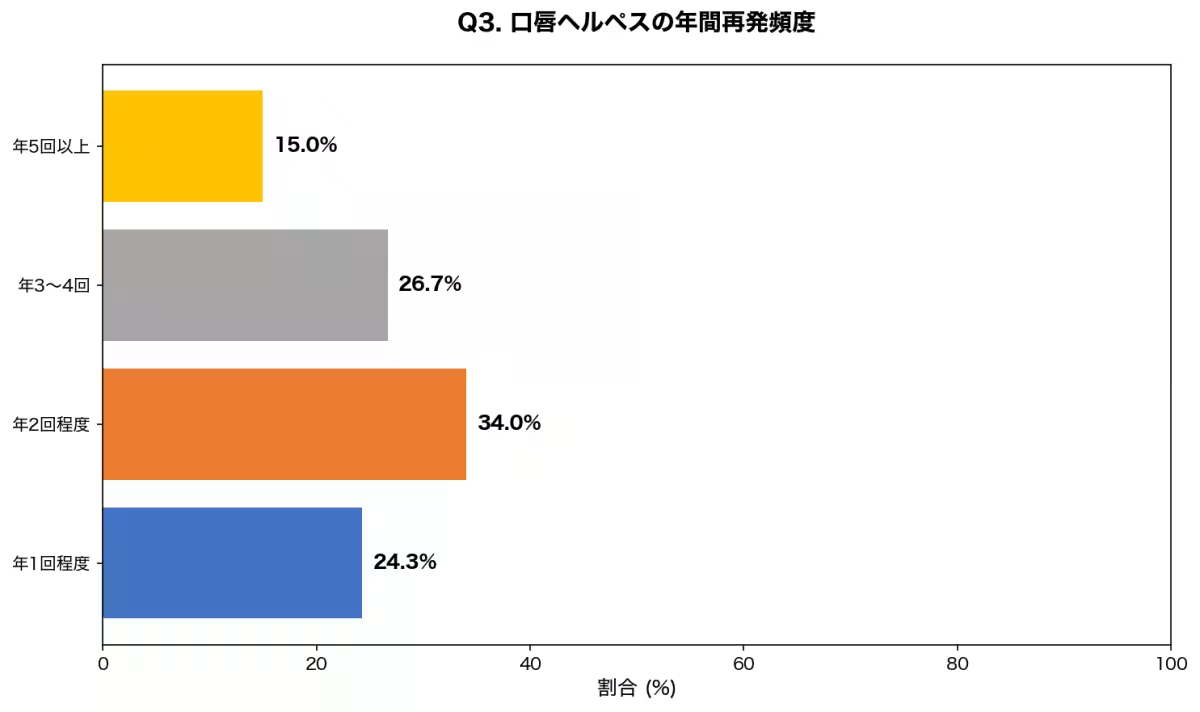
2. Recurrences of Cold Sores: Among individuals who had experienced cold sores, 41.7% reported having outbreaks at least three times a year, underscoring the persistent nature of this viral infection. Recognizing early symptoms is essential to managing these frequent occurrences effectively.
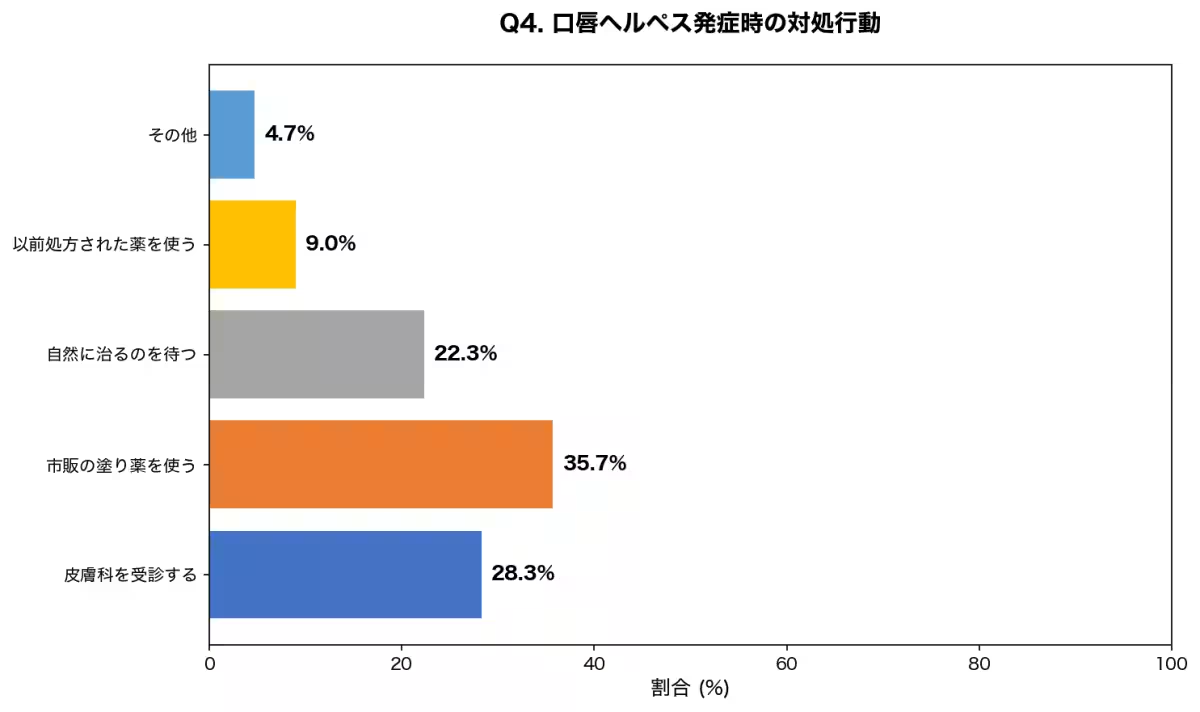
3. Treatment Awareness: Alarmingly, only 28.3% of participants sought proper medical treatment during an outbreak. Most resorted to self-medicating with over-the-counter products or simply waiting for the sores to heal on their own, risking prolonged discomfort and social stigma.
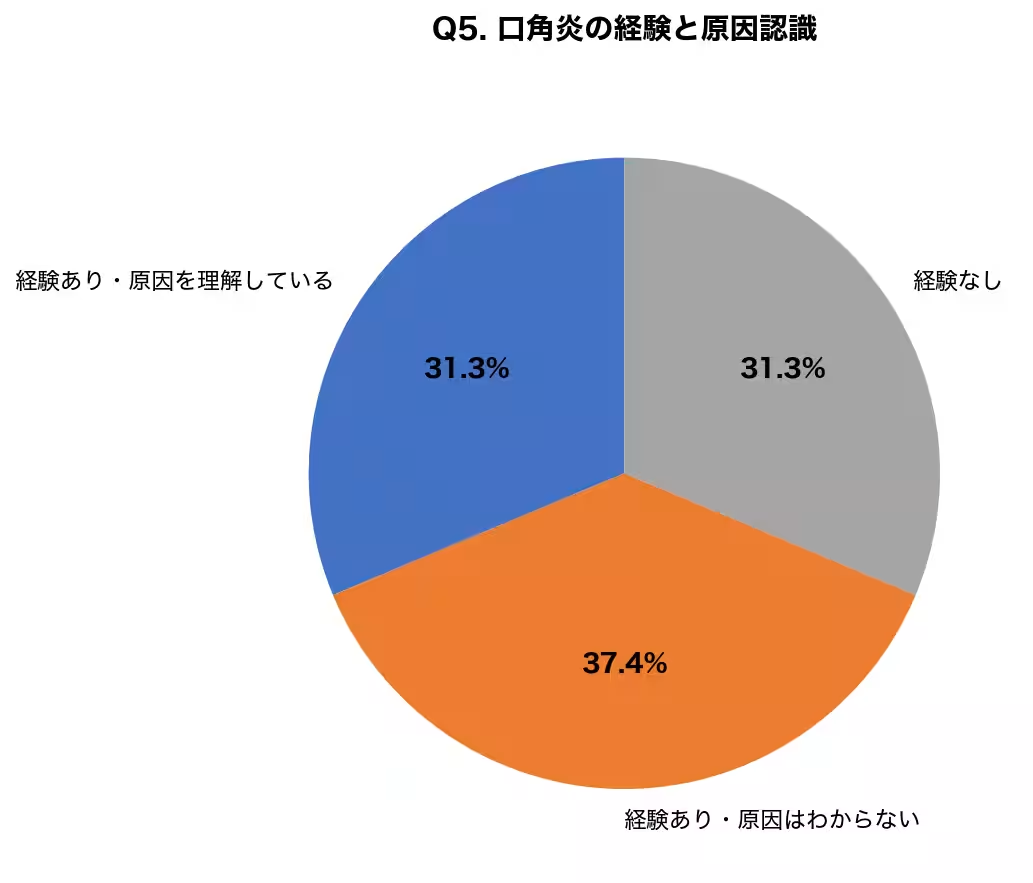
4. Understanding Angular Cheilitis: The survey also revealed that 68.7% had experienced angular cheilitis, yet only about 31.3% understood its causes, which include dryness, bacterial or fungal infections, and vitamin B deficiencies. This highlights the need for better education on oral health conditions beyond just cold sores and acne.
Comparison: Cold Sores vs. Acne
| Aspect | Cold Sores | Acne |
|---|---|---|
| ---- | -------- | ---------- |
| Location | Around the lips and mouth | Generally found on the face |
| Appearance | Clusters of small blisters | Individual red bumps, may have pus |
| Symptoms | Tingling, itching, and pain | Usually painless, uncomfortable when touched |
| Duration | Lasts 7-14 days with fluid-filled blisters | A few days to weeks depending on severity |
| Cause | Herpes simplex virus (HSV-1) | Clogged pores and bacteria |
This comparison serves as a guideline; personal experiences may differ, thus visiting a dermatologist for accurate assessment is always encouraged.
Medical Insights
Dr. Kouta Takakuwa, a dermatologist with over 15 years of clinical experience, states: "Cold sores can become recurrent but can be effectively managed through timely treatment. People should avoid mistakenly ignoring the symptoms as acne. Immediate consultation when tingling begins can curb the outbreak cycle."
Prevention Strategies
For cold sores and angular cheilitis, preventive measures include:
- - Maintaining good oral hygiene and hydration.
- - Reducing stress and ensuring adequate sleep to bolster the immune system.
- - Using sunscreen specifically designed for the lips.
- - Eating a balanced diet rich in vitamins, especially B2 and B6.
Seeking Professional Help
The findings from the survey serve as a vital reminder: early identification and intervention can significantly reduce discomfort and potential complications. Individuals experiencing symptoms should consult a dermatologist rather than self-diagnosing or relying solely on over-the-counter medications. The clinic stands ready to assist individuals with diagnosed oral health issues and help formulate effective treatment plans.
By enhancing education on the signs and treatment options for these conditions, we can support individuals in making informed decisions about their health and well-being.
Topics Health)


【About Using Articles】
You can freely use the title and article content by linking to the page where the article is posted.
※ Images cannot be used.
【About Links】
Links are free to use.