



PAPAMO's Innovative Online Support for Kids with School Refusal Presented at the 46th Kinki Occupational Therapy Conference
Introduction
PAPAMO Co., Ltd., based in Shibuya, Tokyo, operates "Heyasupo Assist," a unique program that integrates technology with movement to support child development. On June 28, 2026, the company presented a case study at the 46th Kinki Occupational Therapy Conference by occupational therapist Daiki Kato. This presentation focused on an online intervention that facilitated participation in activities and social engagement for a boy who had not attended school for three years.
Case Study Overview
The case study, titled "A Case Study of Expanded Participation in Activities and Society Through Online Interventions – Support for a Boy in Primary School Who Was Out of School for Three Years," was presented in a poster format. The conference emphasized the theme of collective resilience, reflecting the role of occupational therapy in connecting communities and shaping futures. For children who are unable to attend school or are anxious about social interactions, accessing conventional support services can be difficult due to psychological burdens, transportation challenges for families, and a lack of local resources.
The adoption of online developmental support offers a promising alternative, allowing children to begin their journey toward participation from the safe environment of their own home.
Importance of the Conference Presentation
This presentation illustrated how online interventions can not only impact physical skills and learning but also significantly enhance children’s participation in family and social settings. It highlights the growing need for accessible support systems for children facing educational hurdles.
Presenter Insights
Daiki Kato, the lead presenter, shared that the child featured in the case study has been using the Heyasupo Assist program since its inception. Initially, the child had a difficult time attending school, with limited opportunities to engage socially or participate in outdoor activities, despite being involved in an online free school program. The family expressed concerns regarding decreased outdoor activities and the child’s declining physical condition as well.
Tailored Online Support
To provide support without pressing the child to return to school immediately, the program focused on creating a reassuring environment where the child could comfortably engage in tasks. Utilizing the child’s interests in food, games, and YouTube content, tailored lessons included activities that promote movement and daily living skills to gradually encourage outdoor participation.
Furthermore, parents were equipped with strategies to engage daily, allowing the child to accumulate positive experiences at home. This led to increased frequency of outdoor activities and voluntary engagement in hobbies such as crafting, along with a resurgence of interest in after-school activities and school attendance.
The collaboration between online therapy and family involvement proved effective, as parents observed an improvement in their engagement with their child and expressed gratitude towards the structure online therapy provided.
Challenges and Strengths of Online Interventions
Kato emphasized the importance of increasing opportunities for participation in activities rather than solely focusing on immediate school attendance. One challenge of online interventions is limited physical interaction; however, the benefit lies in the ability to connect with children in a comfortable environment, supported by robust family engagement.
Awareness has grown concerning the rising number of children who are unable to attend school. Kato noted that disparities in available support resources and barriers to accessing necessary support—regardless of diagnosis—continue to be significant issues.
Future Directions
At PAPAMO, research and support efforts will continue to focus on various areas closely linked to daily life, including posture, fine motor skills, and social interactions. Collaborating with physiotherapists and occupational therapists, PAPAMO aims to accumulate evidence-based knowledge to create environments that facilitate access to necessary support for children and their families.
Conclusion
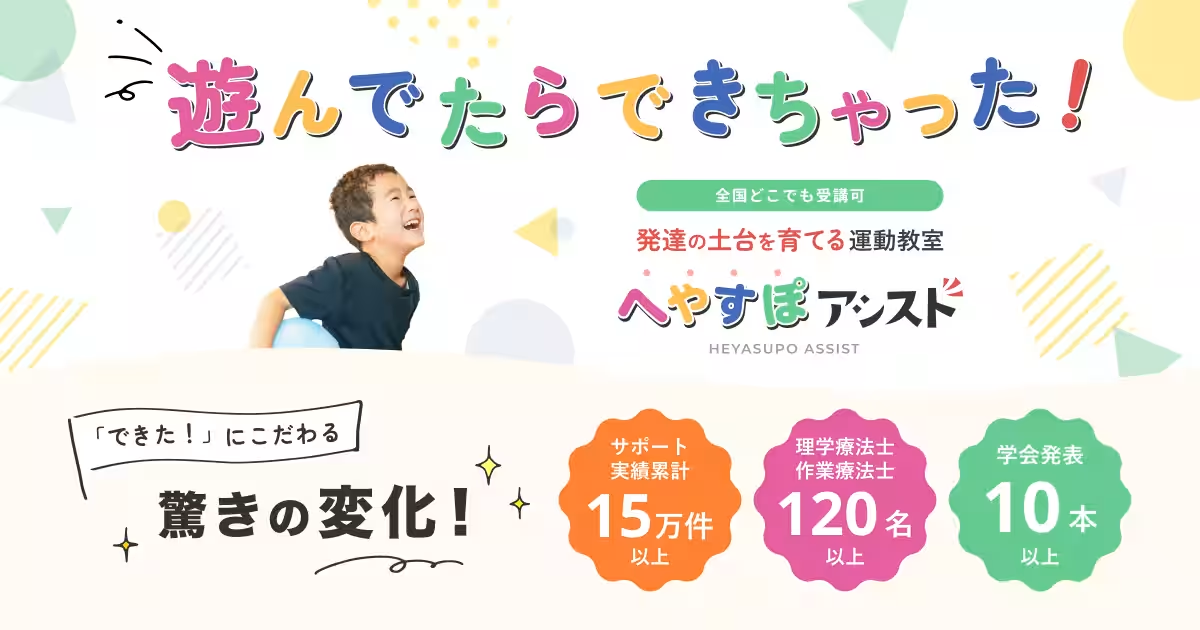
Heyasupo Assist exemplifies the integration of exercise and technology in providing developmental support. With a rich database of over 150,000 training records, tailored lessons drawn from over 1,000 programs are created to meet individual needs, showcasing the high quality of support provided. The online one-on-one lessons offer safety and comfort, contributing to a remarkable retention rate of 97% among families. For more information about this innovative service, visit PAPAMO.

Topics Health)
【About Using Articles】
You can freely use the title and article content by linking to the page where the article is posted.
※ Images cannot be used.
【About Links】
Links are free to use.