



A Comprehensive Look at the Olive Flexible Pay Experience in the Japanese Market
Understanding the Olive Flexible Pay User Experience
In a recent evaluation of the Olive Flexible Pay service, user responses highlighted various strengths and weaknesses, providing a deeper insight into customer satisfaction. The survey, conducted by Kokomura, sought to gather real user feedback from individuals engaged with this payment solution.
Key Benefits of Olive Flexible Pay
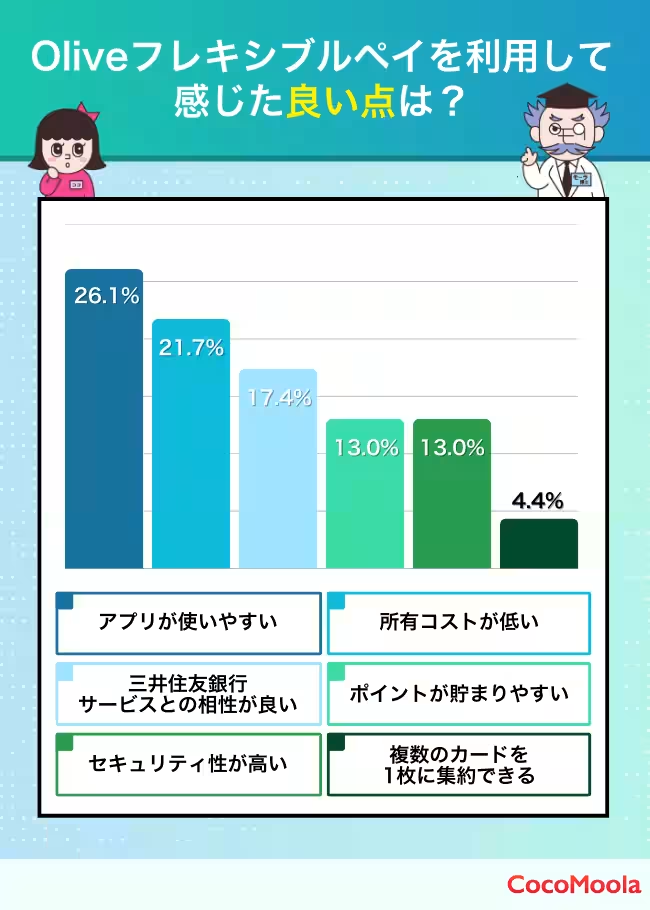
According to the survey, the top three advantages that users appreciated about Olive Flexible Pay included:
1. User-Friendly App (26.09%): A significant proportion of users mentioned that the app is easy to navigate, making transactions smoother and more convenient.
2. Low Ownership Costs (21.74%): Many users found the cost associated with using the service to be quite low, making it an economical choice in the long run.
3. Compatibility with Mitsui Sumitomo Bank Services (17.39%): Users also appreciated the seamless integration this payment service offers with Mitsui Sumitomo Bank's offerings.
These findings indicate that overall, Olive Flexible Pay is well-regarded for its simplicity and low cost.
User Concerns with the Service
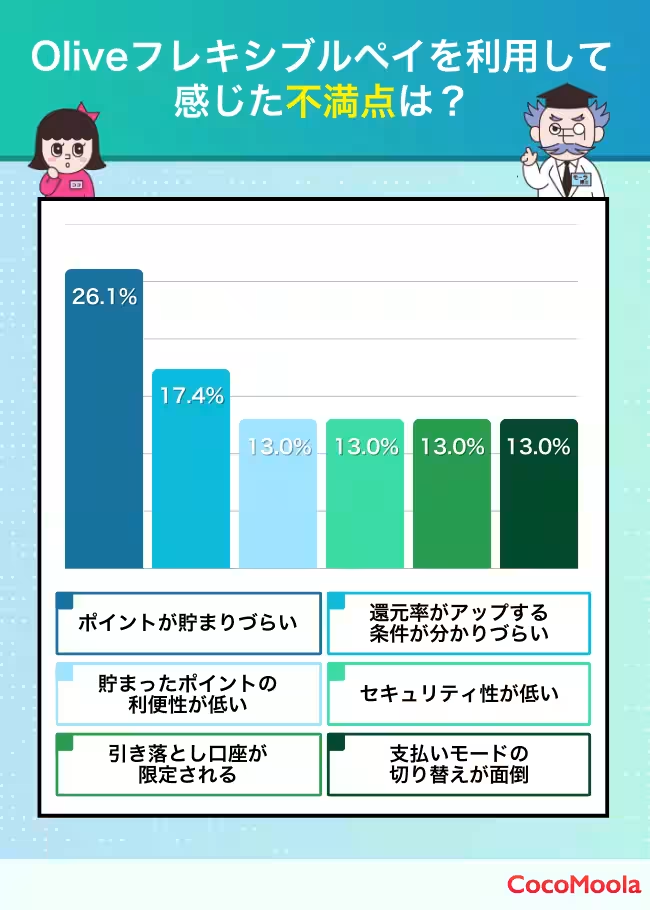
Despite its benefits, there were notable concerns expressed by users, primarily focusing on:
1. Points Accumulation Difficulty (26.09%): Users mentioned finding it challenging to accumulate points, which is a notable downside, especially in a rewards-driven market.
2. Confusing Conditions for Point Redemption (17.39%): The criteria for earning enhanced point return rates were deemed unclear, leaving users feeling frustrated.
3. Low Usability of Accumulated Points (13.04%): Many reported that the points accumulated offered limited usability, detracting from the overall experience.
These concerns suggest that while many find value in the service, there is room for improvement, particularly regarding its rewards system.
Card Issuance Speed
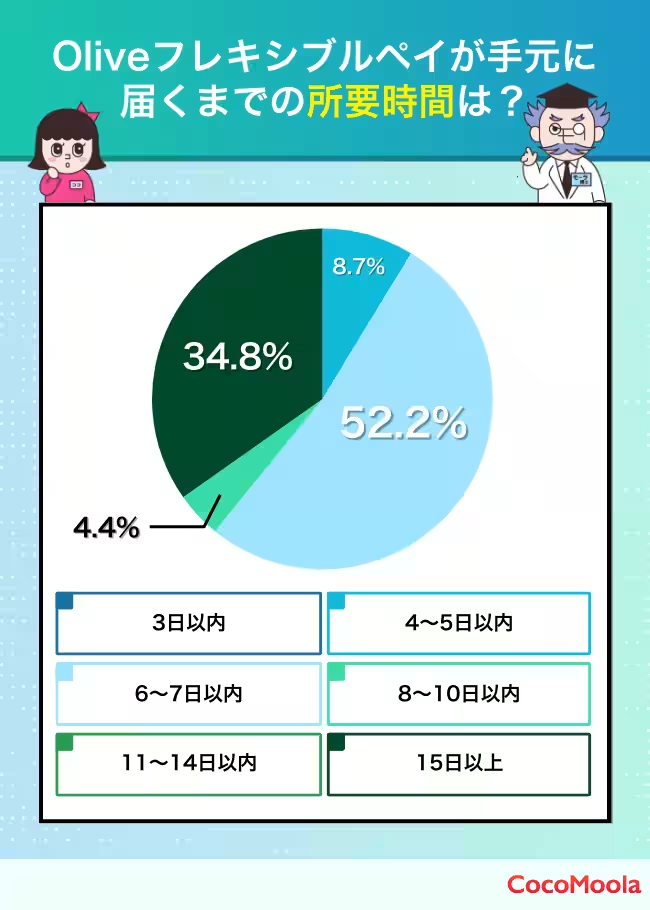
Another important factor surveyed was the time taken to receive a physical Olive Flexible Pay card. The majority of respondents noted that they received their card within a reasonable timeframe of 6 to 7 days. However, 34.78% reported waiting over 15 days, indicating variability in customer experience.
Survey Methodology
Kokomura utilized internet-based research conducted through the Freesy platform to gather data from users of Olive Flexible Pay in Japan. The survey involved 23 respondents, consisting of 18 men and 5 women, reflecting a diverse customer base.
Timing of Bank Account Opening
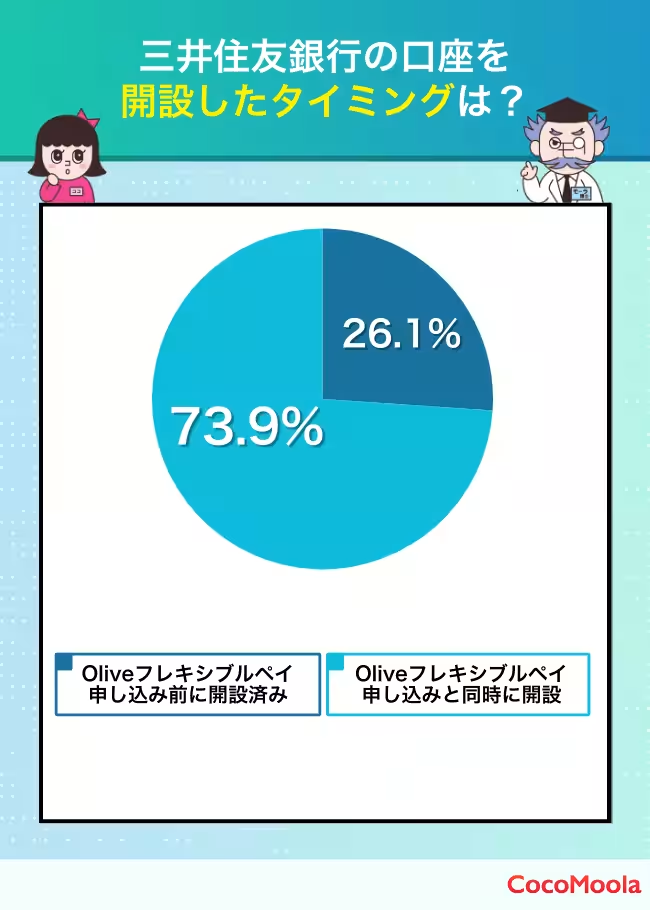
The survey also inquired about the timing of account setups at Mitsui Sumitomo Bank. A significant 73.91% of respondents opened their accounts simultaneously with their Olive Flexible Pay applications, emphasizing the synergy between services and user preference for one-stop solutions.
Conclusion
The findings from this survey shed light on both the strengths and weaknesses of Olive Flexible Pay from a user's perspective. While the app's usability and cost-effectiveness shine, it is critical for the service to address the points accumulation challenges and enhance the clarity of its rewards system. As competition in the payment industry intensifies, adapting to user feedback will be essential for Olive Flexible Pay's continued success in attracting and retaining customers.
In summary, Kokomura’s survey not only reveals the advantages that Olive Flexible Pay offers but also highlights areas where customers desire improvements, painting a comprehensive picture of user experiences in the changing landscape of digital payments in Japan.
Topics Consumer Products & Retail)
【About Using Articles】
You can freely use the title and article content by linking to the page where the article is posted.
※ Images cannot be used.
【About Links】
Links are free to use.