



Over 70% of People in Their 40s and 50s Concerned About Skin Tags on the Neck and Décolleté: Understanding Treatment Options
Understanding Skin Tags on the Neck and Décolleté
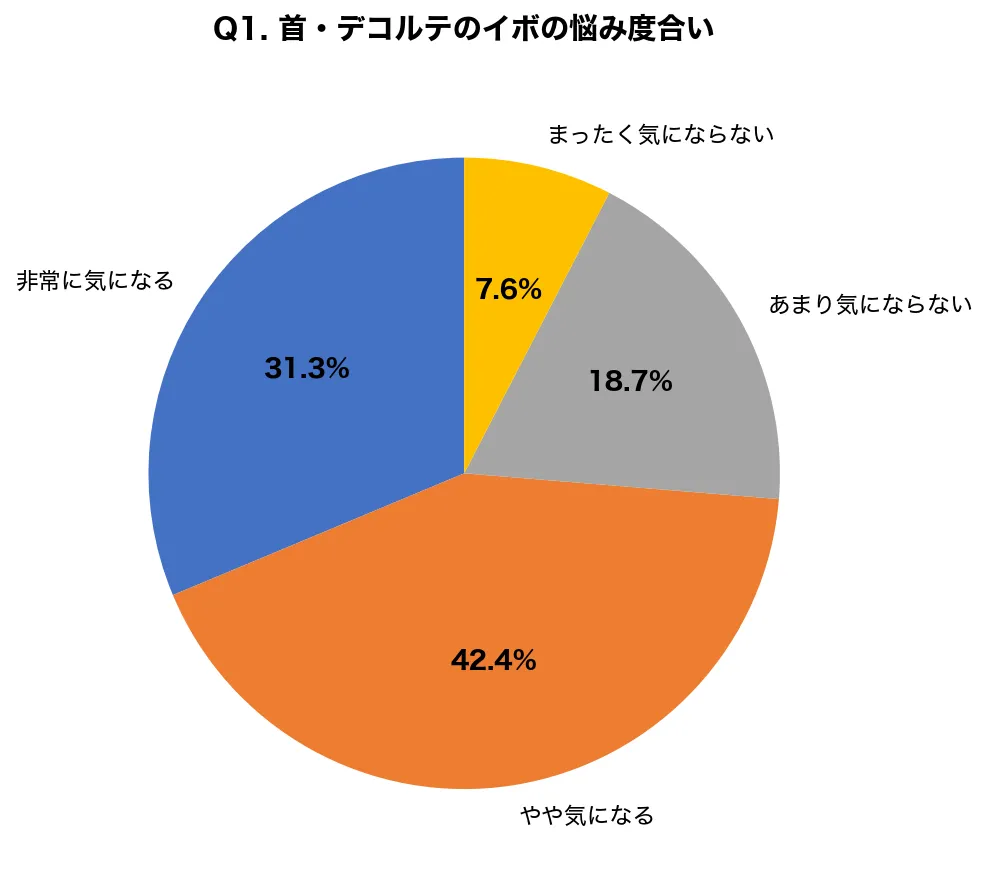
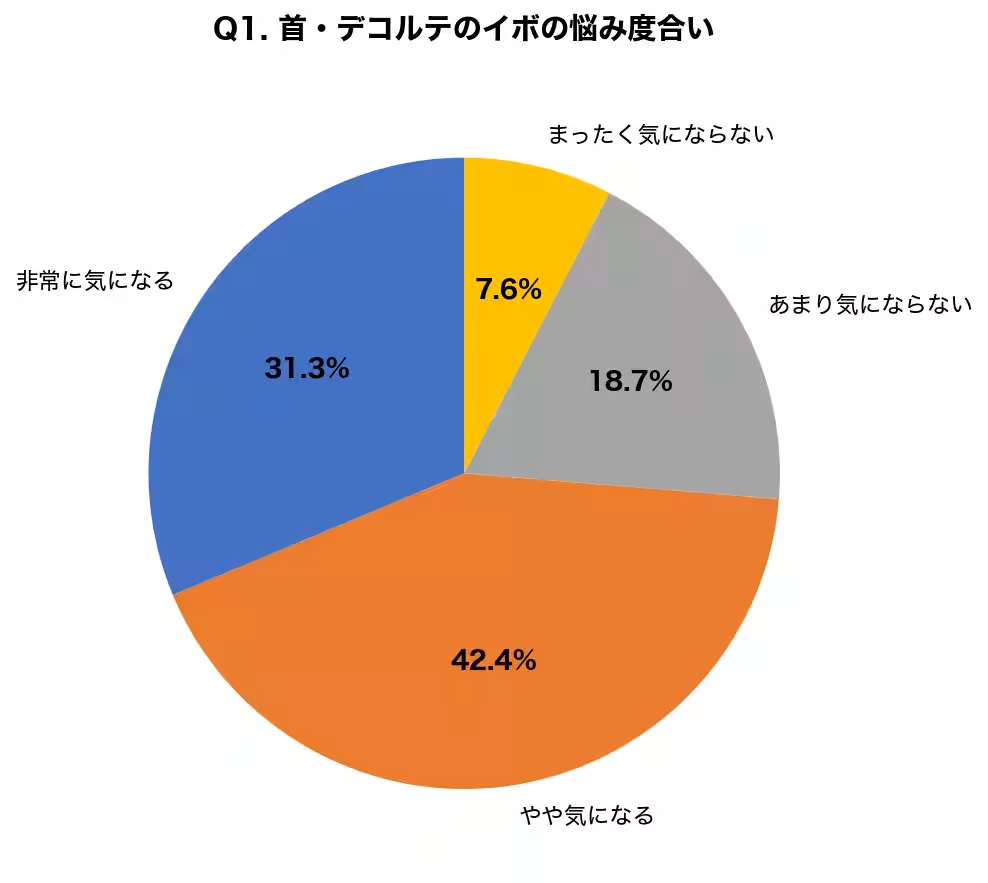
A recent survey conducted by IC Clinic revealed that approximately 73.7% of participants aged 40 and above expressed concerns over skin tags affecting their neck and décolleté. This issue is notably heightened among women in their 50s, where concern rates soar to 82.4%.
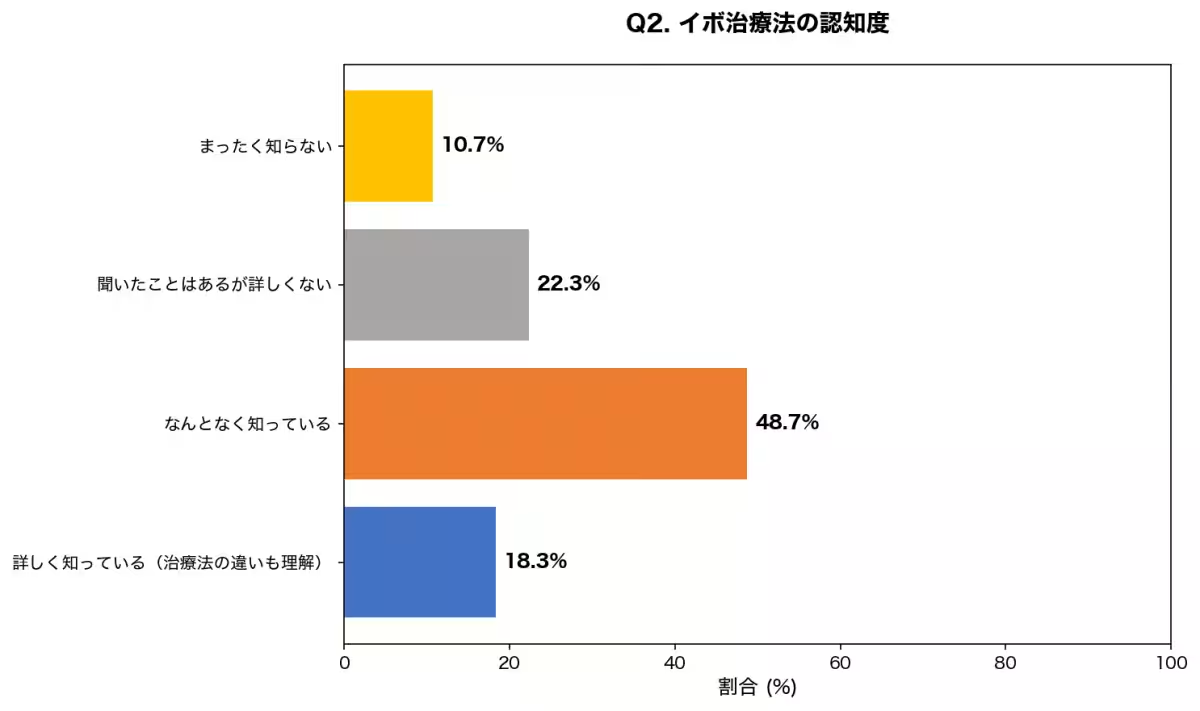
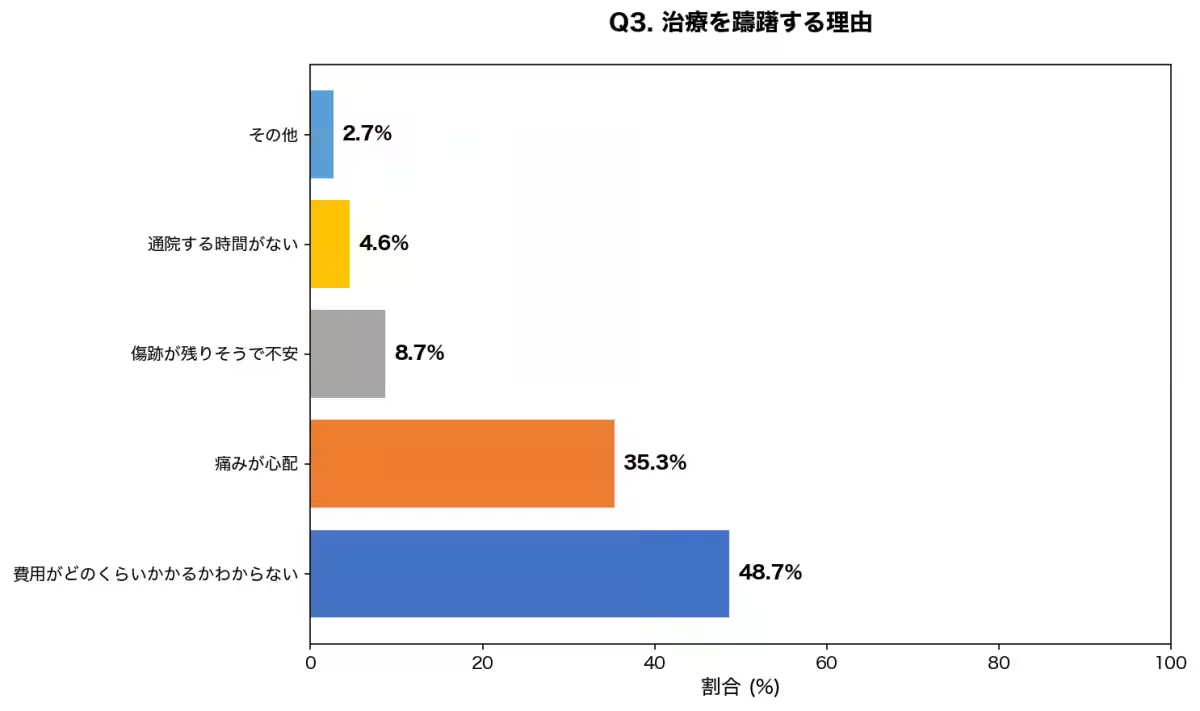
Despite this significant concern, only 18.3% of respondents claimed to have a clear understanding of the available treatment options, while 71.0% admitted they possess vague knowledge about the treatments. The top reasons for hesitancy towards seeking treatment include uncertainty about costs (48.7%) and fear of pain (35.3%).
What Are Skin Tags?
Skin tags, or acrochordons, are benign tumors that commonly appear on areas like the neck, décolleté, and underarm regions. Typically soft and colored skin protrusions, measuring roughly 2-3mm, they often become more prevalent with age, friction, and obesity. Although they pose no cancer risk, many seek treatments due to aesthetic concerns or discomfort from snagging on accessories.
The primary treatment methods for skin tags include:
- - Laser Treatment: This method vaporizes and removes the tags with minimal risk of scarring. It allows for the removal of multiple tags in a single session but is generally not covered by insurance, costing between ¥15,000 to ¥30,000 for about ten tags.
- - Liquid Nitrogen Therapy: This affordable method involves freezing the tags to inhibit their growth. It is covered by insurance, with costs ranging from ¥3,000 to ¥5,000, but treatment typically requires multiple visits over weeks.
Comparative Overview of Treatment Options
| Treatment Method | Laser Treatment | Liquid Nitrogen Therapy |
|---|---|---|
| ------ | ------ | -------- |
| Treatment Principle | Vaporization/Removal | Freezing/Destruction |
| Insurance Coverage | Limited | Yes |
| Cost (Approx. for 10) | ¥15,000 - ¥30,000 | ¥3,000 - ¥5,000 (30% coverage) |
| Sessions Required | Often completed in one visit | Typically 2-5 sessions |
| Downtime | 3-7 days | 1-2 weeks |
| Pain | Minimal with anesthetic | Mild discomfort upon freezing |
| Scarring Risk | Low | Potential for pigmentation changes |
| Tags Treated at Once | 10+ | 1-10 |
Survey Insights
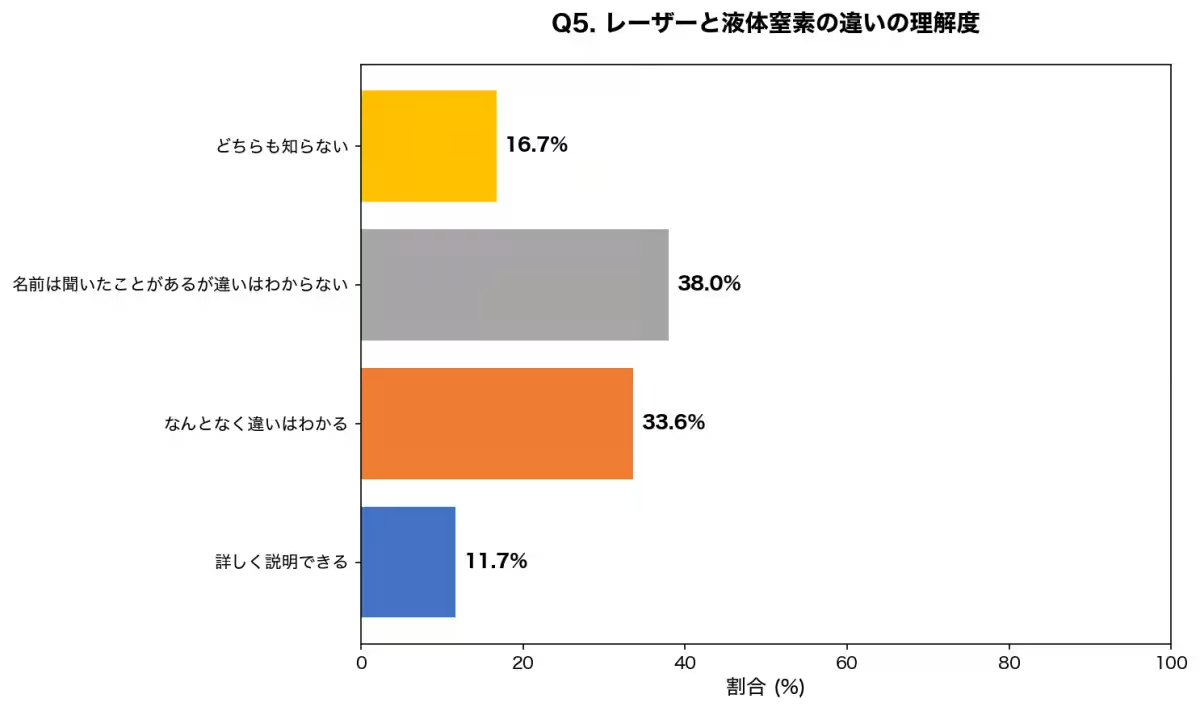
The survey conducted by IC Clinic unearthed significant gaps in understanding among individuals regarding skin tags and their treatments. One surprising finding is that only 11.7% could articulate the differences between laser treatment and liquid nitrogen therapy. More than half of the survey participants (54.7%) reported they could not differentiate between the two treatments, underscoring a critical need for educational outreach and clear communication.
Key Takeaways:
- - High Concern Level: A high percentage of individuals in their 40s and 50s are worried about skin tags, indicating an essential area for effective treatments.
- - Misconceptions on Treatment: A lack of understanding regarding treatment options reveals a knowledge gap that healthcare providers must address.
- - Cost Concerns: Financial hesitance is a significant barrier for many seeking treatment; thus, clinicians can help by providing clear cost estimates upfront.
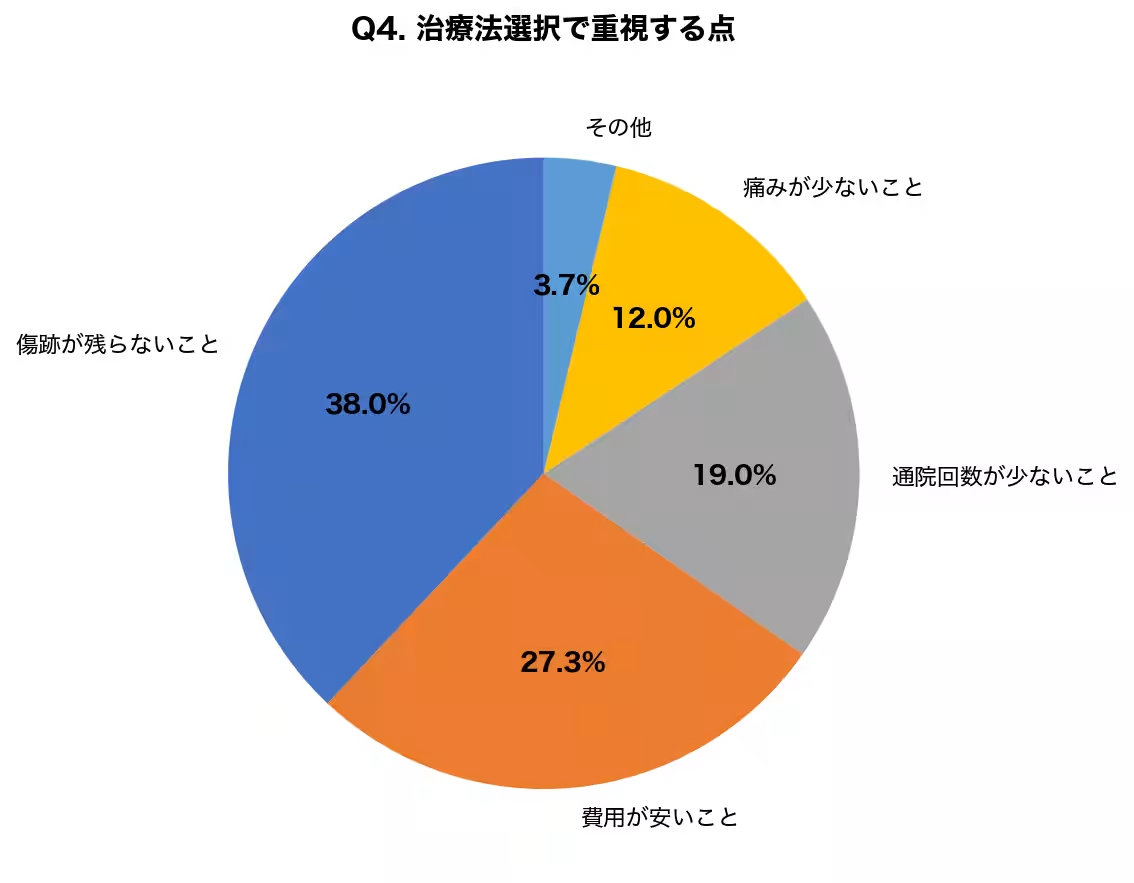
The findings also illustrate that 'not leaving scars' is the utmost priority for many patients when choosing treatment, highlighting the cosmetic sensitivity associated with these visible skin issues.
Expert Opinion
Dr. Kōta Takakuwa at IC Clinic emphasizes the possibility for nearly complete removal of skin tags through appropriate treatments. He advocates for laser treatment in cases with high tag counts, stating it minimizes scar risk. It's crucial for patients to have a detailed understanding of their options and engage in discussions with their dermatologists to choose the method that suits their particular needs best.
Conclusion
Skin tags may be a common and benign condition, but they can have a profound psychological impact. The IC Clinic aims to enhance public awareness about treatment options and overcome misconceptions, ultimately improving quality of life for those affected.
For those considering treatment, comprehensive consultations can provide tailored advice concerning costs, timing, and procedures, ensuring patients navigate their choices confidently.
Topics Health)


【About Using Articles】
You can freely use the title and article content by linking to the page where the article is posted.
※ Images cannot be used.
【About Links】
Links are free to use.