



Understanding the Risks and Treatments for Warts: A Comprehensive Study Revealed
Unraveling the Complexities of Wart Treatment
Recent research conducted by the IC Clinic has shed light on the common yet often underestimated skin disorder known as warts (or viral warts), affecting approximately 10% of the Japanese population at some point in their lives. Despite being a routine skin condition, many individuals attempt to treat their warts using over-the-counter solutions, which can lead to adverse outcomes. This article delves deeper into the findings of this study and the various treatment options available for those dealing with warts.
Key Findings from the Study
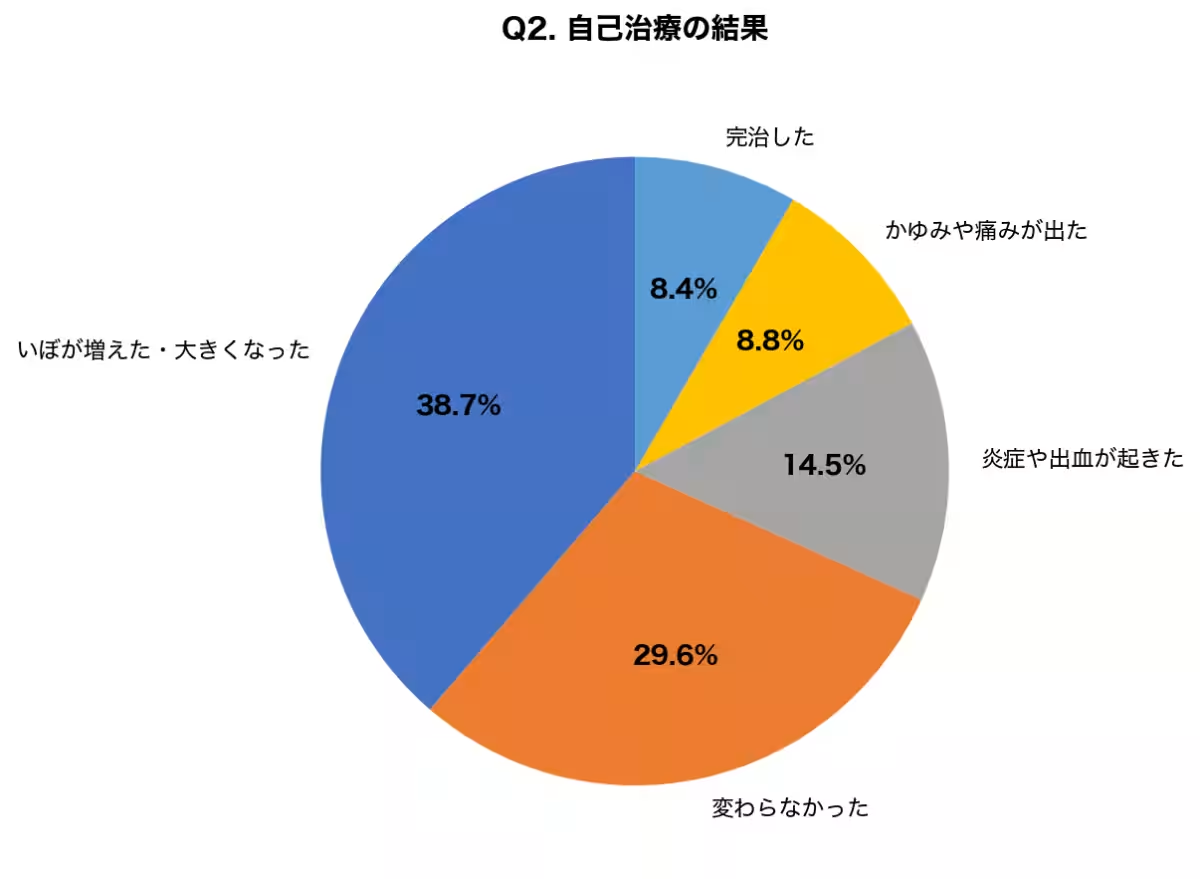
The survey gathered data from 300 individuals across Japan aged between 20 and 60 who have either undergone treatment for warts or are currently seeking treatment. The most startling discovery was the high percentage of individuals (68.3%) who reported that their condition worsened as a result of self-treatment. It emphasizes the notion that attempting to remove warts without proper medical guidance can be not only ineffective but harmful.
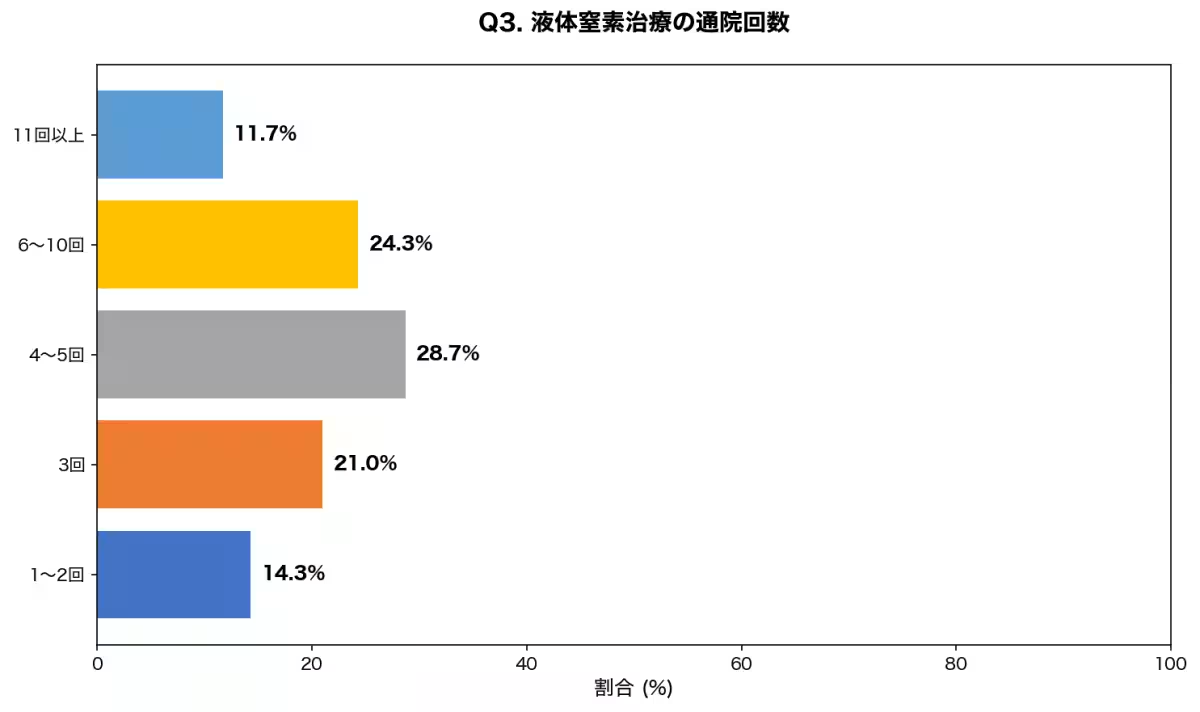
Furthermore, the study revealed that for those who opted for professional help, the average number of visits necessary for successful treatment using liquid nitrogen therapy was 5.2, spanning approximately 3.4 months.
Understanding Wart Types
Viral Warts (Common Warts): These benign tumors are caused by the human papillomavirus (HPV) and commonly appear on the hands and feet as rough, raised bumps. They can self-cure but may also multiply and pose an infection risk if left untreated.
Effective Treatment Methods
1. Liquid Nitrogen Cryotherapy
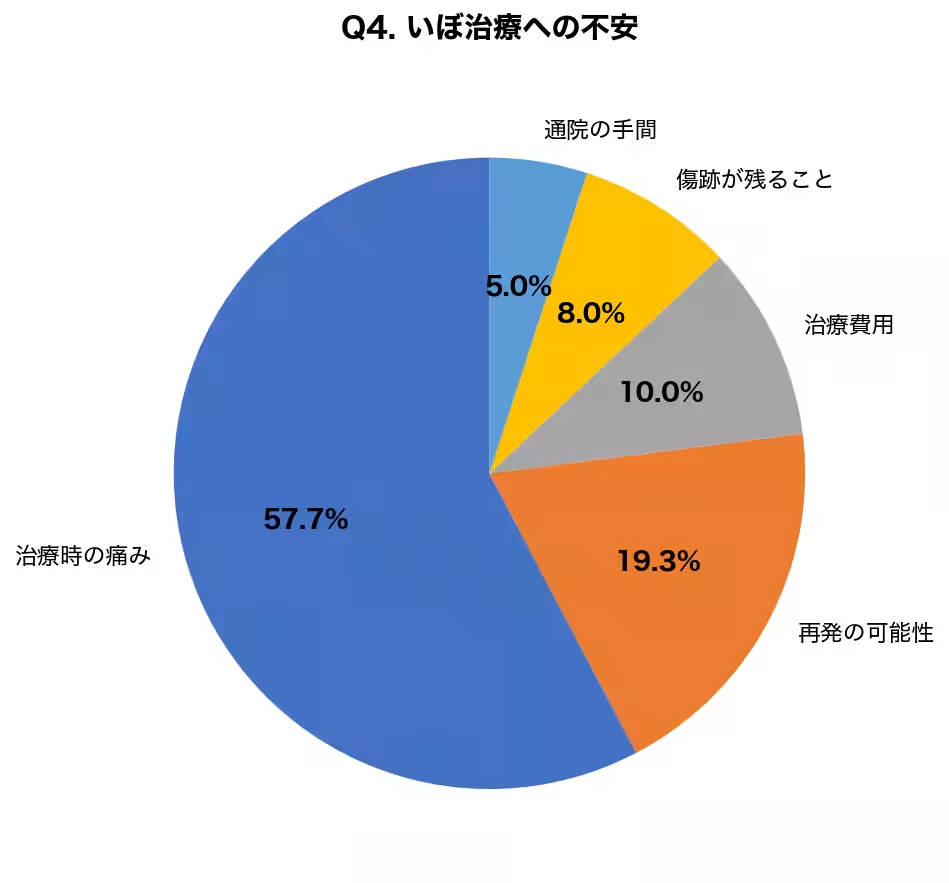
Liquid nitrogen therapy remains the gold standard in wart treatment. It involves freezing the wart with liquid nitrogen, resulting in tissue death. While effective, this treatment can be painful and usually requires multiple visits to achieve complete resolution. It is crucial to note that a significant proportion of those who have undergone this treatment express concerns surrounding the pain involved.
2. Alternative Options: Laser Treatment and Chemical Peels
For patients who are particularly sensitive to pain, alternatives exist. Carbon dioxide laser treatment provides a less painful experience but is often not covered by insurance, which could lead to higher out-of-pocket expenses. Another option, monochloroacetic acid therapy, involves using a strong acid to dissolve the wart's keratin layer. This method tends to be less painful and may be suitable for children or those with heightened pain sensitivity.
The Importance of Seeking Professional Help
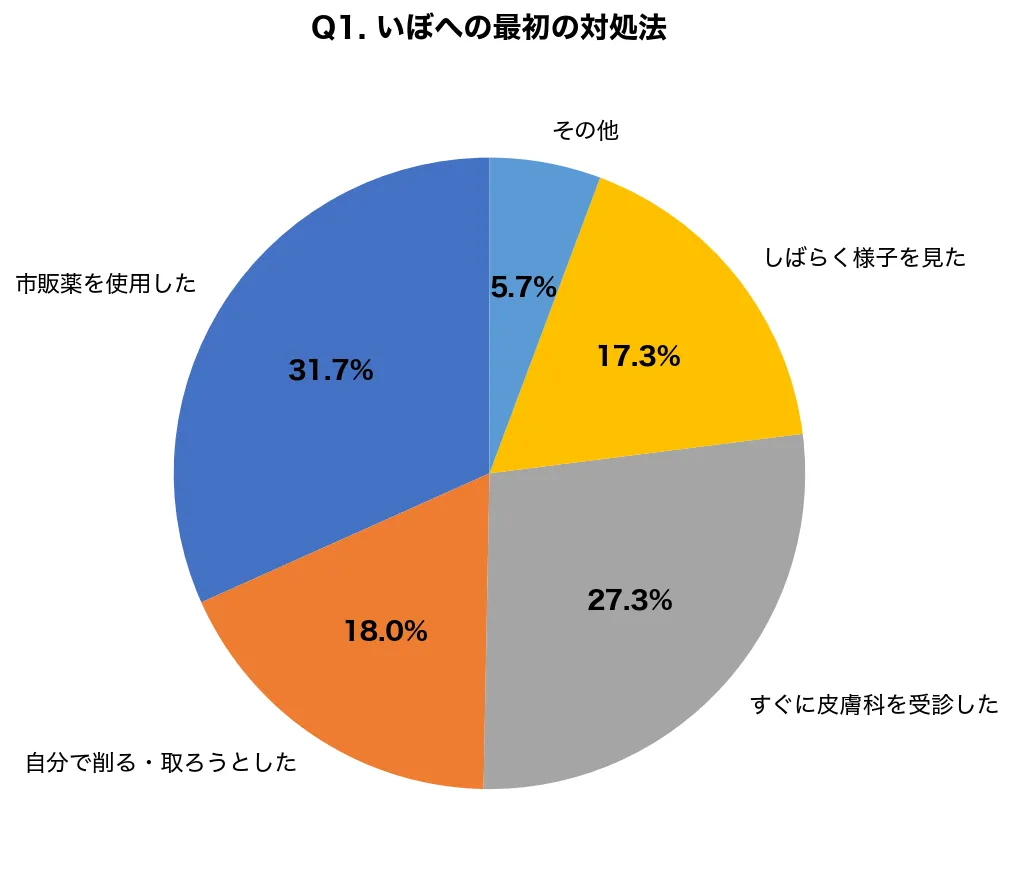
The study concluded that more than half of the respondents engaged in self-treatment, with a mere 27.3% consulting a dermatologist at the onset of their condition. Those using over-the-counter products often turned to them out of the misconception that regular warts are trivial and do not necessitate professional intervention. However, self-treatment poses the risk of the wart worsening or increasing in size as reported by 38.7% of respondents.
According to Dr. Kouta Takakuwa of IC Clinic, self-diagnosing can mislead patients, as not all skin growths that resemble warts are indeed viral warts; some may be skin cancer or other serious conditions. Thus, the significance of timely and accurate diagnosis by healthcare professionals cannot be overstated.
Patient Needs and Preferences
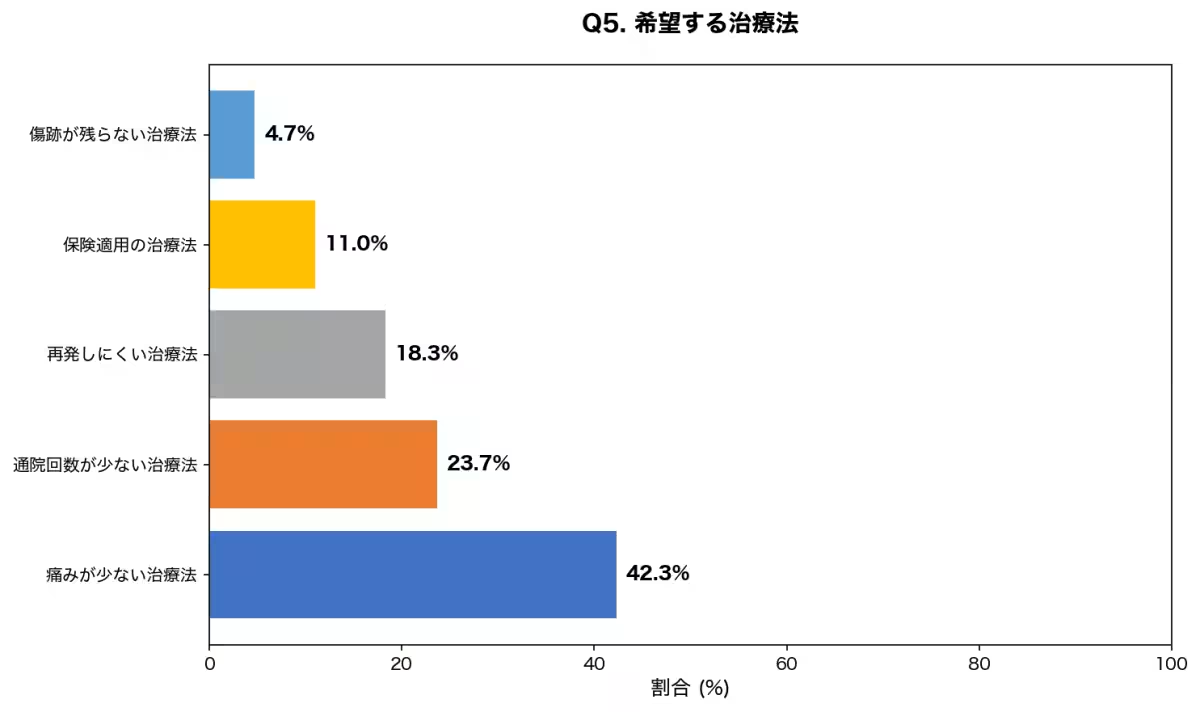
The survey findings show that individuals are increasingly seeking treatments that involve less pain and fewer hospital visits. An overwhelming 42.3% expressed a desire for less painful treatment methods, while 23.7% preferred treatments that required fewer hospital visits. This indicates a gap in the treatment offerings pertinent to patient preferences, prompting more clinics to explore innovative approaches to wart treatment.
Conclusion
This study accentuates the perils associated with self-treatment for warts and underscores the necessity for appropriate medical guidance. Individuals should be aware that warts, although common, require informed treatment decisions to avoid further complications. The ideal approach involves consulting a dermatologist who can recommend effective treatment plans tailored to individual cases while considering the patient's pain tolerance and lifestyle.
In conclusion, if faced with wart concerns, individuals are urged to seek professional dermatological evaluation rather than resort to self-treatment, thereby ensuring a safer and effective resolution to their skin ailments. Early diagnosis and treatment are crucial in preventing complications and ensuring a complete resolution of the condition.
Topics Health)
【About Using Articles】
You can freely use the title and article content by linking to the page where the article is posted.
※ Images cannot be used.
【About Links】
Links are free to use.