




New Survey Reveals 80% of Dogs Suffer from Heat Fatigue This Summer
The Alarming Impact of Summer Heat on Dogs
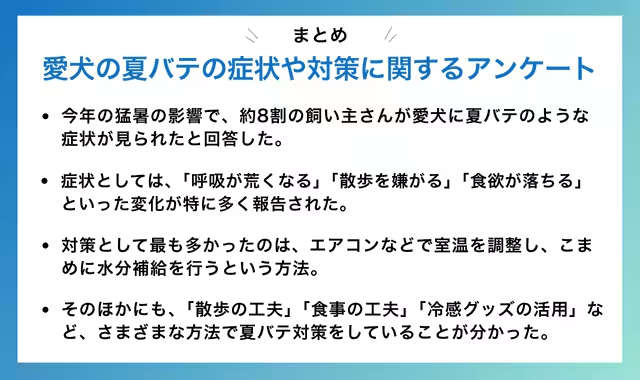
In an unprecedented survey conducted by Eight Inc., a dog food company based in Minato, Tokyo, it was discovered that a staggering 80% of dog owners reported signs of heat fatigue in their pets due to this year's extreme summer temperatures. This comprehensive study involved responses from 400 dog owners, shedding light on both the symptoms exhibited by their pets and the strategies employed to mitigate heat-related issues.
High Temperatures and Dog Health
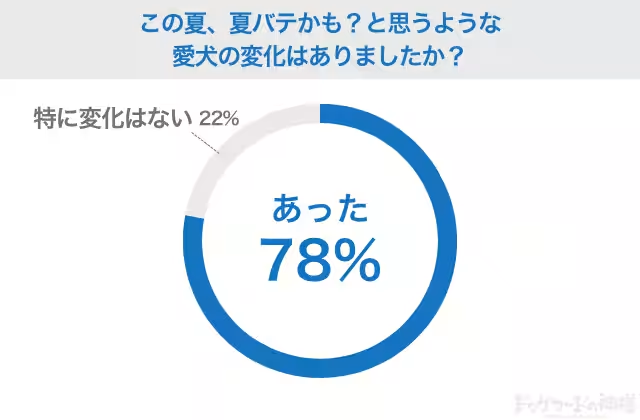
The summer of 2023 has brought record-breaking temperatures, and many dogs are showing concerning signs of heat-related distress. According to the survey, common symptoms reported by pet owners included rapid breathing, reluctance to walk, and a noticeable drop in appetite. In total, 78% of those surveyed confirmed that their dogs displayed symptoms indicative of summer fatigue, highlighting the widespread concern among dog owners.
Common Symptoms of Heat Fatigue
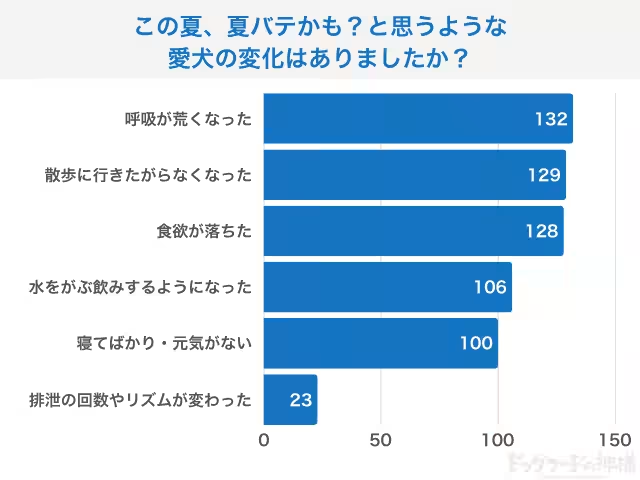
When asked about specific symptoms, the following were the most frequently reported:
- - Rapid breathing or panting (132 votes)
- - Refusal to walk (129 votes)
- - Reduced appetite (128 votes)
- - Excessive drinking (106 votes)
- - Lethargy (100 votes)
This pattern of symptoms is alarming as rapid breathing, or “panting,” is a natural response for dogs to cool down, but it can also indicate the onset of heatstroke. Owners are advised to allow their pets to rest and avoid overexerting them during this sweltering season.
Effective Strategies for Managing Summer Fatigue
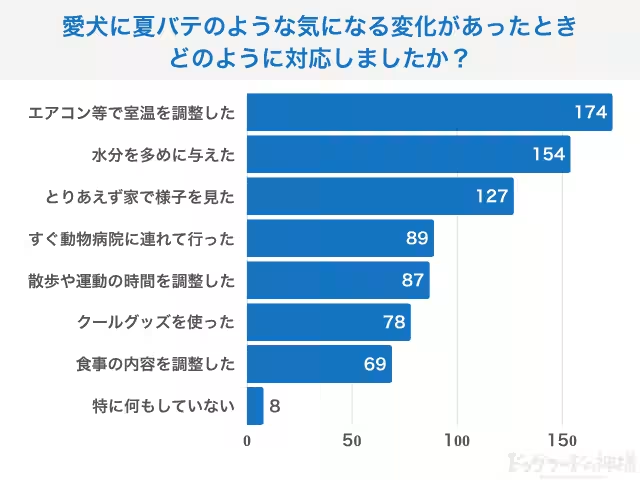
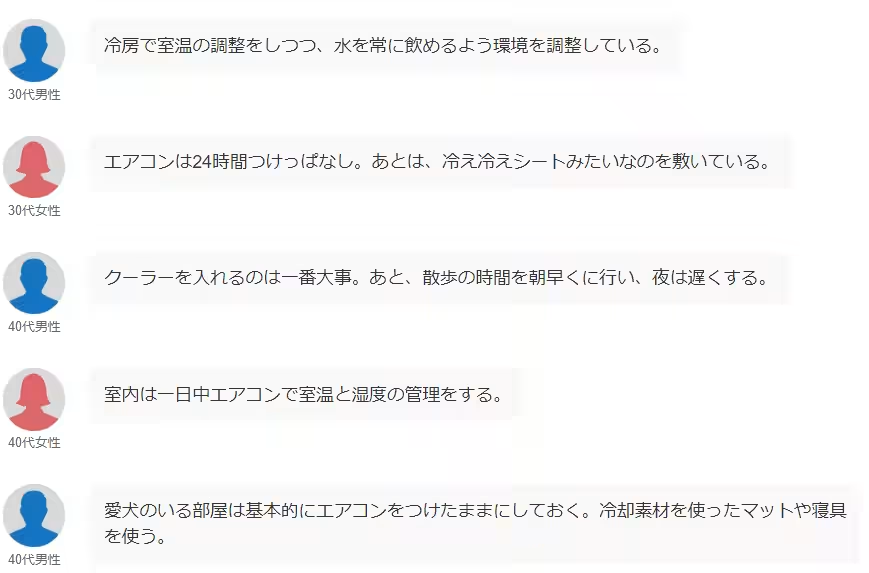
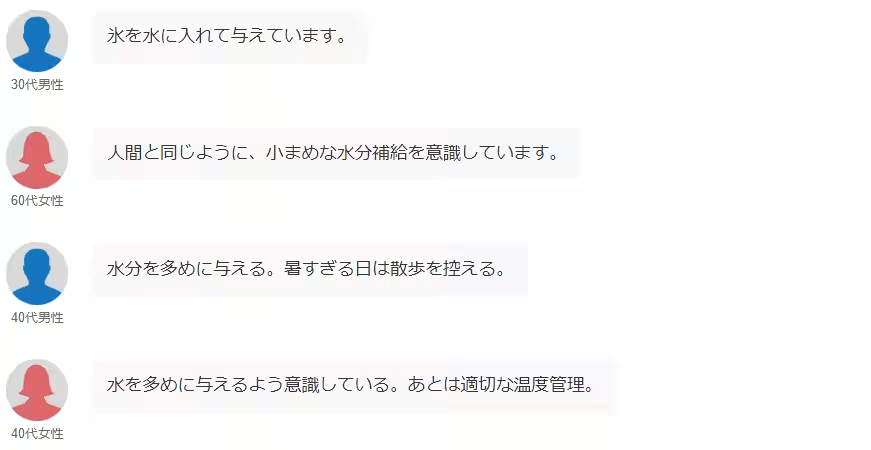
To combat summer fatigue, dog owners have employed various methods. The most common response was to adjust the indoor temperature using air conditioning or fans, with 174 owners highlighting this as their primary strategy. Moreover, ensuring a consistent supply of fresh water was another major intervention, reported by 154 respondents. These strategies align with common recommendations for managing heat exposure in animals.
Despite the challenges, many owners prefer to monitor their pets at home before seeking professional veterinary help. A total of 127 respondents reported observing their pets at home before moving to more drastic measures. However, those with severe symptoms acted quickly, with 89 responding owners promptly visiting the vet.
Innovative Strategies for Prevention
To further explore how pet owners could alleviate the risk of heat fatigue, they shared insights on preventive measures:
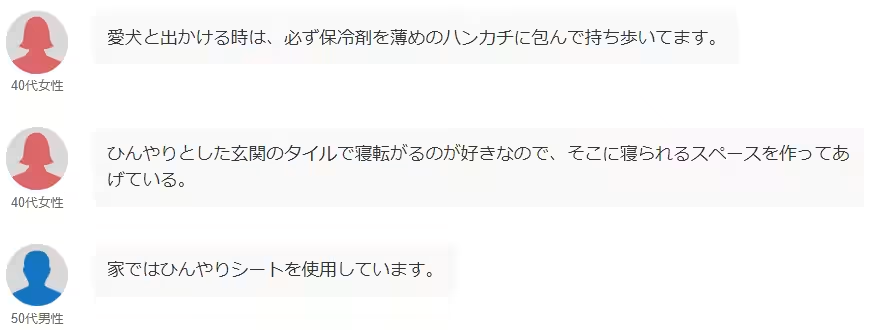
- - Maintain Cooler Environments: The clear consensus was that controlling indoor temperatures is paramount. Many owners utilized air conditioning and strategically placed cooling mats to provide comfort.
- - Ensure Hydration: Regular monitoring of water intake is crucial during the summer months to prevent dehydration.
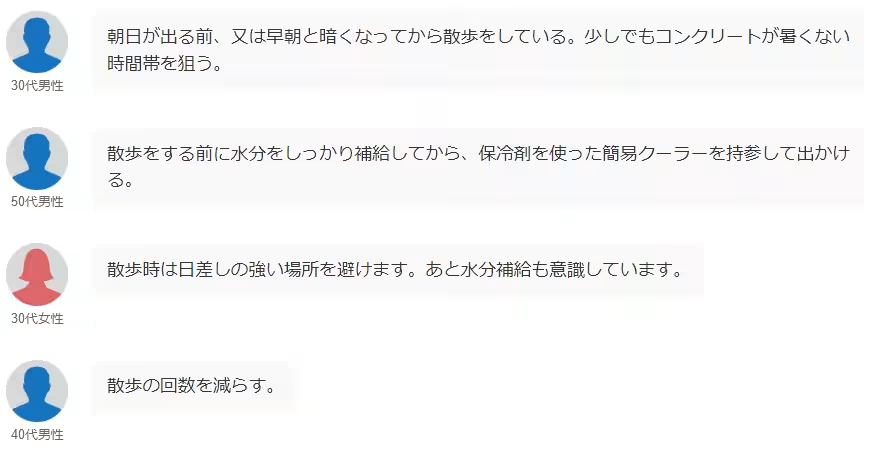
- - Adjust Walk Schedules: Several owners modified their walking times and routes to avoid the heat, often choosing early mornings or later evenings for outings.
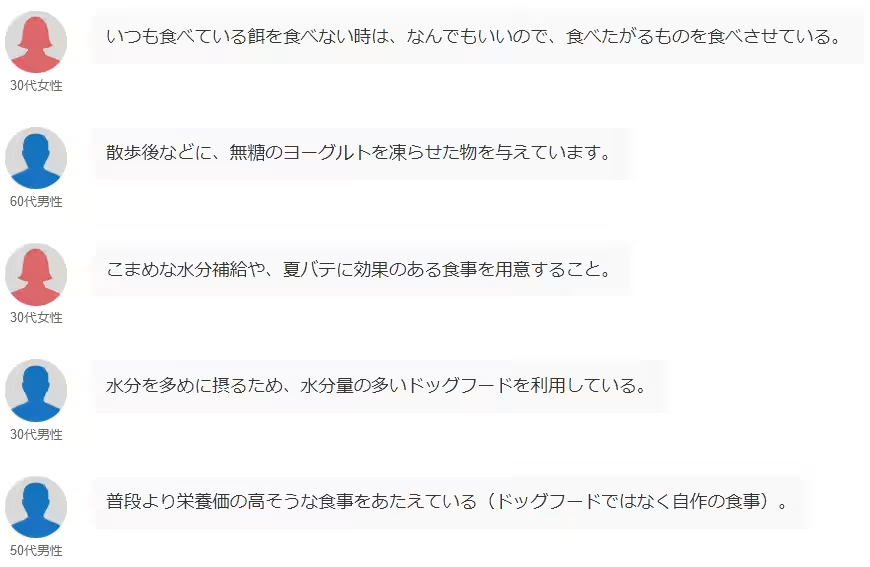
- - Dietary Adjustments: Some owners incorporated high-nutrition foods or hydrating treats, such as frozen yogurt, to entice their dogs to eat despite reduced appetite.
In essence, combining environmental control with hydration and thoughtful dietary planning emerges as the most effective strategy to combat summer-related health issues in dogs.
Conclusions
The results of this survey underscore an urgent need for dog owners to remain vigilant during the summer months. By understanding the symptoms and implementing effective cooling strategies, pet owners can safeguard their canine companions against heat fatigue. For continued updates and tips for maintaining dog health in hot weather, please refer to more resources available on the Eight Inc. website.
Additional Resources:
For more detailed insights and tips on preventing heat-related illnesses in dogs, please visit our full article on the survey results at Dog Food Eight.
Also, consider checking out our articles on dog heatstroke here and tips for summer walks with your dog here.

Topics Health)

【About Using Articles】
You can freely use the title and article content by linking to the page where the article is posted.
※ Images cannot be used.
【About Links】
Links are free to use.