



Survey Reveals Most People Misdiagnose Rosacea as Acne: A Wake-Up Call
Understanding Rosacea: A Silent Epidemic
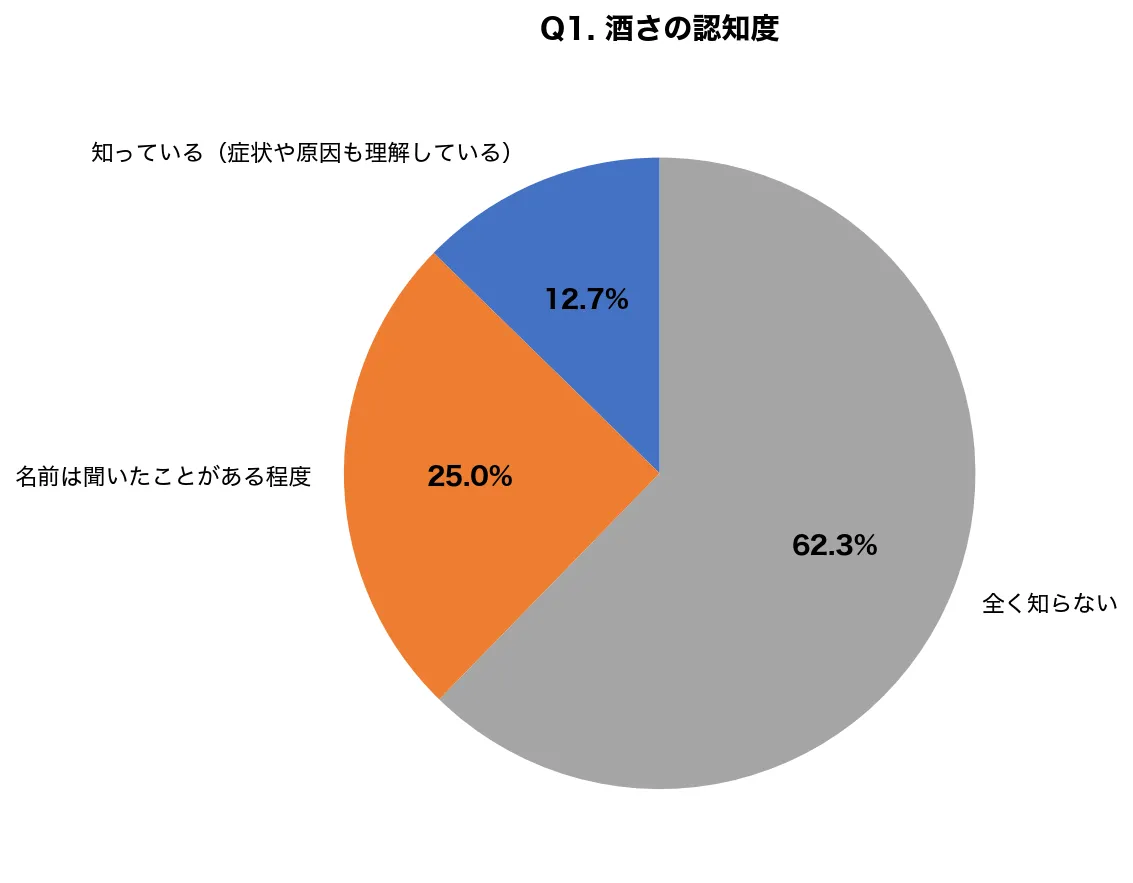
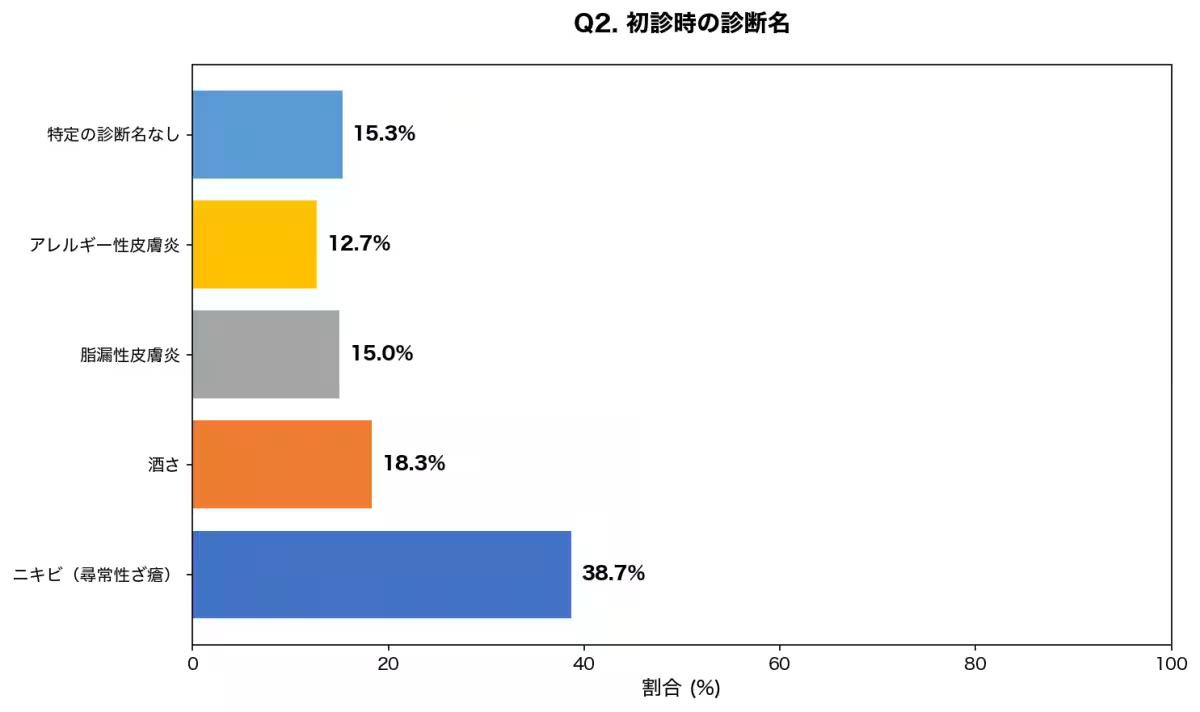
Facial redness affects millions, yet a recent survey from IC Clinic indicates a striking gap in awareness about rosacea—a chronic skin condition often mistaken for acne. The questionnaire targeted individuals aged 20 to 60 suffering from facial redness, revealing that 62.3% had never heard of rosacea, and 38.7% had previously been misdiagnosed with acne.
Key Findings of the Survey
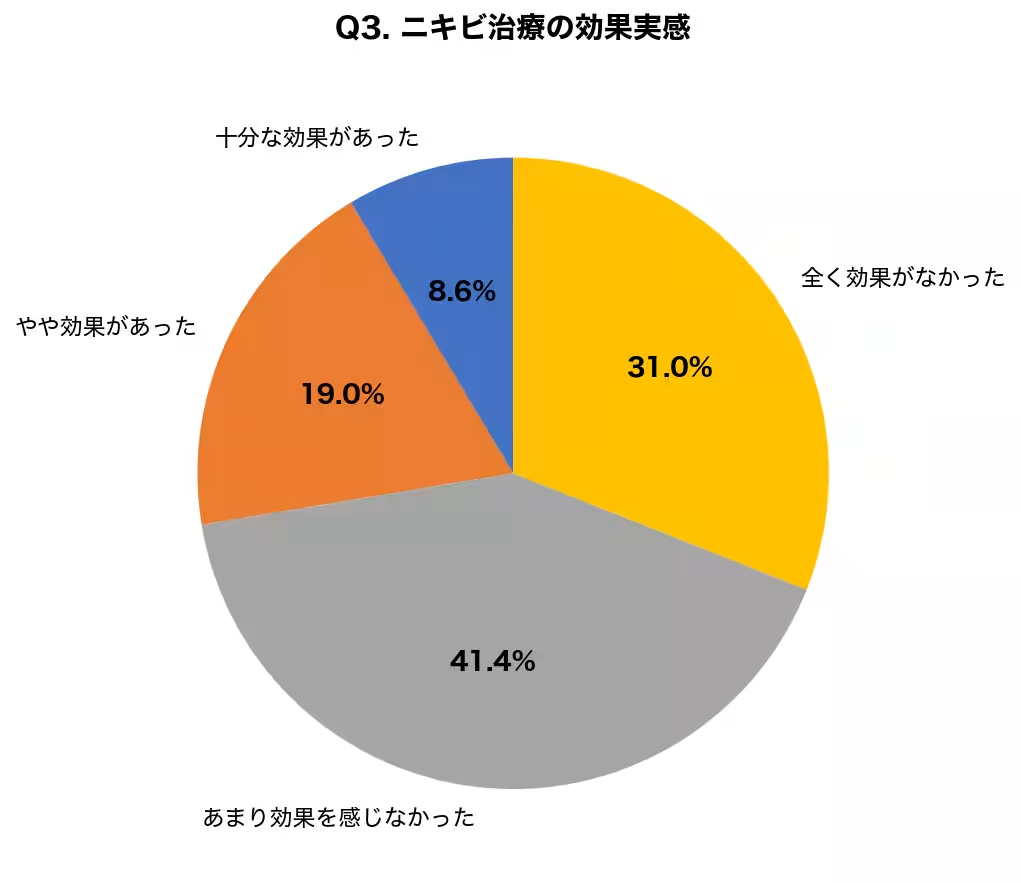
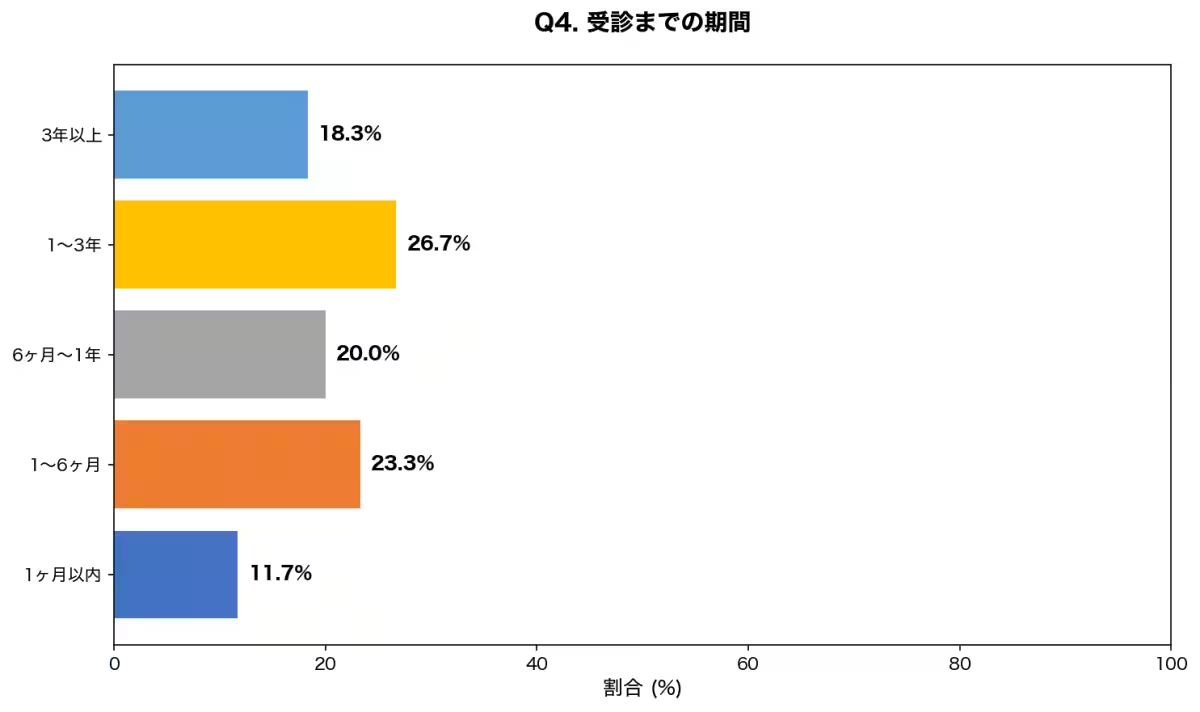
The alarming statistics go beyond mere ignorance. Among those diagnosed with acne, a staggering 72.4% felt no significant improvement from traditional acne treatments. Furthermore, 45% of participants took over a year to seek a dermatology consultation after noticing symptoms. This delay underscores a critical need for increased public awareness and education on skin health.
What is Rosacea?
Rosacea is characterized by persistent redness and warmth centrally located on the face, affecting primarily women aged 30 to 50. It is classified into four subtypes, including erythematotelangiectatic, papulopustular, phymatous, and ocular rosacea. Key factors exacerbating rosacea include alcohol consumption, temperature fluctuations, UV exposure, and stress. Unfortunately, these symptoms are often misattributed to acne due to their superficial similarities, particularly in the papulopustular subtype, which appears as red bumps akin to acne lesions.
Misdiagnosis: A Compounding Issue
The survey results reflect a troubling trend. Many individuals approach dermatologists believing they have acne, resulting in prolonged suffering and unnecessary treatments. 38.7% of respondents received an initial acne diagnosis, with only 18.3% correctly diagnosed with rosacea right from the start. The lack of distinction between the two conditions can lead to chronic pain and emotional distress.
Differentiating Rosacea from Acne
It is vital to recognize the differentiating factors between rosacea and acne to improve early diagnosis and treatment outcomes. Here are three major distinctions:
1. Persistent Redness: Unlike the transient inflammation typical of acne, rosacea features sustained redness that does not subside easily.
2. Triggers: Rosacea symptoms worsen with certain triggers such as alcohol, hot drinks, spicy food, and extreme temperatures, while acne is more influenced by oil production and hormonal changes.
3. Age of Onset: Rosacea typically manifests in adulthood, particularly after the age of 30, whereas acne usually appears in teenagers and young adults.
Treatment Options for Rosacea
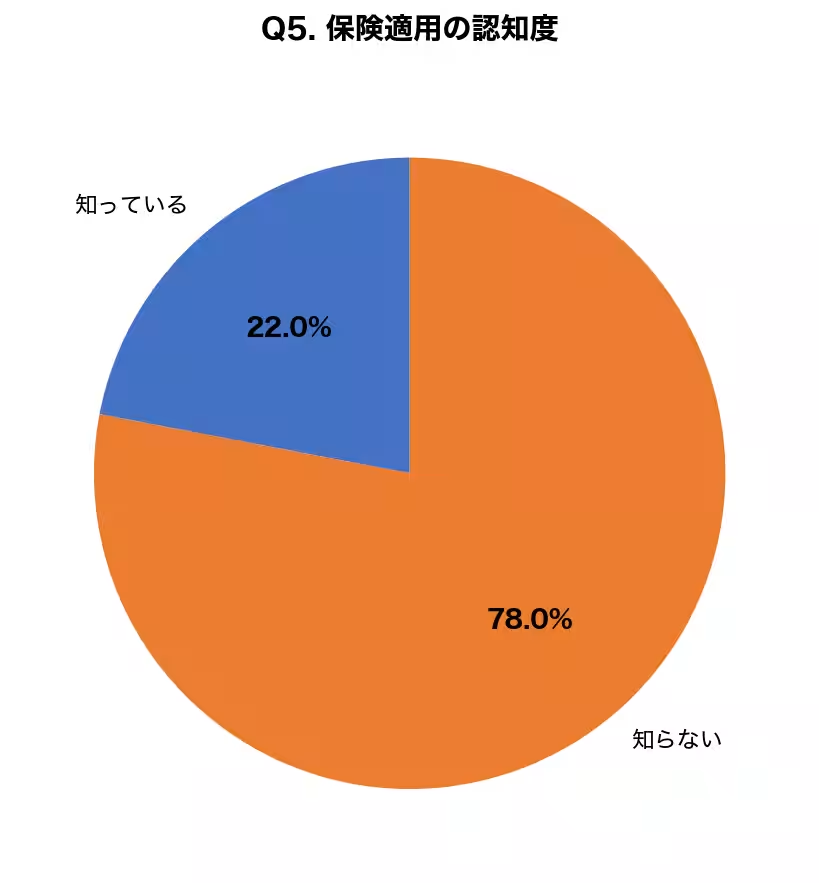
Fortunately, rosacea can be effectively managed with proper diagnosis and treatment. Recent advancements include the introduction of metronidazole topical gel, which received insurance coverage in Japan in 2022, providing patients with a viable treatment option. This topical antibiotic has shown promising results, reducing redness and papules with consistent application.
In severe cases, the treatment plan may include oral antibiotics like doxycycline, coupled with advanced procedures like V-beam laser therapy for visible blood vessels. A tailored regimen based on symptoms and severity can lead to significant improvement, highlighting the importance of understanding this condition thoroughly.
Dr. Kouta Takakuwa’s Insights
Dr. Kouta Takakuwa, a seasoned dermatologist at IC Clinic, emphasizes the importance of early recognition and accurate diagnosis of rosacea. He points out that lacking a clear understanding of rosacea leads to misdiagnosis, prolonging patient suffering and delaying appropriate care. He stresses:
“Rosacea can be managed effectively if diagnosed early. Understanding the distinguishing characteristics between rosacea and acne is crucial in ensuring patients receive the correct treatment.”
In conclusion, this survey serves as a critical reminder of the need for heightened awareness around rosacea—a condition that is often misdiagnosed, leading to ineffective treatments and prolonged distress. With a growing understanding and a proactive approach to seeking help, individuals can take charge of their skin health and find relief from the symptoms of rosacea.
For those who find themselves struggling with persistent facial redness, the message is clear: seek dermatological advice and inquire about rosacea treatment options available through health insurance plans. Early action can make all the difference.
Topics Health)
【About Using Articles】
You can freely use the title and article content by linking to the page where the article is posted.
※ Images cannot be used.
【About Links】
Links are free to use.