



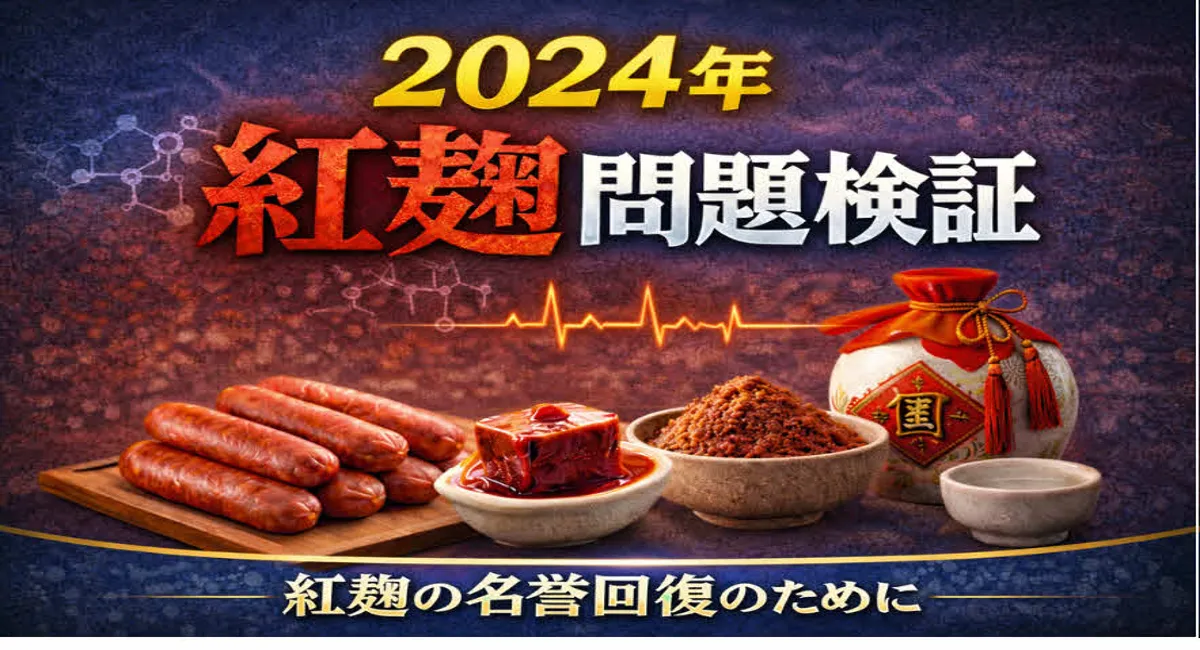
The Misunderstanding of Microbial Strains and Its Implications in the Red Koji Matter
Understanding the Red Koji Issue
Recently, the ongoing saga surrounding the use of the Red Koji strain by Kobayashi Pharmaceutical has highlighted critical misunderstandings by regulatory bodies regarding microbial strains and their variations. A response from the Osaka Health Bureau, dated July 31, has shed light on these vital misapprehensions.
1. The Confirmed Facts
The Osaka city officials have acknowledged that they failed to differentiate between specific strains of the Red Koji mold. They mentioned, in a decision made on July 3, that there are no records indicating that the strain BP-412 used by Kobayashi Pharmaceutical is a variant utilized for industry purposes. This response implies significant errors in assessing the risks associated with different microbial strains in food production.
The BP-412 strain has been genetically altered through UV treatment to produce high quantities of Monacolin K, a substance identical to the pharmaceutical agent, Lovastatin. Unlike the traditional wild strains, BP-412 demonstrates different properties. Alarmingly, officials in charge of food safety did not distinguish these differences, leading to potential misconceptions about the inherent safety of various products.
Moreover, during the identification of the causative mold related to health incidents, officials stated that the identifications were minimal, relying on a different strain for testing, which further reinforces the negligence in discerning microbial strains within the same species.
2. Why is this a Problem?
A fundamental principle in microbiology states that “the strain, not the species, determines the properties of a microorganism.” For example, while harmless E. coli resides in the intestines, the O157 strain can be lethal. Saying an E. coli bacterium is found is not sufficient to assess its risk; understanding the specific strain is crucial.
In this case involving the BP-412 strain, the authorities' response is akin to recalling all products containing E. coli due to the detection of toxins in a single variant. This could lead to unfair panic and economic damage for unrelated businesses.
Despite this being an incident involving a specific plant and manufacturing line at Kobayashi Pharmaceutical utilizing an industrial strain, the authorities did not differentiate the use of traditional wild strains. This gross oversight has led to reputational harm across unrelated businesses all grouped under the term “Red Koji.”
3. Our Demands
Kobayashi Pharmaceutical advocates for three key actions:
1. An explanation regarding how the industrial strain BP-412 was classified without considering its implications.
2. Verification of strain-level identification and production capability tests on the actual strains isolated from their former Osaka plant, with results made public.
3. Acknowledgment of the flaws in the functional food labeling system that relies on safe consumption history—this mechanism is ineffective against metabolites from industrially modified strains, demanding a review of such regulations.
In light of these issues, we urge involved agencies to provide detailed clarifications and transparency regarding microbial testing protocols. Media professionals are encouraged to verify the authenticity of administrative statements against verified documentation and scrutinize which strains were referenced and what tests were performed.
Contact Information
For further inquiries, please reach out to:
- - Kobayashi Pharmaceutical
- - CEO/Pharmacist: Masaki Mori
- - Phone: (086-483-0602)
- - Email: [email protected]
- - Website: Kobayashi Pharmaceutical
Topics Health)
【About Using Articles】
You can freely use the title and article content by linking to the page where the article is posted.
※ Images cannot be used.
【About Links】
Links are free to use.