



Groundbreaking Research Reveals Individual Differences in Blood Sugar Response to Yogurt Consumption
Groundbreaking Research on Blood Sugar and Yogurt
Introduction
A significant breakthrough in understanding how different individuals respond to the same food has emerged from a collaborative study by The Phage, Meiji, and Chiba University. This study, published in The Journal of Nutrition, has shed light on the complexities of blood sugar dynamics, particularly in relation to yogurt consumption.
Key Findings
The researchers conducted an 84-day intervention study involving 303 non-diabetic adults, analyzing the effects of a yogurt fermented with Lactobacillus delbrueckii subsp. bulgaricus and Streptococcus thermophilus. The findings were compelling; consistent consumption of this yogurt significantly improved blood sugar indicators such as average blood sugar levels, fluctuation, and smoothness of blood sugar responsiveness. Notably, these results were observed without a placebo control, indicating a strong association between yogurt intake and improved glycemic metrics.
The Role of Gut Microbiota
A fascinating aspect of this study is the highlighted role of gut microbiota prior to yogurt consumption. The research suggests that the diversity and composition of an individual’s intestinal bacteria may influence how effectively their blood sugar levels respond to the same food item. This variance in blood sugar response underscores the need for personalized dietary recommendations and preventive health strategies.
Contextual Background: Preventive Healthcare
In light of Japan’s government initiative on preventive healthcare, known as “proactive preventive healthcare,” there’s a growing emphasis on early detection and intervention regarding lifestyle-related health issues. The Phage is positioning itself at the forefront by utilizing Continuous Glucose Monitoring (CGM) technology to offer insights into daily blood sugar variations that traditional health checkups might overlook.
Research Methodology
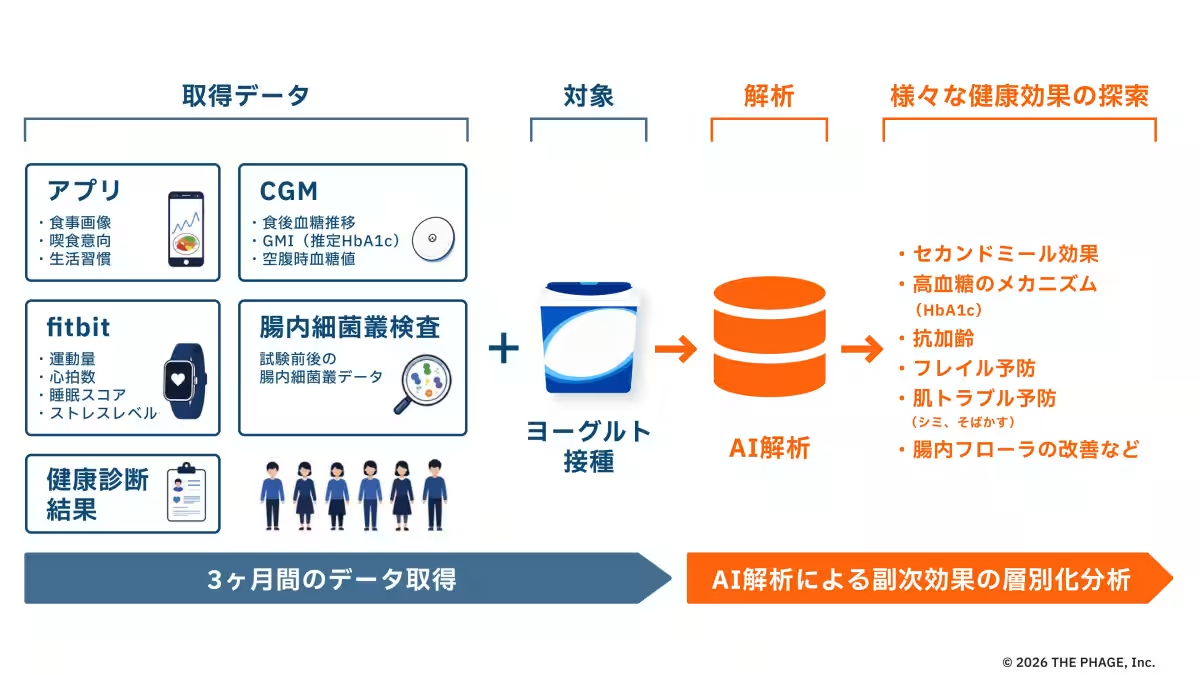
In this detailed study, the participants consumed 200 grams of yogurt daily for 84 days. During this period, researchers monitored their blood glucose levels using CGM technology, simultaneously analyzing changes in gut microbiota. The results were promising: all three blood sugar indicators significantly improved, and there was an increase in beneficial gut bacteria associated with metabolic health, such as butyrate-producing bacteria. Interestingly, individuals with higher counts of these beneficial bacteria prior to the yogurt intervention experienced more significant improvements in their blood sugar levels. On the contrary, traditional blood tests and genetic markers showed no relationship to the variations in individual responses, suggesting that gut microbiota is a key factor in these differences.
Implications for Future Research
Although this study was observational and lacks a placebo control, it lays the groundwork for further research into the relationship between diet, gut health, and glucose metabolism. The findings have been published online in The Journal of Nutrition on May 19, 2026, and will also be presented at the 69th Annual Meeting of the Japan Diabetes Society on May 22, 2026.
Future Directions
The Phage aims to expand its partnerships with food and pharmaceutical companies and research institutions. The goal is to create frameworks allowing individuals to understand their unique blood sugar variations, enabling them to make informed dietary and lifestyle adjustments. By leveraging data on this everyday health metric, The Phage hopes to contribute to the broader conversation on the future of preventive healthcare.
Conclusion
As Shohei Tokunaga, CEO of The Phage, states, the real significance of this research lies in its revelation that the efficacy of foods deemed “healthy” can vary significantly between individuals. This pioneering study, utilizing CGM and microbiota data, aims to visualize and understand these differences. The collaborative effort with Meiji and Chiba University marks a substantial step forward in tailoring prevention strategies that resonate with individual needs.
Contact Information
For inquiries regarding this research, please contact The Phage’s public relations team via email at [email protected].


Topics Health)



【About Using Articles】
You can freely use the title and article content by linking to the page where the article is posted.
※ Images cannot be used.
【About Links】
Links are free to use.