



Innovative Home Nursing Solutions in Remote Iki Island Amidst Healthcare Shortages
Understanding the Challenges of Healthcare in Iki Island
May 12th marks International Nurses Day, a moment to acknowledge the contributions of nursing services worldwide. In the remote region of Iki Island, Nagasaki, Japan, this day holds particular significance as local healthcare providers tackle a confluence of challenges including a dwindling population, a shortage of healthcare professionals, and limited resources. Despite such constraints, the role of home nursing services is increasingly pivotal, allowing residents to remain in their familiar surroundings while receiving the necessary medical care.
The Struggles of Rural Healthcare
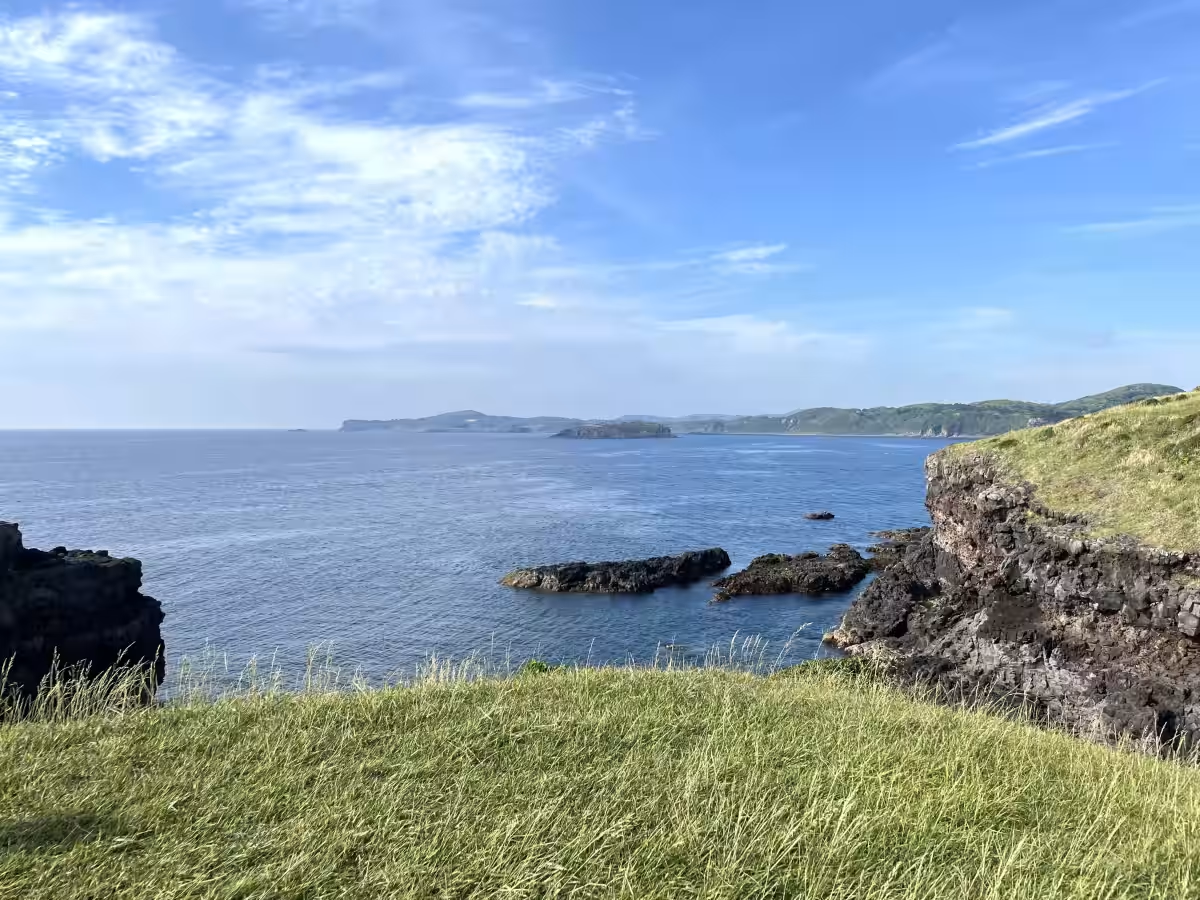
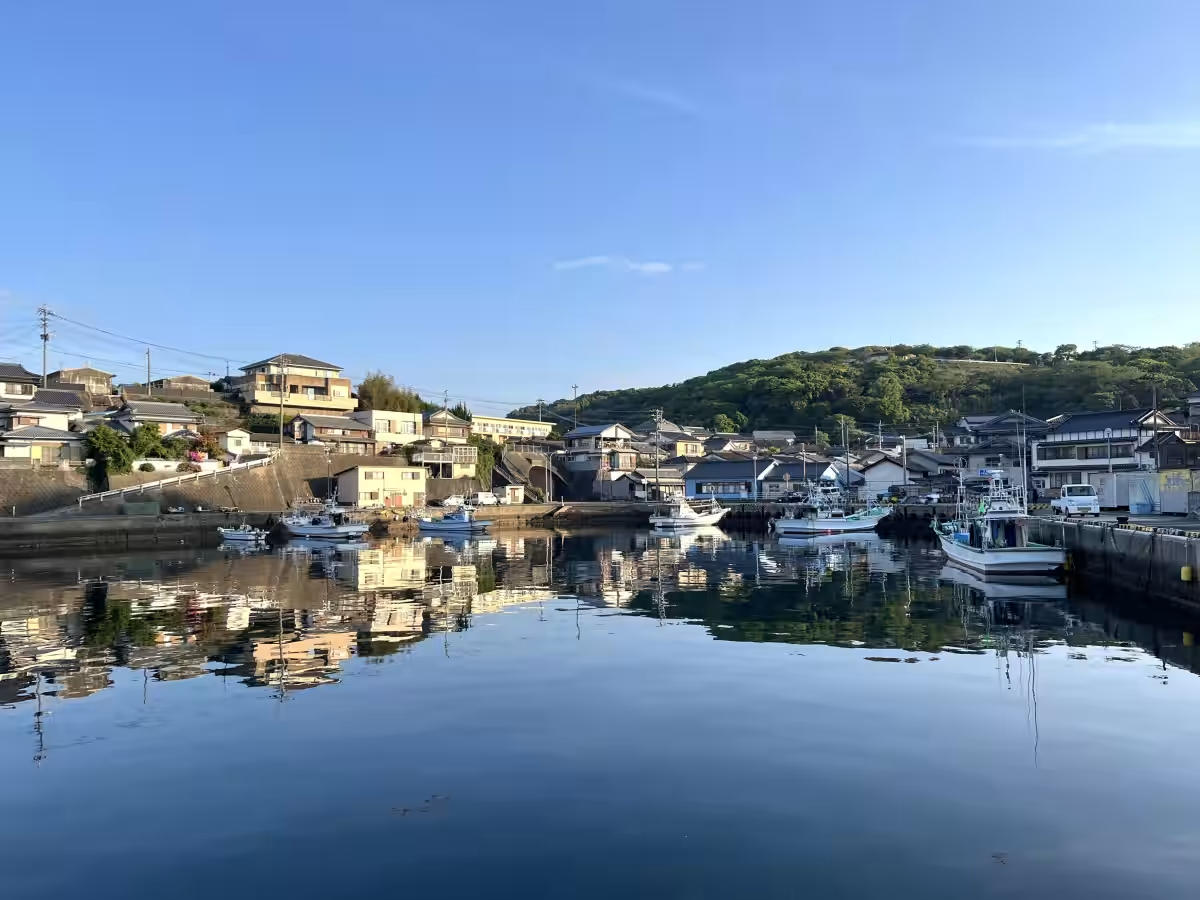
Situated between the Korean Peninsula and Kyushu, Iki Island, often referred to as the 'Island of Gods', is surrounded by stunning sea views and lush nature. However, it is facing a serious demographic decline; the population has halved over the last 50 years, now counting only 22,979 people, with 39.3% being aged 65 or older (as of March 2026). The emigration of younger generations has left a critical gap in community support, influencing healthcare service availability.
Large-scale home nursing providers are hesitant to operate in remote areas like Iki due to nurse shortages, compelling local stakeholders to devise innovative solutions within limited resource constraints.
Case Study: Providing Respite and Support for Medically Fragile Children
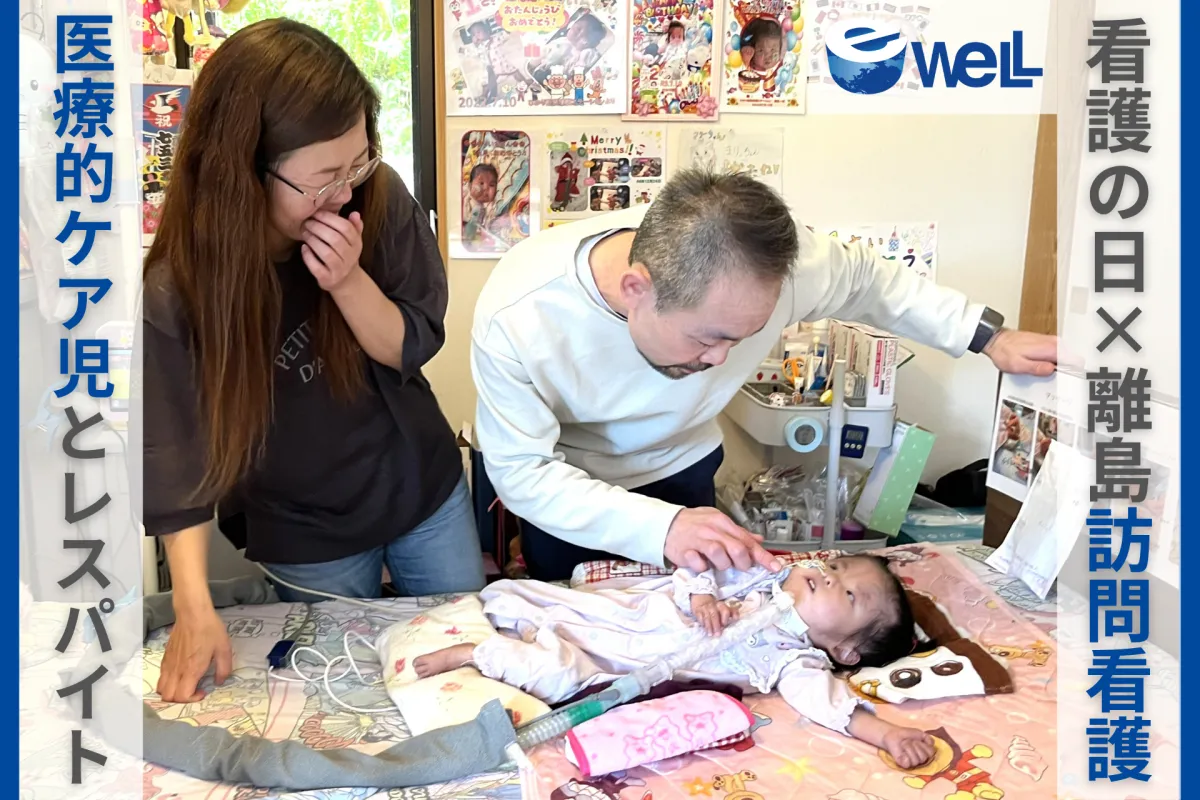
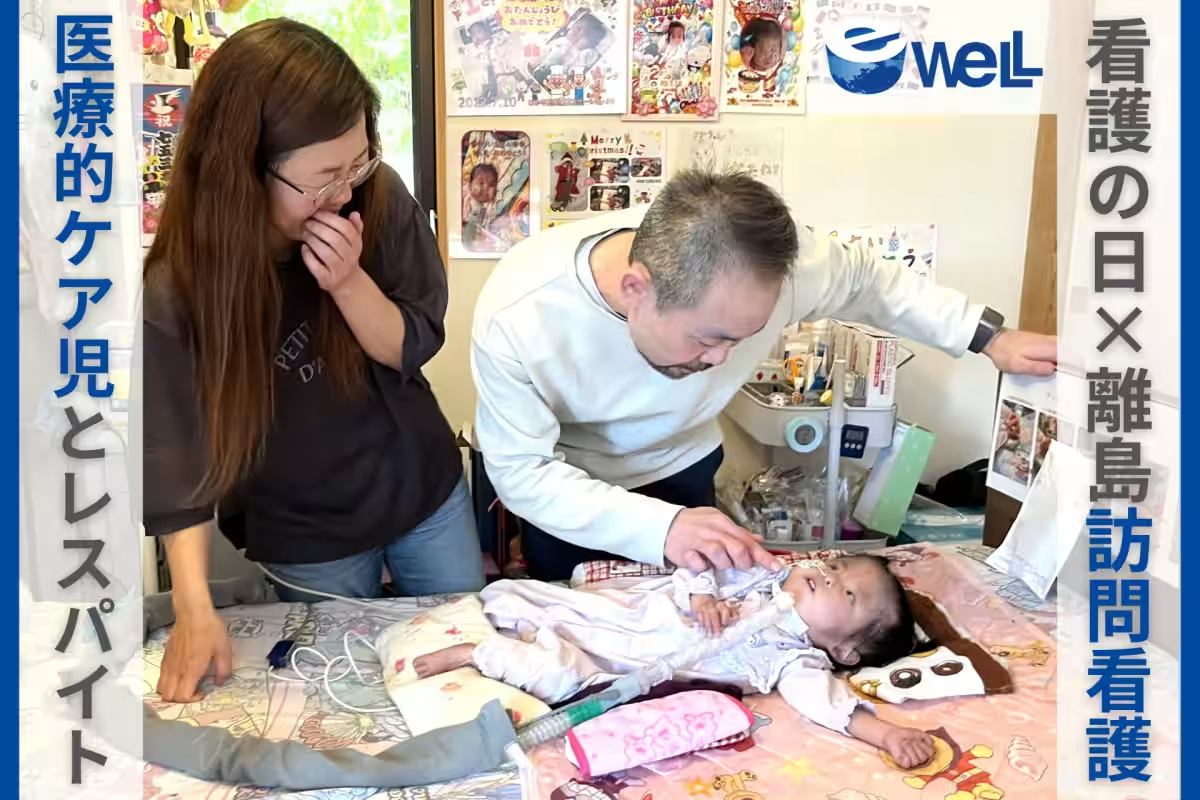
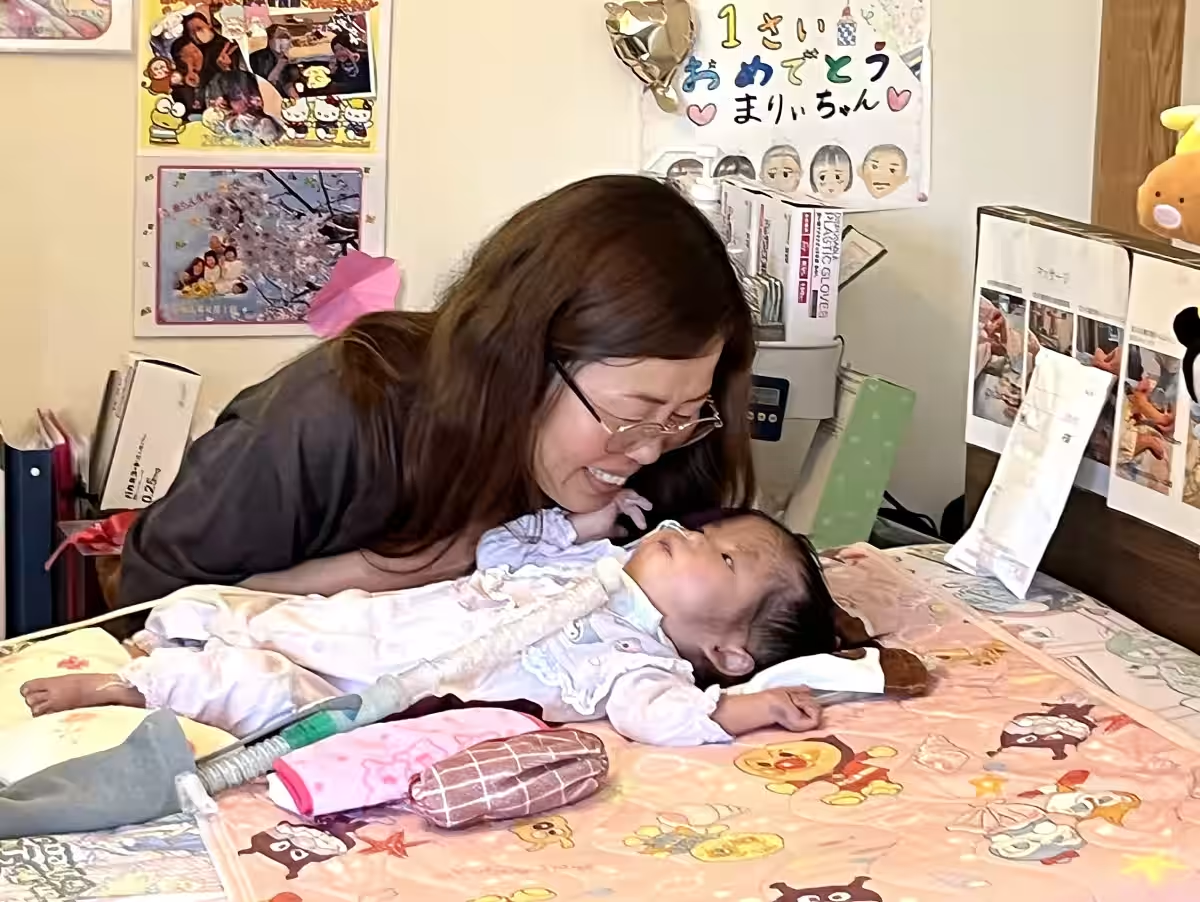
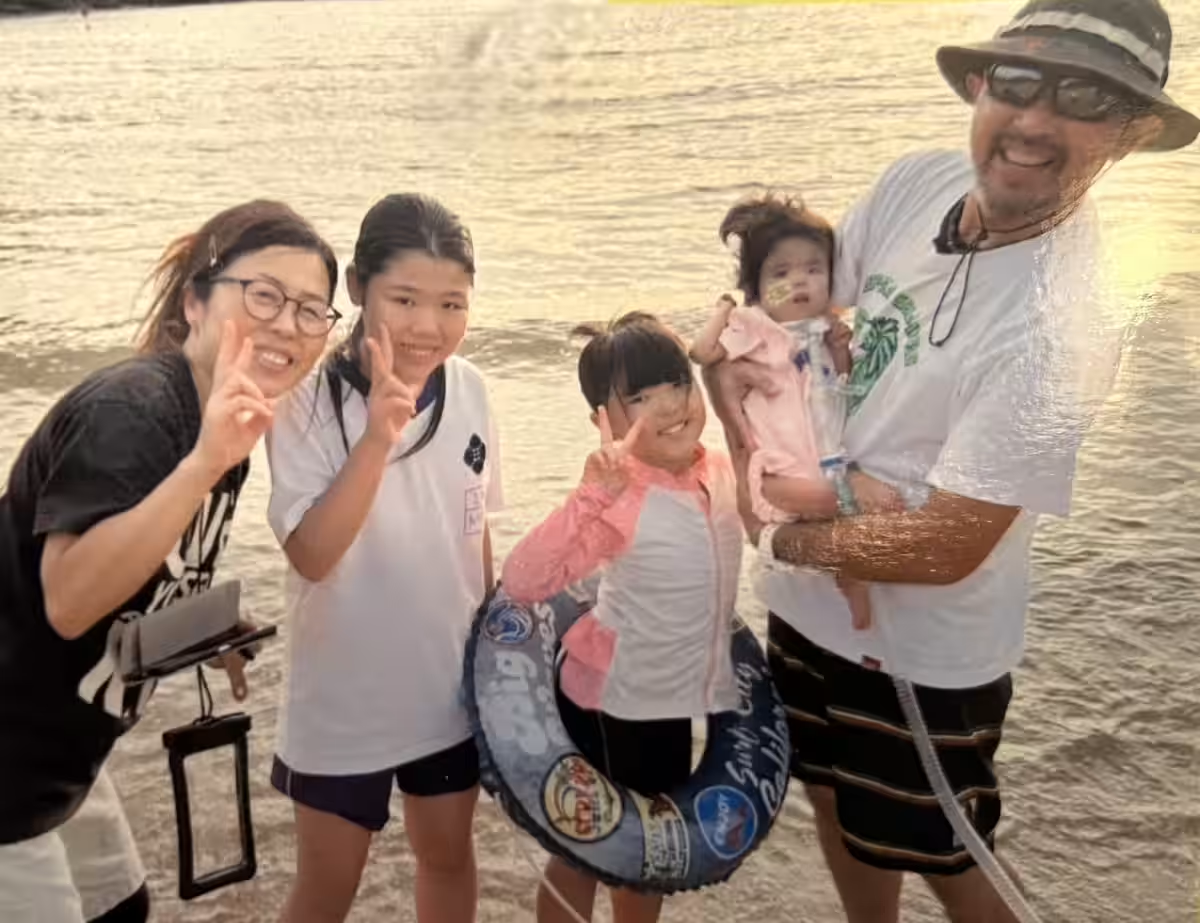
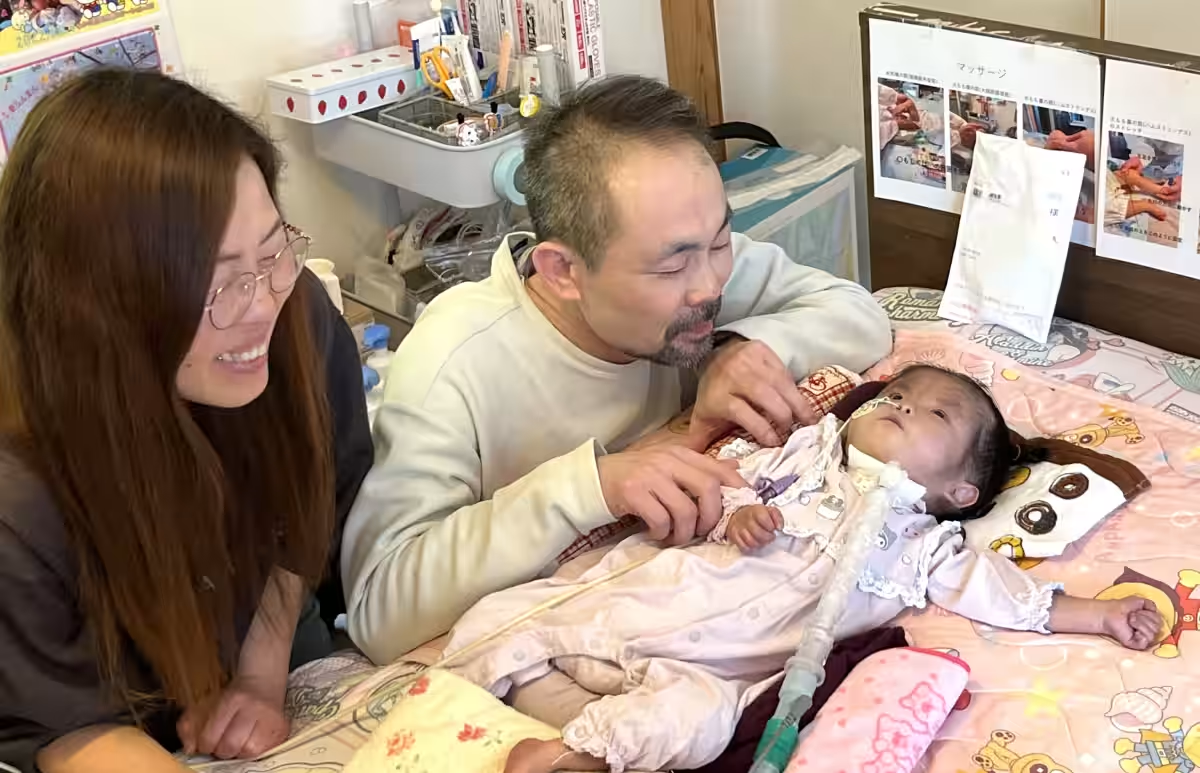
During a recent interview with Satoko Osamura, the mother of 4-year-old Marii, who needs specialized medical care due to severe health conditions, it became clear just how vital support is for families like hers. Marii, diagnosed with Trisomy 18, requires 24/7 medical care, which has been a significant challenge for her family. The limited experience of local healthcare professionals can hinder prompt response times during emergencies.
Satoko recalls her struggles when Marii was hospitalized. The lack of available nurses at night meant that she often had to stay by her daughter’s side, draining her physically and mentally. Since Marii’s discharge back home, the family has been relying on the local home nursing station, but continued inadequate staffing has led to high levels of stress for the family.
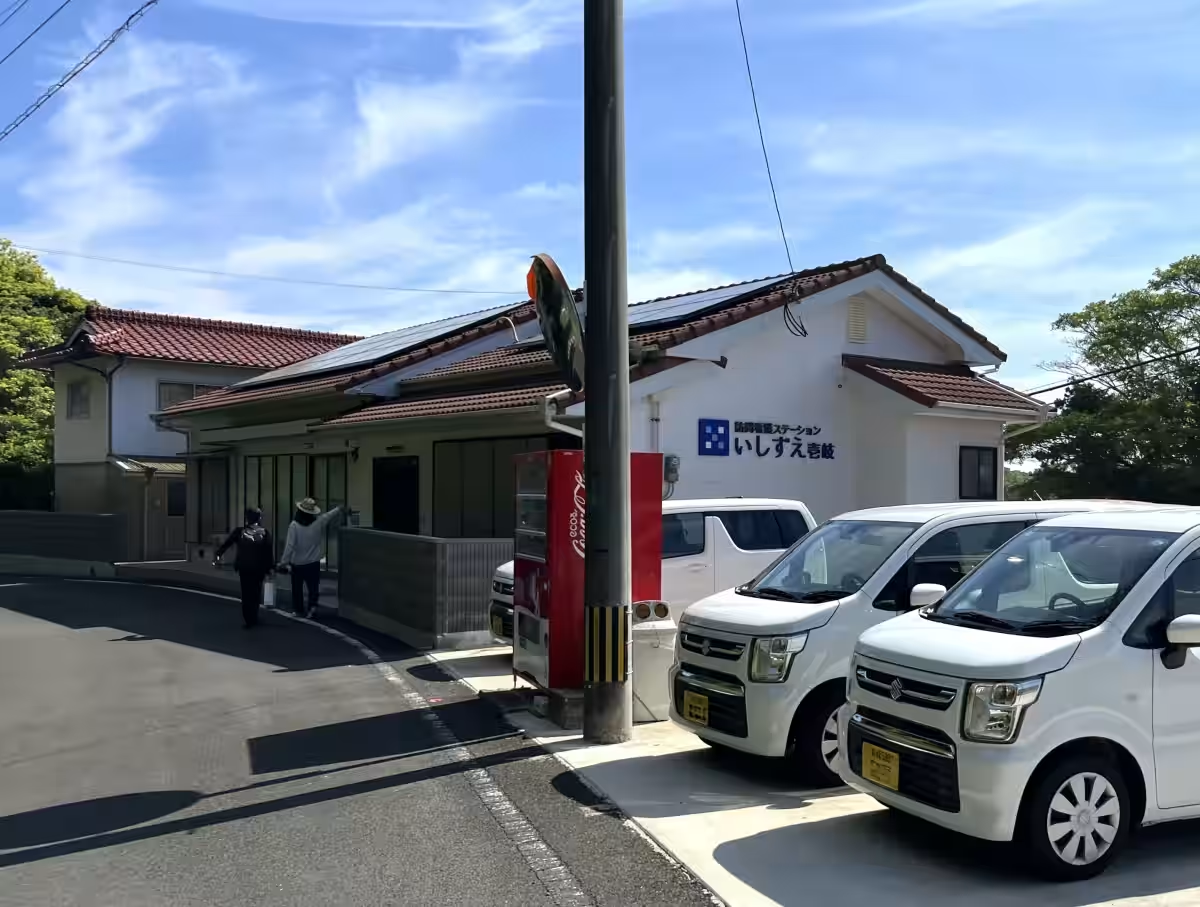
After reaching out to the newly opened 'Ishiue Iki Nursing Station', they now benefit from nursing visits five times a week. This station does not only coordinate care but also ensures families are not entirely reliant on a single service, diversifying the support system.
The Importance of Respite Care
Respite care is critical in easing the burden on caregivers, yet Iki Island has historically lacked facilities to provide such services. The 'Ishiue Iki Nursing Station' has utilized local government support to create tailor-made respite solutions for families, ensuring ease of access to necessary care resources, which corresponds to the city’s medical respite support initiatives. This aids families in taking required breaks while maintaining care quality for their children.
For many caregivers, the fear of sudden health complications arises when outside any support systems. Having a responsive nursing service such as that provided by Ishiue has significantly alleviated these concerns. Satoko describes the staff as extended family, indicating their essential role in her daughter’s care.
Bridging Gaps in Understanding Home Nursing Value
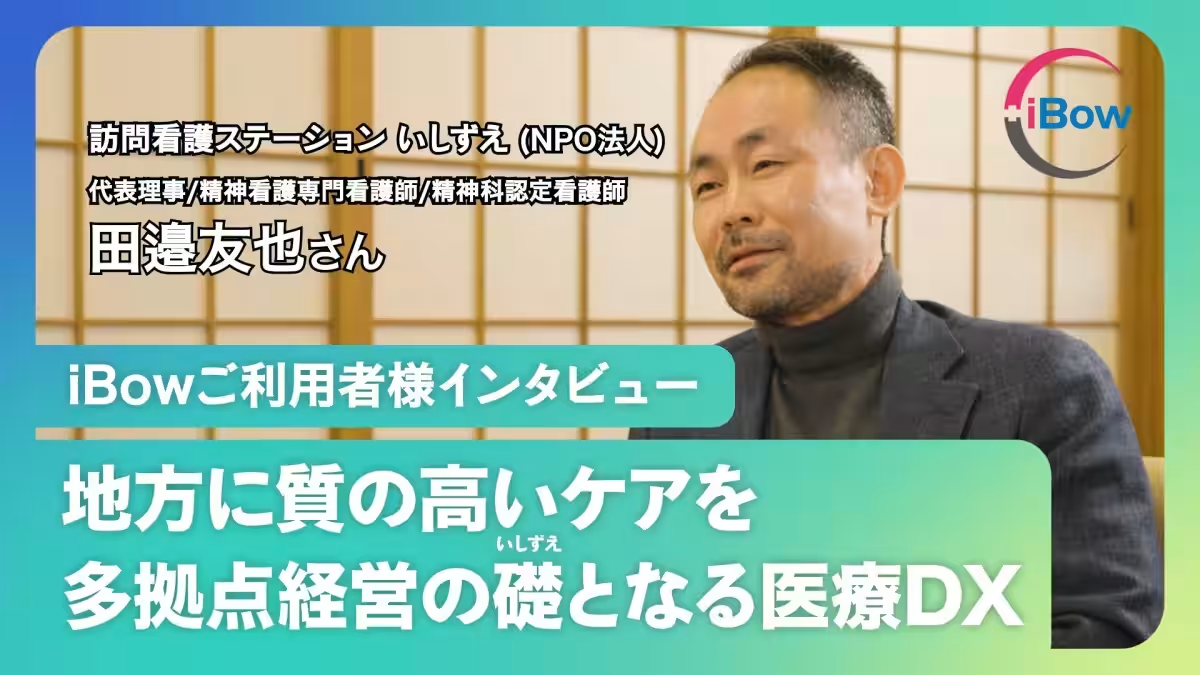
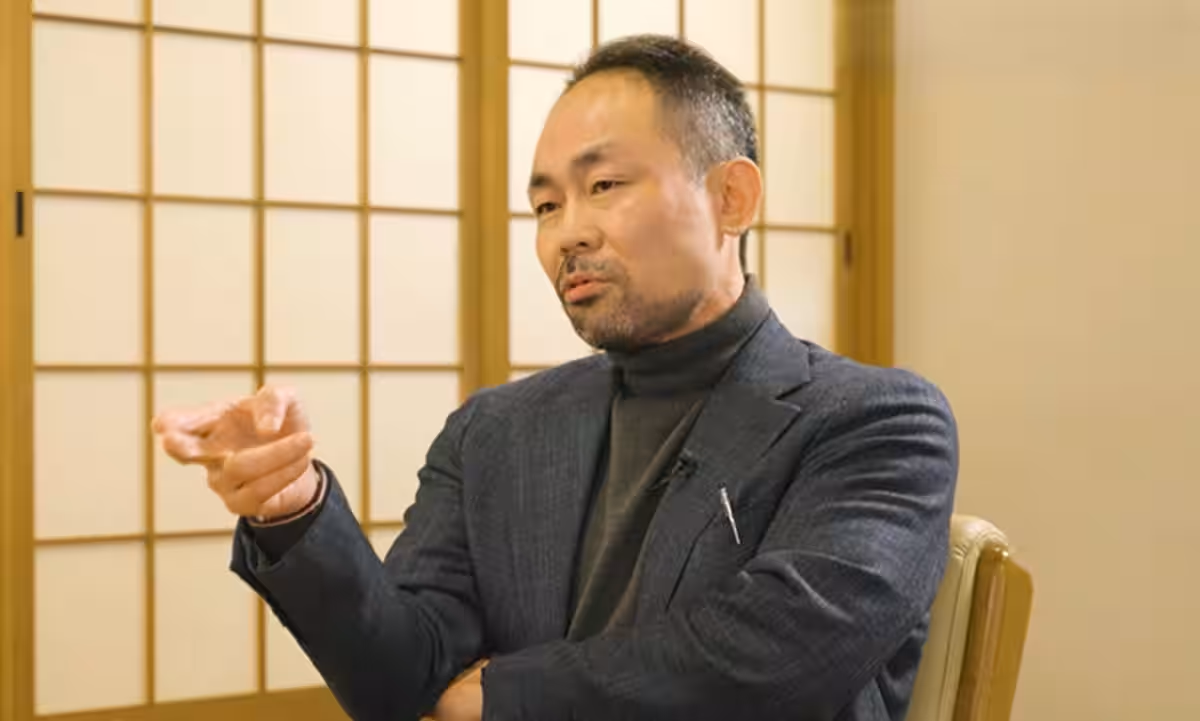
According to Tomoya Tanabe, the executive director of the non-profit organization operating Ishiue, the value of home nursing remains inadequately recognized in rural areas. Many caregivers assume hospitalization or facilities offshore are the only options available, often delaying necessary intervention and exacerbating issues. Initiatives that promote the understanding of home nursing roles can facilitate earlier discussions and ultimately improve outcomes for families.
Leveraging Technology for Effective Care
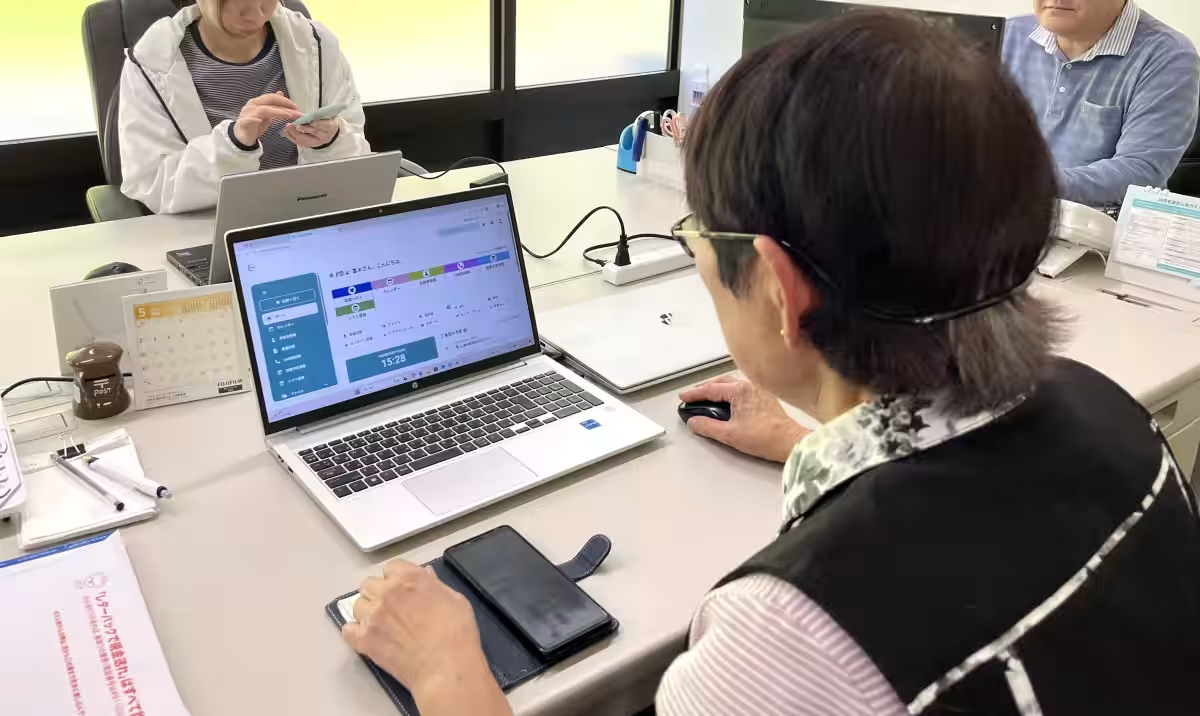
Essential to the operations of Ishiue is iBow, their dedicated electronic health record system, facilitating seamless communication among staff and enabling fast sharing of critical patient information. This ensures that even with a limited number of nurses, quality care is uninterrupted and responsive, bolstering the continuum of care for fragile families in this unique community.
As we observe International Nurses Day, we recognize the invaluable contributions of nurses in all communities, especially in places like Iki Island. Their dedication can potentially shape future healthcare landscapes, emphasizing the need for awareness, support, and innovation in home nursing capabilities to preserve quality of life for medically fragile residents and their caregivers.



Topics Health)



【About Using Articles】
You can freely use the title and article content by linking to the page where the article is posted.
※ Images cannot be used.
【About Links】
Links are free to use.