



Awareness on Jellyfish Stings: Most Misguided First Aid Practices Revealed
Understanding the Risks of Jellyfish Stings
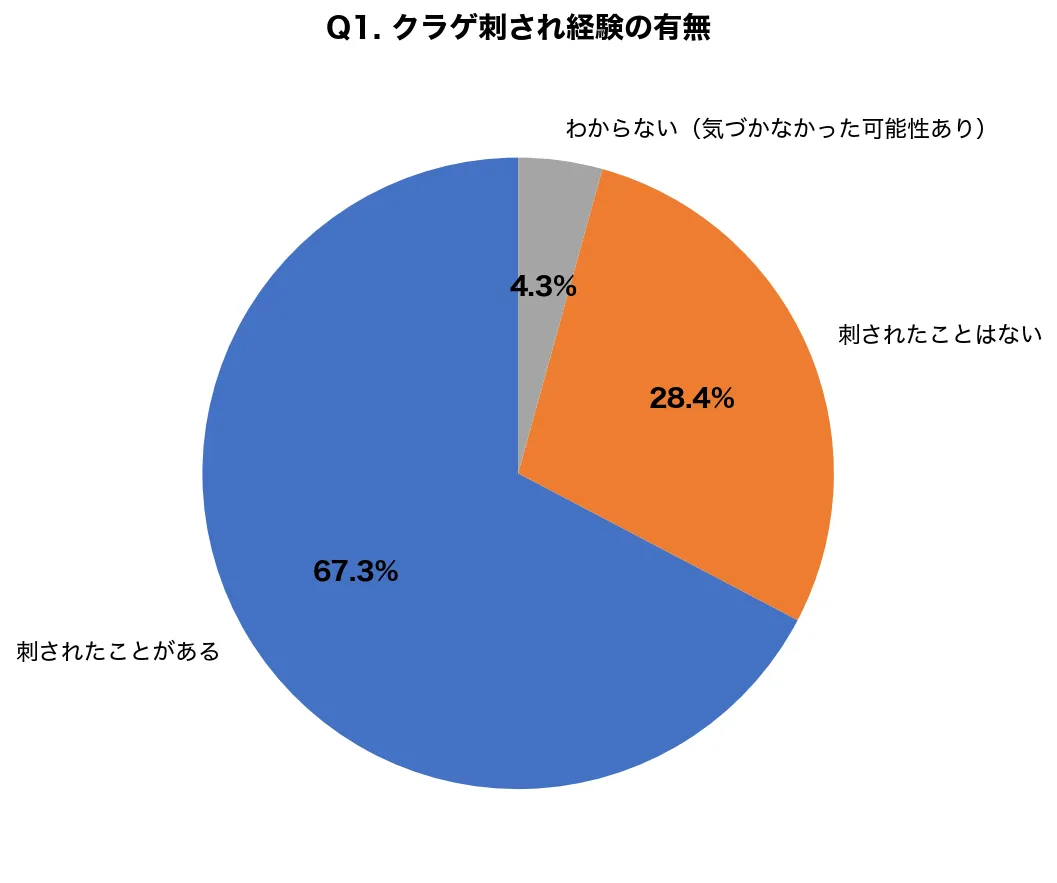
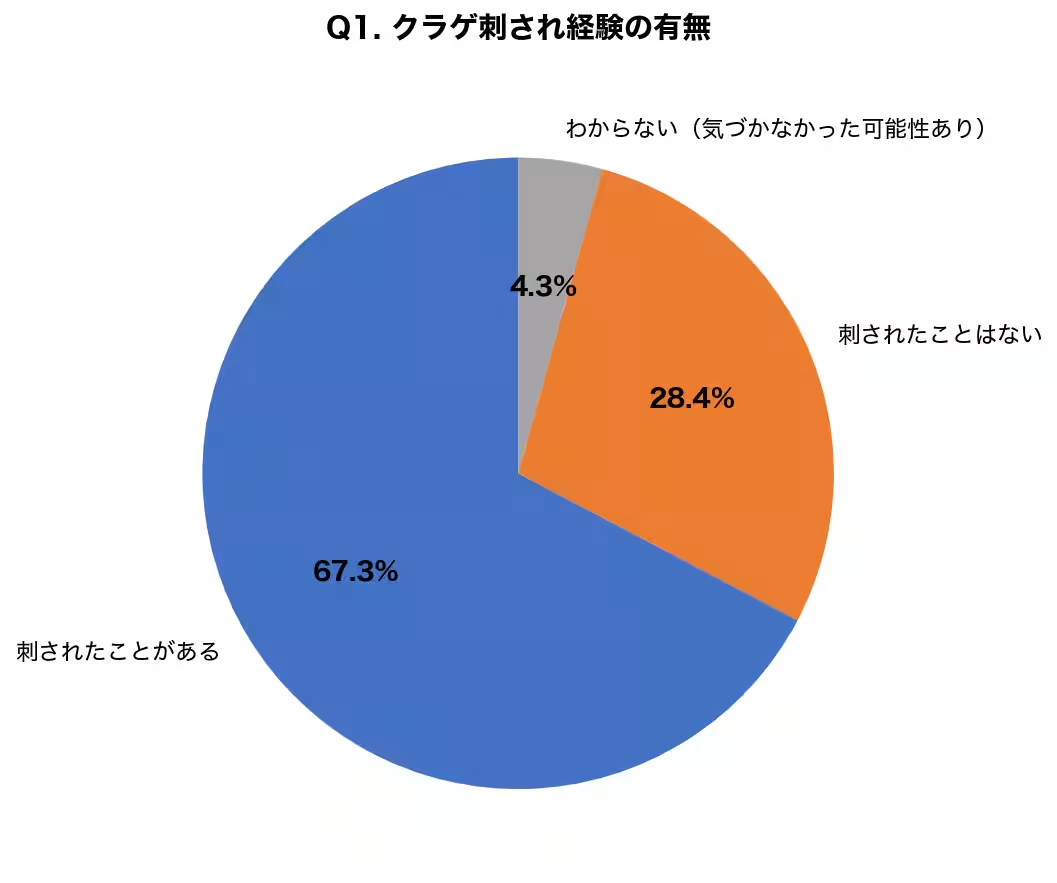
As summer approaches and the beach becomes a popular destination for relaxation, it is crucial to address the dangers that come with it, particularly jellyfish stings. Recent statistics reveal that 67.3% of beachgoers have faced a jellyfish sting at some point, and shockingly, over 80% utilized incorrect first-aid measures when it happened.
The Importance of Correct First Aid
When stung, the first response can significantly affect the severity of the reaction. The correct procedure is to wash the affected area with seawater and remove any remaining tentacles using tweezers. Most notably, rinsing with freshwater, scrubbing the area, or applying vinegar can exacerbate the symptoms, potentially leading to severe pain and complications. Dr. Kōta Takakuwa, a dermatologist with over 15 years of experience, emphasizes the importance of educating the public on proper responses.
Common Missteps in First Aid
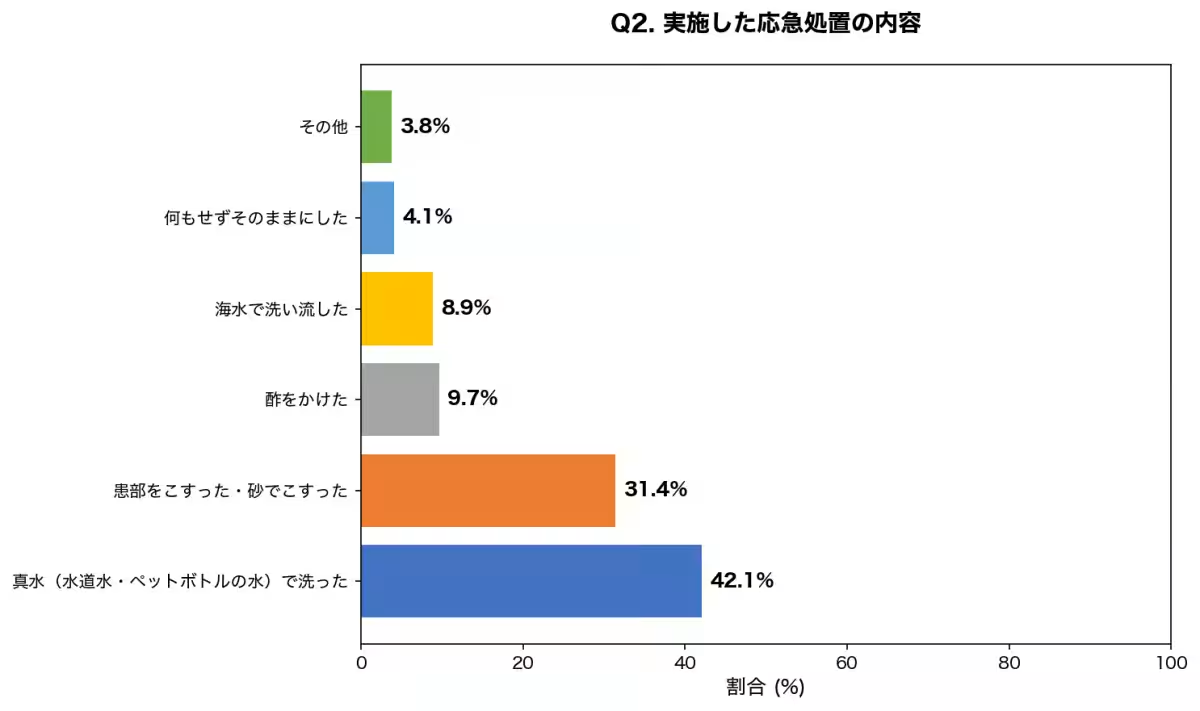
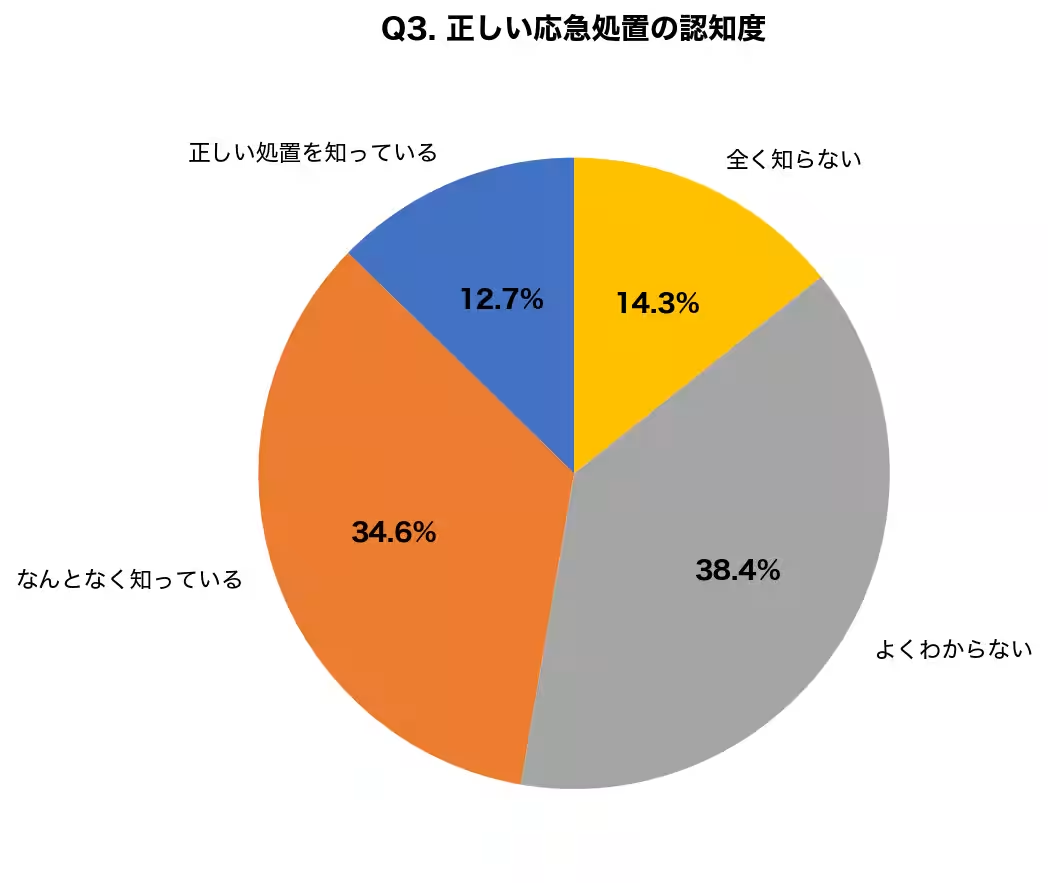
A sheer 42.1% of individuals rinsed their sting with fresh water—the most frequent incorrect action—believing it would alleviate the pain, while 31.4% attempted to scrub the area. Yet, fresh water causes undischarged nematocysts to fire, worsening the symptoms. Alarmingly, only 12.7% knew the correct initial treatment.
Jellyfish Stings: A Closer Look
What Happens When Stung?
Jellyfish stings occur when the tentacles make contact with skin, injecting venom through nematocysts, specialized cells that release toxic barbs. The venom can cause intense pain, swelling, and redness—serious cases may even lead to anaphylactic shock, especially from potent species such as the Portuguese man o' war or moon jellyfish.
Identifying and Reacting
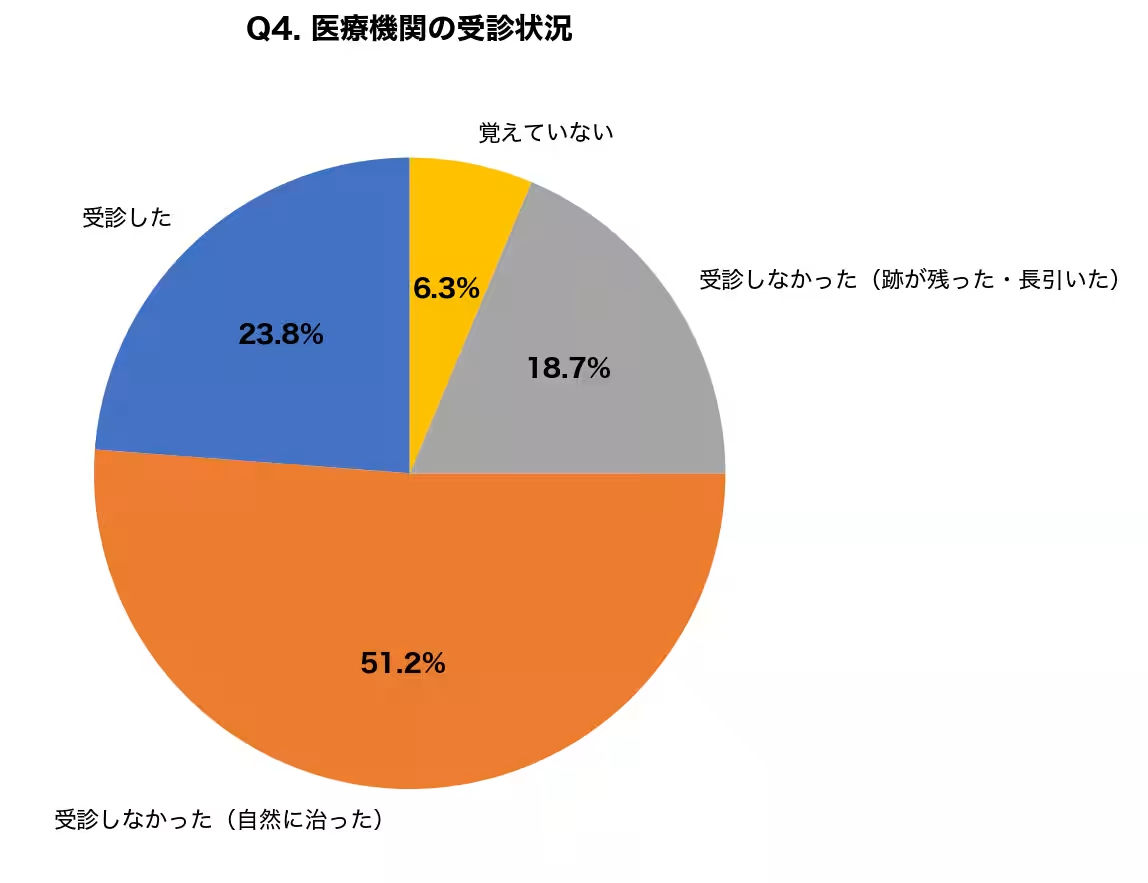
In June 2023, a study conducted by the Icy Clinic interviewed 300 individuals in Japan who frequently swim at the beach. Results showed that almost 70% had experienced a jellyfish sting, underscoring the necessity for widespread knowledge of effective first aid and the risks of mismanagement.
Expanding Knowledge to Prevent Mistakes
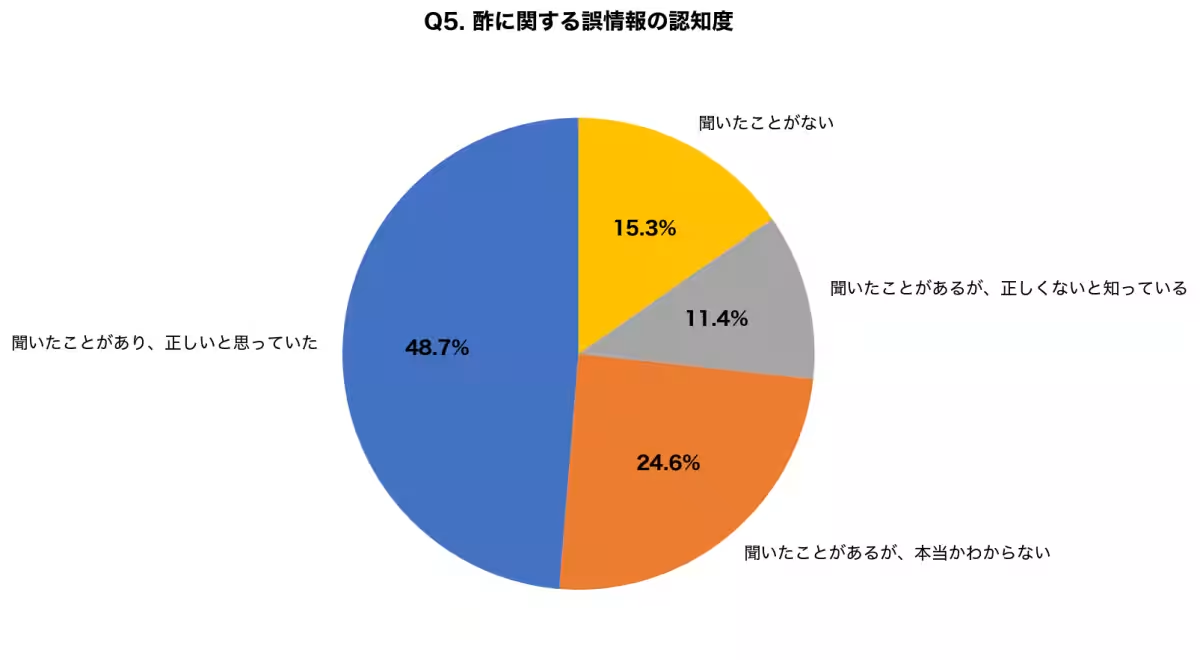
With increasing misinformation circulating online about jellyfish stings and their treatment, clarity is needed. A staggering 84.7% of participants had heard that vinegar works on stings; however, many mistakenly think this applies universally. In fact, using vinegar can aggravate the sting caused by species like the Portuguese man o' war.
Proper First Aid Steps
The certified first aid steps are simple but vital:
1. Rinse with seawater to wash away some of the venom and suppress further discharge.
2. Remove any tentacles with tweezers carefully—do not use fingers.
3. Cool the area with ice packs to reduce pain and swelling.
4. If available, apply antihistamines or steroid creams to assist recovery.
Behaviors to Avoid
- - Do not rinse with freshwater;
- - Avoid scrubbing the affected area;
- - Stay clear of vinegar unless you’re certain about the jellyfish species;
- - Never use urine; it does not help and may pose infection risks.
When to Seek Medical Attention
All beachgoers should be vigilant about whether symptoms persist or worsen. Critical indicators for immediate medical help include:
- - Difficulty breathing, palpitations, or dizziness;
- - Any signs of severe allergic reactions;
- - Pain and swelling that do not improve over hours;
- - Symptoms lingering for days or blistering on the skin.
Conclusion
As the beach becomes increasingly crowded in the summer months, ensuring that the public is informed about the right actions to take in case of a jellyfish sting is imperative. The stark contrast between how many have faced a sting and how few know proper responses highlights a gap that needs urgent attention.
Dr. Takakuwa reassures us, "Education can drastically change outcomes for those affected by jellyfish stings; our goal is to minimize the impact of these encounters.** Good practices can prevent complications and promote quicker recovery."
As we enjoy the sun and surf, let’s prioritize education and awareness to safeguard our beach outings this summer!
Topics Health)
【About Using Articles】
You can freely use the title and article content by linking to the page where the article is posted.
※ Images cannot be used.
【About Links】
Links are free to use.