




Survey Highlights Family Hurdles for Outings with Care-Dependent Loved Ones
Care-Dependent Family Outings Survey Reveals Stark Reality
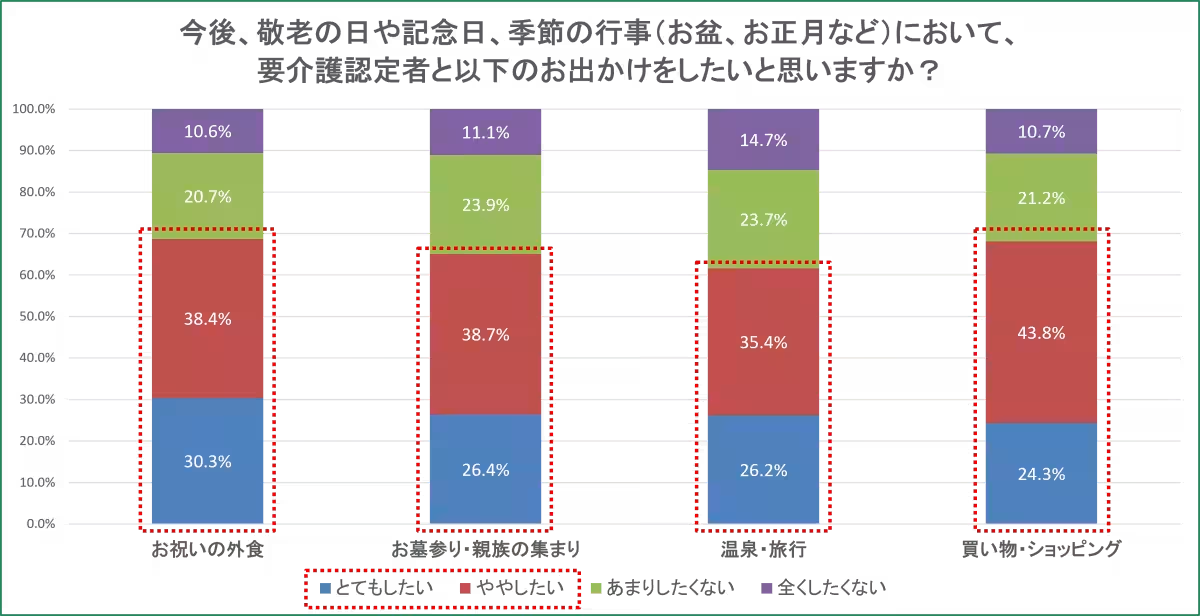
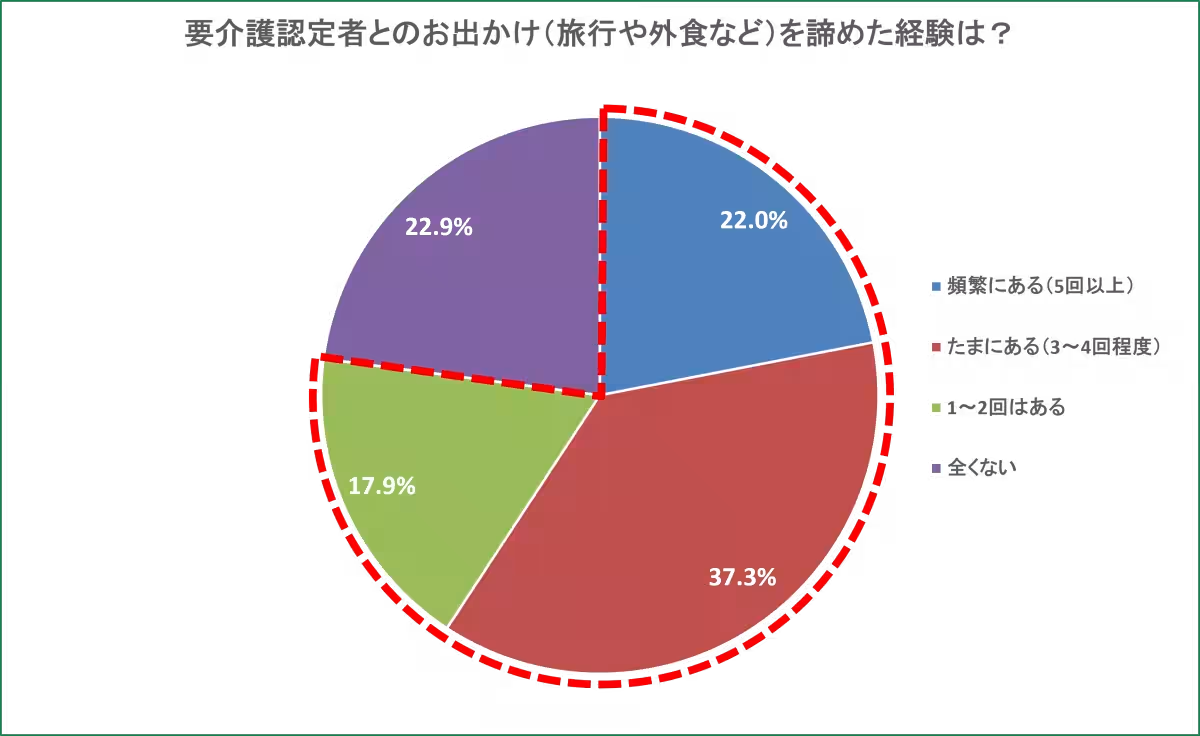
In a recent study conducted by IT FORCE Co., Ltd., over 60% of family members with care-dependent individuals expressed a wish to take them out for special occasions. However, an alarming 77.1% reported having to give up outings in the past year, revealing a disheartening disparity between intentions and reality. This survey involved 1,000 relatives of individuals recognized as requiring care, and highlights the pressing issues surrounding mobility and accessibility for those with special needs.
Key Findings from the Survey
1. The Gap Between Desire and Reality
The survey illustrates a striking contrast, where more than 60% of families want to take their care-dependent members out for events or celebrations, yet nearly 80% stated they had to forego these outings. The reasons behind this include:
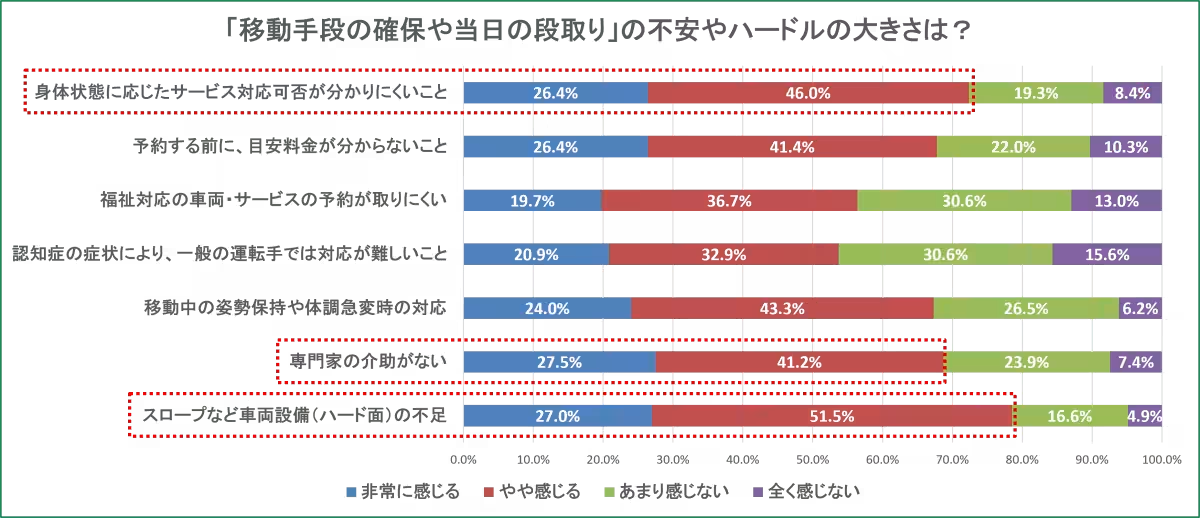
- - Lack of appropriate vehicles or necessary equipment (78.5%)
- - Ambiguity regarding service suitability for different physical conditions (71.4%)
- - Unclear pricing information (67.8%)
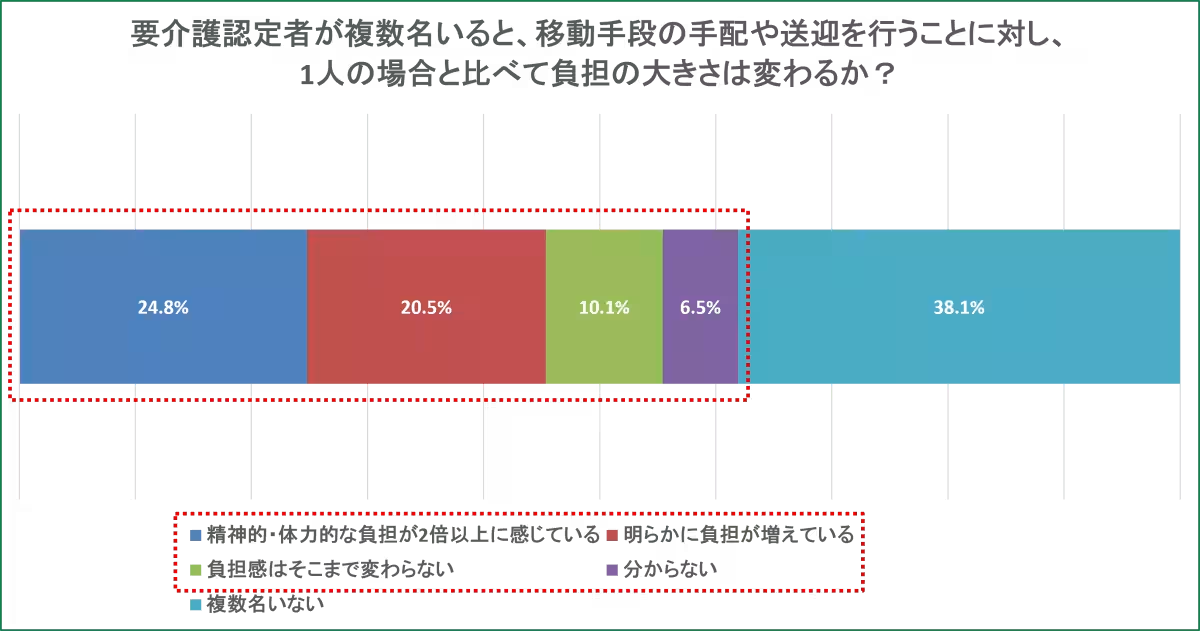
Moreover, families with more than one care-dependent member expressed consistent concerns, with over 55% reporting increased burdens due to mobility issues.
2. Wheelchair Users and the Challenges of Booking
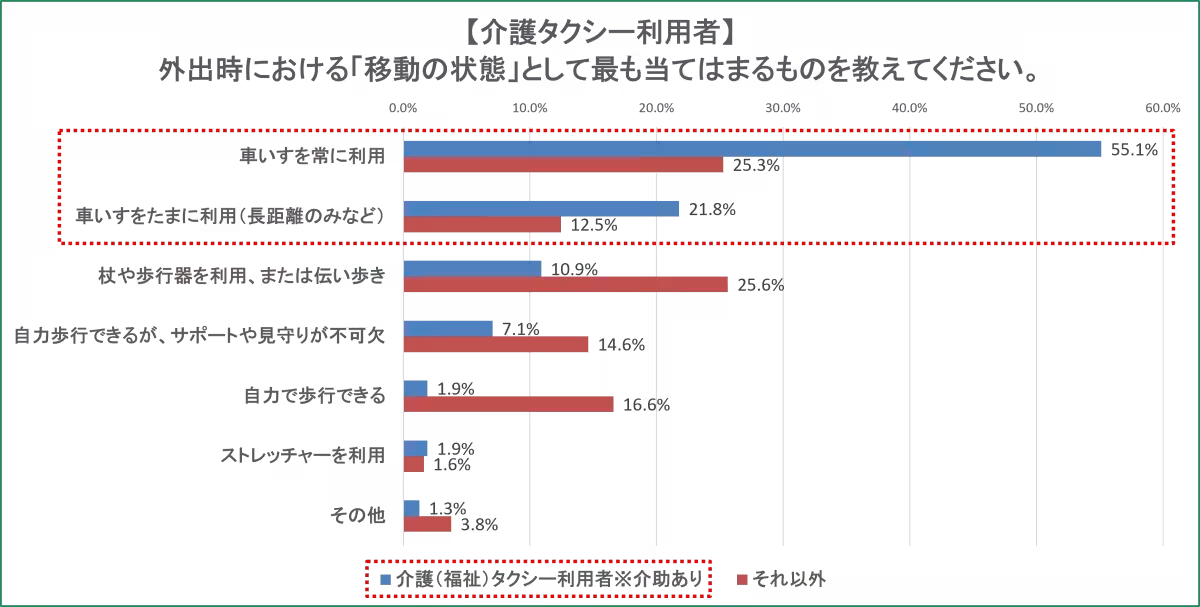
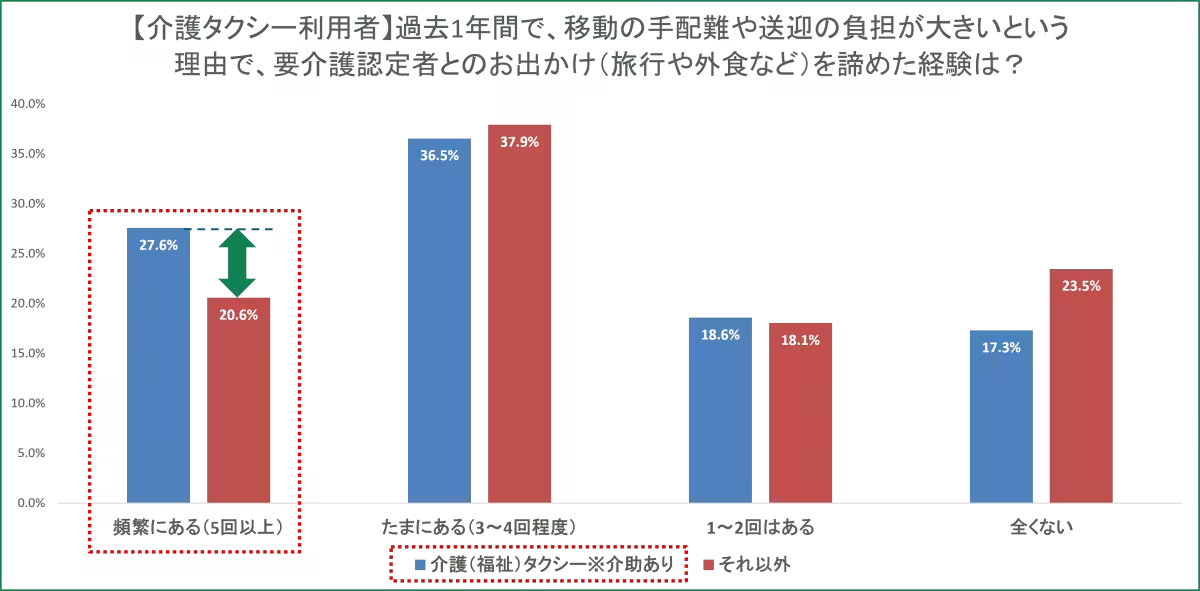
The survey found that approximately 80% of care taxi users are wheelchair-bound, with half of these users categorized with varying degrees of dependency (levels 3 to 5). Many cited difficulties in booking specialized transport, with 66% noting the challenges in securing welfare vehicles and 75.6% unsure about pricing details. Additionally, the frequency of giving up outings was notably higher among this demographic, with 27.6% noting they had to abandon plans more than five times in the past year.
3. Demand for Transparency and Digital Solutions in Mobility Services
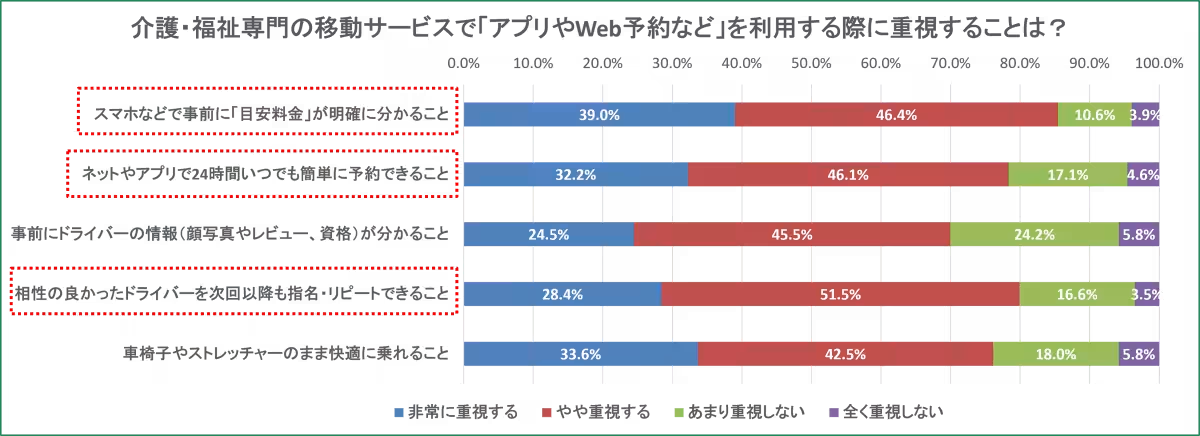
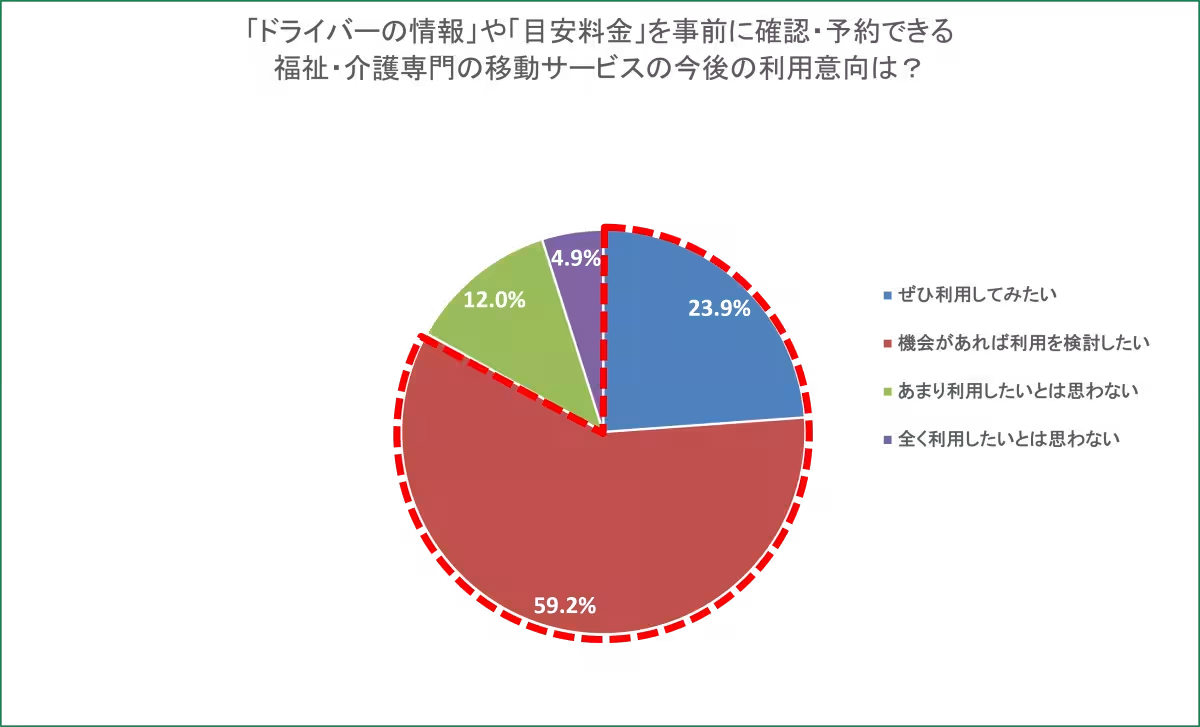
Respondents highlighted a strong desire for clear pricing and the possibility of digital reservations. An impressive 85.4% prioritized upfront cost estimates, while 79.9% preferred the option to request favorite drivers. This suggests a significant market opportunity for services that offer straightforward information and digital booking features.
Anecdotal Evidence
Comments from survey participants underline the personal aspects of these challenges. One caregiver shared, "The personality and skills of the driver are crucial; they help my mother, who has dementia, feel safe during rides." Another noted the convenience of using care taxis when a wheelchair is involved, emphasizing the physical ease it provides. However, issues such as difficulty in making bookings also emerged, pointing to the urgent need for improvement in the sector.
Expert Commentary
Professor Yasuhiro Yuuki from Shukutoku University provided insight into these findings, suggesting that as public care insurance becomes increasingly limited, the demand for private mobility solutions for recreational activities may surge. With about 7 million elderly individuals age 65 and over potentially requiring such services, there's a striking market opportunity on the horizon. However, addressing the looming driver shortages will be vital for the sustainable growth of the care taxi industry. Harnessing digital technology to support the needs of caretakers aged 50-60 could be pivotal in transforming business models in the coming years.
Conclusion
This survey sheds light on the stark realities families face when attempting to provide meaningful experiences for their care-dependent relatives. It emphasizes the urgent need for enhanced mobility services that promote transparency and ease of access. The findings not only spark a necessary dialogue around these issues but also hint at potential avenues for innovation within the industry, particularly through solutions like the Yobuzo app, designed to facilitate easier access to care taxis for those in need. For further details, the complete survey data is available in a downloadable report, providing a more extensive overview of the challenges and opportunities in the mobility sector for care-dependent individuals.
Related Links


Topics Health)









【About Using Articles】
You can freely use the title and article content by linking to the page where the article is posted.
※ Images cannot be used.
【About Links】
Links are free to use.