




The Launch of Re-Creation: A Cross-Industry Certification for Fashion Sustainability
The Launch of Re-Creation: A Cross-Industry Certification for Fashion Sustainability
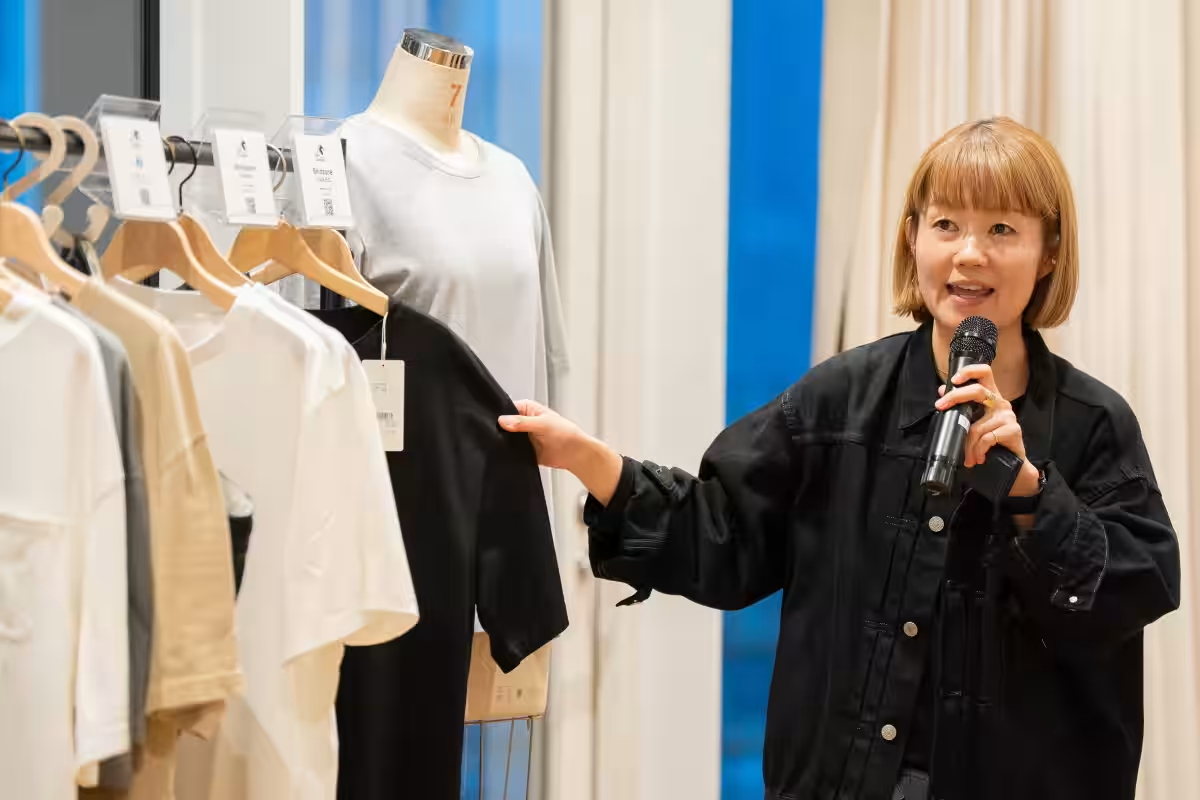
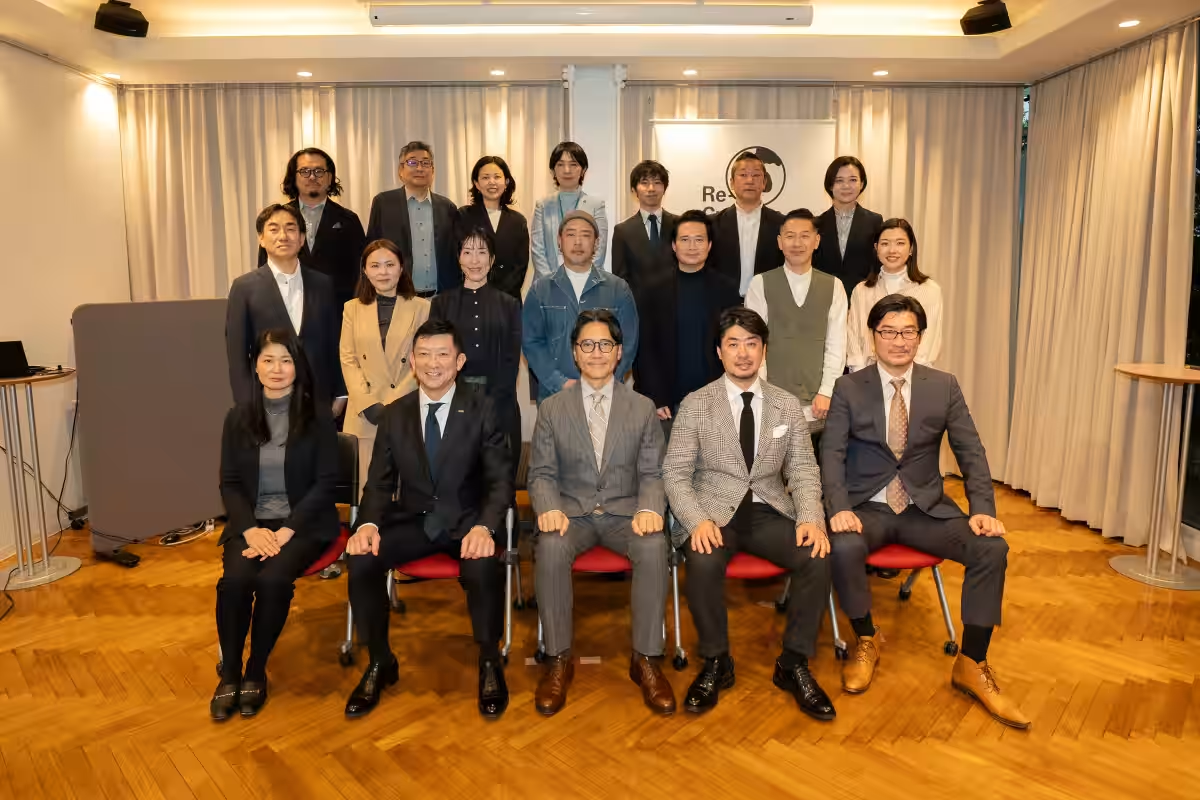
On February 16, 2026, at the World Aoyama Headquarters, the general incorporated association Re-Creation officially launched its third-party certification system designed to enhance transparency regarding sustainability and supply chain practices in the fashion industry. The event attracted attendees from various sectors, including apparel companies, material manufacturers, and retail businesses, alongside representatives from Mizuho Bank, the Ministry of the Environment, and international certification organizations.
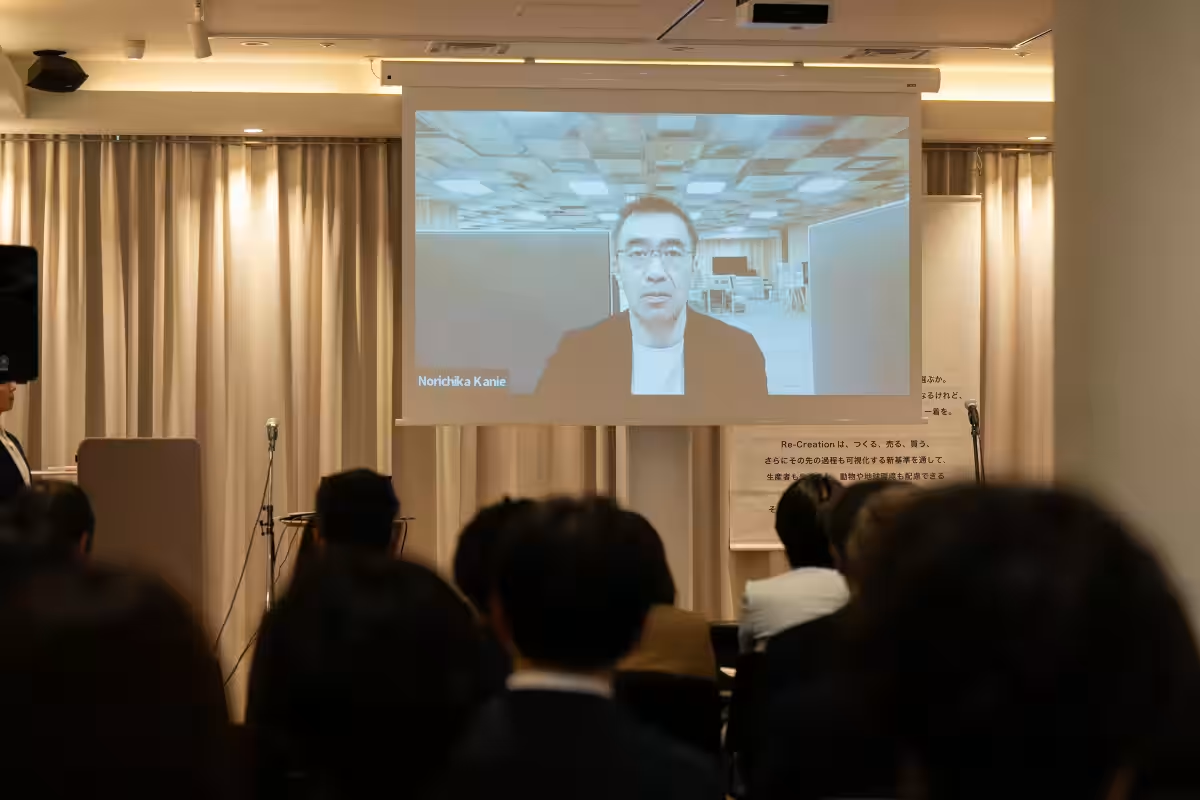
Re-Creation, based in Minato-ku, Tokyo, aims to create a common language focused on sustainability. The organization’s president, Takaaki Komatani, emphasized the importance of delivering accurate certification information to consumers, stating, “We are designing Re-Creation to ensure that each product's certification swiftly reaches consumers.” A video message from Kentaro Kaneda, Chief Sustainability Officer and Professor at Keio University Graduate School of Media and Governance, echoed this sentiment, highlighting the potential of this initiative to fundamentally change the industry and foster a more sustainable future.
In this launch event, several significant developments were announced, including the expansion of companies applying for certification and the introduction of a new system aimed at raw materials and sourcing practices. The symposium also uncovered the findings from a survey targeting younger generations, which explored various evaluation criteria that impact the entire supply chain.
Ambitions and Vision
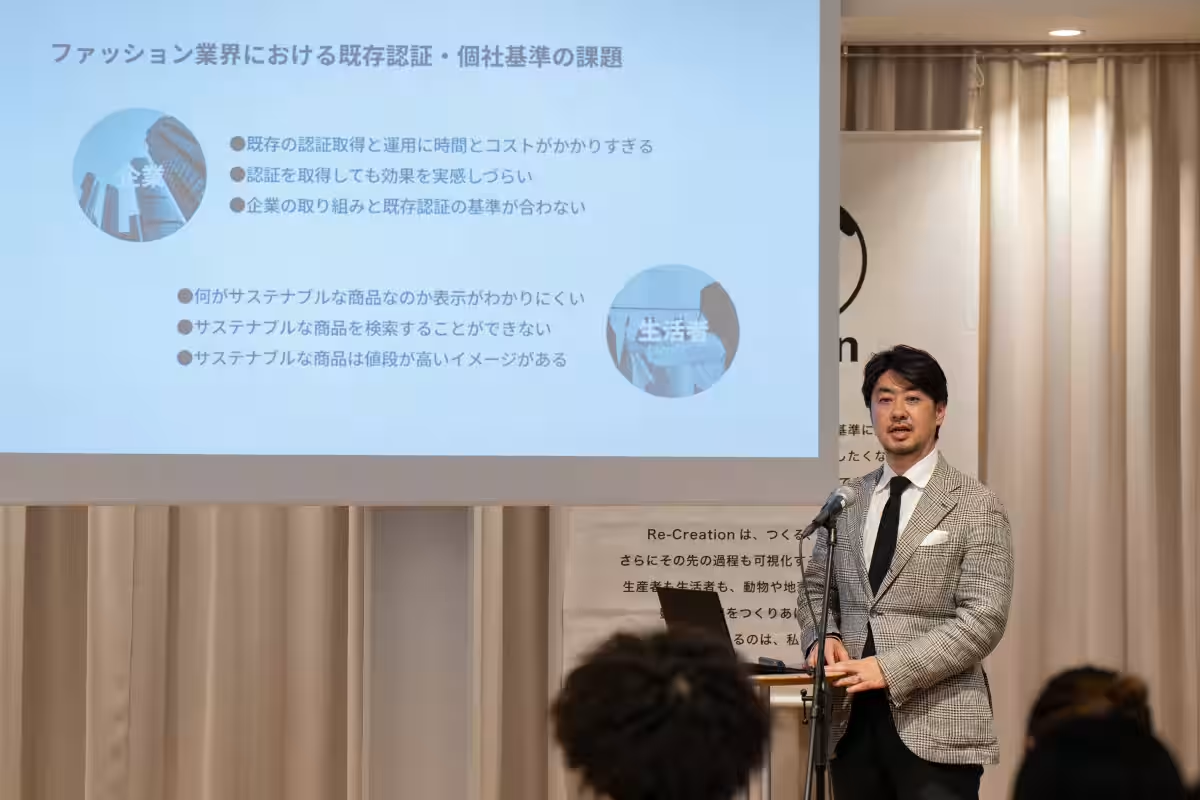
In a detailed presentation by Executive Secretary Tetsuya Yamashita, he described Re-Creation's future vision. He noted, “We aspire to visualize the efforts of producers so that choosing sustainably becomes a fundamental decision for consumers.” The growing interest in sustainability within the apparel industry was highlighted through increasing applications for certification since the initiative's inception.
The event shared insights from a comprehensive study about sustainable fashion that revealed a significant gap between consumer perceptions and industry practices. Many prospective buyers acknowledged they struggle to identify sustainable products, a major barrier to purchasing. Notably, there was a willingness to accept higher prices if products could be assured as sustainable.
Furthermore, confirmed brands that have achieved Re-Creation certification, such as URBAN RESEARCH and EDWIN, discussed how this initiative has educated their internal teams and improved awareness not only among consumers but also within their supply chains.
Establishing Certification Standards
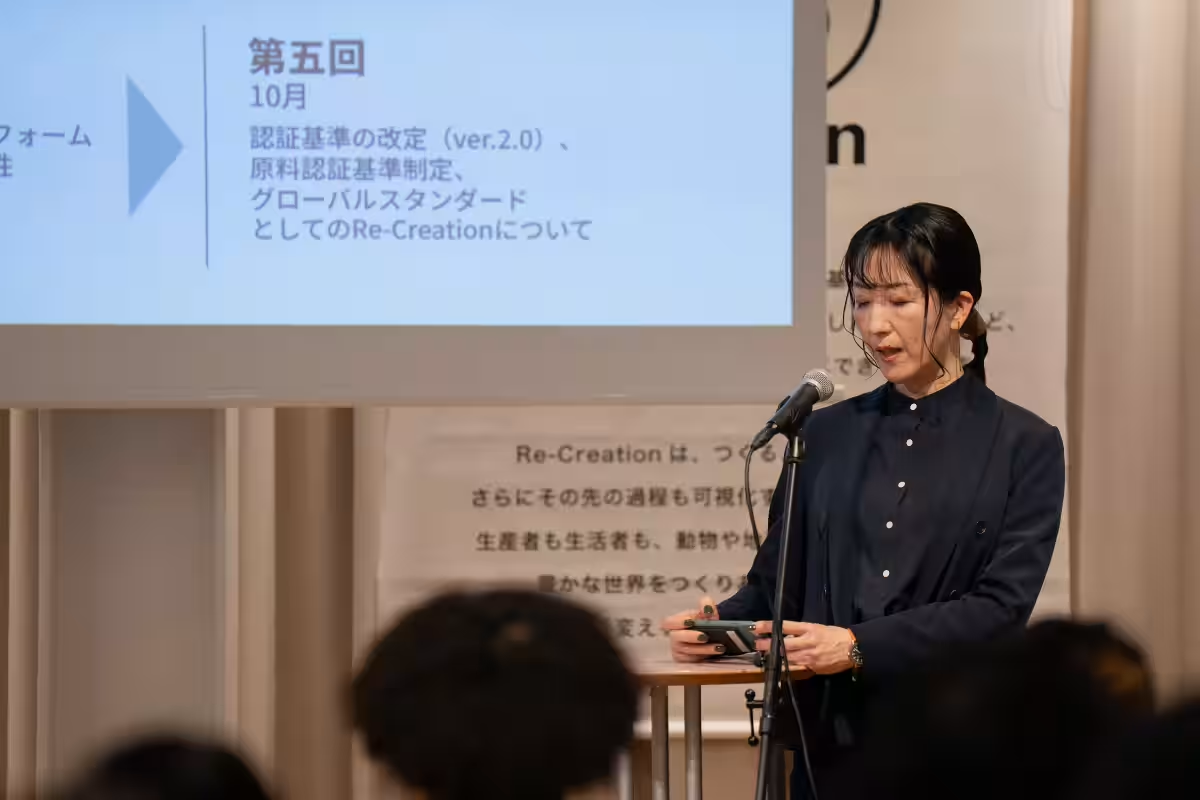
The presentation also included insights from Mitsue Kusuno of Control Union Japan, who explained the development of Re-Creation's certification standards. These standards not only align with international benchmarks but are also tailored to the realities of the Japanese fashion industry. Kusuno emphasized that the dual goals of reliability and effectiveness underlie the initiative.
Communication Strategies to Engage Consumers
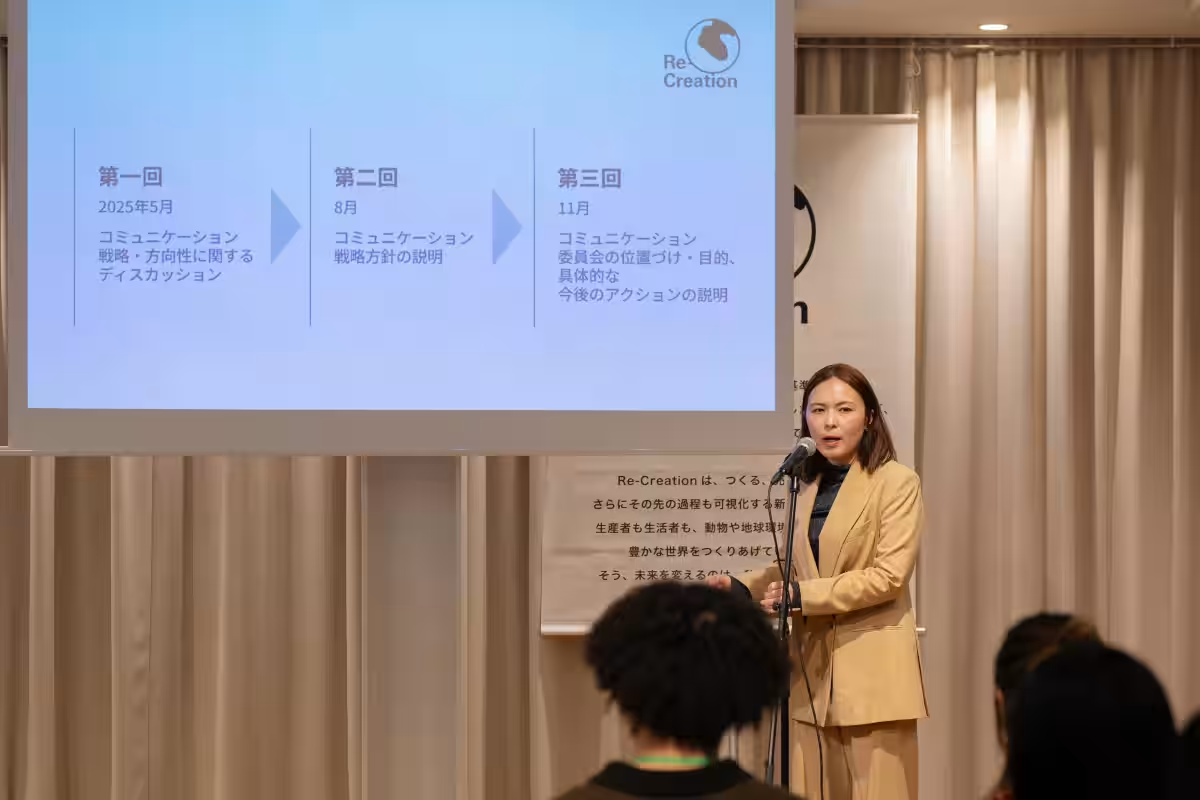
As the communication strategy evolves, Makiko Yamashita from Mercari detailed efforts to connect with consumers. The strategy aims to enhance awareness of the Re-Creation certification label, focusing on consumer engagement and clear communication about the intent behind sustainable products. “By sharing the sentiments of producers directly with consumers, we are pivoting towards a more inclusive dialog,” she stated.
Student Perspectives
In a segment showcasing student perspectives, young fashion scholars from Keio University presented their views on sustainable practices. They voiced that while cost is a concern for students, their priorities include the durability of clothing and the narratives behind the products they choose.
The event concluded with an engaged dialogue among participants, addressing various critical aspects of the sustainable fashion landscape. High-profile representatives from brands like Shinzone and CFCL echoed sentiments regarding sustainability, expressing enthusiasm for potential collaborations with the Re-Creation initiative.
Attendees noted the need for collective efforts across industries, reaffirming the significance of this certification system in shaping a more sustainable future for the fashion sector. The session wrapped up with a call for continued engagement, hoping that these discussions mark the beginning of a transformative journey towards sustainable fashion.






Topics Consumer Products & Retail)
【About Using Articles】
You can freely use the title and article content by linking to the page where the article is posted.
※ Images cannot be used.
【About Links】
Links are free to use.