




Exploring the Therapeutic Power of Sound: Enhancing Focus with the Chime of the Rin
The Therapeutic Power of the Rin
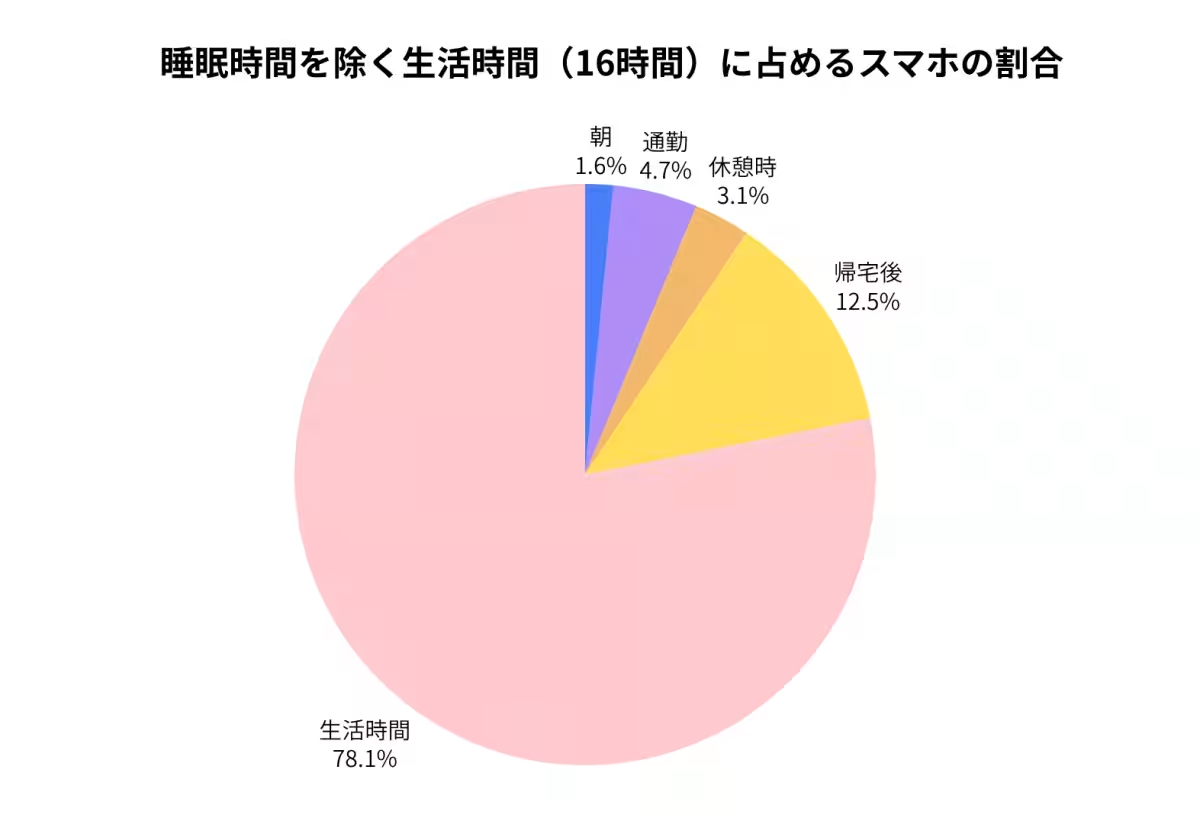
In today’s fast-paced digital age, our brains are constantly bombarded with information. On average, people spend around 3 to 4 hours daily engaged with their smartphones, which is approximately 20% to 25% of their waking hours. This overload of notifications, online meetings, and AI chats leaves little room for mental respite.
Recent studies have shown that the modern individual's engagement with technology can lead to significant cognitive fatigue. People now experience fragmented focus throughout their day—from checking news and weather in the morning to scrolling through social media during commutes, searching for information during breaks, and indulging in streaming content after returning home.
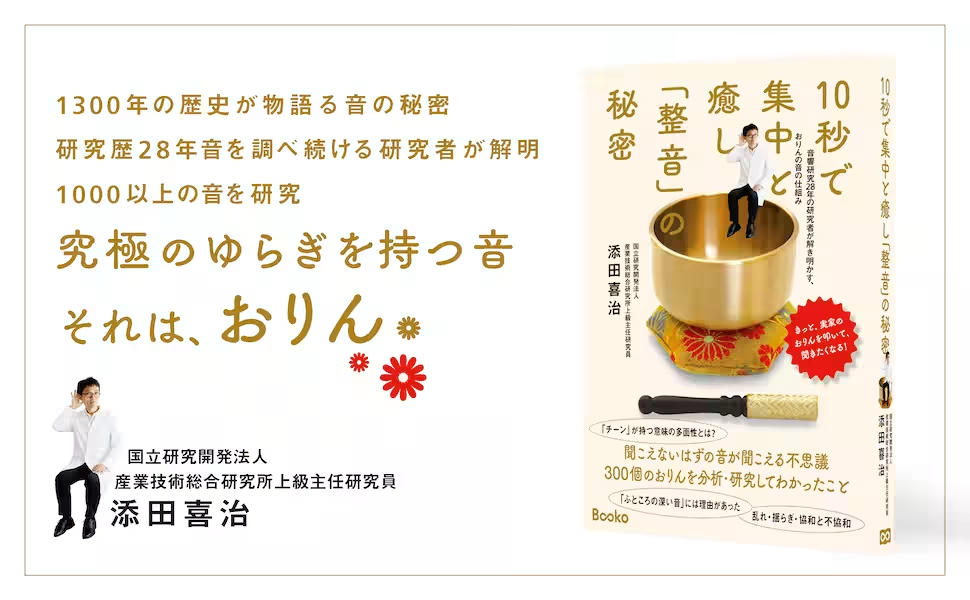
This constant barrage of information takes a toll on our mental well-being. As a response, Dr. Yoshiharu Soeta from the National Institute of Advanced Industrial Science and Technology has turned to an unconventional source of relief—the gentle sound of the rin.
The Concept of 'Seion'
Dr. Soeta’s exploration has led him to create a concept known as 'seion,' or “tuning sounds.” This approach is aimed primarily at individuals who struggle to find time for mindfulness techniques due to their busy lifestyles. His research emphasizes the necessity of integrating brief self-care practices, particularly involving sound, to promote mental clarity and relaxation.
During his studies, Dr. Soeta compiled 307 different rins, analyzing their sounds scientifically. The traditional 'ding' of the rin, which has become less common in modern households, is said to have implications for our mental state. The unique acoustic structure of these sounds possesses the ability to guide brainwaves toward beneficial states through a phenomenon known as entrainment.
Addressing Modern Challenges
In a world where people often feel overwhelmed and fatigued despite rest, Dr. Soeta outlines the benefits of the rin for various audiences:
- - Individuals who struggle to concentrate or feel that their rest is inadequate.
- - Those who have attempted meditation or mindfulness but found it challenging to maintain these practices.
- - People curious about the significance of their family’s rin yet have never contemplated its meaning.
- - Busy individuals seeking effective ways to achieve mental balance amidst a fast-paced reality.
Dr. Soeta’s approach is refreshingly simple: just tapping the rin and listening for ten seconds can activate the calming effects of seion. However, understanding the depth of sound science can amplify these benefits, enhancing daily life and performance.
- - Understanding the influence of various sounds on our minds.
- - Selecting the right rin based on desired mental states (focus, relaxation, sleep).
- - Experimenting with different striking techniques and rin positions to discover how they alter the sound.
- - Incorporating daily practices of sound tuning into household routines.
A Personal Journey
Dr. Soeta's interest in the rin is deeply personal. In 2012, he encountered the soothing 'ding' during a prayer at a temple in Ikeda City, Osaka, triggering his extensive investigation into the instrument. A significant turning point came four years ago when he tragically lost his wife during a family trip, thrusting him into the role of a single father to three children, each with their own challenges.
Post his wife's passing, the memorable sound of the rin during the funeral became a source of solace. In his overwhelming journey of solo parenting and work, he recognized the need for quick, effective mental health practices, leading to the development of his ten-second sound therapy.
Scientific Exploration of the Rin
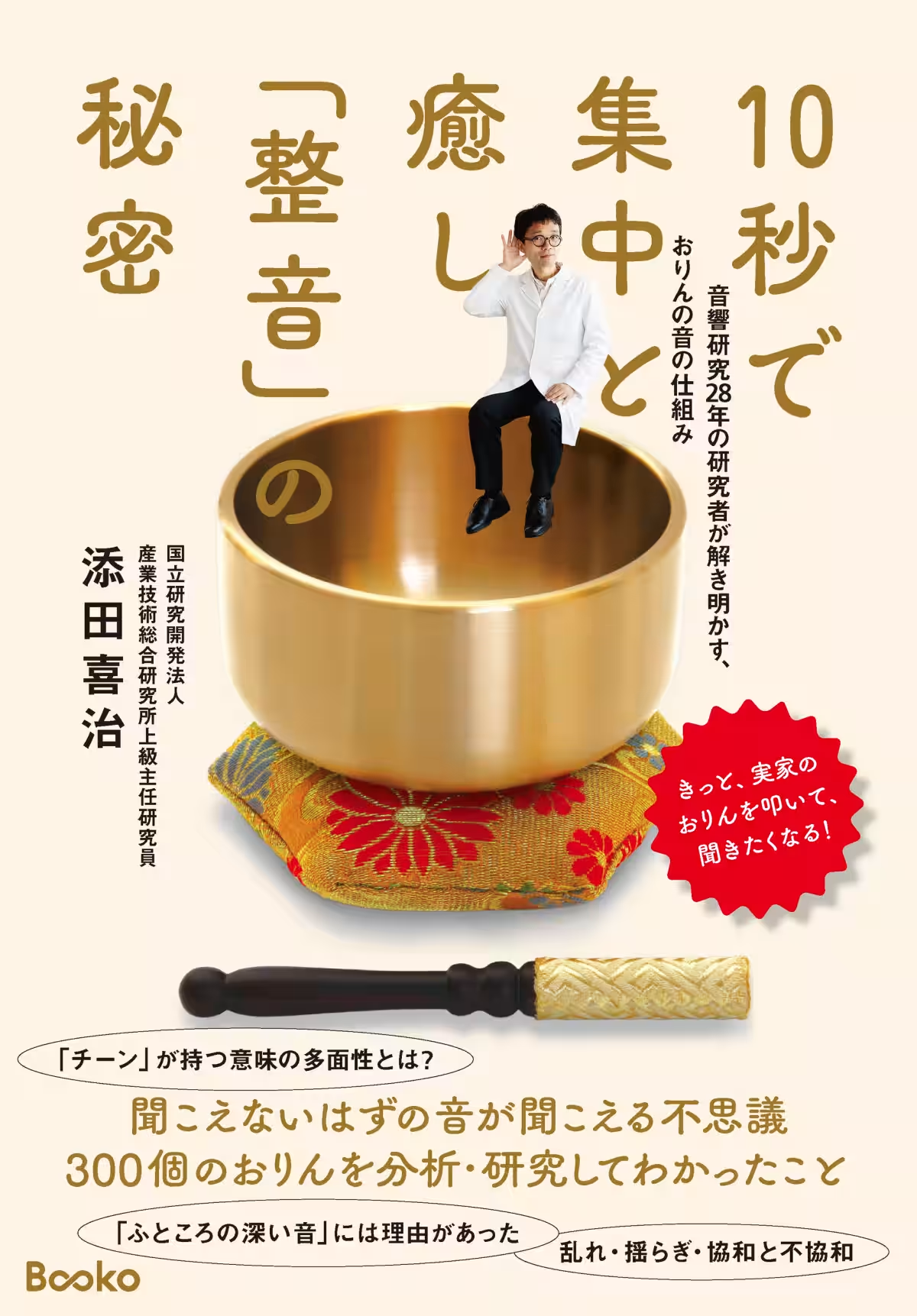
Dr. Soeta’s book delves into the scientific intricacies of the rin through the lenses of acoustics, neuroscience, and psychoacoustics. Collaborating with science clubs and educational institutions, he uncovered how factors such as the thickness of the rin’s edge and the materials used impact sound quality.
Studies reveal the rin’s unique sound structure, where its oscillating harmonics provide a soothing experience, subtly shifting brainwave frequencies. This essential 'humming' effect encourages synchronization with brain activity, facilitating states from deep relaxation to heightened alertness.
Juxtaposing the rin's sound with other common sounds further illustrates its distinctive acoustic properties. Unlike other instruments or natural sounds, the rin’s combination of harmonic structure and lingering resonance is unparalleled.
Conclusion
For anyone feeling the weight of modern life, engaging with the rin could offer a pathway to rest and focus. Dr. Soeta’s research and personal experiences underscore the profound impact that sound can have on mental health in this era of perpetual distraction. Ultimately, the secret of seion lies not only in the sound of the rin but in rediscovering the harmony amidst the chaos of daily life.


Topics Health)
【About Using Articles】
You can freely use the title and article content by linking to the page where the article is posted.
※ Images cannot be used.
【About Links】
Links are free to use.