



The Key Challenges of AI Adoption in Manufacturing Industry Revealed
The Key Challenges of AI Adoption in Manufacturing Industry Revealed
A recent study conducted by Shimtops, the leading provider of on-site report systems in Japan, highlights significant challenges faced by the manufacturing sector in adopting artificial intelligence (AI). This research, involving 111 professionals responsible for digital transformation (DX) and AI implementation in the manufacturing landscape, sheds light on the growing importance of data preparation and structuring for effective AI utilization.
Survey Findings Overview
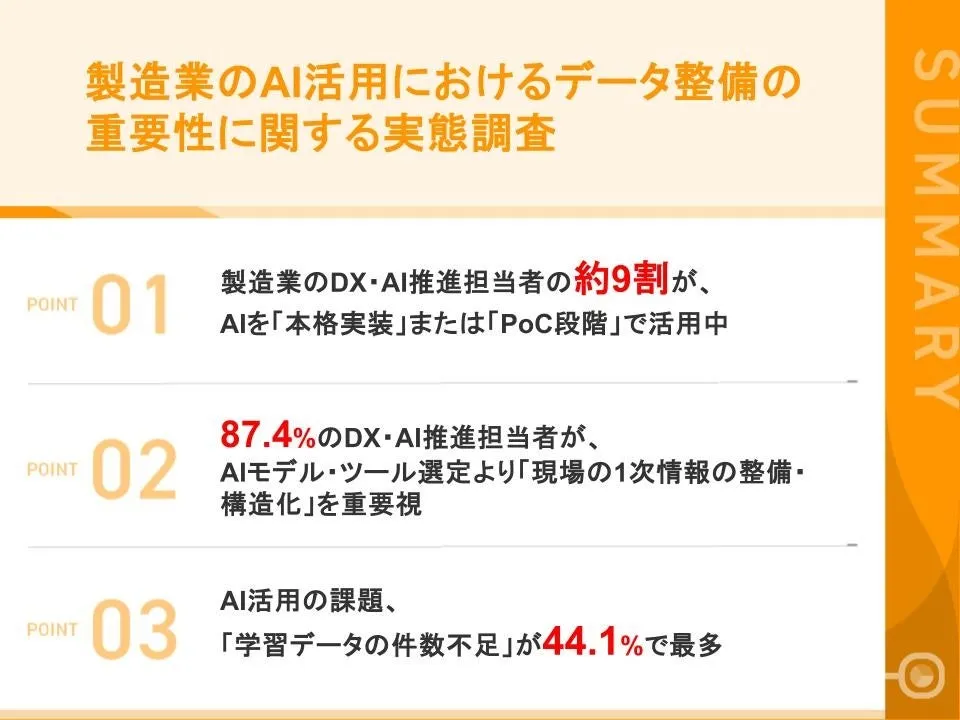
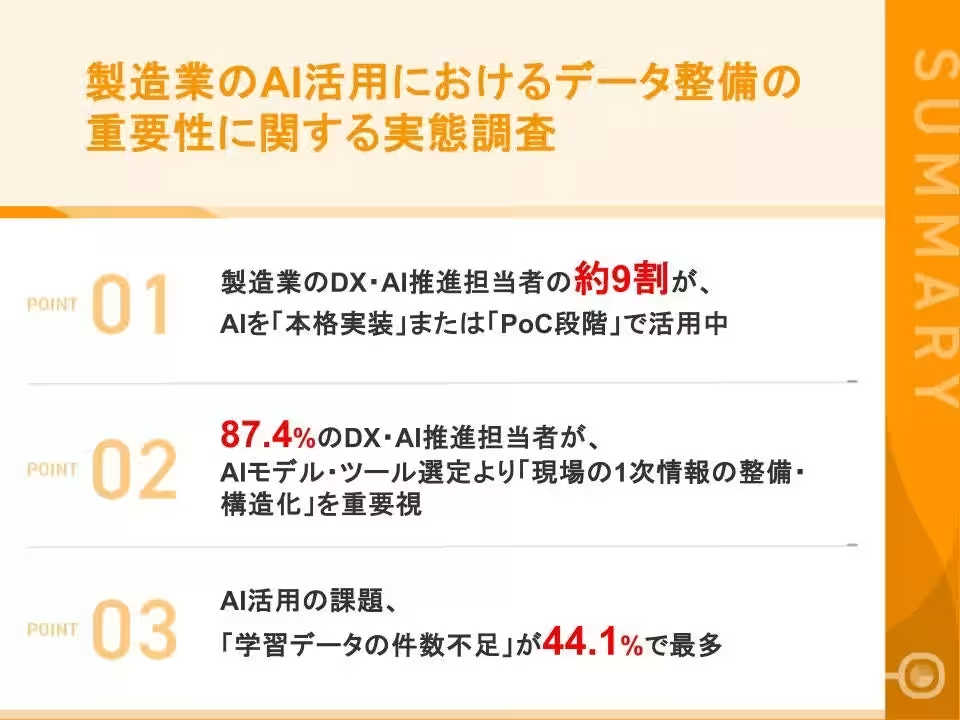
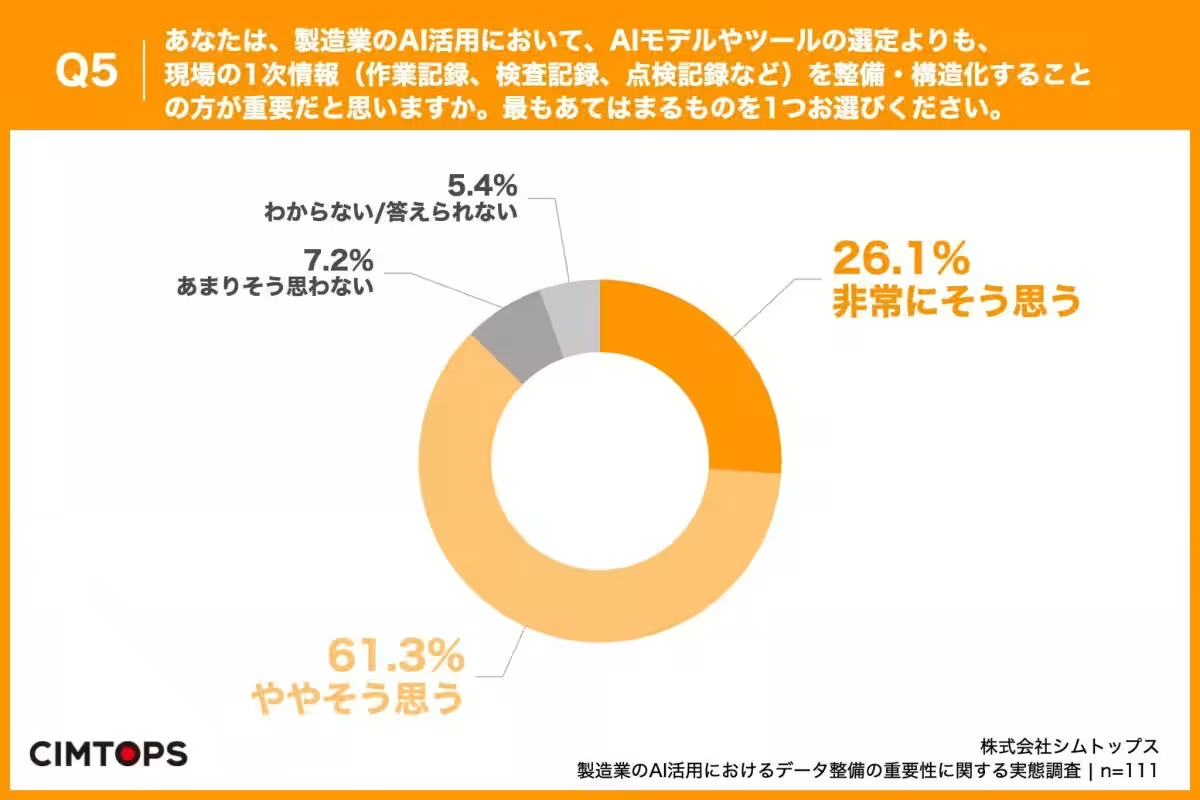
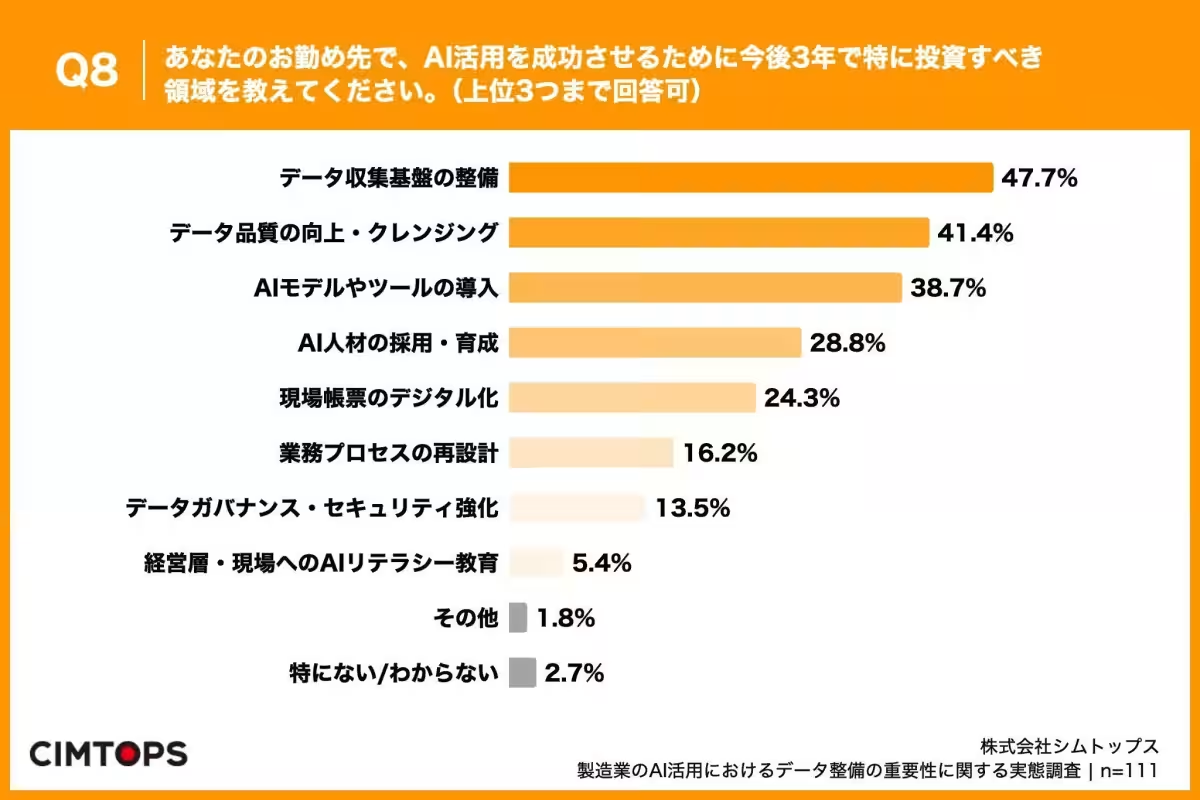
The survey found that nearly 90% of companies are engaging in some form of AI application. However, a striking 87.4% of respondents indicated that prioritizing the structuring and organization of primary information from the workplace is more critical than selecting AI models or tools. Notably, when asked about areas for investment over the next three years, 47.7% of respondents emphasized the need to enhance data collection frameworks, outpacing the 38.7% who prioritized the introduction of AI models. This indicates that the successful implementation of AI in manufacturing hinges predominantly on foundational data organization rather than just advanced model deployment.
AI Application Progress in the Manufacturing Sector
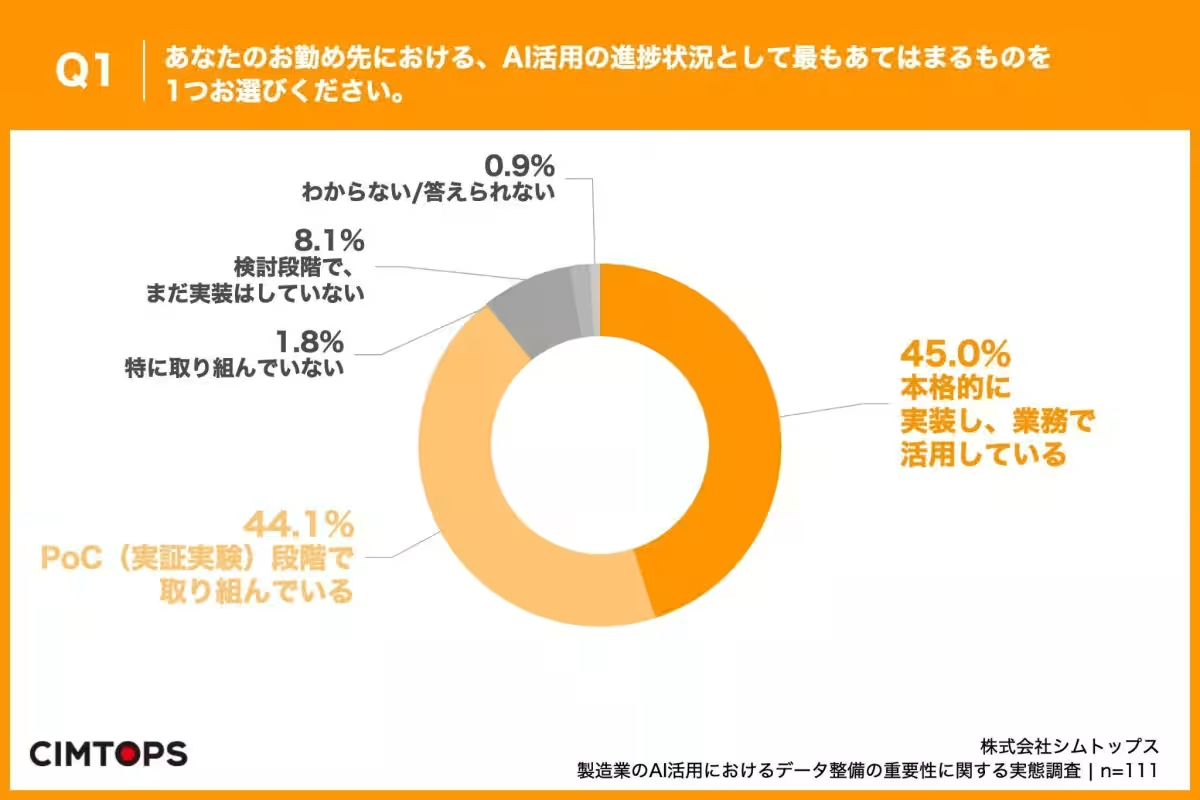
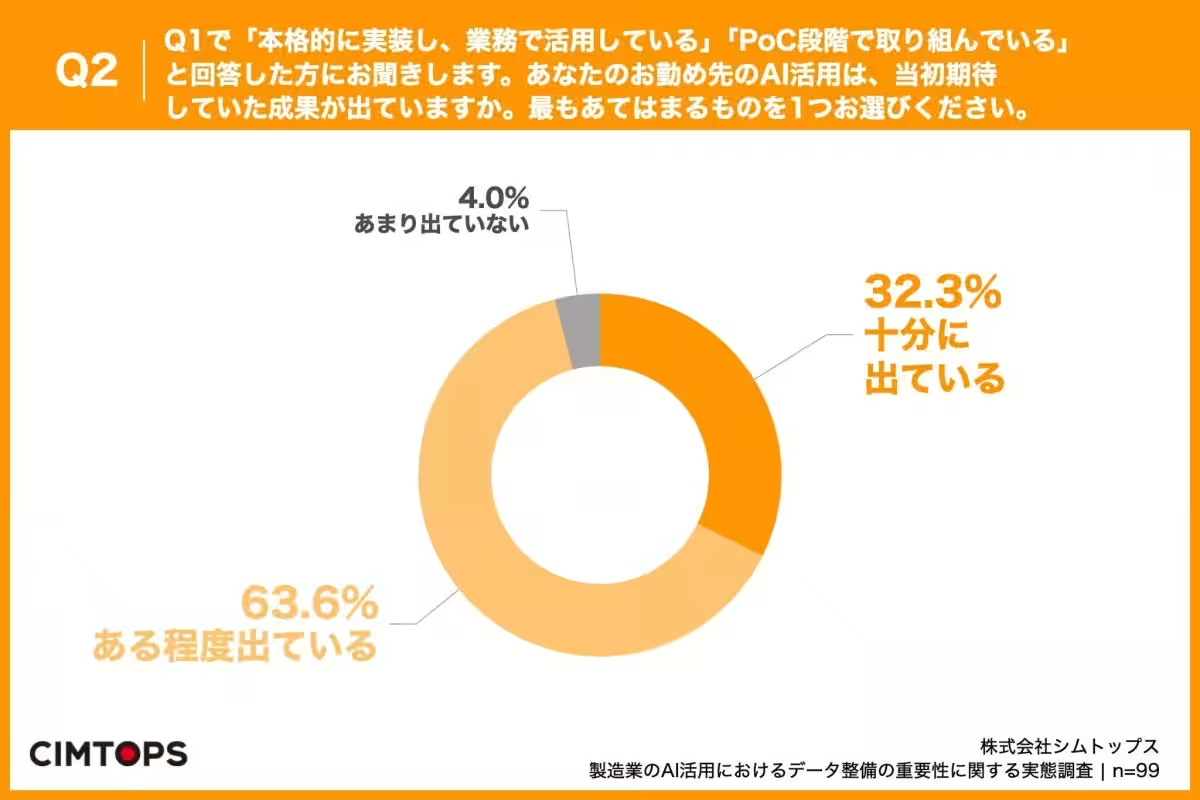
1. Adoption Levels: The survey revealed a promising trend where 45.0% of respondents are currently implementing AI in their operations, while 44.1% are still at the Proof of Concept (PoC) stage. Impressively, of those utilizing AI, 95.9% believe they are achieving their expected outcomes.
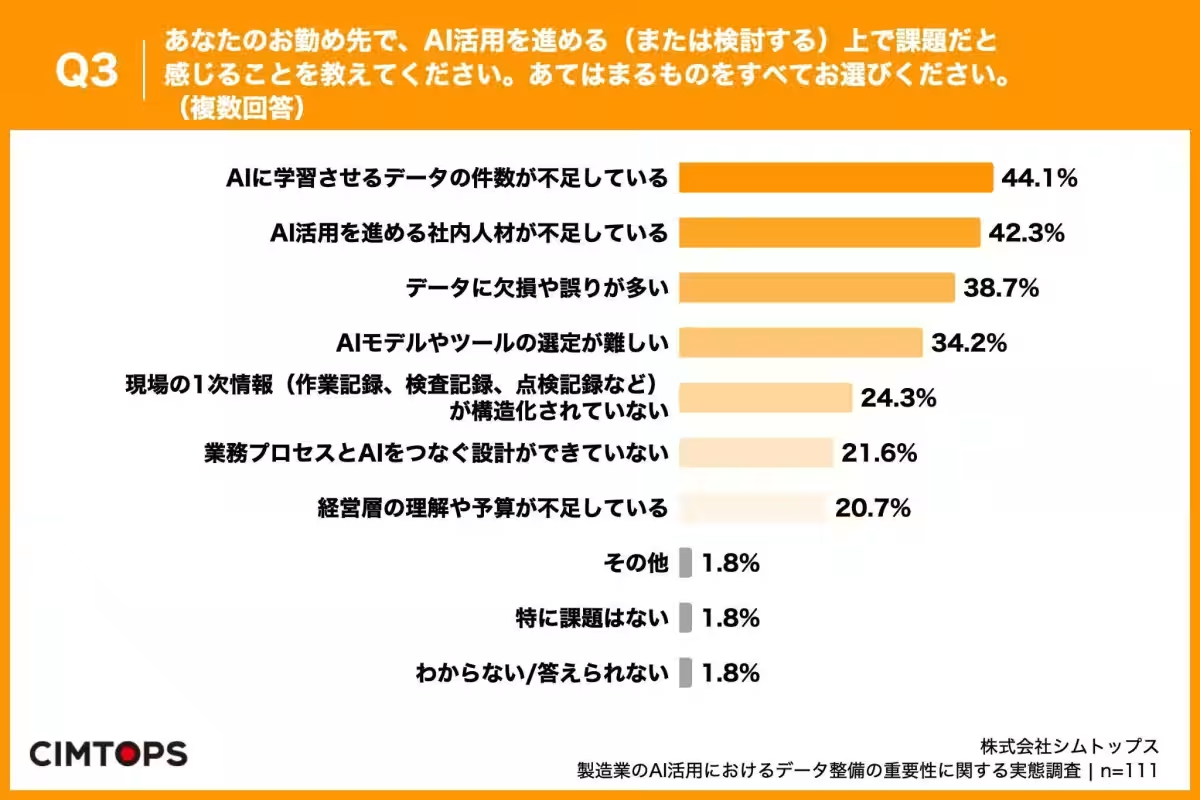
2. Key Challenges: Despite these positive strides, the respondents identified several obstacles hindering AI progress. The most prominent challenge is the lack of sufficient training data, as cited by 44.1% of respondents, followed closely by a shortage of internal personnel skilled in AI, reported by 42.3%. Furthermore, 38.7% acknowledged that their data often contains errors or gaps, complicating the effective deployment of AI.
Understanding Data Structuring Importance
The overwhelming majority, 87.4%, reported that refining and structuring first-party information (such as work and inspection records) supersedes the selection of AI models in importance. This recognition of the necessity for accurate data preparation reflects a growing trend in understanding the operational preconditions needed for AI to thrive.
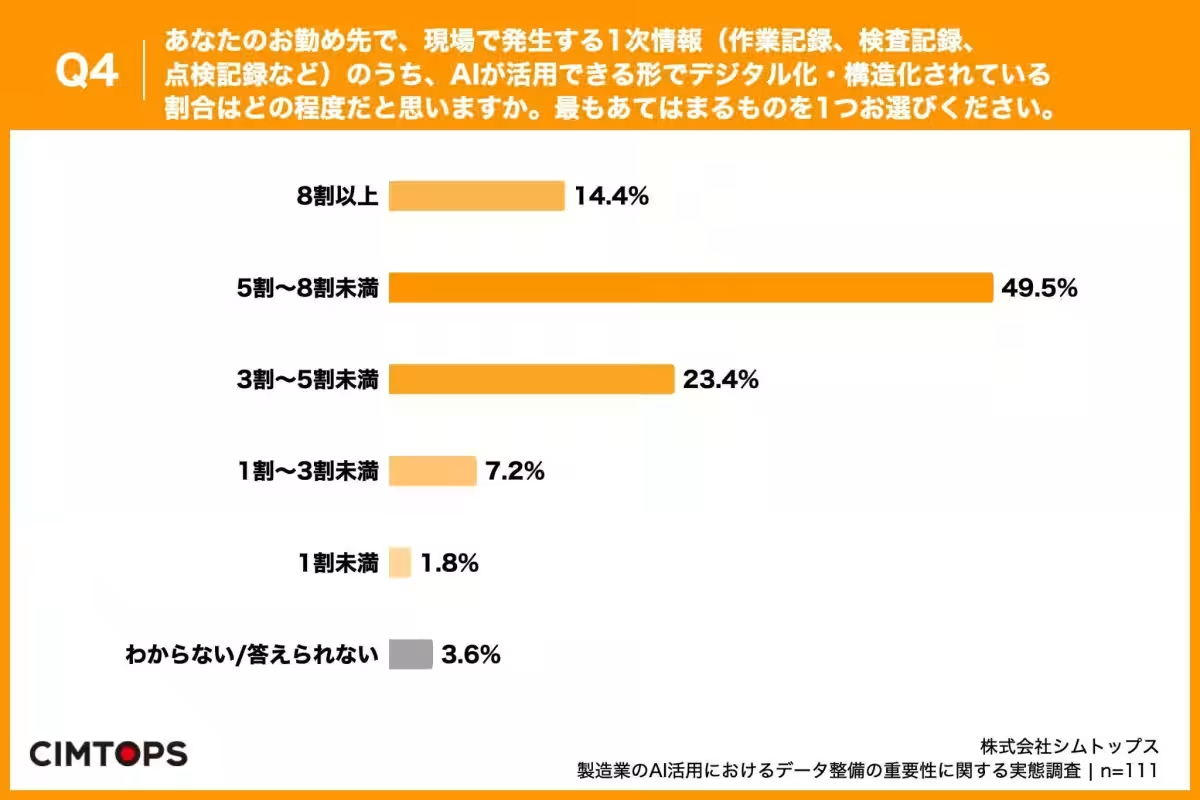
- - Digitalization Status: The survey also noted that nearly half of the organizations reported that between 50% to 80% of their on-site primary information is digitized and structured for AI utilization. However, there remains a significant portion—approximately 23.4%—where only 30% to 50% meets this criterion.
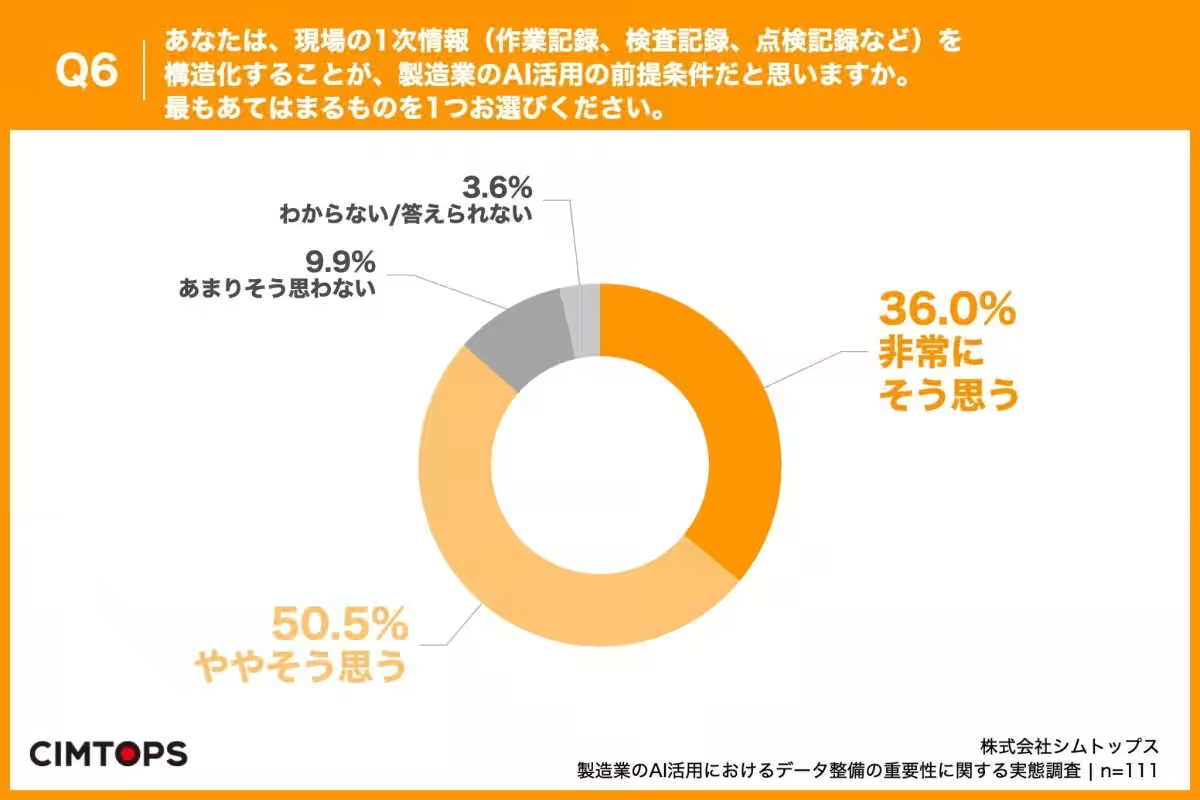
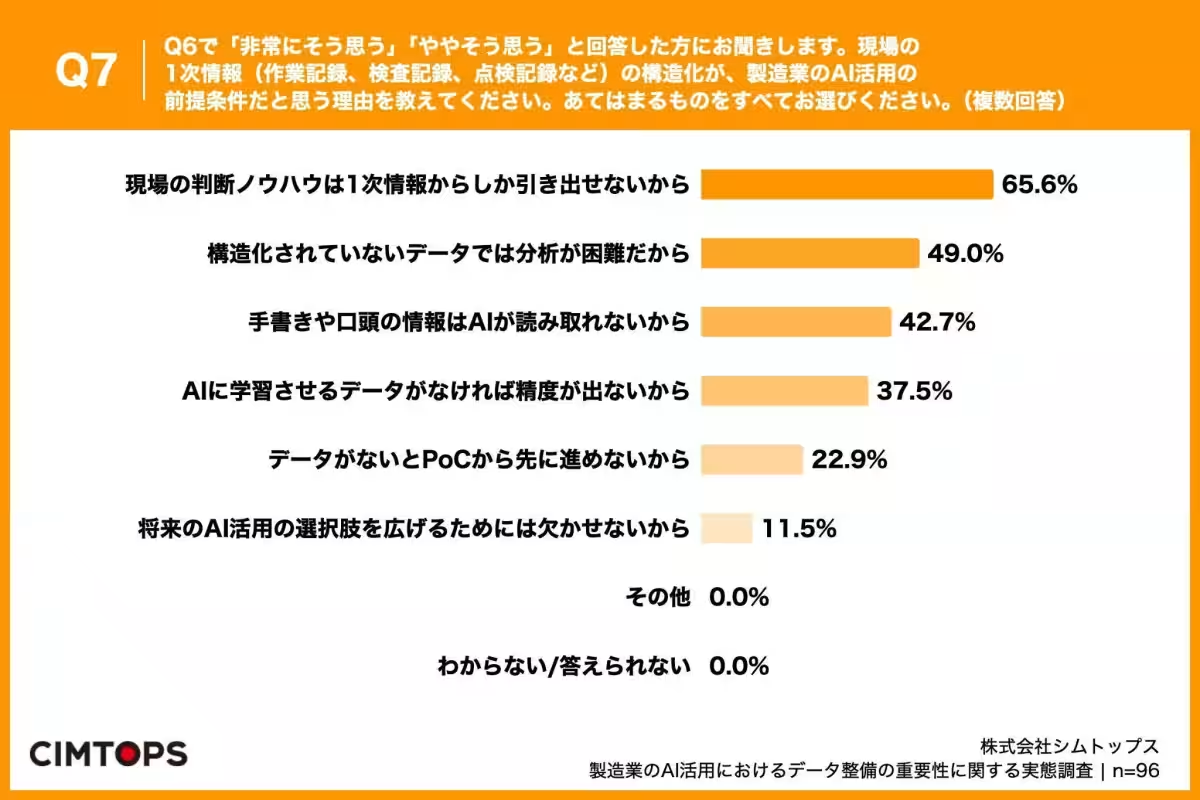
- - Perception of Data Structuring: A noteworthy finding is that about 86.5% of respondents regarded the structuring of primary information as a prerequisite for utilizing AI effectively. The most common reason given for this perception is that decision-making insights from the workplace can only be derived from this structured primary data.
Investment Focus for Future Success
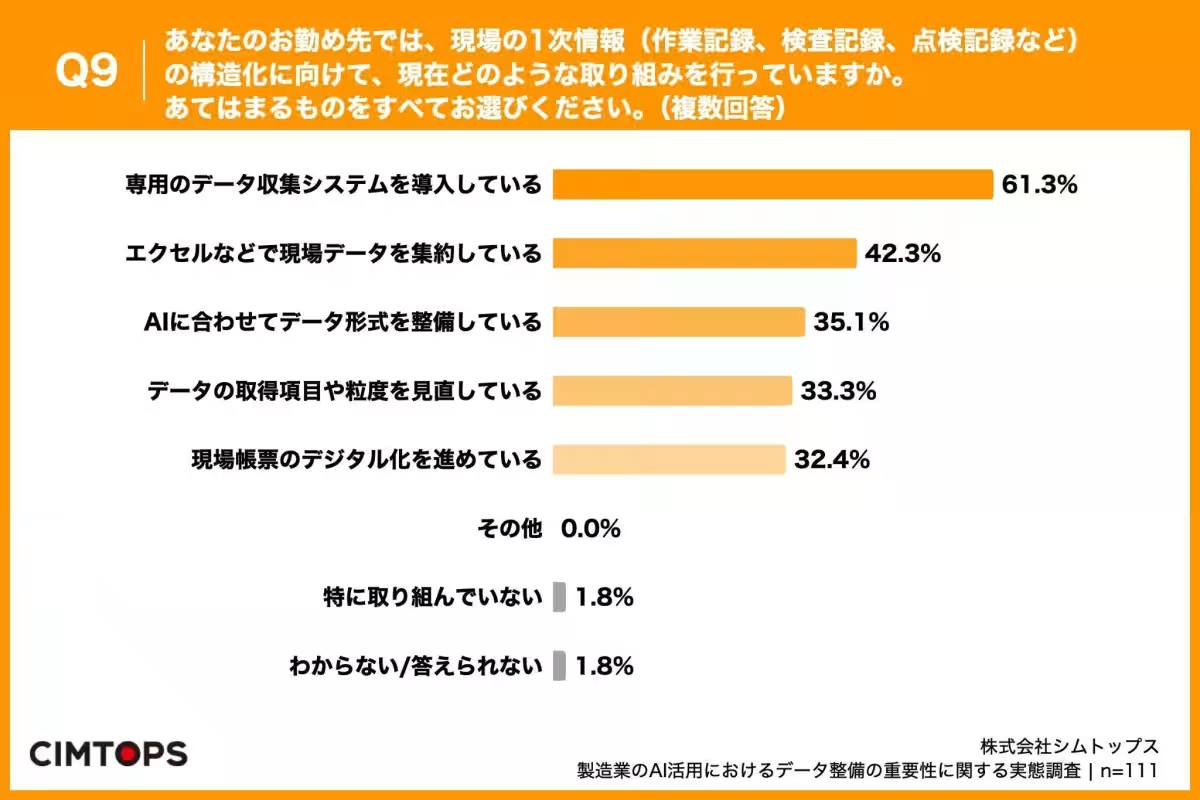
Looking forward, the survey indicates that 61.3% of DX and AI professionals have already implemented dedicated data collection systems to facilitate the structuring of on-site primary information. The enhanced focus on building robust data collection frameworks underscores its prime position in the strategy of these manufacturing professionals, as reflected in the significant percentage advocating for investment in data quality improvements (41.4%) and AI model selection (38.7%).
Conclusion
This survey highlights that while the majority of manufacturing professionals have taken steps towards AI adoption, the critical bottleneck remains in establishing robust data frameworks that ensure data quality and availability. Companies must strategically invest in digitizing and structuring primary information as a vital part of their AI implementation roadmap. By addressing these foundational challenges alongside AI model advancements, manufacturers can leverage their operational data to enhance decision-making and ultimately drive sustained success in the AI era.
For further insights, you can download the full research report here.
About Shimtops
Founded in 1991, Shimtops has established itself as a pioneer in production scheduling and management systems. Serving over 4,500 companies and 220,000 users, Shimtops delivers innovative solutions, including the industry-leading on-site report system “i-Reporter.”
Corporate Information
- - Company Name: Shimtops, Inc.
- - Location: 10th Floor, Shin Meguro Tokyu Building, 2-25-2, Kami-Ohashi, Shinagawa Ward, Tokyo, 141-0021, Japan
- - CEO: Takashi Mizuno
- - Established: October 1, 1991
- - Capital: 165 million JPY
- - Revenue: 2.087 billion JPY (Projected for fiscal year 2024)
For more details about our products and solutions, visit our website here.
Topics Business Technology)
【About Using Articles】
You can freely use the title and article content by linking to the page where the article is posted.
※ Images cannot be used.
【About Links】
Links are free to use.