



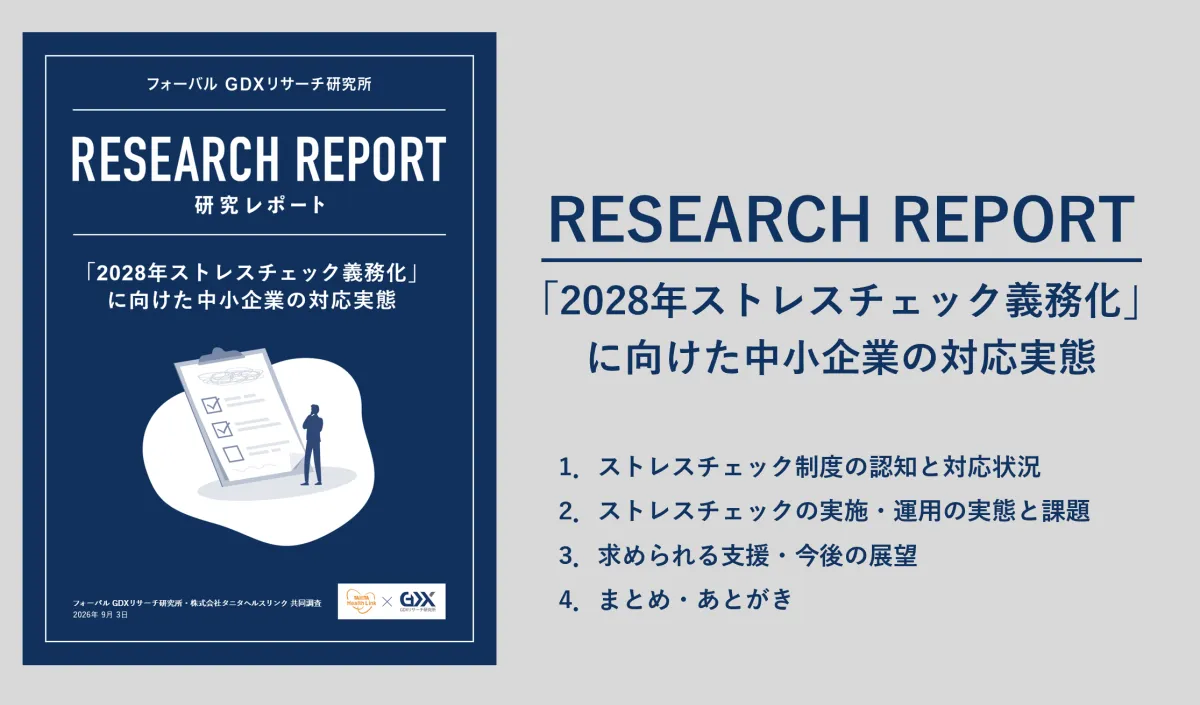
Awareness Gap Among SMEs on Mandatory Stress Checks Before 2028 Regulation Implementation
Awareness Gap Among SMEs on Mandatory Stress Checks
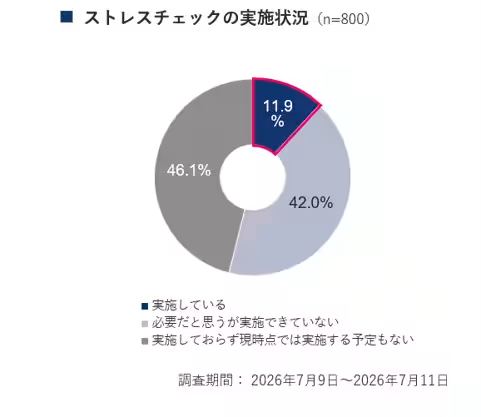
In a collaborative study conducted by the Forval GDX Research Institute and Tanita Health Link, it was discovered that only 11.9% of small and medium-sized enterprises (SMEs) with fewer than 50 employees have implemented stress checks as mandated by upcoming legislation set to take effect in April 2028. This significant research involved surveys of 800 business owners and aimed to assess the recognition and implementation status of the stress check initiative among SMEs.
As a result of Japan’s 2025 amendment to the Industrial Safety and Health Act, the requirement for workplaces with fewer than 50 employees to conduct stress checks will soon become mandatory. Yet, the study highlights a troubling gap between the perceived importance of mental health in business operations and the actual adoption of stress-check practices.
Key Findings
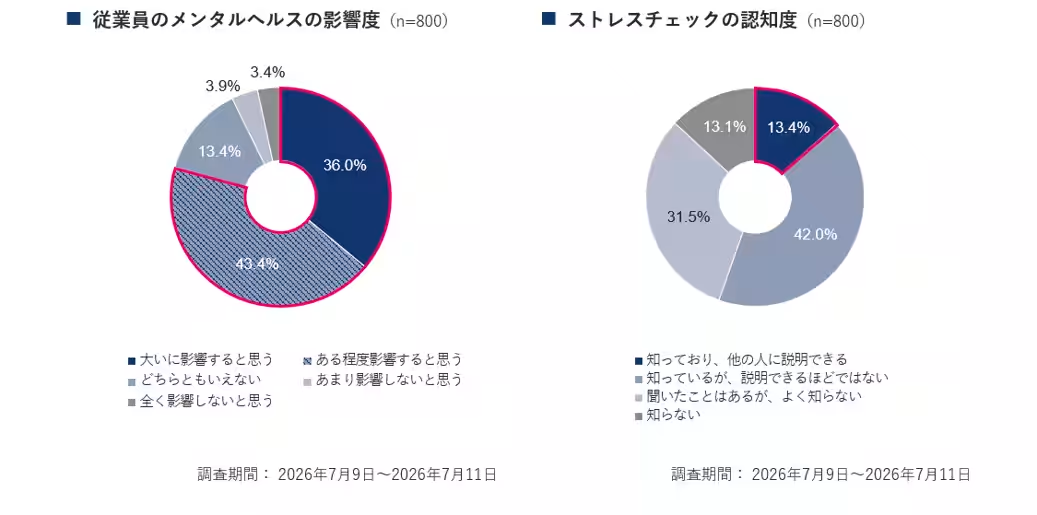
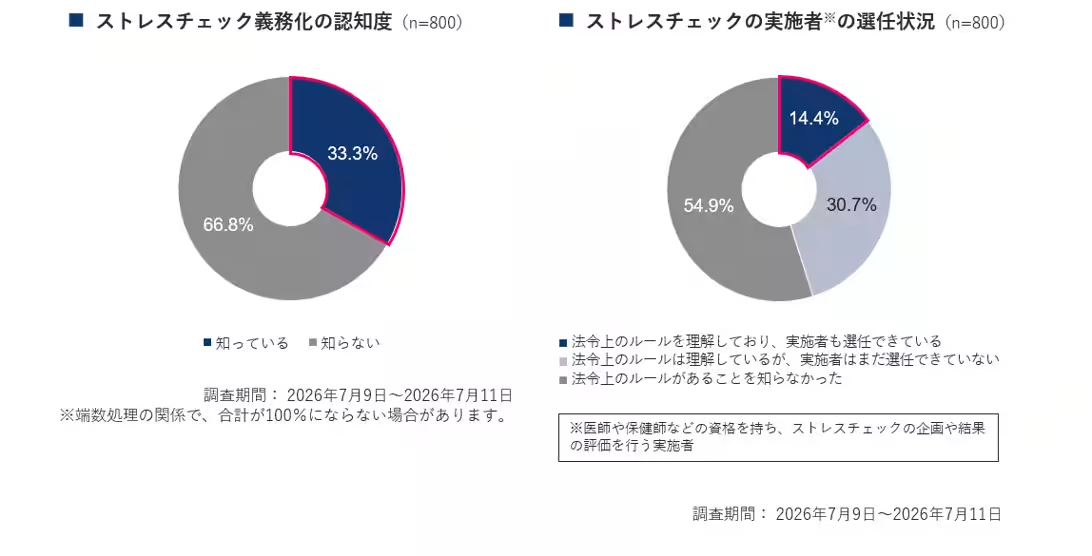
1. Recognition vs. Implementation: While 79.4% of businesses acknowledge that employee mental health significantly impacts management and performance, only 33.3% are aware of the 2028 mandate, and only 11.9% have conducted stress checks.
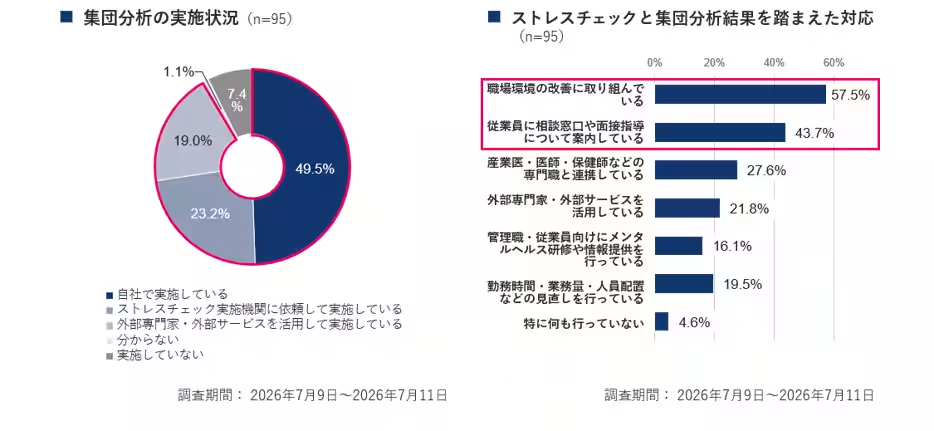
2. Operational Challenges: Even among those companies that have implemented stress checks, many face practical challenges such as the complexity of analysis and utilization of results.
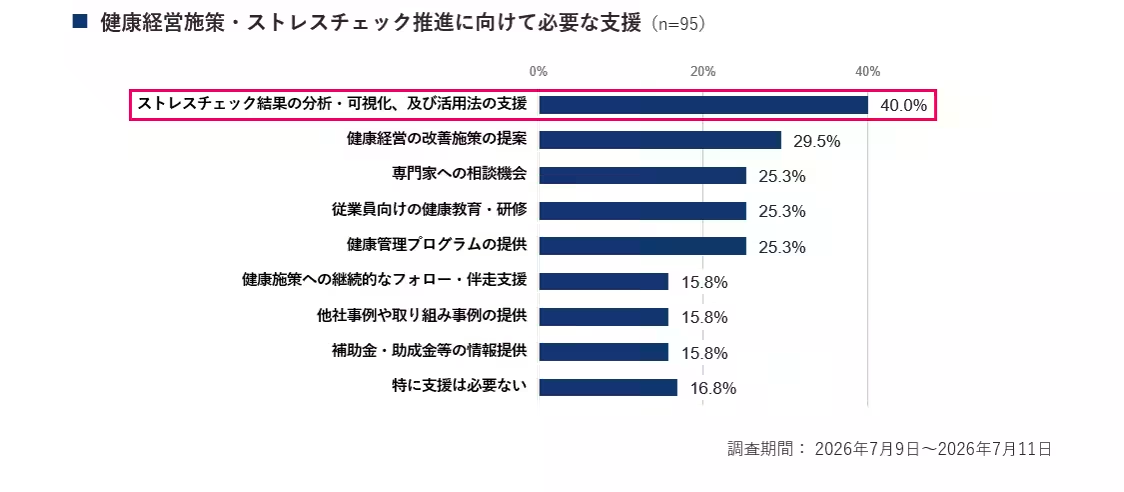
3. Support Needs: The majority of surveyed SMEs (40.0%) expressed a need for assistance in analyzing and visualizing stress check results, which underscores a need for improved operational support.
Survey Overview
Conducted from July 9 to July 11, 2026, this study captured responses from 800 SME owners in a position to impact their company's health management programs. The findings are vital for recognizing not only the current state of stress check adoption but also the obstacles many companies face in preparing for compliance with future regulations.
The Disconnect
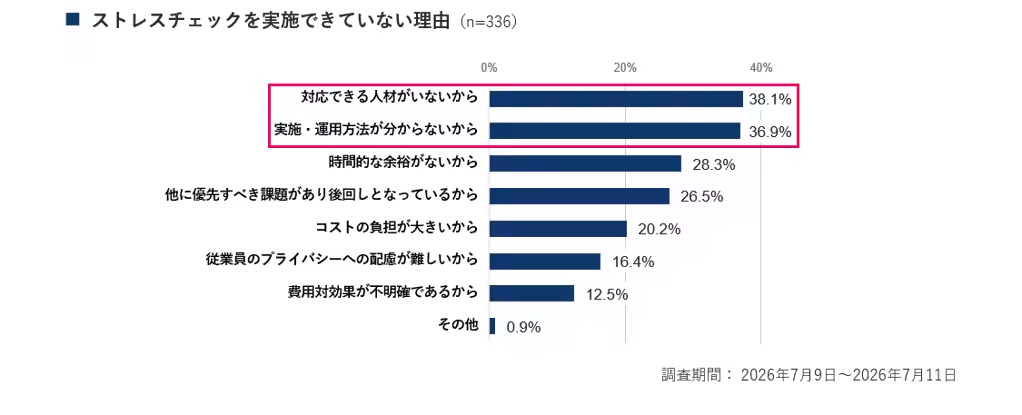
The survey results collectively indicate a clear awareness of mental health's role in business success, yet there lies a significant disconnect in actual implementation and preparation for the forthcoming legal obligations. Only a third of the companies were aware of these upcoming regulations, with over half admitting ignorance. Furthermore, about 42.0% of SMEs that recognized the need for stress checks have yet to implement them, indicating a hesitation that could hinder compliance by the set deadline.
Existing SMEs' Concerns
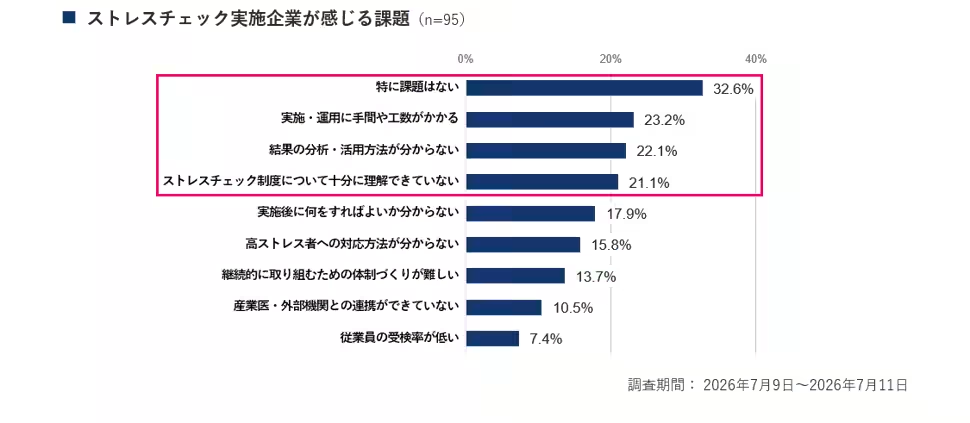
Among the SMEs already conducting stress checks, 32.6% claimed no significant challenges. However, nearly 70% reported experiencing some issues. Common hurdles included the belief that implementation was too cumbersome (23.2%), difficulties in analyzing or utilizing results (22.1%), and a lack of understanding of the stress check system (21.1%). This indicates that while systems exist, the overall ability of SMEs to implement and take full advantage of them is insufficient.
Moving Forward
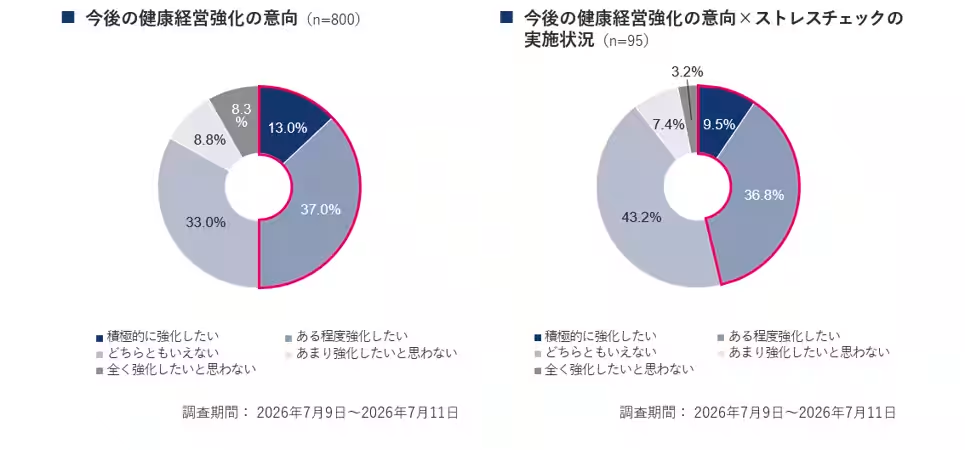
Looking forward, the study highlighted that almost half of the SMEs expressed a desire to strengthen their health management practices in response to the new regulations. However, companies implementing stress checks have shown lower enthusiasm for enhancement compared to those that haven’t started. This drop suggests that many fear tackling compliance and meaningful health integration due to perceived complexities surrounding operational requirements.
Conclusion
With the 2028 compliance deadline fast approaching, the findings from this survey underscore the pressing need for resources and support aimed at enriching SMEs’ understanding and operational capacity regarding mandatory stress checks. The Forval GDX Research Institute and Tanita Health Link champion the importance of viewing compliance not merely as a legal obligation but as a strategic investment towards fostering healthier workplaces.
As SMEs are essential to Japan's economy, understanding and executing effective health management strategies is crucial for sustainability and growth – both for individual organizations and the economy at large. The call to action is clear: with adequate support and training, these businesses can leverage compliance as an opportunity for improvement rather than a burden to avoid.










Topics Health)






【About Using Articles】
You can freely use the title and article content by linking to the page where the article is posted.
※ Images cannot be used.
【About Links】
Links are free to use.