



Understanding the Affiliate Marketing Landscape: A Survey of 2,000 People Across Japan
Understanding the Affiliate Marketing Landscape
In today's digital age, affiliate marketing has gained significant attention, particularly among those looking to diversify their income or run personal blogs. However, despite its growing recognition, a recent study conducted by For-it, operator of the affiliate platform afb, reveals that a mere 34% of respondents truly comprehend the intricacies of this marketing strategy. This article examines the findings from a survey of 2,000 individuals aged in their 20s to 60s across Japan and explores the various demographics that impact understanding of affiliate marketing.
Survey Background
The increasing popularity of side jobs and blogging has led to a wider awareness of the term "affiliate marketing." To gain insights into how much understanding actually exists among the populace, the survey questioned participants about their knowledge of affiliate marketing. The question posed was straightforward: "Do you understand what affiliate marketing is?"
Survey Methodology
- - Participants: Men and women aged 20 and above across Japan
- - Sample Size: 2,000 respondents
- - Method: Online research
- - Date of Survey: April 21, 2026
The responses were categorized into four groups:
1. Detailed Understanding
2. Basic Knowledge
3. Familiar with the Name
4. Not Familiar at All
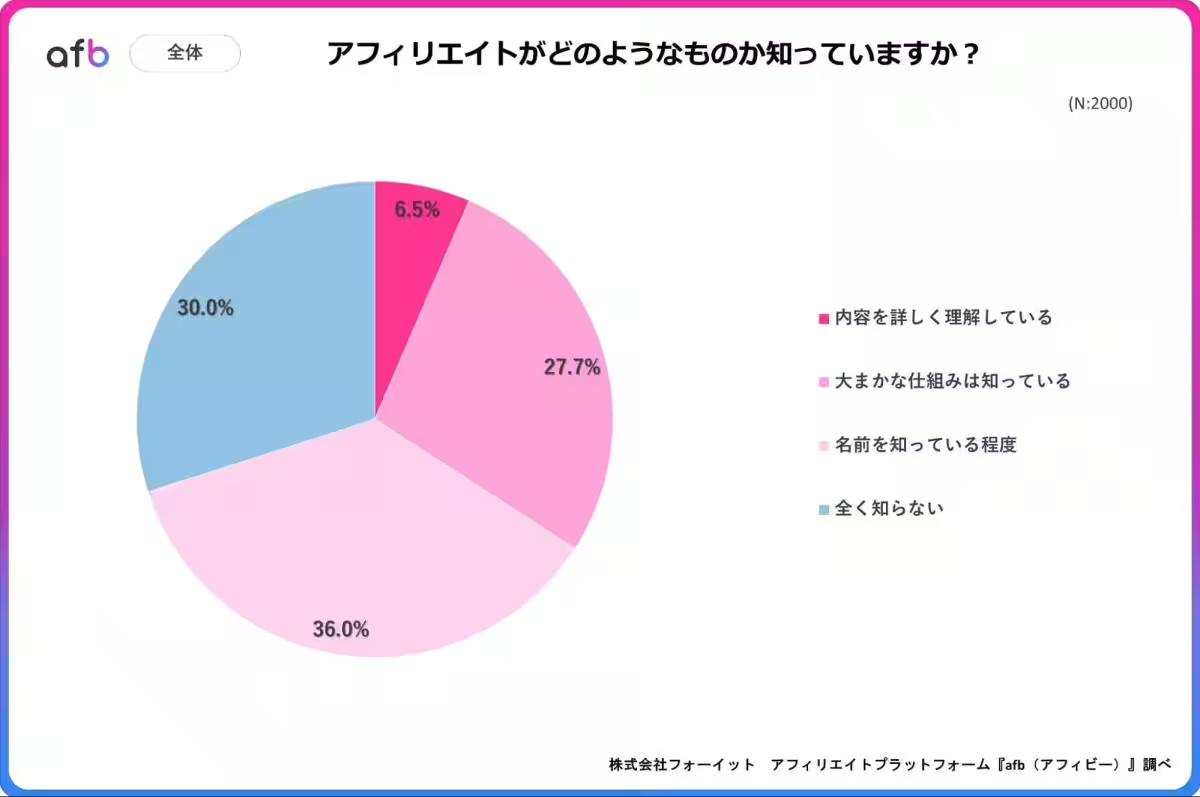
The results indicated that approximately 34% of respondents either understood affiliate marketing in detail or had a basic grasp of its mechanics. Notably, 6.5% could elaborate on affiliate marketing's workings, while 27.7% had a general idea. Conversely, 66% admitted to only recognizing the term or being oblivious to its meaning altogether.
Age-Related Findings
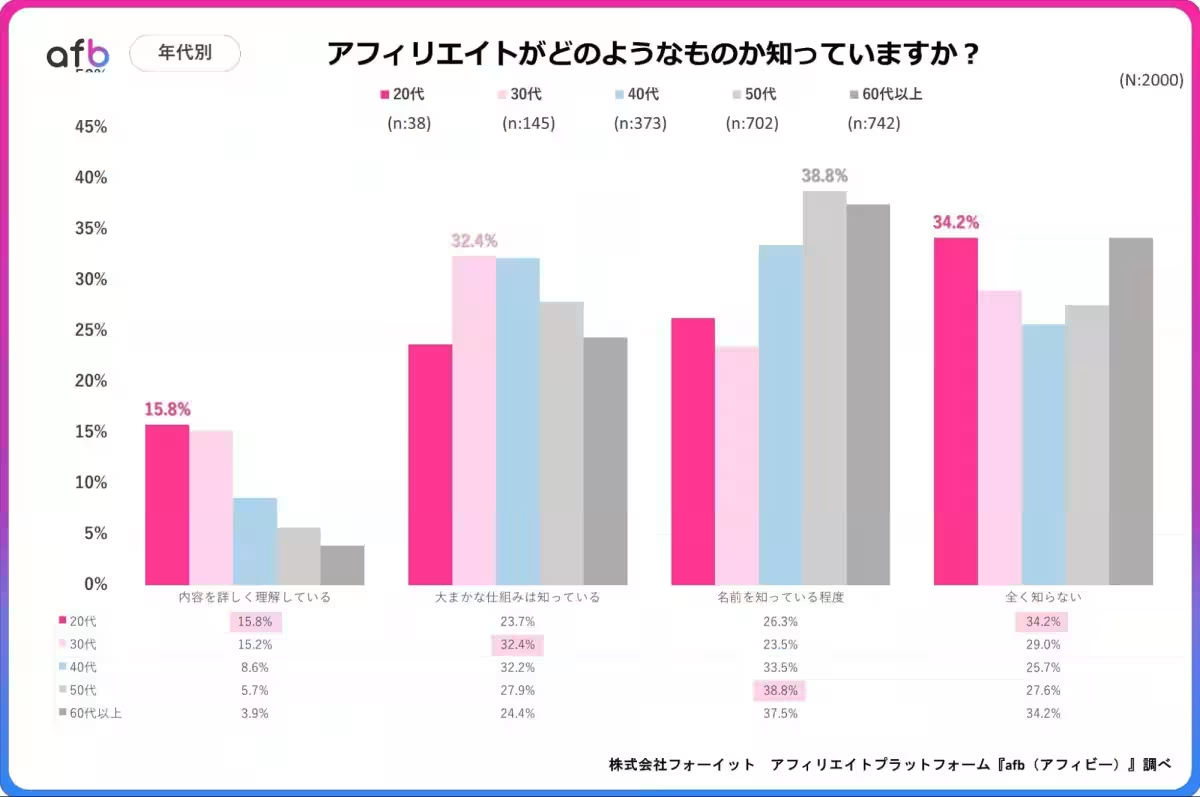
The data exhibited clear differences across age groups. Those in their 20s demonstrated the highest comprehension levels, with 15.8% being fully aware of the details, while this percentage dwindled to 3.9% for individuals aged 60 and above. Conversely, a significant percentage of younger respondents (34.2%) acknowledged they had no knowledge about affiliate marketing.
In the 30s and 40s age brackets, comprehension was notably higher, indicating that middle-aged individuals have a more robust grasp of the basics.
Gender Insights
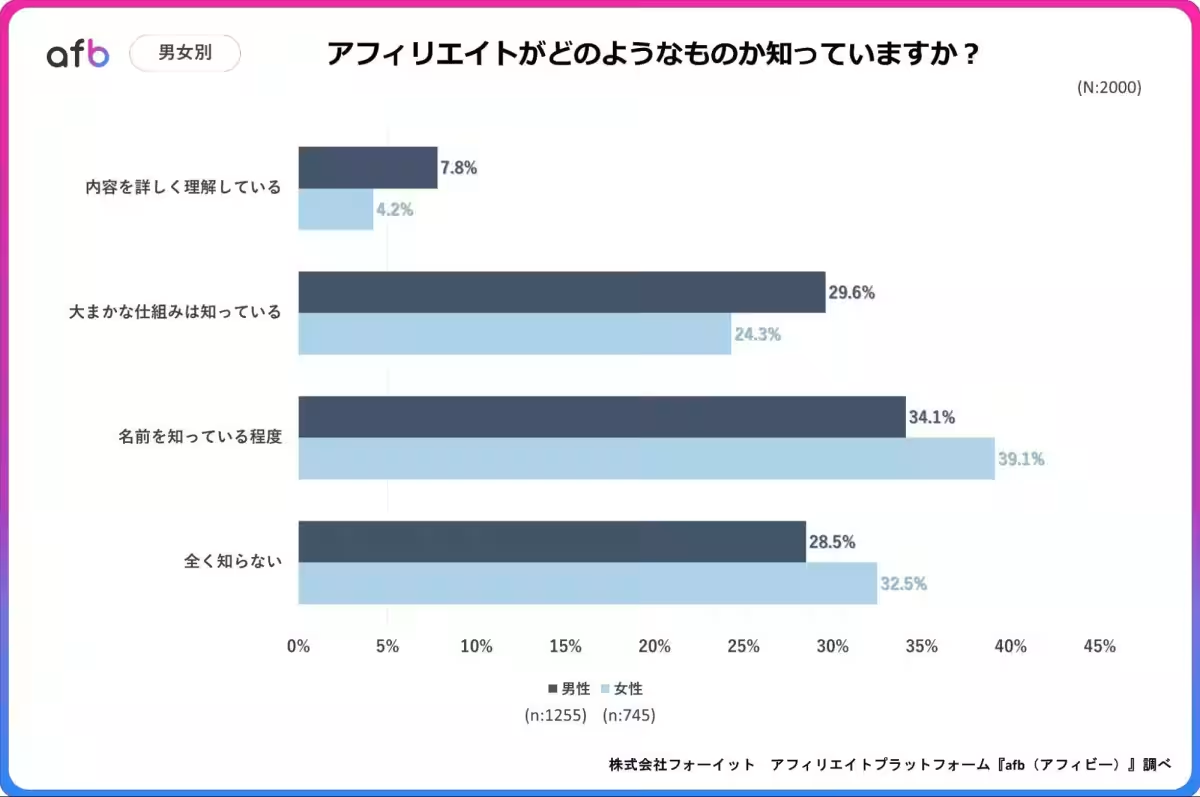
When the data was separated by gender, it was observed that males consistently reported higher knowledge levels than females. For example, 7.8% of men claimed to understand the mechanics in detail against 4.2% of women. Furthermore, 29.6% of male respondents knew the general framework compared to 24.3% of females. Overall, the understanding percentage for men was around 37%, while for women, it was closer to 29%.
Interestingly, the study suggested that women might be more likely to recognize the term yet lack a deeper understanding of its workings, marking a need for targeted educational resources.
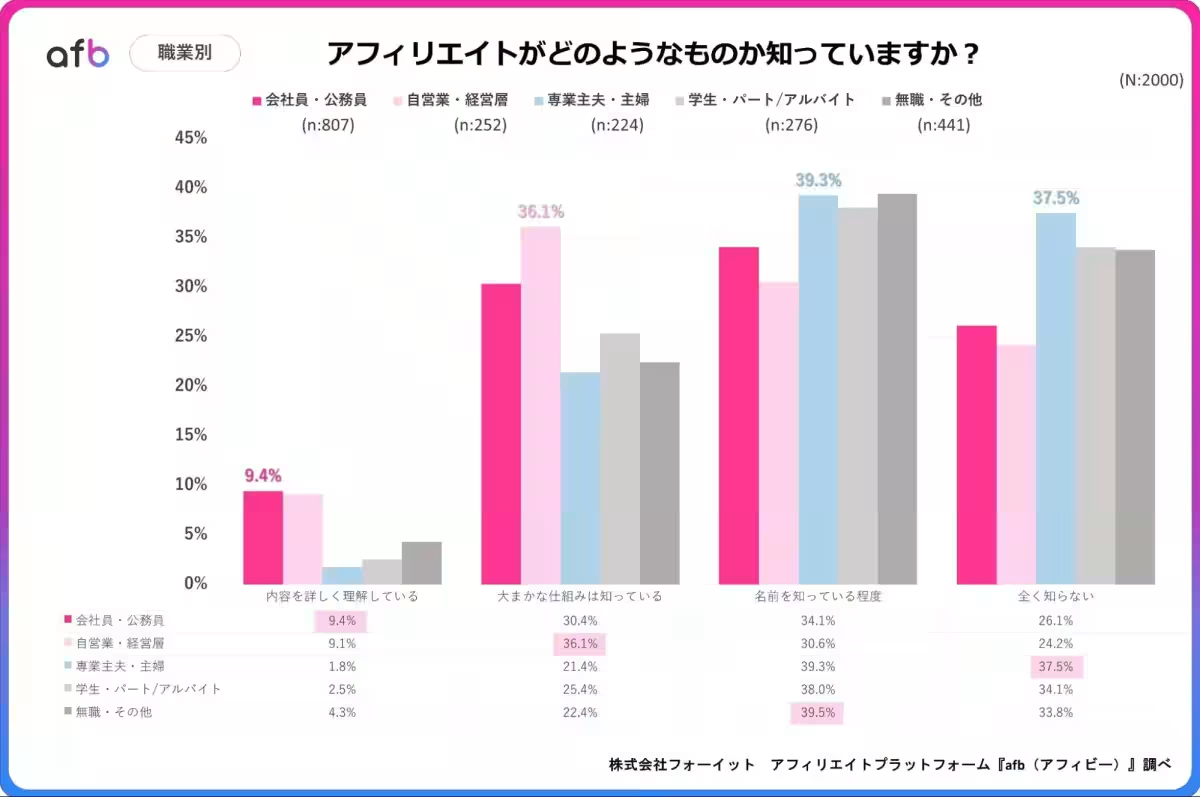
Professional Background Influence
The profession of participants also played a critical role in the levels of comprehension. Both employees and self-employed individuals showed relatively higher understanding levels (9.4% and 9.1%, respectively). In contrast, those identifying as stay-at-home parents scored the highest on the 'not familiar at all' metric (37.5%). This disparity underlines how interaction with digital platforms influences knowledge acquisition.
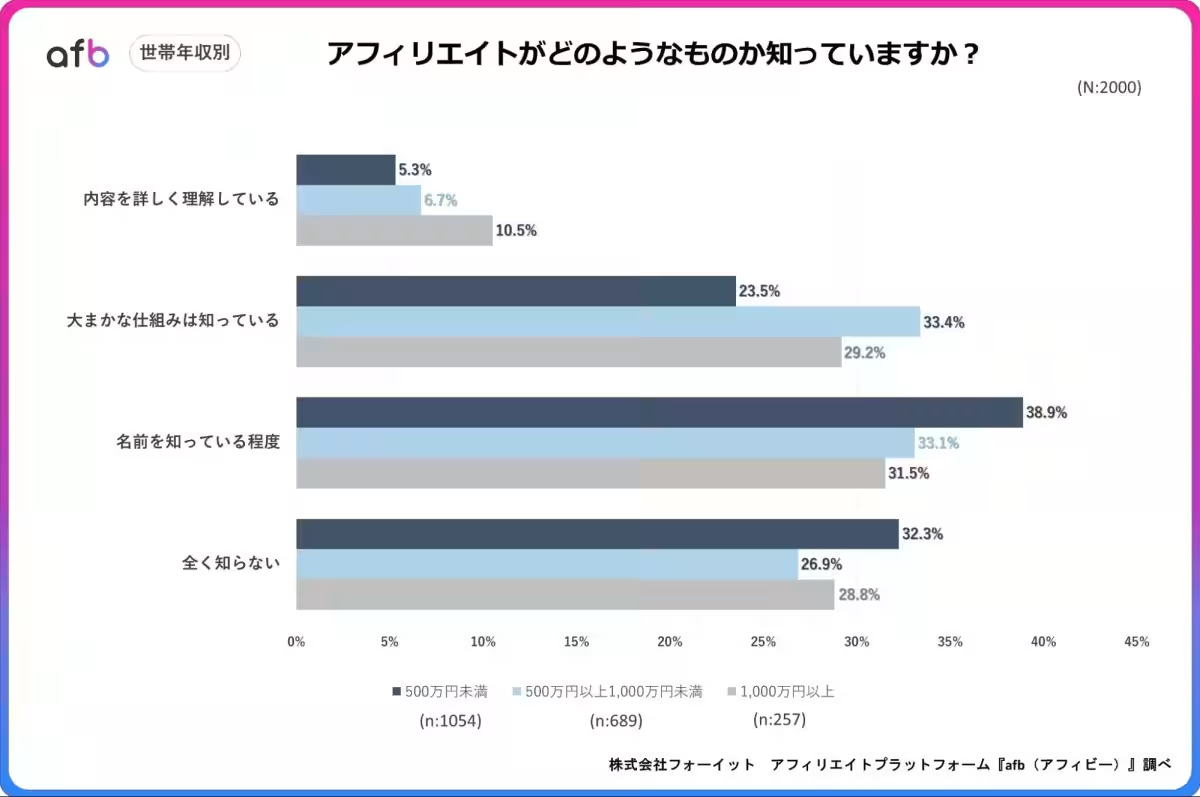
Income Level Impact
Income levels further elucidated the divide in understanding affiliate marketing. Respondents earning over 10 million yen annually scored the highest at 10.5% for detailed understanding. The comprehension ratio dropped as household income decreased. Thus, socioeconomic factors markedly influence one’s familiarity with affiliate marketing.
Key Considerations for Side Job Seekers
The survey revealed crucial insights regarding what individuals consider essential when contemplating a side job. Approximately 70% highlighted the possibility of increased earnings, stable income, and the ability to perform tasks within a limited timeframe as the most significant factors. Other considerations, such as personal growth and enjoyment, varied across demographic lines, illustrating that there is no one-size-fits-all approach to affiliate marketing.
Conclusion
As the landscape of work continues to evolve, it’s vital for individuals to grasp the mechanisms of affiliate marketing if they wish to maximize earnings. The understanding gaps highlighted in this survey serve as a reminder that knowledge dissemination is key to successful affiliate marketing endeavors. As platforms like afb continue to provide resources and training, closing these knowledge gaps will be crucial in fostering a more informed community of marketers. For further insights and updates about affiliate marketing, visit afb.


Topics Business Technology)
【About Using Articles】
You can freely use the title and article content by linking to the page where the article is posted.
※ Images cannot be used.
【About Links】
Links are free to use.