



Recent Survey Uncovers Risks Faced by Care Workers in Japanese Facilities
Understanding the Risks in Care Facilities
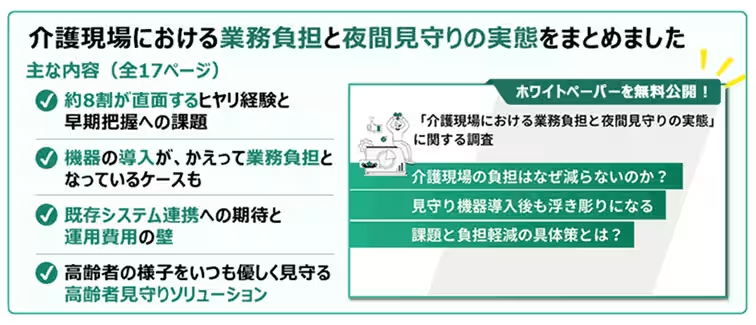
A recent survey conducted by OKI, targeting care workers and facility managers, has brought to light serious concerns regarding operational burdens and nighttime monitoring within caregiving environments. As society continues to age, challenges such as workforce shortages and increased demands on caregiving staff have become pressing issues. Among these, the critical responsibility of observing residents' safety—a task that must be upheld around the clock—has garnered significant attention. The nocturnal hours particularly spotlight the immense pressure faced by staff, who are tasked with managing emergencies with limited personnel.
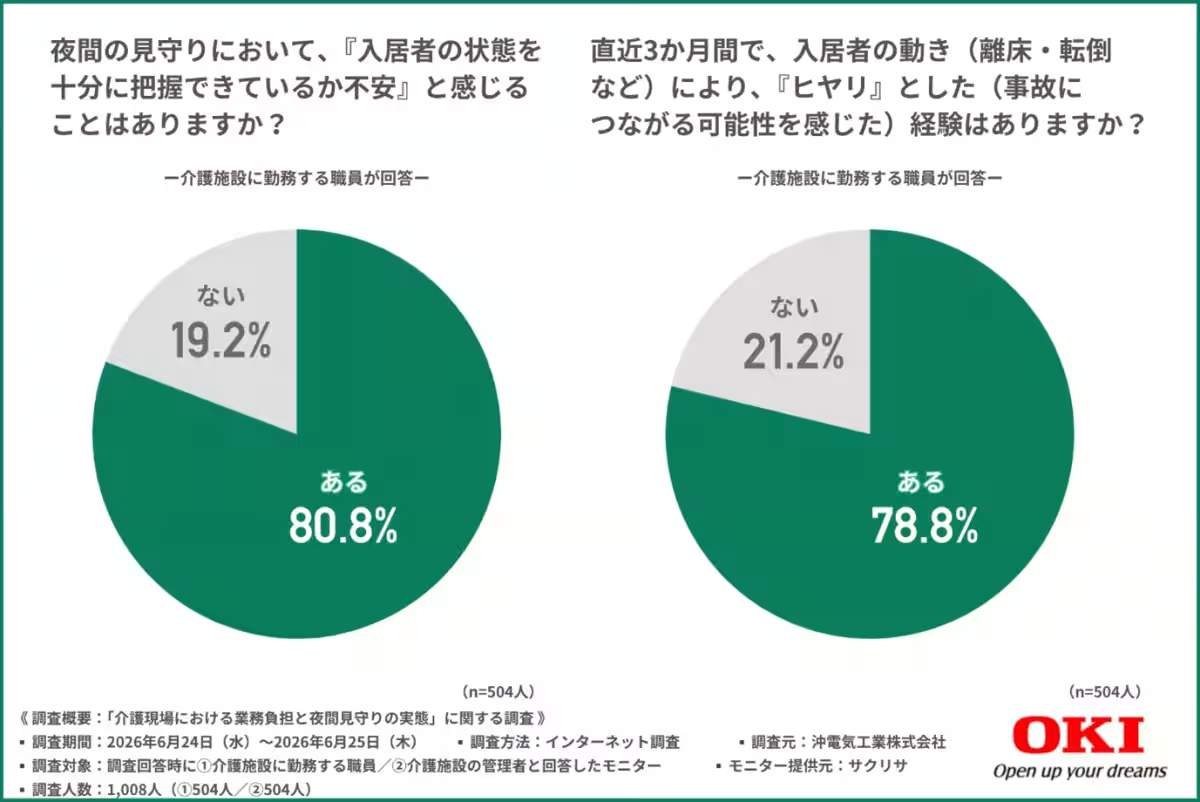
The survey's findings indicate that nearly 80% of care employees have faced alarming situations in the past three months, underlining the potential hazards posed by falls or sudden health changes among residents. An analysis of the data showcases the distribution of pressures during various times of day, revealing that nighttime tasks carry a heavy load for staff members.
Survey Highlights
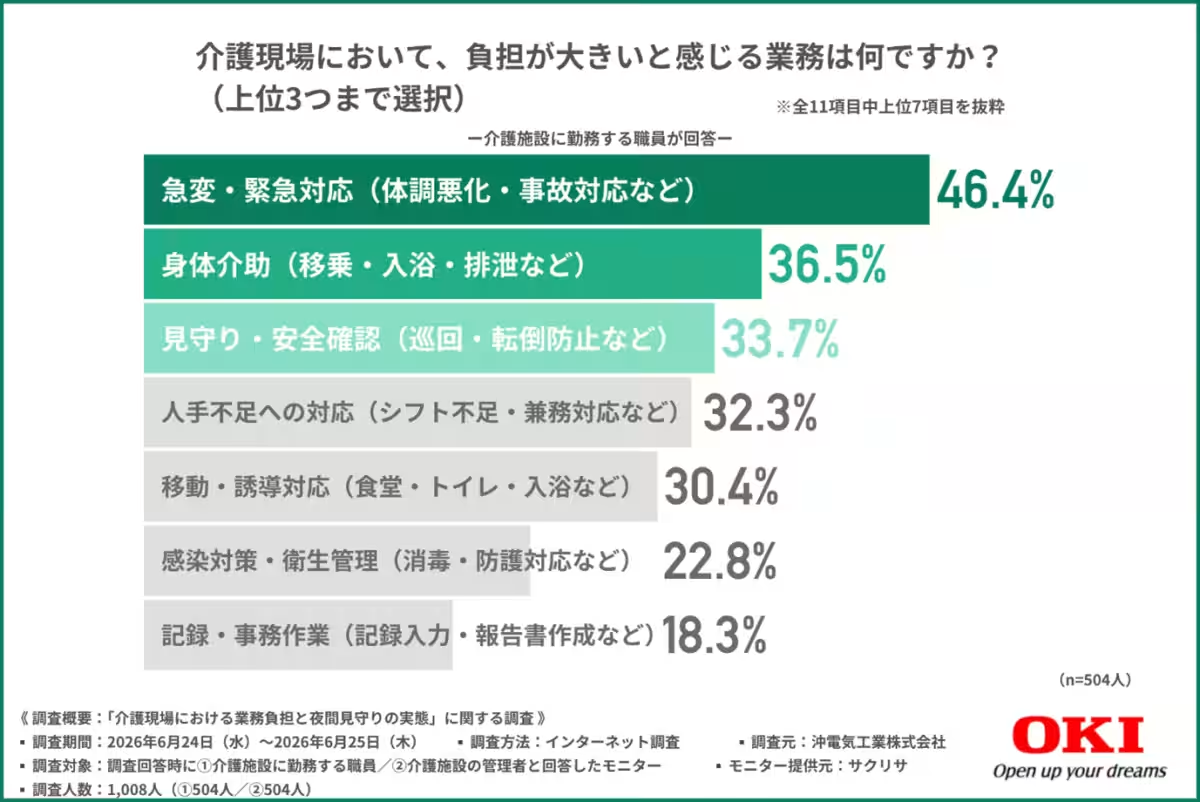
During the survey, participants were asked to pinpoint the caregiving tasks they found most burdensome. The consensus shows that 'emergency response to health deterioration or accidents' was perceived as the most demanding aspect, noted by 46.4% of those surveyed. Other significant tasks included physical assistance and safety checks. This data aligns with the understanding that unpredictable incidents requiring immediate attention heavily strain care workers.
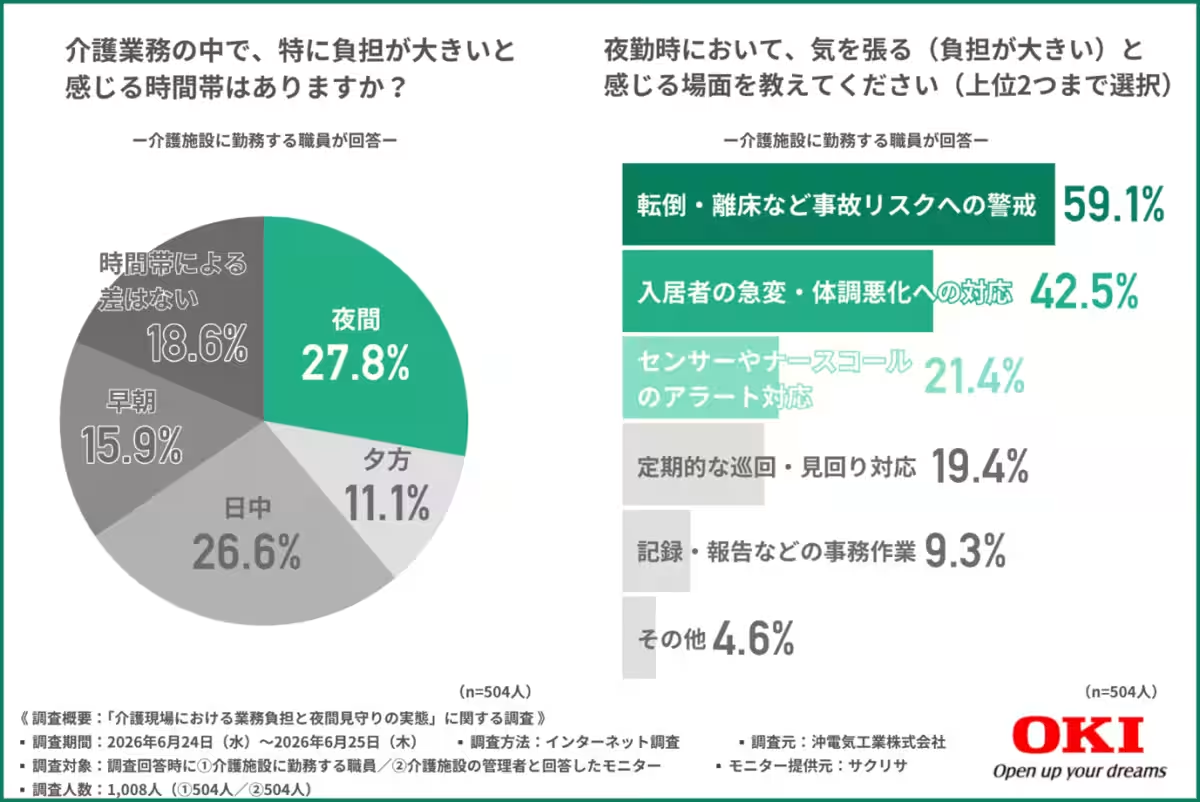
Furthermore, the survey addressed which times of day were deemed more demanding. The results were as follows:
- - Nighttime (27.8%) - Emphasis on monitoring and rounds after residents go to bed.
- - Daytime (26.6%) - Featuring bathing, recreation, and medical appointments.
- - Early Morning (15.9%) - Tasks related to wake-ups and breakfast preparations.
It is evident that nighttime hours are notably taxing, as staff has to remain vigilant while potentially managing unexpected emergencies without adequate personnel support.
Employee Concerns During Night Shifts
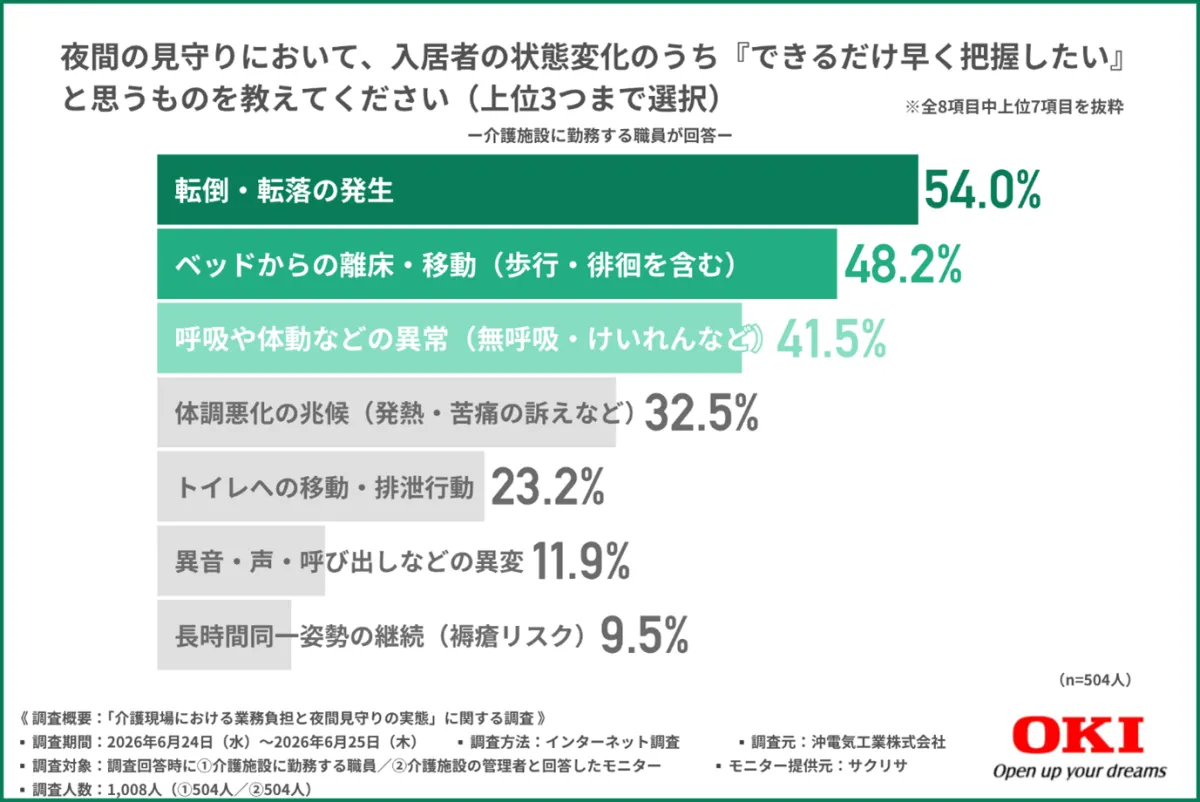
When asked about specific situations during night shifts that heighten stress or workload, 59.1% indicated a focus on preventing accidents involving falls or residents getting out of bed. Additionally, the rapid response to sudden health changes was noted by 42.5% of the respondents as a critical job pressure. The survey highlighted that roughly 80% of workers express anxiety regarding their ability to monitor resident conditions adequately during the night. This concern intensifies given that approximately 78.8% experienced 'close calls' regarding accidents in the last three months.
Need for Monitoring Devices
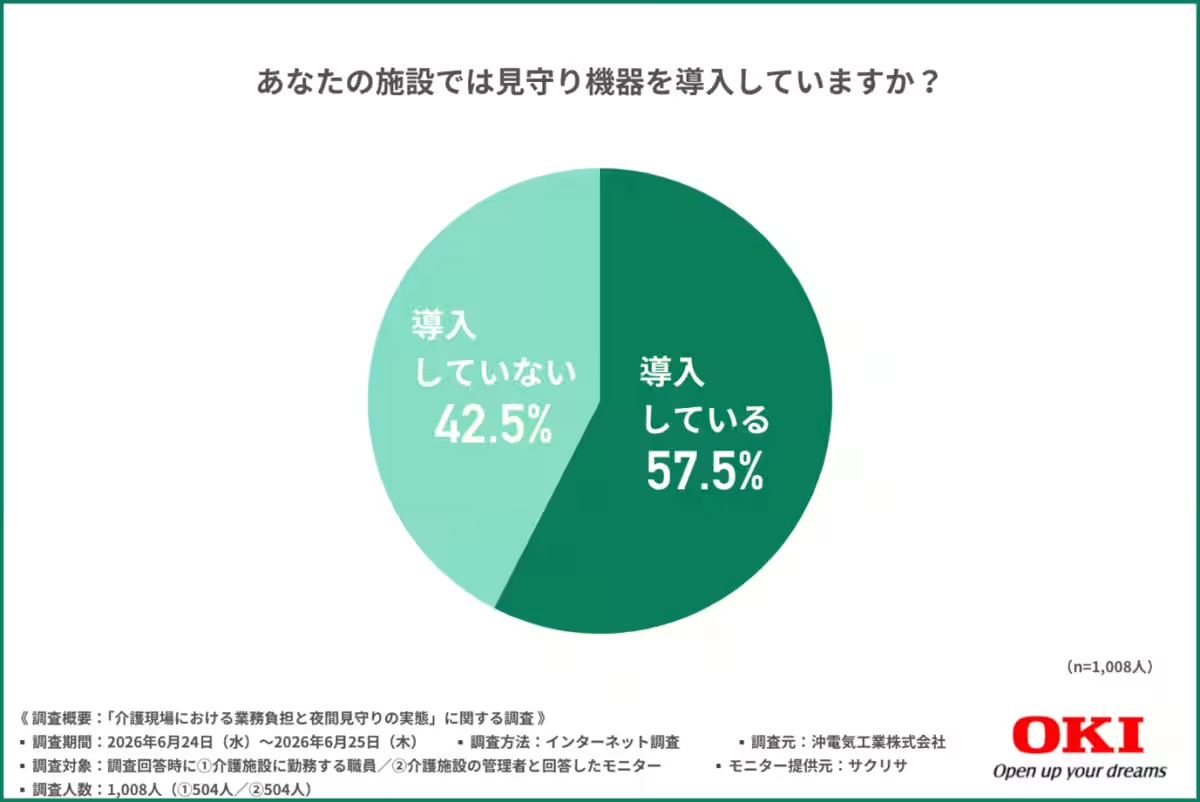
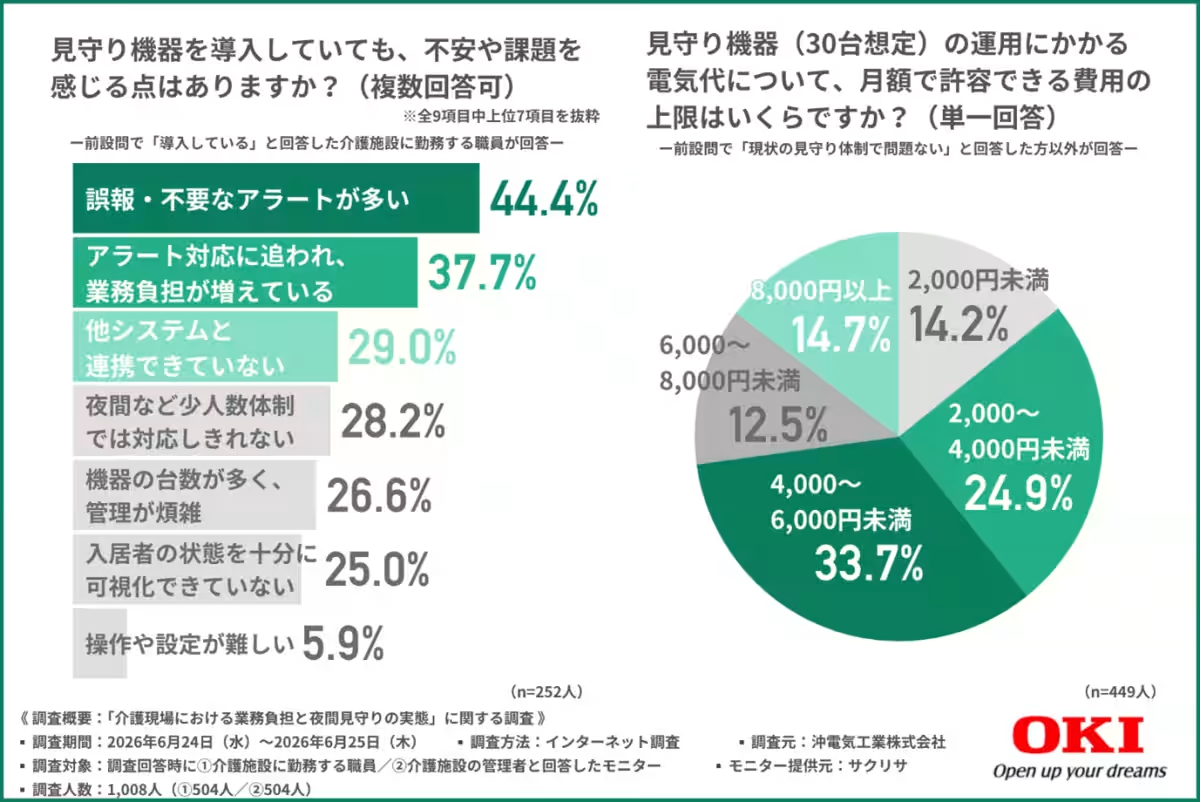
In response to these growing demands, the survey explored whether care facilities have adopted monitoring equipment. Results indicated that 57.5% of facilities have implemented such systems. However, challenges persist. Respondents reported that 44.4% face issues with false alarms from the devices, and about 37.7% indicate their burden has increased due to the response requirements these devices create.
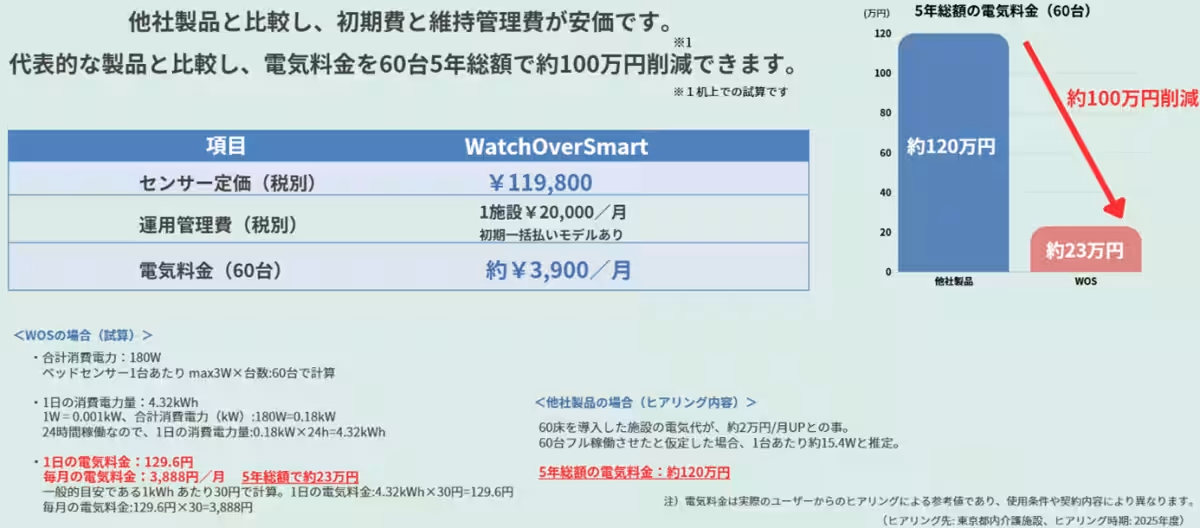
The survey also investigated cost considerations for facilities contemplating the introduction of monitoring systems. Many facilities expressed a clear preference for managing operational costs, with most respondents willing to spend between 4,000 to 6,000 yen on electricity for these devices monthly.
Conclusion
In conclusion, the survey from OKI casts a spotlight on the considerable stress care workers face, particularly during nighttime hours. The introduction of monitoring devices serves as a potential solution, yet it brings new challenges in the form of operational complexities and financial constraints. As the industry evolves, it will be critical to create practical mechanisms that not only enhance caregiving capabilities but also reduce the burdens placed on these dedicated workers.
Featured Technology: WatchOverSmart
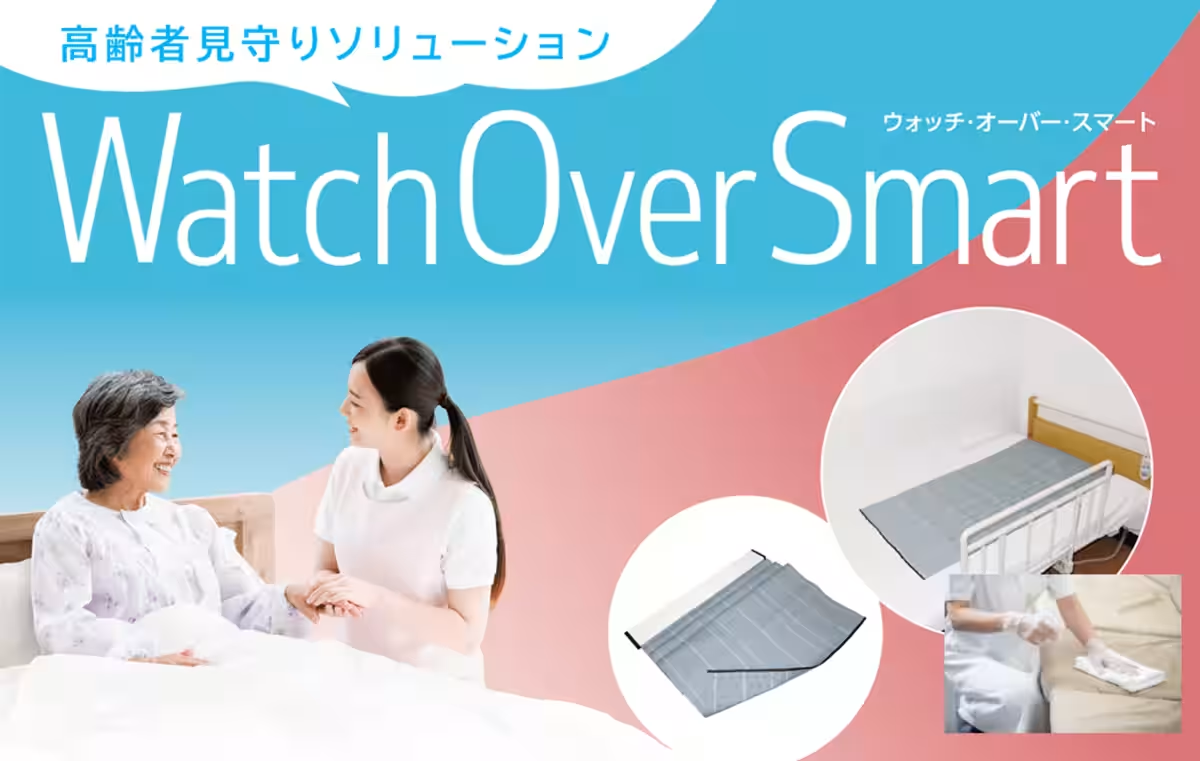
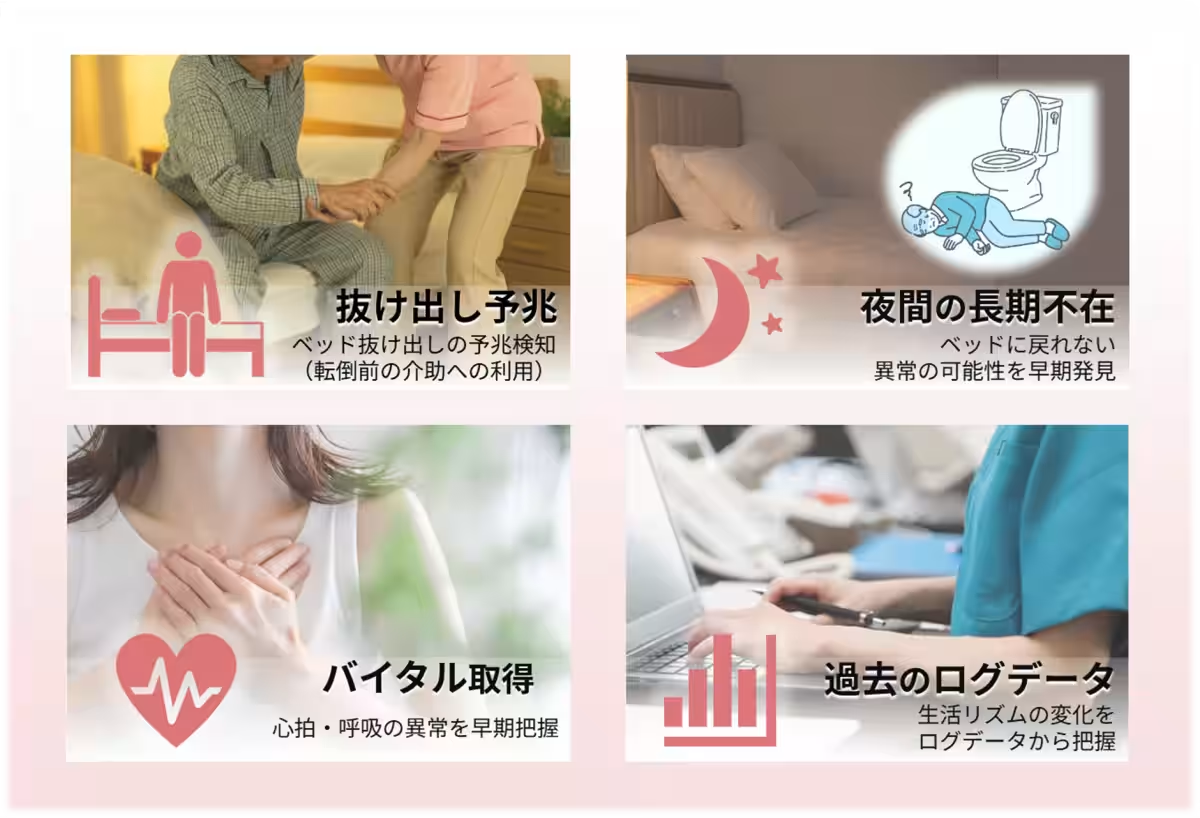
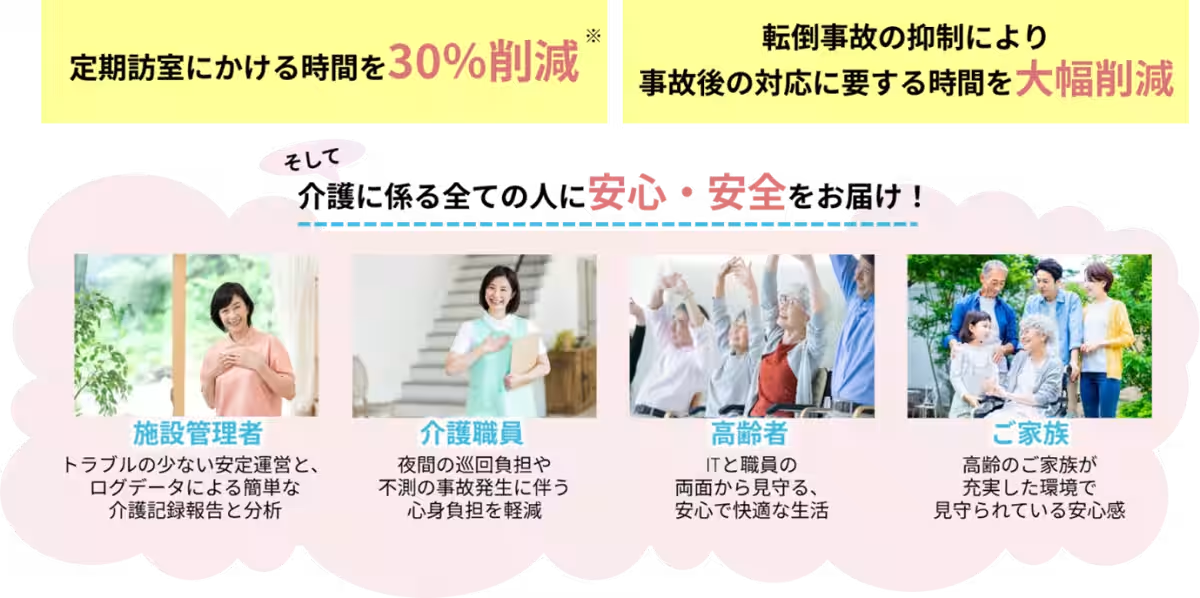
In response to these challenges, OKI has developed 'WatchOverSmart,' a monitoring solution aimed at improving safety and efficiency in caregiving environments. The system is designed to effectively track residents' vital signs and movements, helping caregivers minimize risks and concentrate on their primary responsibilities while ensuring the wellbeing of elderly residents. As care facilities navigate the urgent need for effective monitoring solutions, the continuous adaptation and integration of technologies like WatchOverSmart will be vital in fortifying the caregiving landscape.
Topics Health)
【About Using Articles】
You can freely use the title and article content by linking to the page where the article is posted.
※ Images cannot be used.
【About Links】
Links are free to use.