



Understanding Mobile Game User Behavior: Dropout and Return Rates Analyzed
Lighthouse Studio has unveiled the results of a recent survey focused on mobile game user behavior regarding dropout, continuation, and return rates. The research surveyed 300 mobile game players across Japan from January 28 to February 9, 2026, revealing significant insights into why users disengage from new titles shortly after installation.
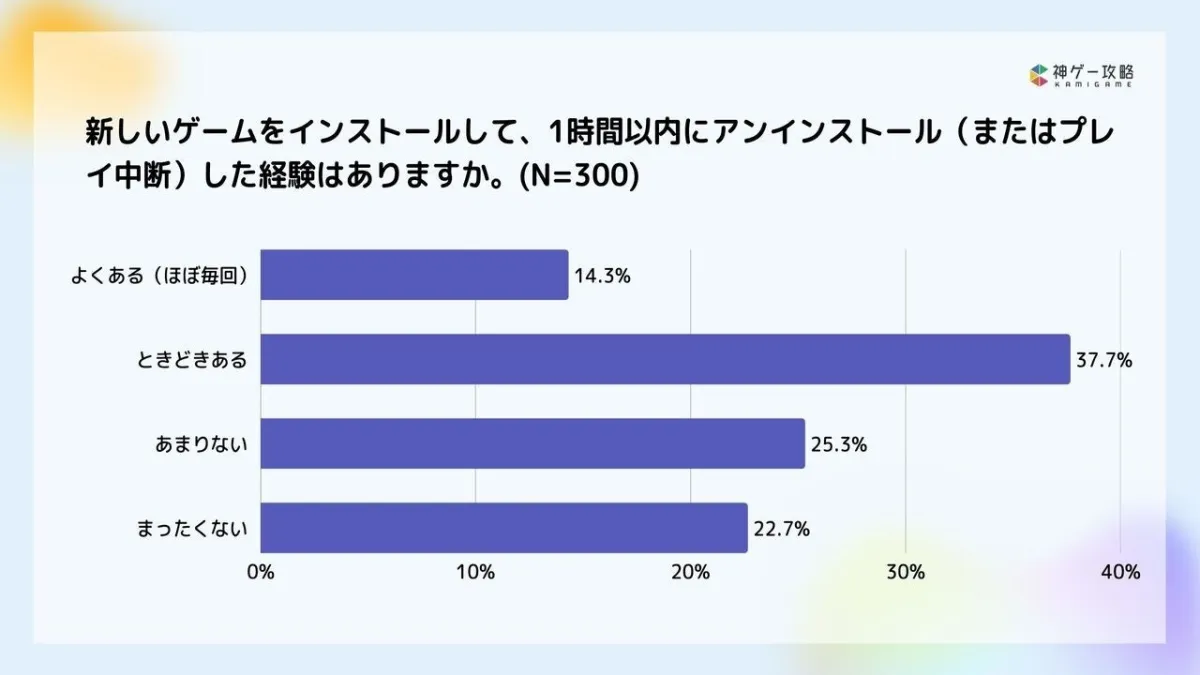
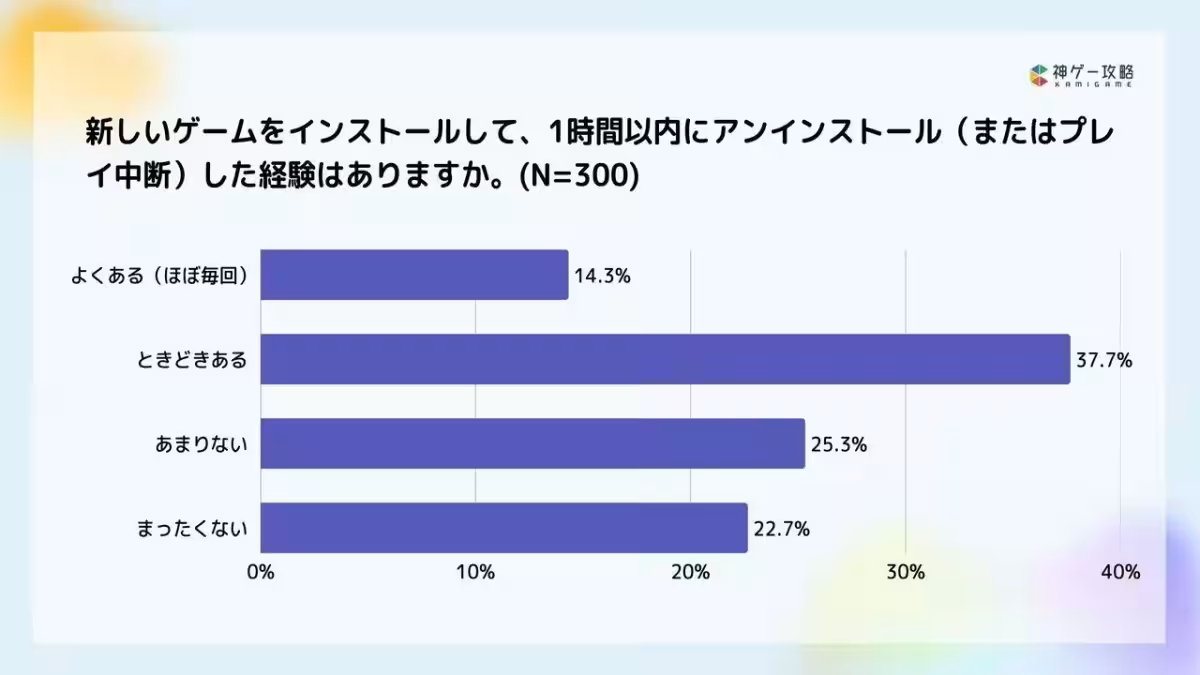
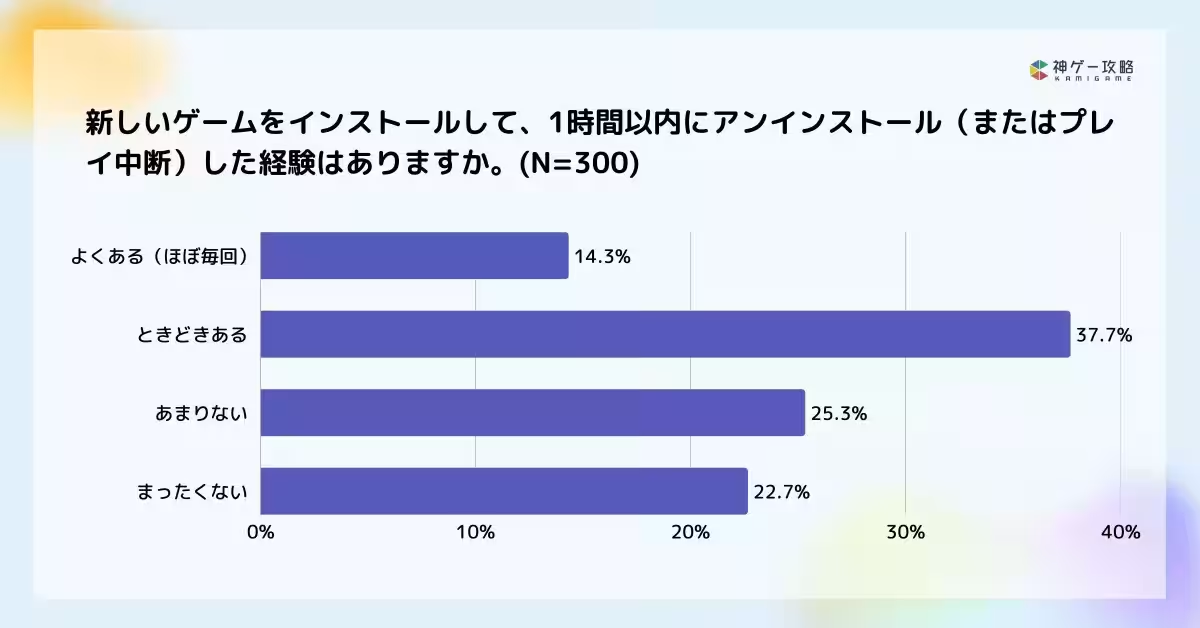
The survey results indicate that a staggering 52.0% of respondents have experienced quitting a new mobile game within just an hour of play. This alarming trend points to a critical crossroads for mobile game developers in how they approach player retention and early engagement.
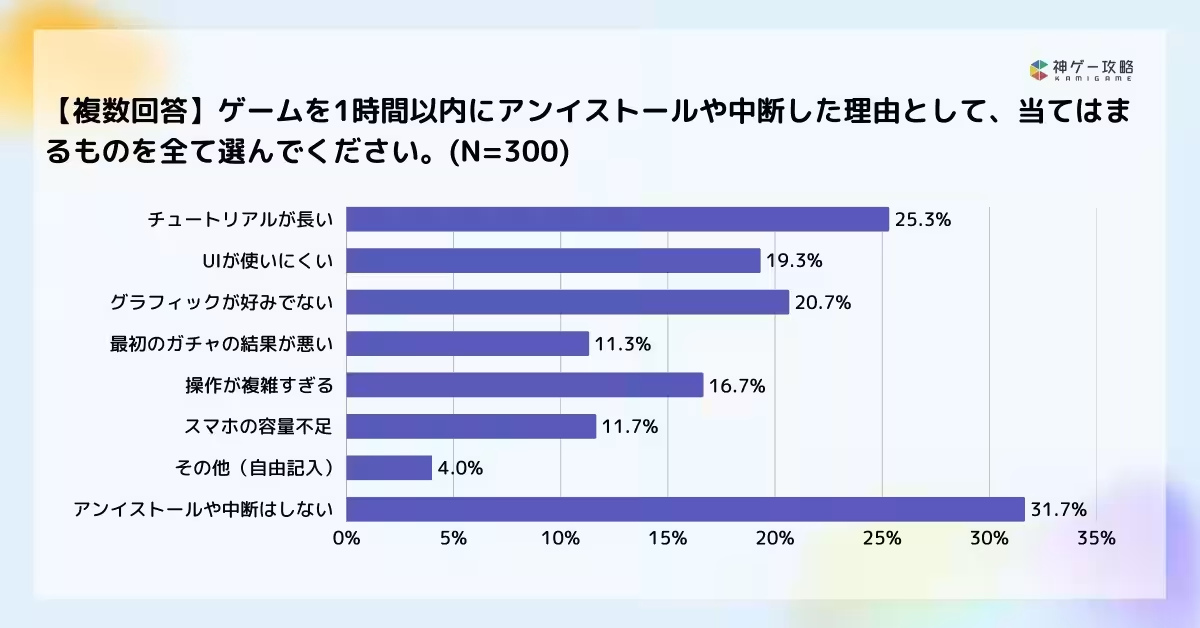
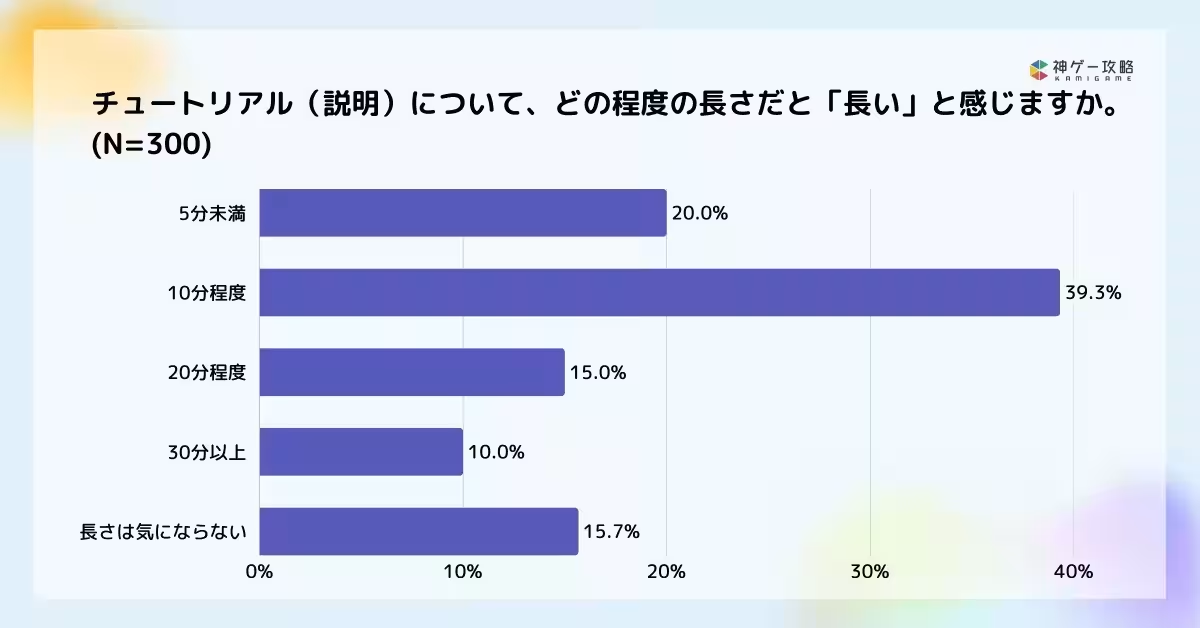
Among those who dropped out, the predominant reason cited was that the tutorials were too long; 25.3% of respondents specified tutorial length as a major deterrent. Additionally, a striking 39.3% felt that a tutorial duration of about 10 minutes was overly long. This suggests a pressing need for developers to streamline tutorials to enhance user experience and maintain player interest right from the start.
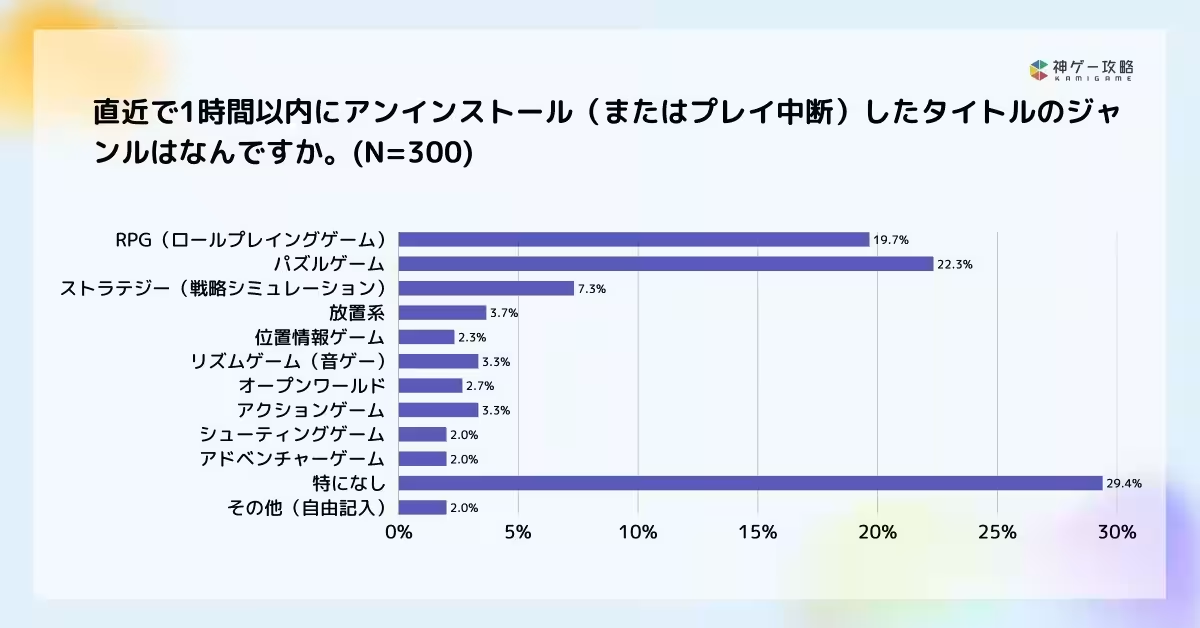
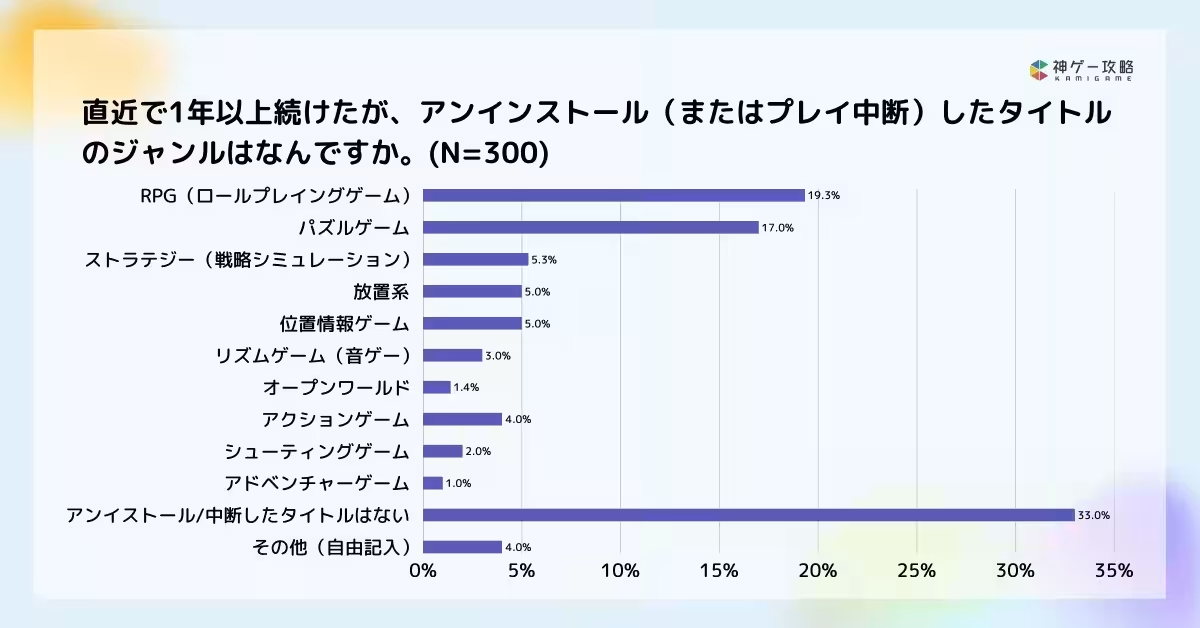
Analyzing the types of games that players tend to abandon within the first hour, the findings reveal that Puzzle Games (22.3%) and RPGs (19.7%) lead the pack. Other genres, such as Strategy games, lag significantly behind with only 7.3% of users quitting early.
In examining why players chose to stop playing a game, many pointed to dissatisfaction with initial gameplay elements. Beyond long tutorials, reasons like poor graphics (20.7%) and difficult user interfaces (19.3%) also ranked high, suggesting that first impressions are crucial in shaping long-term engagement.
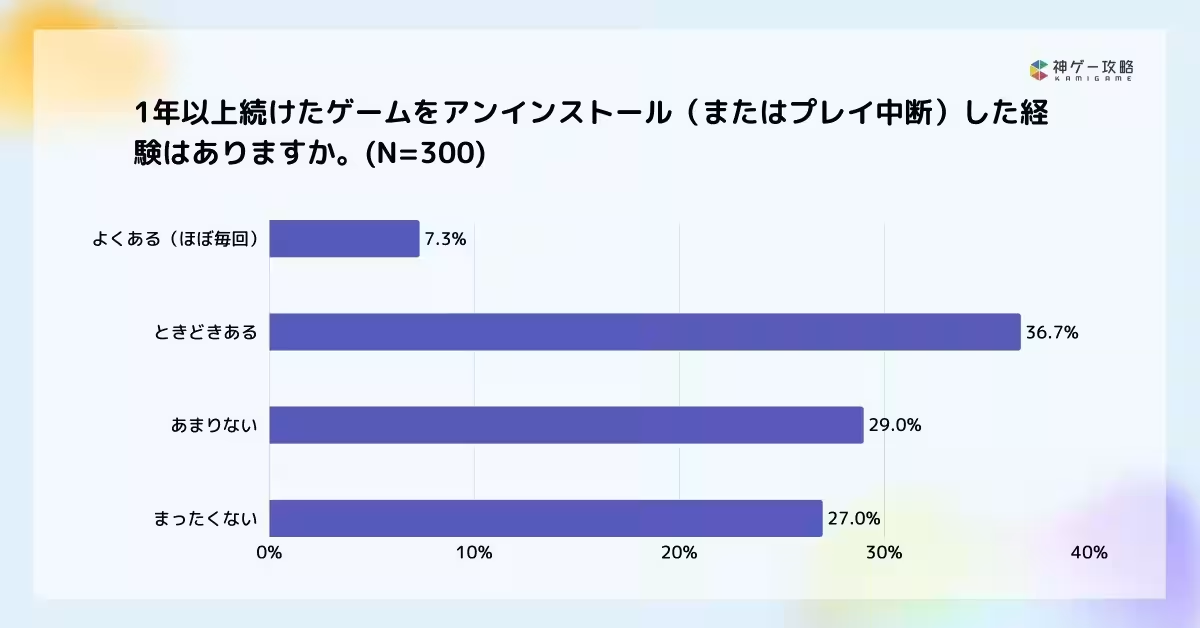
Even players who have maintained their engagement for over a year aren't immune to quitting. Approximately 44.0% of these long-term players report having left a game at some point, indicating that player retention remains an ongoing challenge in the competitive mobile gaming landscape.
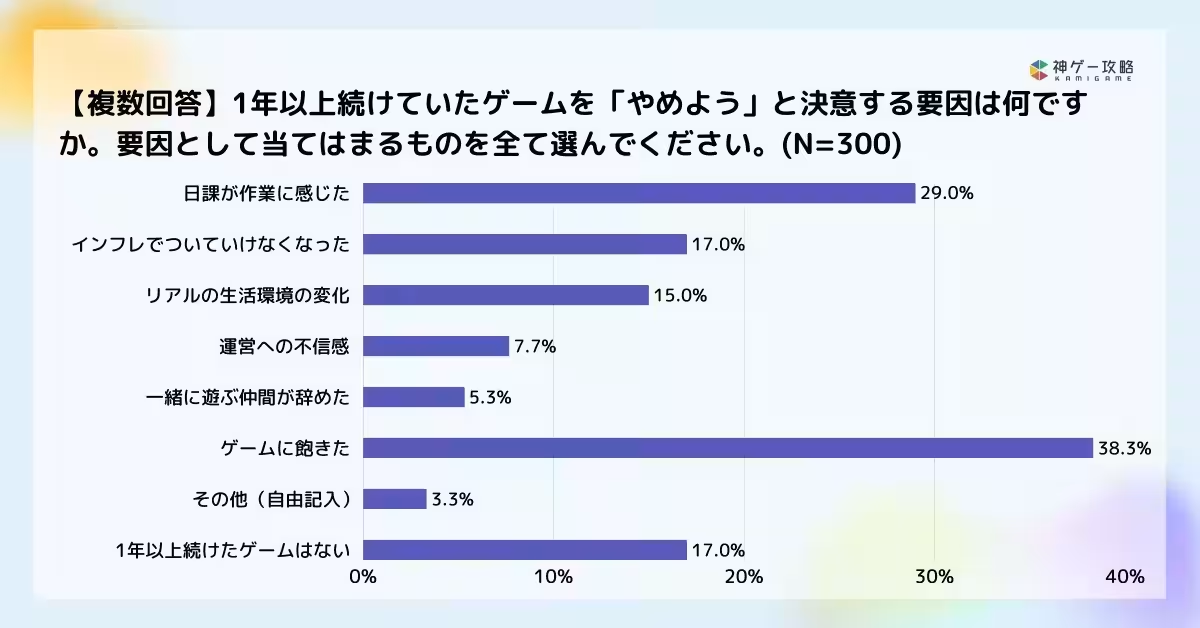
The leading reason for long-term disengagement was simply 'getting bored' (38.3%), followed by the sensation of daily tasks becoming mere chores (29.0%). These findings emphasize the importance of keeping content fresh and engaging to avoid stagnation.
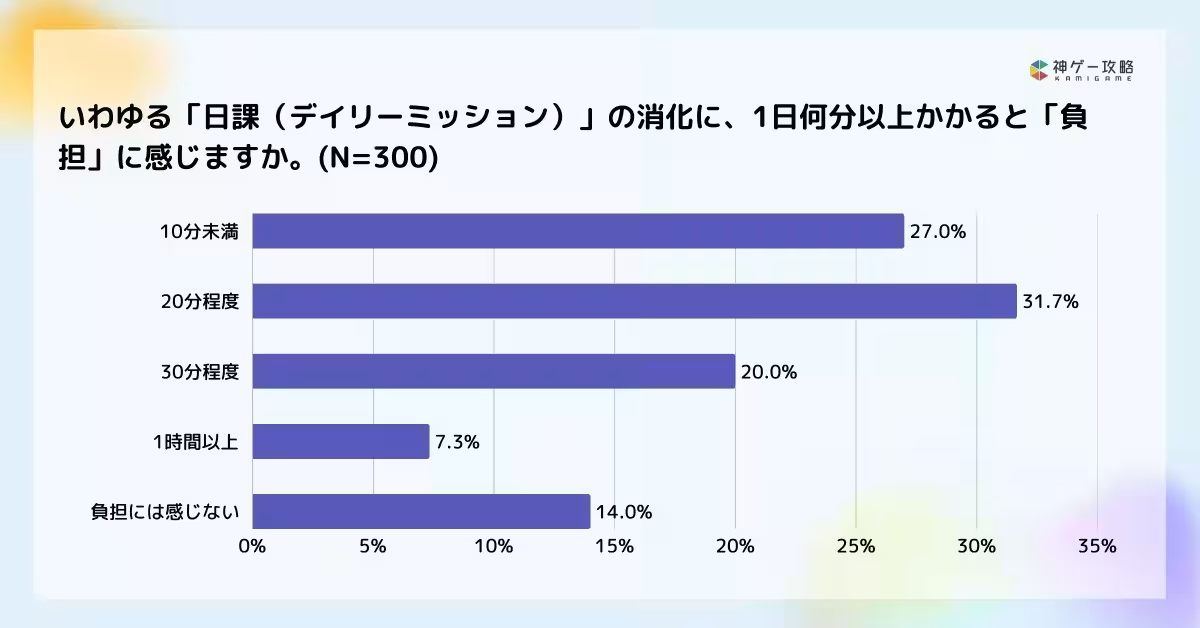
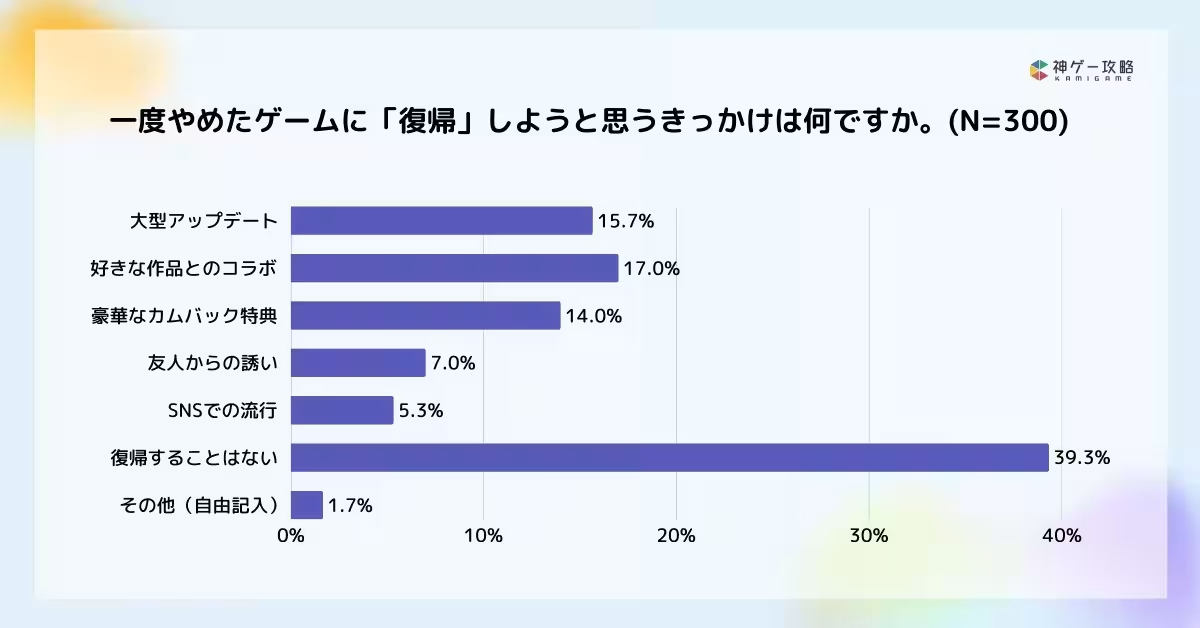
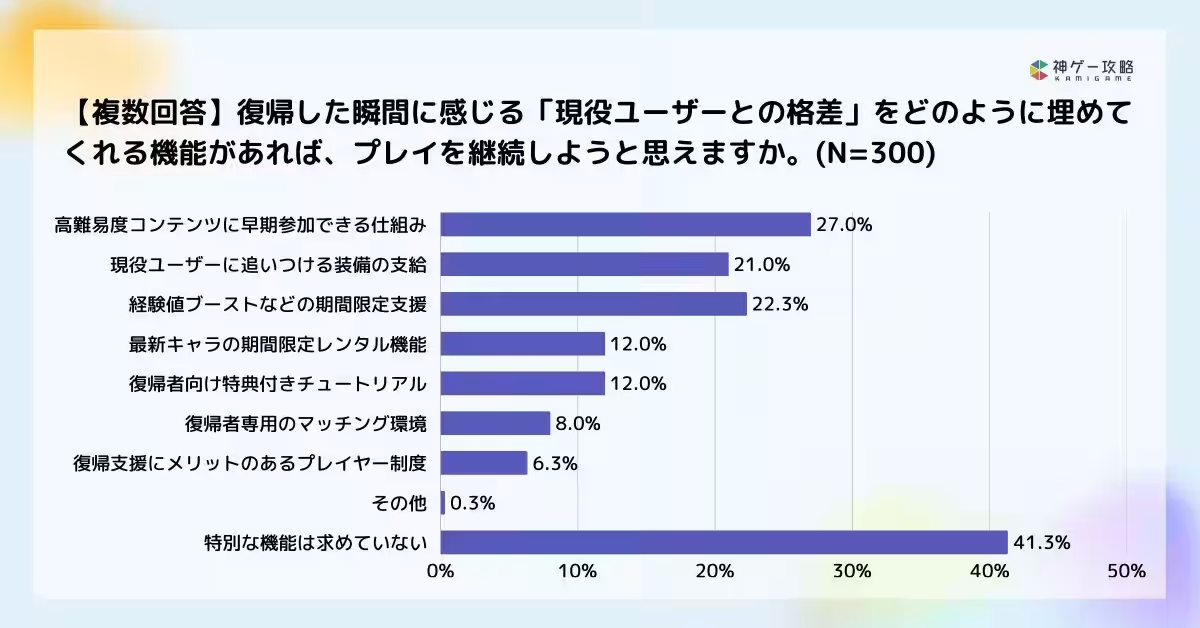
When it comes to daily tasks, players expressed that a commitment of 20 minutes on daily missions felt burdensome, with 31.7% of respondents indicating this timeframe as a tipping point for frustration. Notably, even after taking a break, players are hesitant to return: 39.3% don't plan to come back to games they've previously quit. Yet, when players do return, a majority (41.3%) aren’t seeking special perks; they simply want a simple path to reconnect with previous progress. This highlights the need for designing return strategies that allow players to easily reinstate their engagement without feeling overwhelmed.
In summary, Lighthouse Studio’s survey sheds light on crucial aspects of mobile gaming behavior. As the industry continues to evolve, understanding the nuances of player engagement—from the initial experience to long-term retention—will be critical for developers aiming to foster a loyal user base. The findings will likely lead to a shift in how games are designed and marketed to ensure that players not only join but also remain active and engaged. The responsibility lies within the gaming companies to listen to their users and craft experiences that are compelling from the very first click.
Lighthouse Studio, a subsidiary of CARTA HOLDINGS, operates popular media channels like 'Kami Game Strategy', delivering gaming information to a community that exceeds 100 million monthly page views. With a commitment to solving problems for users and companies alike, they continue to innovate in the gaming and influencer marketing sectors through initiatives such as LIT LIVE. You can learn more about their work at Lighthouse Studio's website.
Key Findings
The survey results indicate that a staggering 52.0% of respondents have experienced quitting a new mobile game within just an hour of play. This alarming trend points to a critical crossroads for mobile game developers in how they approach player retention and early engagement.
Among those who dropped out, the predominant reason cited was that the tutorials were too long; 25.3% of respondents specified tutorial length as a major deterrent. Additionally, a striking 39.3% felt that a tutorial duration of about 10 minutes was overly long. This suggests a pressing need for developers to streamline tutorials to enhance user experience and maintain player interest right from the start.
Game Genre Insights
Analyzing the types of games that players tend to abandon within the first hour, the findings reveal that Puzzle Games (22.3%) and RPGs (19.7%) lead the pack. Other genres, such as Strategy games, lag significantly behind with only 7.3% of users quitting early.
In examining why players chose to stop playing a game, many pointed to dissatisfaction with initial gameplay elements. Beyond long tutorials, reasons like poor graphics (20.7%) and difficult user interfaces (19.3%) also ranked high, suggesting that first impressions are crucial in shaping long-term engagement.
Long-Term Player Dropout Trends
Even players who have maintained their engagement for over a year aren't immune to quitting. Approximately 44.0% of these long-term players report having left a game at some point, indicating that player retention remains an ongoing challenge in the competitive mobile gaming landscape.
The leading reason for long-term disengagement was simply 'getting bored' (38.3%), followed by the sensation of daily tasks becoming mere chores (29.0%). These findings emphasize the importance of keeping content fresh and engaging to avoid stagnation.
Daily Engagement and Comeback Factors
When it comes to daily tasks, players expressed that a commitment of 20 minutes on daily missions felt burdensome, with 31.7% of respondents indicating this timeframe as a tipping point for frustration. Notably, even after taking a break, players are hesitant to return: 39.3% don't plan to come back to games they've previously quit. Yet, when players do return, a majority (41.3%) aren’t seeking special perks; they simply want a simple path to reconnect with previous progress. This highlights the need for designing return strategies that allow players to easily reinstate their engagement without feeling overwhelmed.
Conclusion
In summary, Lighthouse Studio’s survey sheds light on crucial aspects of mobile gaming behavior. As the industry continues to evolve, understanding the nuances of player engagement—from the initial experience to long-term retention—will be critical for developers aiming to foster a loyal user base. The findings will likely lead to a shift in how games are designed and marketed to ensure that players not only join but also remain active and engaged. The responsibility lies within the gaming companies to listen to their users and craft experiences that are compelling from the very first click.
About Lighthouse Studio
Lighthouse Studio, a subsidiary of CARTA HOLDINGS, operates popular media channels like 'Kami Game Strategy', delivering gaming information to a community that exceeds 100 million monthly page views. With a commitment to solving problems for users and companies alike, they continue to innovate in the gaming and influencer marketing sectors through initiatives such as LIT LIVE. You can learn more about their work at Lighthouse Studio's website.
Topics Entertainment & Media)
【About Using Articles】
You can freely use the title and article content by linking to the page where the article is posted.
※ Images cannot be used.
【About Links】
Links are free to use.