



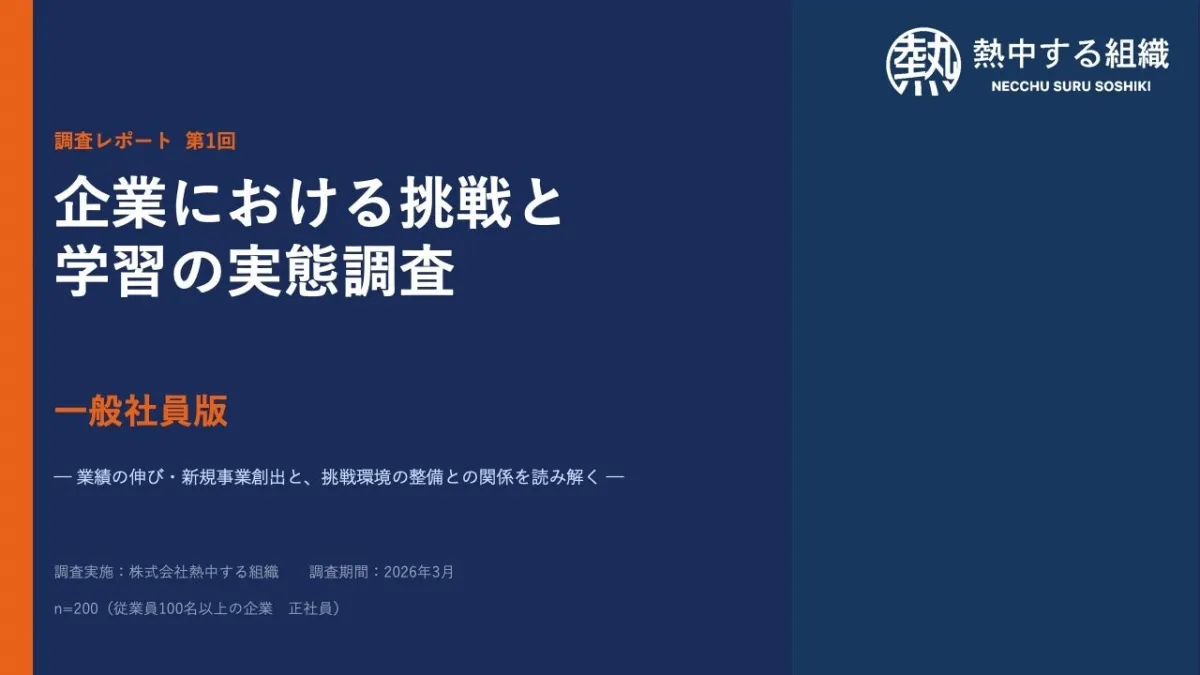
Key Findings from a Survey on Challenges and Learning in Japanese Companies
Overview of the Survey on Challenges and Learning in Organizations
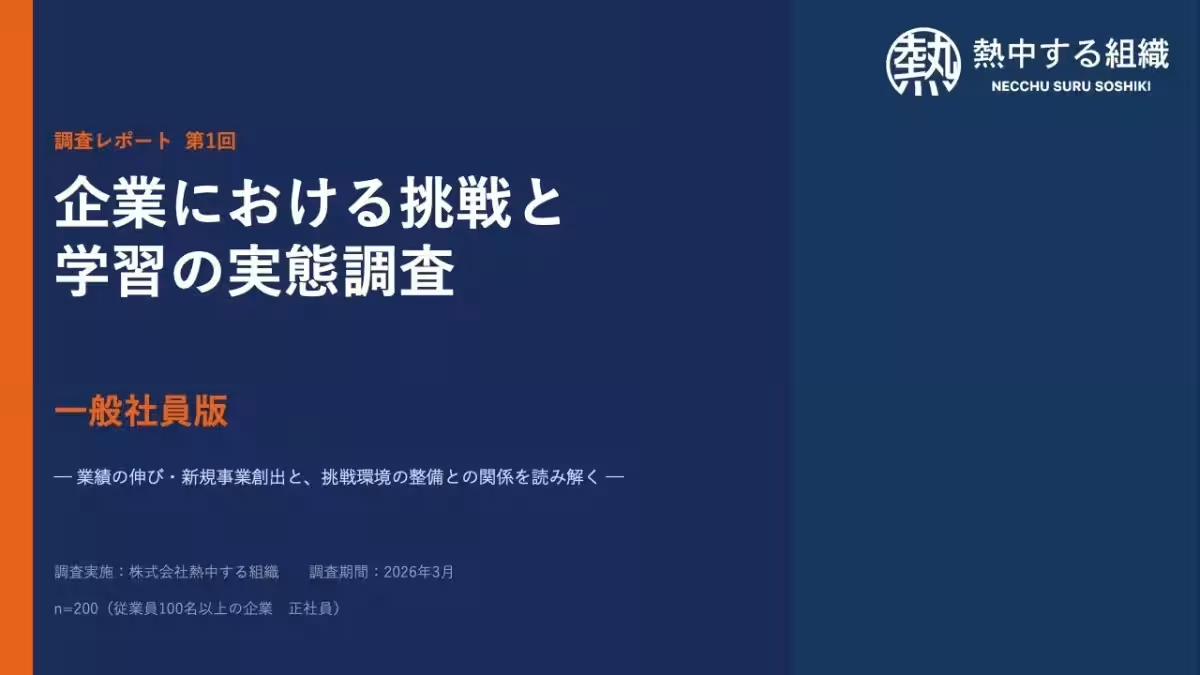
A recent investigation conducted by Netchu Soshiki Co., Ltd., based in Minato City, Tokyo, sheds light on the critical role of organizational environments in fostering employee engagement and growth. The survey examined 200 employees from companies with over 100 staff members, revealing a significant divide in perceptions and practices regarding challenge and learning opportunities within Japanese organizations.
Major Findings
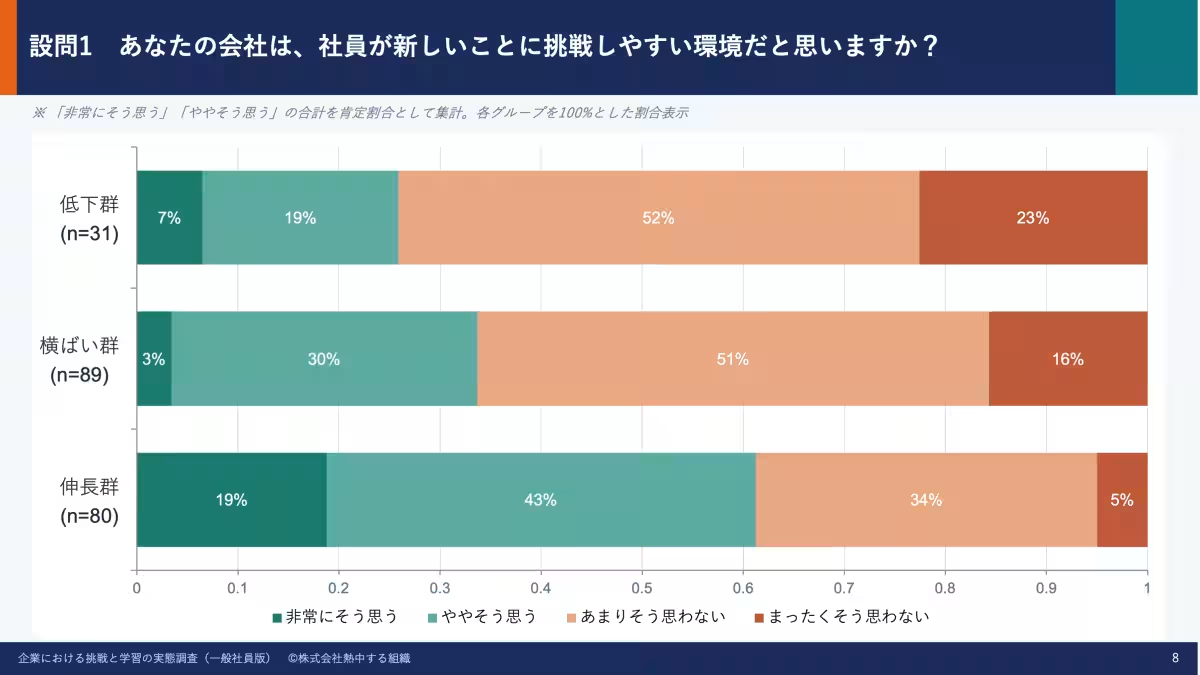
The survey highlights that while 75% of growth-oriented companies provide a conducive environment for challenges, only 19% of declining firms exhibit similar traits, marking a staggering 56-point difference. This disparity suggests an underlying structure that impacts organizational effectiveness significantly.
Recognition of a Supportive Environment
Among the respondents, a clear pattern emerged correlating organizational growth with perceptions of challenge-friendly environments. About 61% of employees in growth-oriented companies consider their workplace supportive, compared to only 26% in declining firms. This indicates that successful organizations more commonly foster a culture of risk-taking and challenge.
Disparity in Structural Support
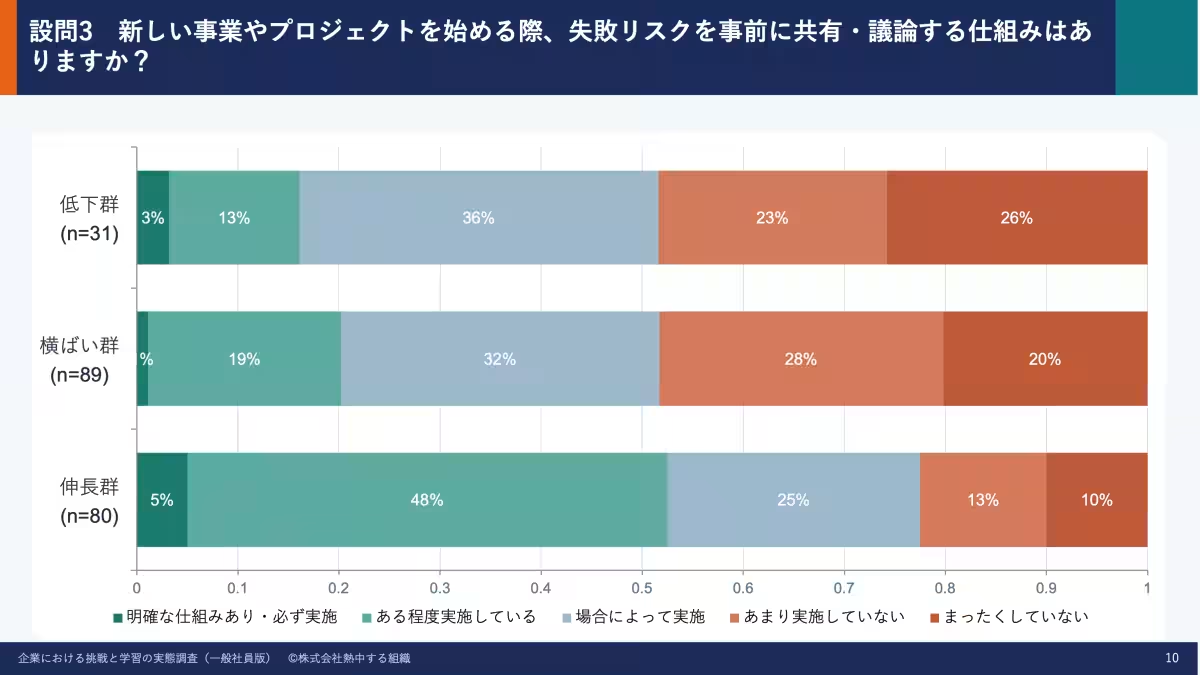
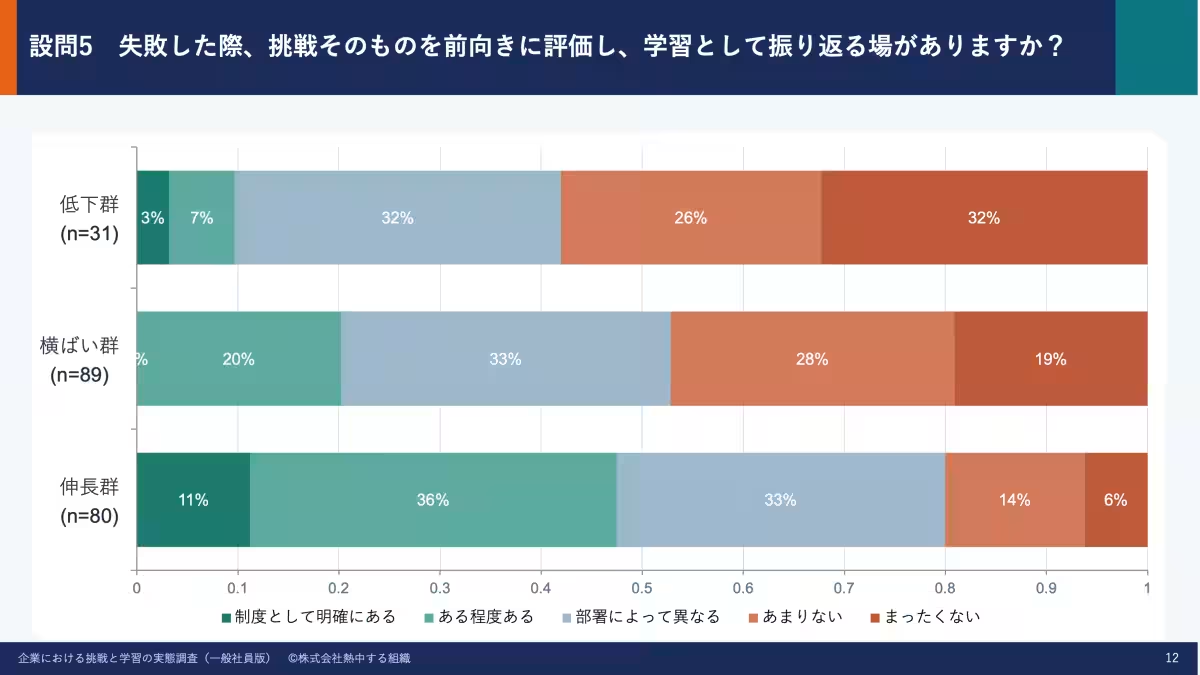
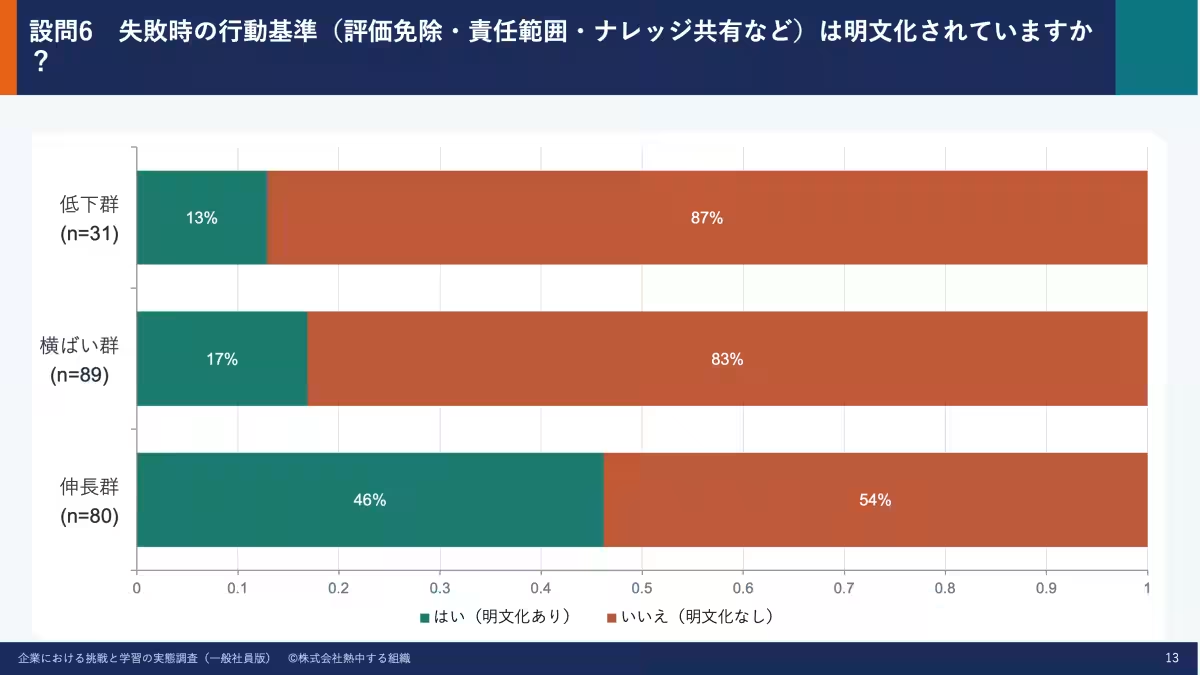
In contrast to the positive perception of challenge environments, actual support structures (such as mechanisms for sharing failure risk and standardizing responses) show alarming deficiencies in declining organizations, with favorable responses languishing between 10% and 20%. Moreover, stagnating firms share similarly low rates for their supportive measures, ranging from 17% to 20%. This inconsistency highlights a gap where perceptions do not align with reality.
Distinctive Role of Leadership Support
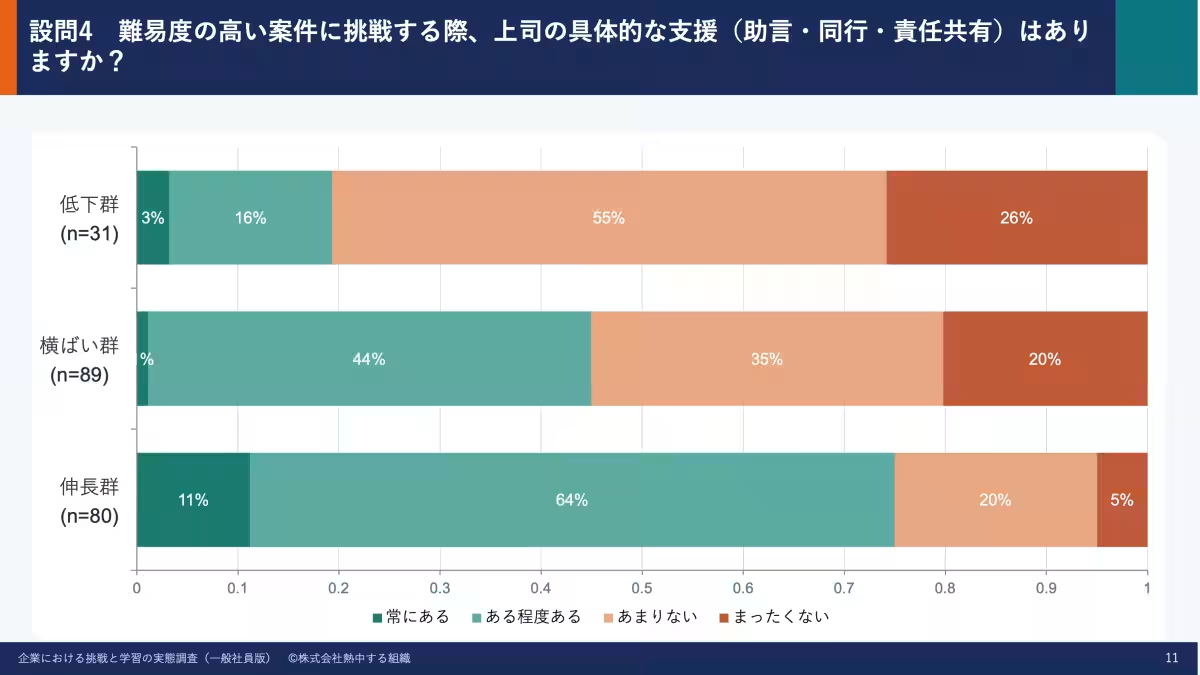
The role of leadership emerged as a pivotal factor affecting employees’ willingness to take risks in their work. Approximately 75% of employees in growth-focused companies reported receiving concrete support from their superiors when tackling challenging tasks, while this dropped to 19% in declining companies. This 56-point variance is one of the most telling indicators of how leadership directly influences operational efficacy.
Structural Risks in Stagnation
Interestingly, even companies that maintain steady performance fail to establish adequate structures for challenge and learning. With similar rates of support systems as declining companies, these organizations could also face risks should external conditions shift adversely, showing that current stability could be misleading.
Implications and Conclusion
The survey's insights suggest the existing performance gaps are not merely a reflection of employee willingness but are intrinsic to the organization's structural design and management practices. For companies stuck at a standstill, the lack of developmental frameworks puts them at the mercy of external factors, risking future downturns.
To ameliorate these issues, more granular analyses are essential. The survey’s comprehensive data provides a roadmap for understanding the factors contributing to performance variances, revealing common attributes among successful firms. It articulates the systems organizations must develop to ensure employee engagement and adaptive learning.
In conclusion, to thrive in a competitive landscape, organizations must not only recognize the need for a supportive environment but also actively cultivate the structures that underpin continuous learning and challenge acceptance among employees.
Survey Overview
- - Survey Name: Survey on Challenges and Learning in Organizations (General Employee Edition)
- - Conducted by: Netchu Soshiki Co., Ltd.
- - Sample Size: 200 employees from companies with 100+ staff
- - Methodology: Internet-based survey
- - Duration: March 17 - March 26, 2026
For a full breakdown of the report, including detailed findings and recommendations, you can follow the provided links.
Topics Business Technology)

【About Using Articles】
You can freely use the title and article content by linking to the page where the article is posted.
※ Images cannot be used.
【About Links】
Links are free to use.