




Sustainable Sunglasses That Redefine Fashion with Environmental Consciousness
Designing Circulation: The Unique Sustainable Sunglasses
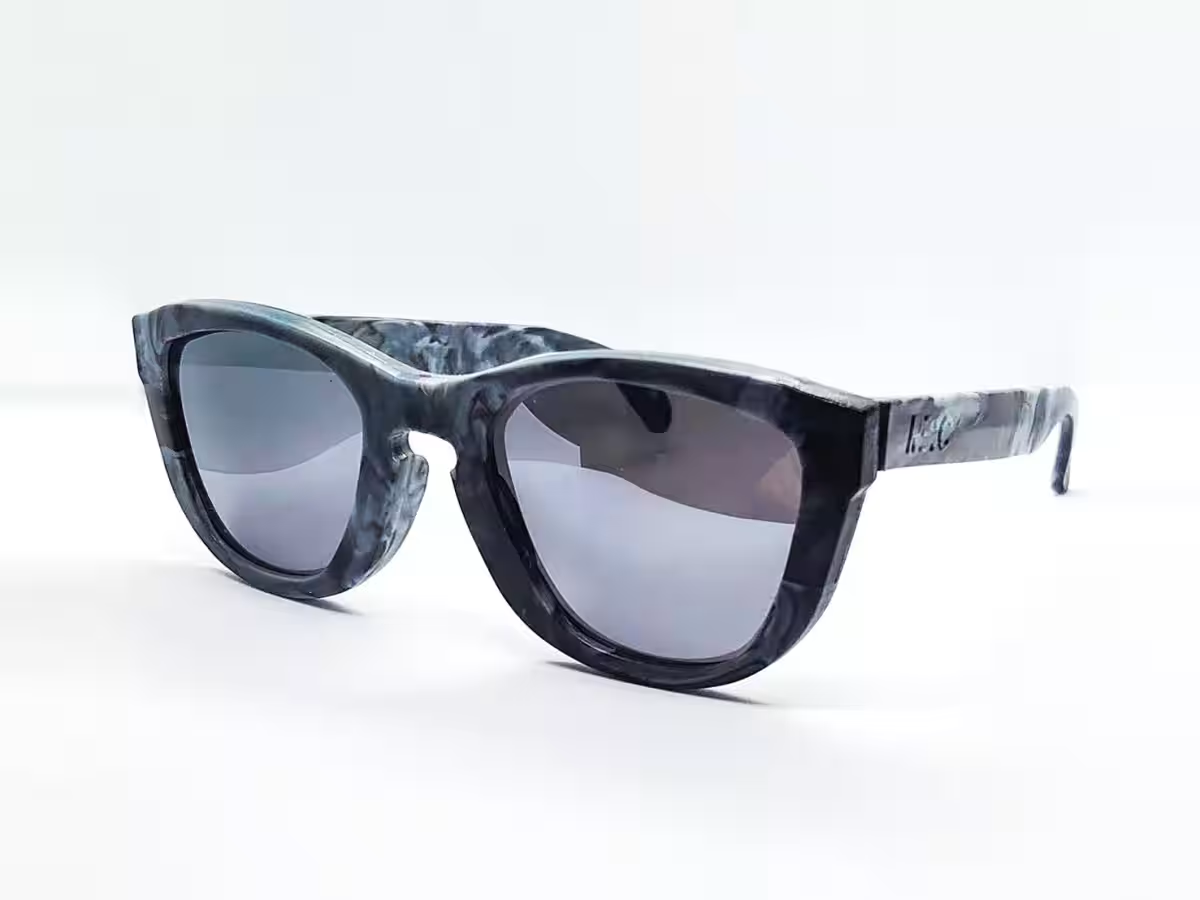
In the realm of sustainable fashion, a distinctive pair of sunglasses crafted from waste plastics has caught considerable attention. These sunglasses are not just an accessory; they embody a commitment to environmental preservation and resource recycling.
Based in Karatsu City, Saga Prefecture, the Non-Profit Organization (NPO) Karatsu Farm & Food is at the forefront of this eco-friendly endeavor with their upcycling brand, RE:C. Through their initiative, they offer these extraordinary sunglasses as rewards for donations via the Furusato Tax program, allowing supporters to actively participate in local sustainable practices.
The Craftsmanship Behind RE:C
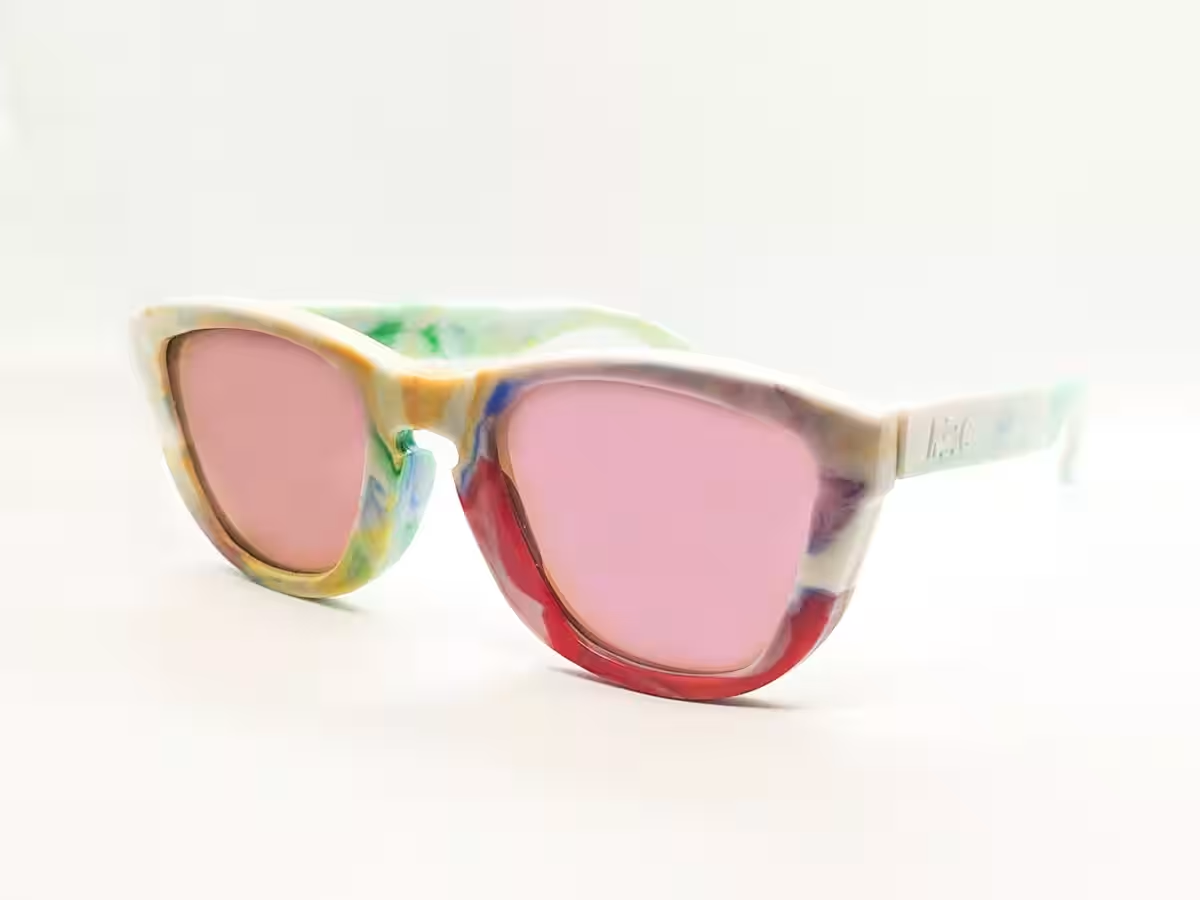
The sunglasses are predominantly made from recycled plastic bottle caps, utilizing techniques from the Dutch open-source project, Precious Plastic. Each pair of sunglasses is uniquely crafted, ensuring that no two items are the same in terms of color and pattern. This approach not only highlights individuality but also presents a stylish alternative in the fashion industry, seamlessly blending eco-consciousness with aesthetic appeal.
RE:C stands for more than just recycling; the brand encompasses concepts such as Recreation, Carbon reduction, Colorful diversity, Cultural appreciation, Clear transparency, Collaboration, and Circularity. By prioritizing the idea that environmental responsibility should be integrated into fashion as a natural style choice rather than an obligation, RE:C is transforming how we perceive sustainable living.
A Choice Beyond Sustainability
The sunglasses from RE:C present a paradigm shift in consumer behavior. Rather than being chosen solely for their eco-friendly nature, they are primarily selected because wearers genuinely want to don this stylish accessory. The specific combinations of materials and the unique manufacturing processes create a vivid array of colors that embody the distinctiveness of each pair.
When individuals opt for these sunglasses, they make a statement about their fashion sense rather than a political or environmental statement. This philosophical twist emphasizes RE:C’s mission of engaging consumers in sustainability as a desirable lifestyle rather than a moral obligation.
Rethinking Product Lifespans
One of the most innovative aspects of RE:C’s sunglasses is their commitment to a circular economy. Should these sunglasses break, they can be returned and repurposed into new materials, emphasizing that their journey doesn’t end with the consumer. This forward-thinking approach aims to prevent sustainable fashion from becoming merely a passing trend, instead establishing a system where products are designed to have multiple lifecycles.
Giving Back Through Donations
RE:C’s sunglasses are available through the Furusato Tax donation program. By contributing, individuals support the local efforts toward sustainable production and environmental education. Wearing these sunglasses transcends mere fashion; it becomes a wearable expression of one’s commitment to sustainability.
The Vision for the Future
Looking ahead, RE:C plans to expand its reach through online retailers and explore collaborations within the fashion and design sectors. Workshops and events will serve to disseminate their circular philosophy further, embedding these principles deeply into the culture.
Product Specifications: RE:C Sunglasses
- - Material: Primarily made from recycled plastic bottle caps (PP)
- - Unique Features: Every piece is one-of-a-kind with random colors and patterns
- - Production Location: Karatsu City, Saga Prefecture
- - Created by: NPO Karatsu Farm & Food (Precious Plastic Karatsu)
Collaborations and Initiatives
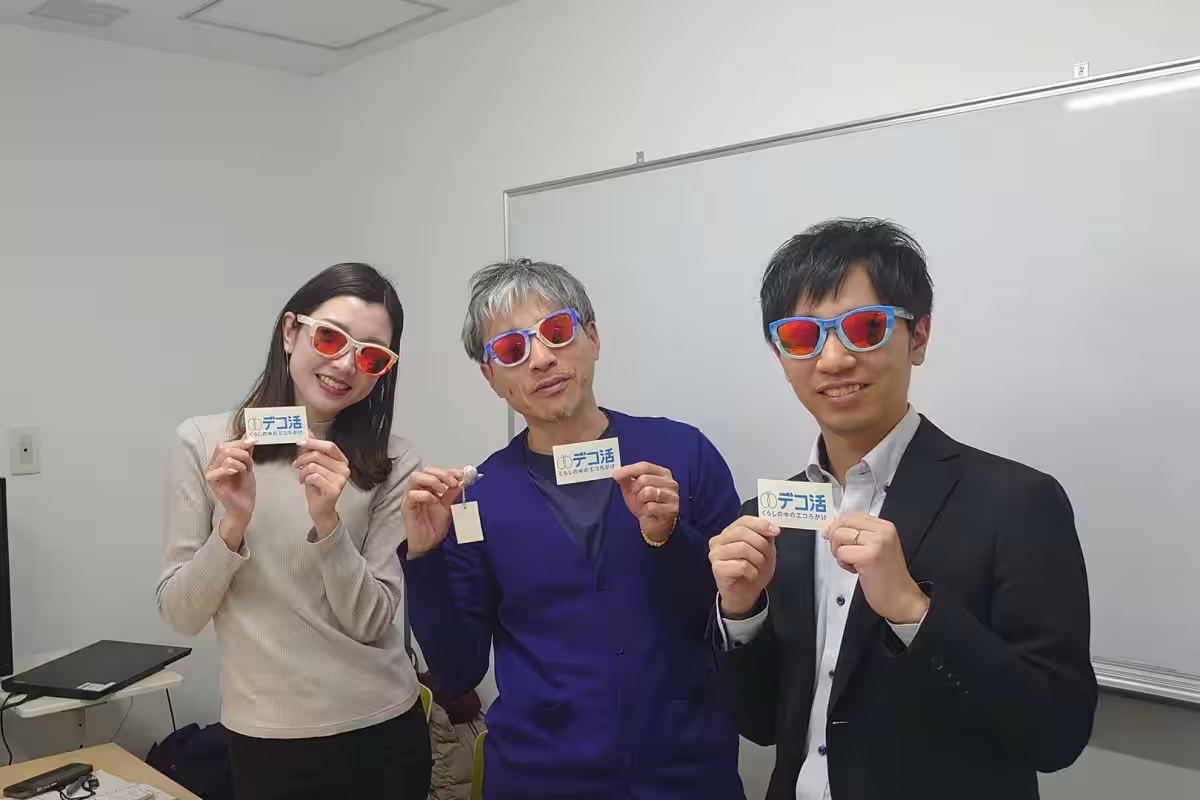
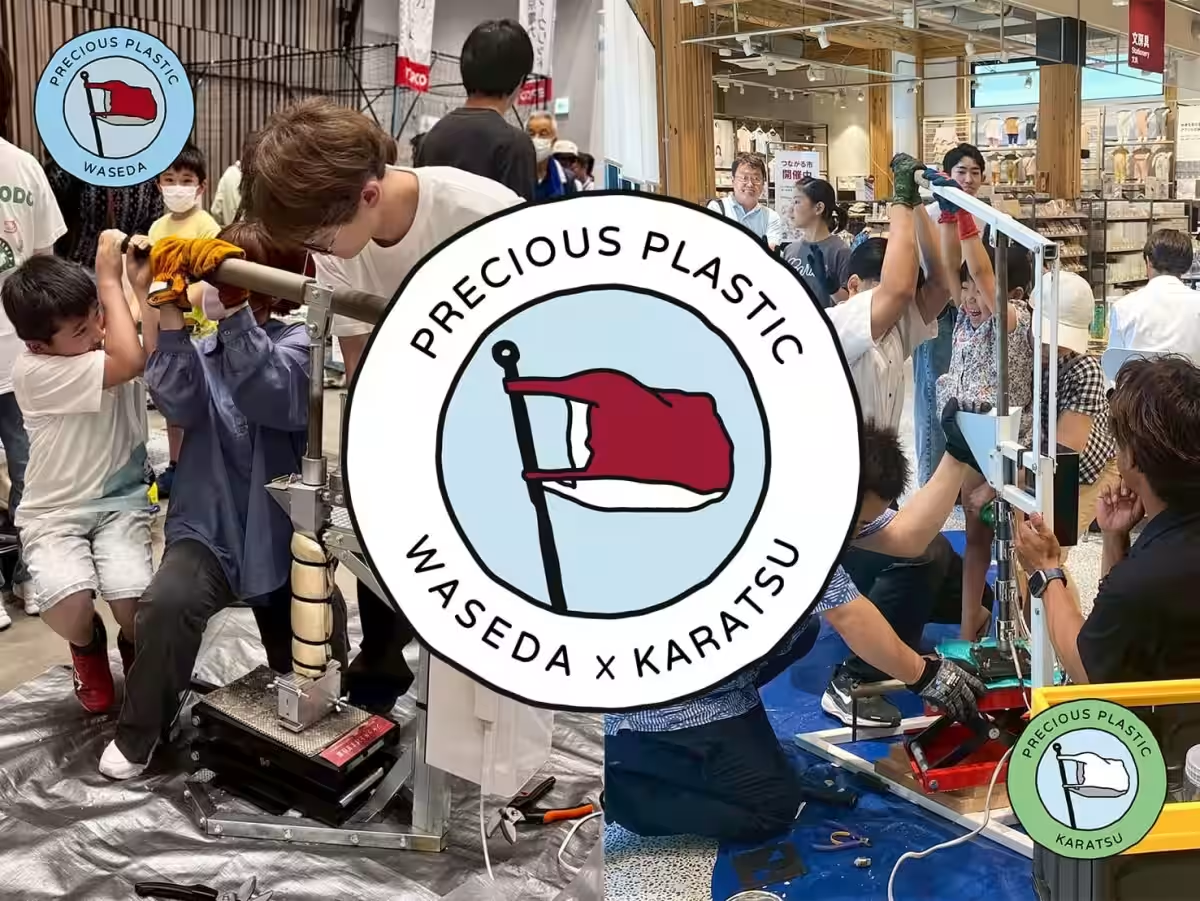
The RE:C sunglasses are not only limited to the Furusato Tax rewards; they are also featured in a joint project with students from Waseda University, named Precious Plastic Waseda. This initiative focuses on creating systems for recycling waste plastics while reinforcing the connection between production and community engagement.
About Karatsu Farm & Food NPO
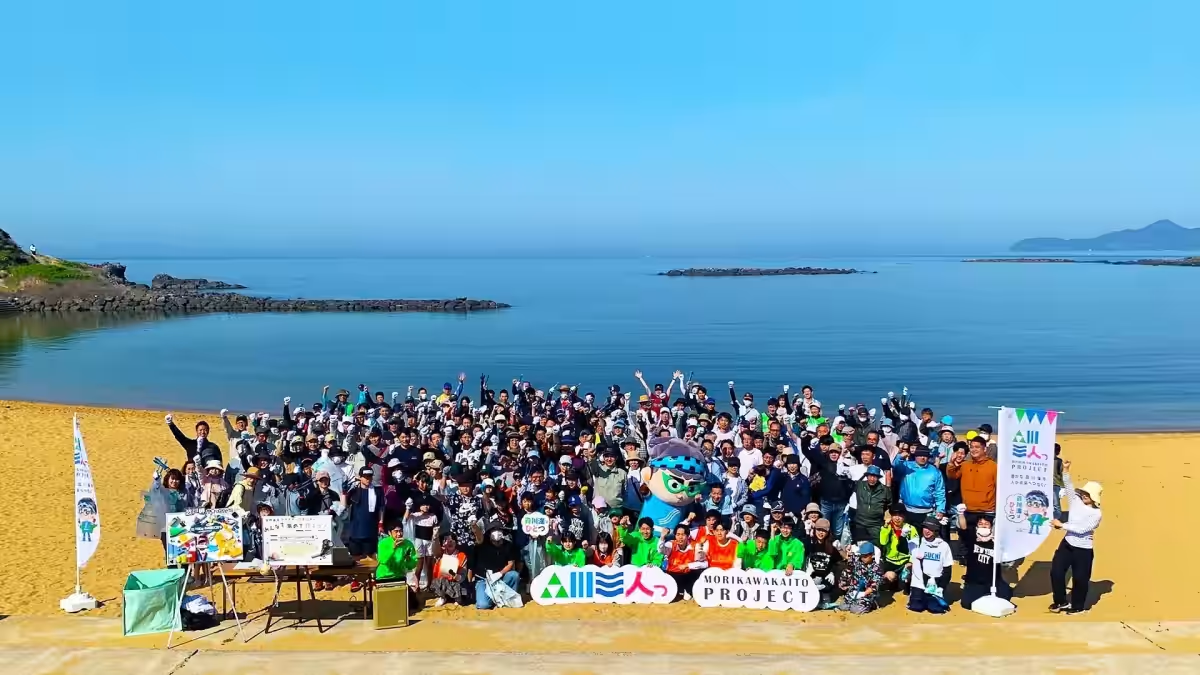
The NPO Karatsu Farm & Food strives to bridge the gap between the ocean, the community, and the environment through active initiatives in environmental education and sustainable practices. Participating in international projects like Precious Plastic, they work toward developing local circular systems.
Related Links
- - RE:C Brand Page
- - RE:C Story
- - Furusato Tax Program (RE:C Sunglasses)
- - Precious Plastic Waseda x Karatsu Online Shop



Topics Consumer Products & Retail)
【About Using Articles】
You can freely use the title and article content by linking to the page where the article is posted.
※ Images cannot be used.
【About Links】
Links are free to use.