



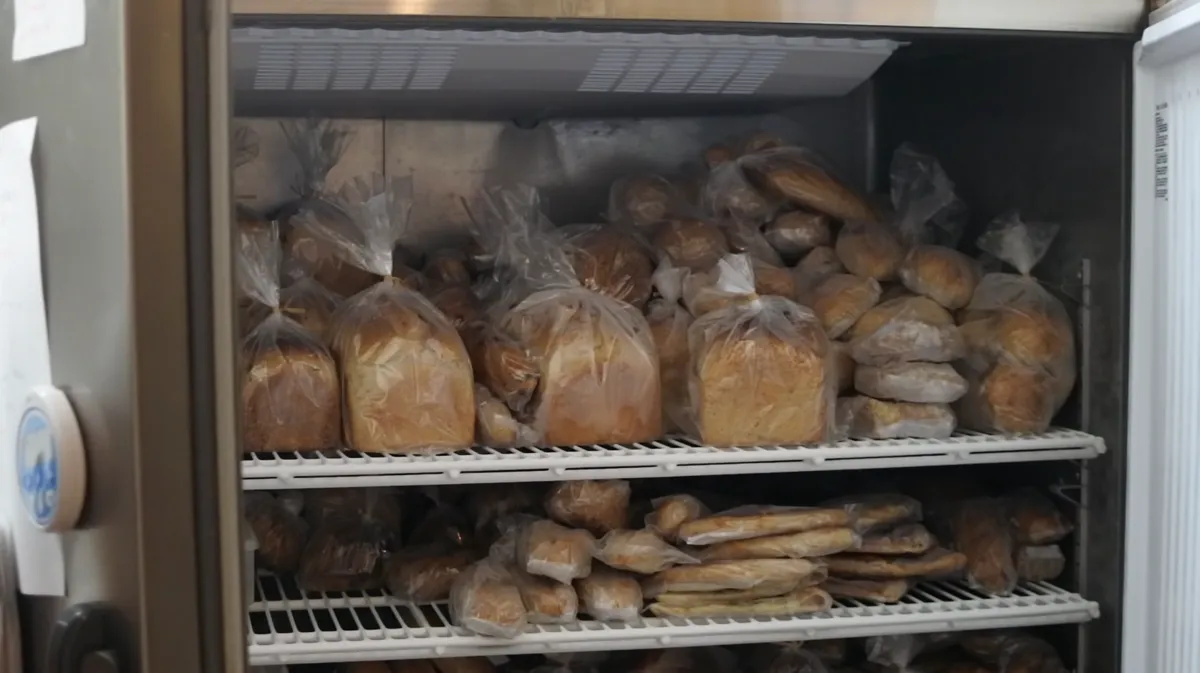
The Rising Trend of Bread Subscription Services in Japan: A Delicious Way to Combat Food Waste
...considered food waste reduction a principal focus did so because it coincided with their enjoyment of tasty bread. Many shared joyous experiences about discovering new bakeries and flavors, emphasizing a win-win situation where they relieve waste while indulging in delightful products.
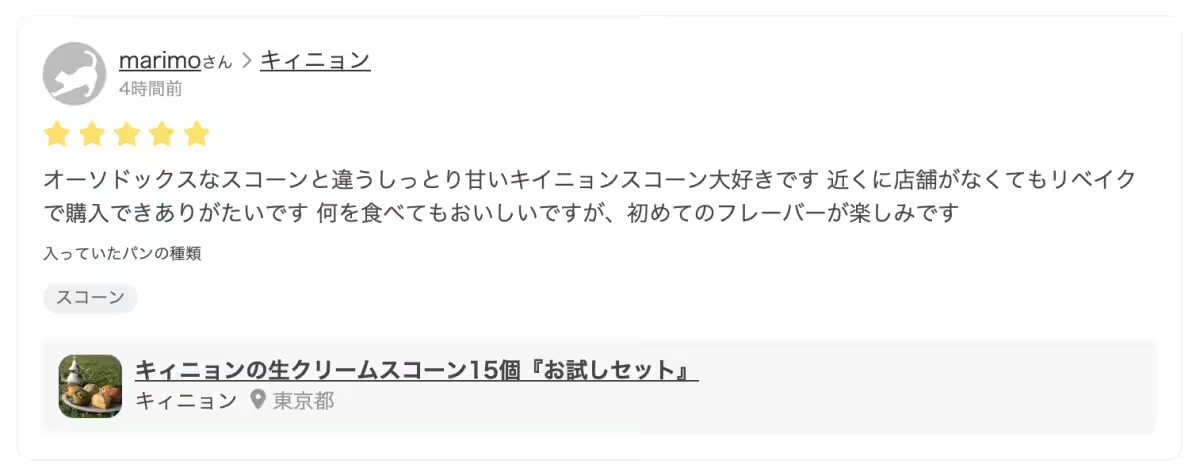
Among those who identified as concerned about food waste, comments varied but shared a common theme of delight in both enjoying delicious bread and participating in a larger purpose. "Buying my favorite bread while helping to reduce food waste is incredibly rewarding," said one user. Likewise, many respondents mentioned their hope to further educate others about the issue, acknowledging the importance of raising awareness around food waste.
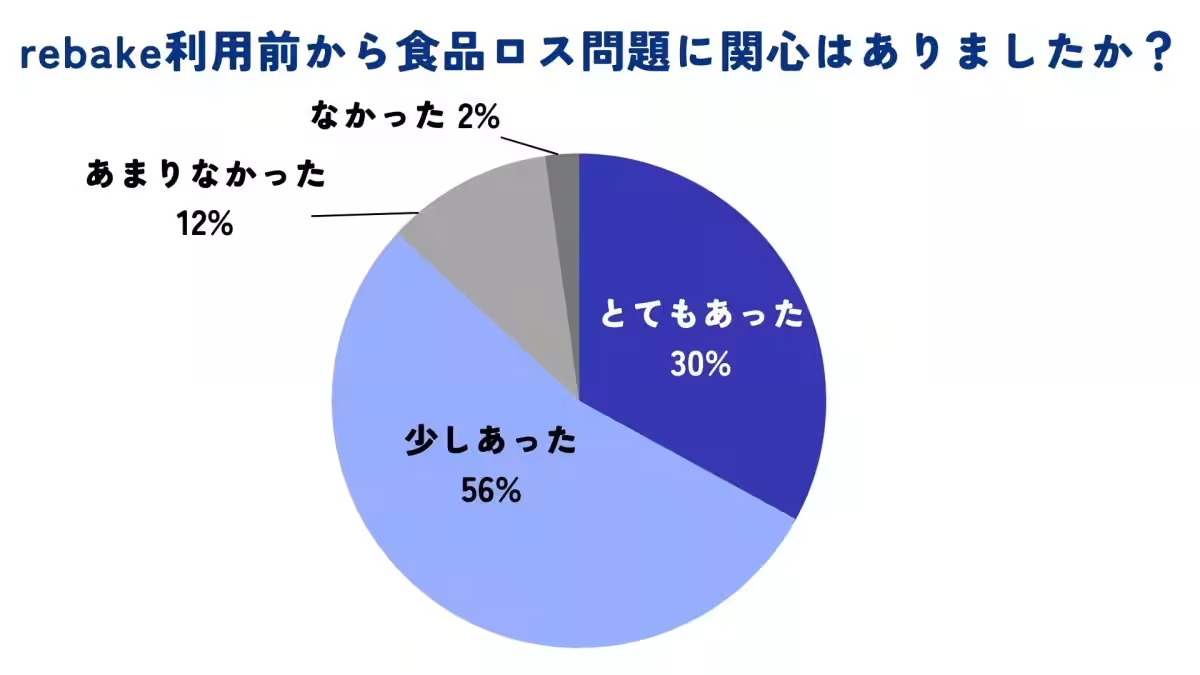
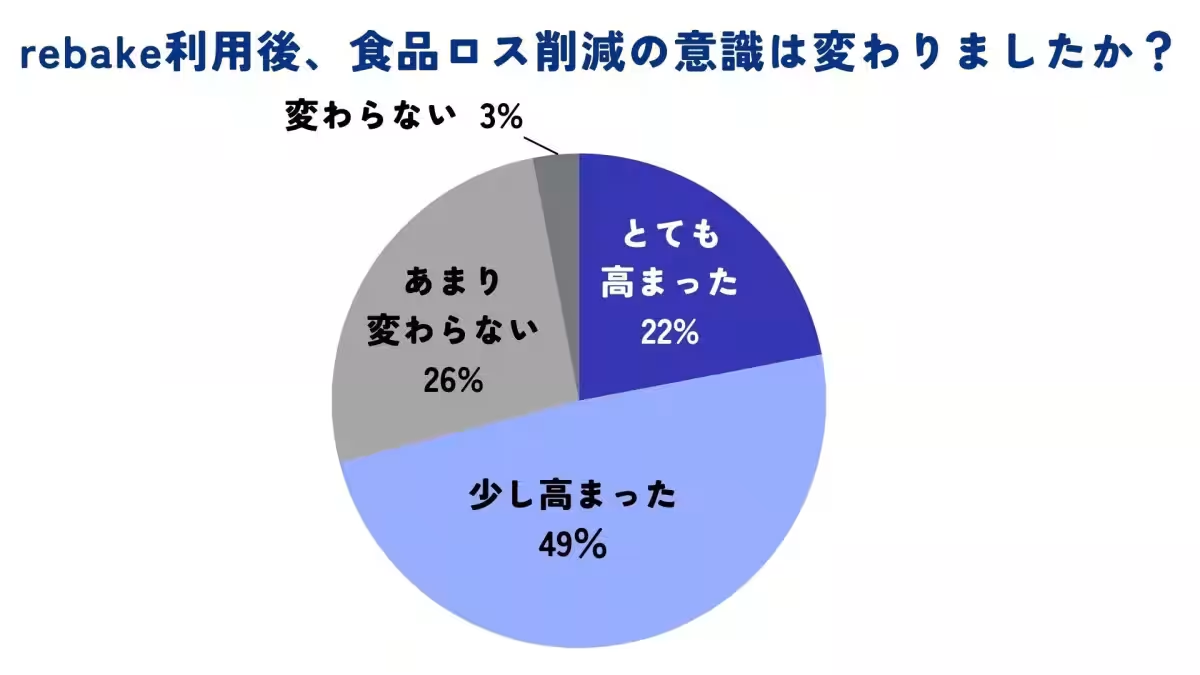
The growing connection between bread lovers and sustainable practices through platforms like rebake marks a significant cultural shift. Over 70% of users felt that their awareness of food waste had increased since using the service. Anecdotal feedback suggested that the casual enjoyment of ordering bread has transformed into a deeper understanding of food waste, blending leisure with responsibility. Spurred by the dual motivations of taste and sustainability, users increasingly view their decisions as part of a collective effort toward reducing waste.
The narrative surrounding rebake encapsulates more than just a burgeoning trend in culinary service; it serves as a microcosm of how consumer behavior is evolving to embrace social responsibility. By seamlessly integrating food enjoyment with a strategy to minimize waste, rebake provides users with an avenue for both personal satisfaction and societal contribution.
As the world grapples with escalating food waste, aligning consumer pleasures with broader social initiatives becomes vital. The rebake model highlights how food waste can be addressed without necessitating a poignant call to action. Instead, it redirects focus on the joy of culinary discovery, underscoring that meaningful change can arise from simple choices made in the pursuit of enjoyment.
The combination of gastronomic passion and social consciousness in platforms like rebake signals a progressive and necessary evolution in consumer habits. As these trends gain traction, they paint a hopeful picture of a future where the love for good food contributes not only to personal pleasure but also to significant reduction in food waste, reshaping how we interact with the food we consume. Japan’s bread subscription revolution thus offers a delicious avenue for sustainability, benefiting both enthusiasts and the planet alike.
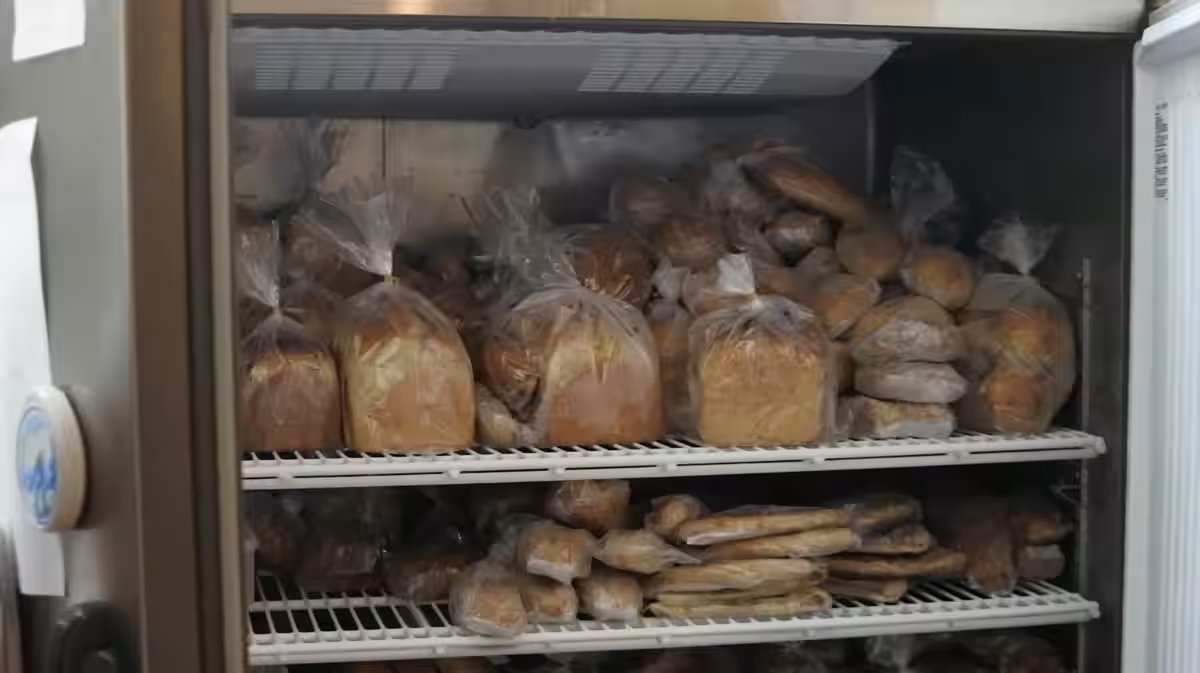
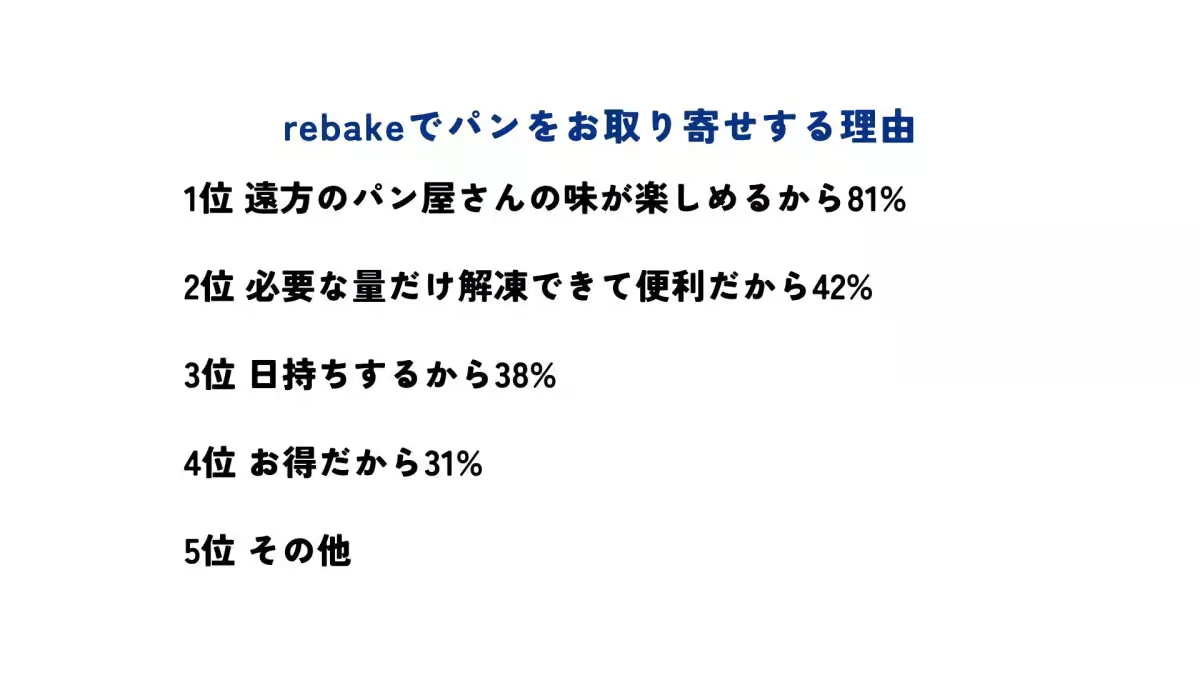
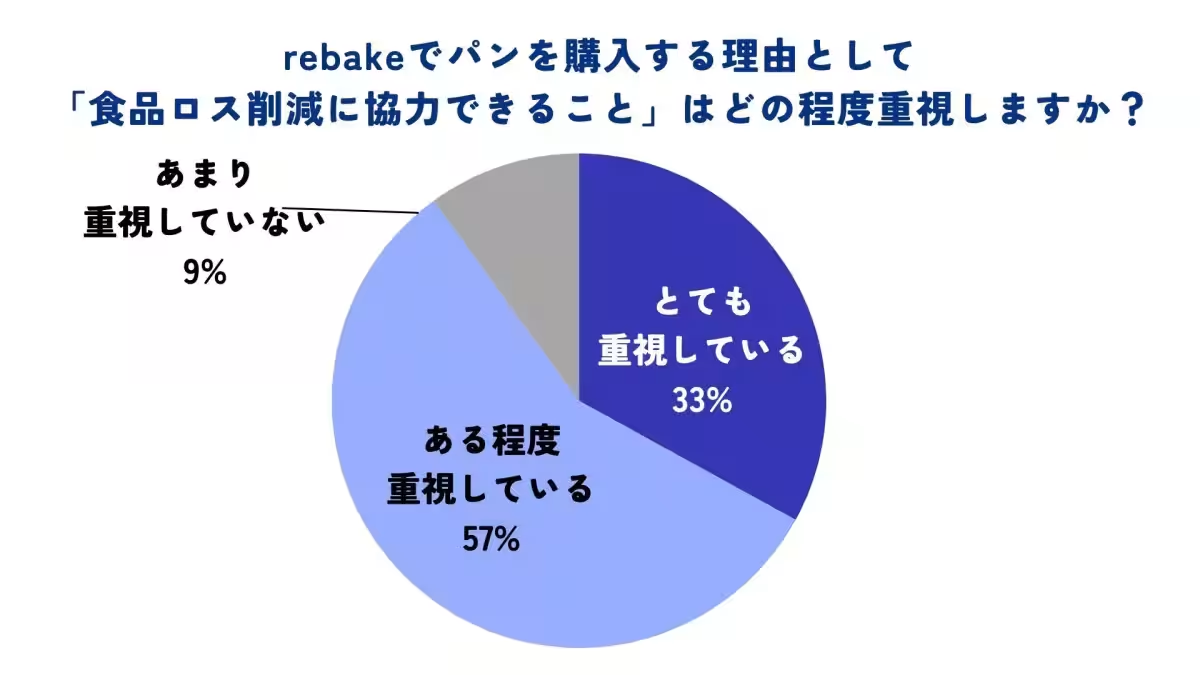

Users Who Advocate Food Waste Reduction
Among those who identified as concerned about food waste, comments varied but shared a common theme of delight in both enjoying delicious bread and participating in a larger purpose. "Buying my favorite bread while helping to reduce food waste is incredibly rewarding," said one user. Likewise, many respondents mentioned their hope to further educate others about the issue, acknowledging the importance of raising awareness around food waste.
A Cultural Shift Towards Sustainability
The growing connection between bread lovers and sustainable practices through platforms like rebake marks a significant cultural shift. Over 70% of users felt that their awareness of food waste had increased since using the service. Anecdotal feedback suggested that the casual enjoyment of ordering bread has transformed into a deeper understanding of food waste, blending leisure with responsibility. Spurred by the dual motivations of taste and sustainability, users increasingly view their decisions as part of a collective effort toward reducing waste.
Contributing to a Brighter Future
The narrative surrounding rebake encapsulates more than just a burgeoning trend in culinary service; it serves as a microcosm of how consumer behavior is evolving to embrace social responsibility. By seamlessly integrating food enjoyment with a strategy to minimize waste, rebake provides users with an avenue for both personal satisfaction and societal contribution.
Bridging Opportunities
As the world grapples with escalating food waste, aligning consumer pleasures with broader social initiatives becomes vital. The rebake model highlights how food waste can be addressed without necessitating a poignant call to action. Instead, it redirects focus on the joy of culinary discovery, underscoring that meaningful change can arise from simple choices made in the pursuit of enjoyment.
Conclusion
The combination of gastronomic passion and social consciousness in platforms like rebake signals a progressive and necessary evolution in consumer habits. As these trends gain traction, they paint a hopeful picture of a future where the love for good food contributes not only to personal pleasure but also to significant reduction in food waste, reshaping how we interact with the food we consume. Japan’s bread subscription revolution thus offers a delicious avenue for sustainability, benefiting both enthusiasts and the planet alike.
Topics Consumer Products & Retail)
【About Using Articles】
You can freely use the title and article content by linking to the page where the article is posted.
※ Images cannot be used.
【About Links】
Links are free to use.